
What Is Spirituality? A Simple Guide to Meaning, Purpose, and Connection

October 25, 2025

Most of us will, at one moment or another, feel drawn to the question: What is spirituality? Rather than a lofty or distant idea, spirituality can be deeply personal, woven into the rhythm of everyday life. In a world pulsing with distraction, pressure, and constant demands, the search for meaning, connection, and presence can feel urgent, and, at times, elusive. To set the tone for this guide, we’ll explore what does it mean to be spiritual through lived experience, shared wisdom, and compassionate practice, walking as fellow travelers, not distant experts. 

At Sounds True, our team sees spirituality as discovery rather than doctrine. The path invites a tuning toward the subtle signals that guide us back to ourselves and to one another. Along the way, we’ll clarify what does spirituality mean in day-to-day choices, relationships, and moments of quiet. For newcomers and long-time seekers, one truth remains: the longing for meaning, belonging, and purpose is universal.

Key Takeaways:

  • Core Elements of Spirituality: Presence, purpose, and compassion form the foundation of spiritual life. Each quality strengthens awareness, deepens connection, and helps reveal what is spirituality as a lived experience rather than an abstract idea.
  • Types of Spiritual Practices: Across cultures, people express spirituality through diverse traditions such as meditation, prayer, ritual, and community service. These practices reflect the universal search for meaning and belonging, showing what does being spiritual mean in everyday life.
  • Tools for Inner Listening: Meditation, prayer, journaling, and mindful movement create space for self-reflection and growth. Through these practices, spiritual seekers cultivate presence and awaken to the quiet wisdom that guides all genuine transformation.

Core Elements: Presence, Purpose, Compassion

At the center of spirituality meaning lies three guiding qualities that illuminate nearly every wisdom tradition: presence, purpose, and compassion. These are not abstract ideals, but living experiences that shape how we breathe, listen, and relate to the world around us. Each one deepens what does spirituality mean in daily life and creates a foundation for meditation and awake awareness.

Presence

Presence calls us to arrive fully where we are. Through the gentle rhythm of breath, the warmth of sunlight on skin, or a single mindful pause, presence becomes a doorway back to ourselves. Rather than chasing peace, we learn to rest within awareness itself.

Meditation builds this awareness slowly. Every moment spent noticing thoughts or sensations without judgment helps quiet the noise that clouds perception. Over time, that clarity reveals what many teachers describe as awake awareness, a direct recognition of consciousness that is both still and responsive. Our reflection on what is awake awareness offers a glimpse into this state, where awareness begins to sense its own vastness. Presence prepares the ground for that realization, turning attention into communion.

Purpose

Purpose goes deeper than just chasing goals. Growing from the quiet knowing that life carries meaning beyond routine surfaces, purpose takes shape in simple gestures: an honest word, a shared meal, a moment of service. Each act aligns us with something larger, weaving intention through every day. Within meditation, purpose functions as the compass that keeps practice steady. Each return to breath or posture reaffirms why we sit—to awaken, to connect, to remember the inherent value of being alive. Moving beyond achievements, purpose becomes a steady pulse of devotion, guiding awareness toward understanding.

Compassion

Compassion ties it all together. To walk a spiritual path is to soften to both your own struggles and those of others. Compassion asks us to move beyond harsh inner critics and surface-level judgments, opening instead to care, even when it’s hard. Compassion acts like offering a hand, a kind word, or even simply holding space for another person’s experience. In these acts, we dissolve the barriers between self and other, sparking the deeper connection we all crave.

The core elements of presence, purpose, and compassion serve as guideposts. When we nurture them in ourselves, we awaken to life’s fullness, right where we are.
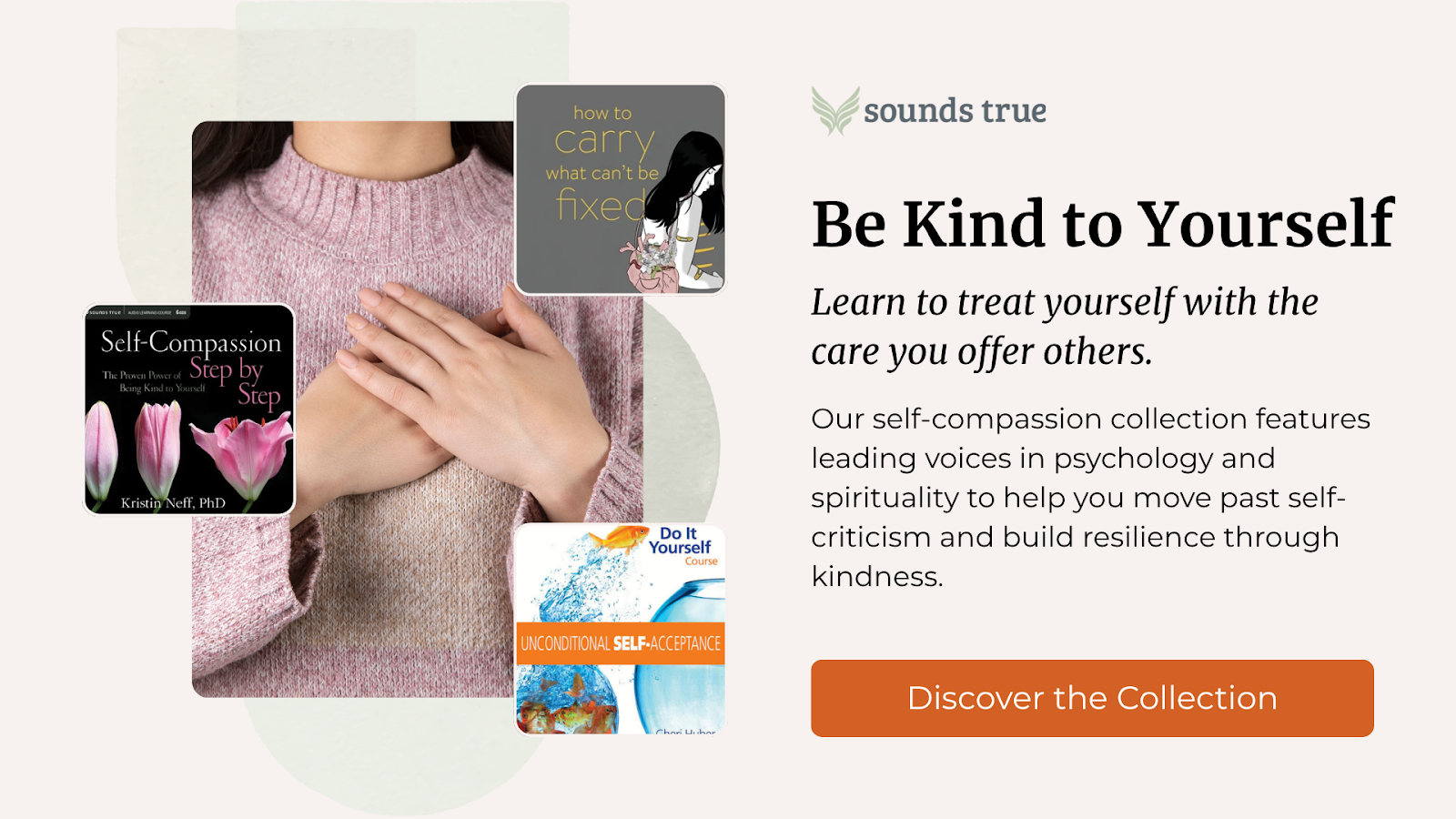
Learn to Treat Yourself with the Care You Offer Others

Types of Spiritual Practice Around the World

Across time and culture, spiritual practice has taken countless forms. Each tradition holds its own rhythm and wisdom, yet all share the same impulse: a longing for connection. These practices reveal what does being spiritual mean in everyday life and how presence, purpose, and compassion are expressed through action. Here’s a glimpse at some of the ways humans have nourished the soul throughout history and into modern times:

Meditation and Mindfulness

In many Eastern traditions, Buddhism, Hinduism, and Taoism, among them, meditation serves as a vessel for self-inquiry and awareness. For example, when sitting quietly or walking mindfully, practitioners observe thoughts and sensations without clinging or resistance. Each moment of stillness helps cultivate presence and steady the heart.

Shaped by these ancient traditions, modern mindfulness continues to grow. From yoga studios in Mumbai to Zen temples in Kyoto to quiet living rooms in New York, meditation offers a shared invitation to awaken consciousness. Our reflection on what is awake awareness explores this idea further, like how awareness itself can recognize its own spacious nature. In every culture where mindfulness flourishes, the essence remains the same: an open-hearted return to the present moment.

Prayer and Devotion

Prayer remains one of humanity’s most enduring languages of connection. In Europe’s stone cathedrals, voices rise in hymns that echo centuries of faith. Across the Middle East, the call to prayer ripples through the air five times a day, guiding communities into remembrance. In India’s temples, incense smoke swirls as offerings of flowers and light are made to the divine.

Across traditions, prayer expresses the same yearning to speak with something greater, to ask, to thank, and to listen. For many, prayer also becomes a form of meditation, a bridge between inner stillness and outer reverence. 

Ritual and Ceremony

Ritual transforms ordinary moments into sacred time. In Japan, the tea ceremony invites grace through deliberate movement and mindful attention. In Native American traditions, the sweat lodge purifies the body and spirit through heat, song, and community. In Latin America, Día de los Muertos honors ancestors through food, candles, and marigolds that line the path between worlds. 

These ceremonies, no matter how big or small, remind us that life is cyclical, not linear. By pausing to honor transitions, we acknowledge that every season, loss, and joy carries spiritual significance. 

Nature-Based Spirituality

Many indigenous and Earth-centered traditions see the natural world as a living expression of spirit. Among the Māori of New Zealand, prayers called karakia bless the land and sea before any harvest. In the Andes, offerings of coca leaves and flowers are made to Pachamama, the Earth Mother, as acts of reciprocity. Across continents, elders and teachers continue to remind us that the sacred can be felt beneath our feet and above our heads. When we slow down and listen, we remember our place within a vast, breathing web of life.

Contemplative Arts

Music, dance, poetry, and creative expression have long been tools for approaching the divine. In Sufi circles, the whirling dance known as sema becomes a moving prayer that symbolizes union with the divine. In Bali, sacred dance and shadow puppetry tell stories of gods and ancestors, blending devotion with artistry. Through these practices, creativity becomes meditation in motion. 

Community and Service

Spiritual practice is not always a solo venture. Across all faiths and traditions, community forms the heartbeat of spirituality. In Sikh gurdwaras, communal kitchens known as langars feed anyone who enters, embodying equality and compassion. In Buddhism, acts of dana, or generosity, sustain both giver and receiver. In countless local neighborhoods, volunteers gather to plant gardens, share meals, or comfort those in need. Within community, we can find purpose mirrored back through others’ hearts.
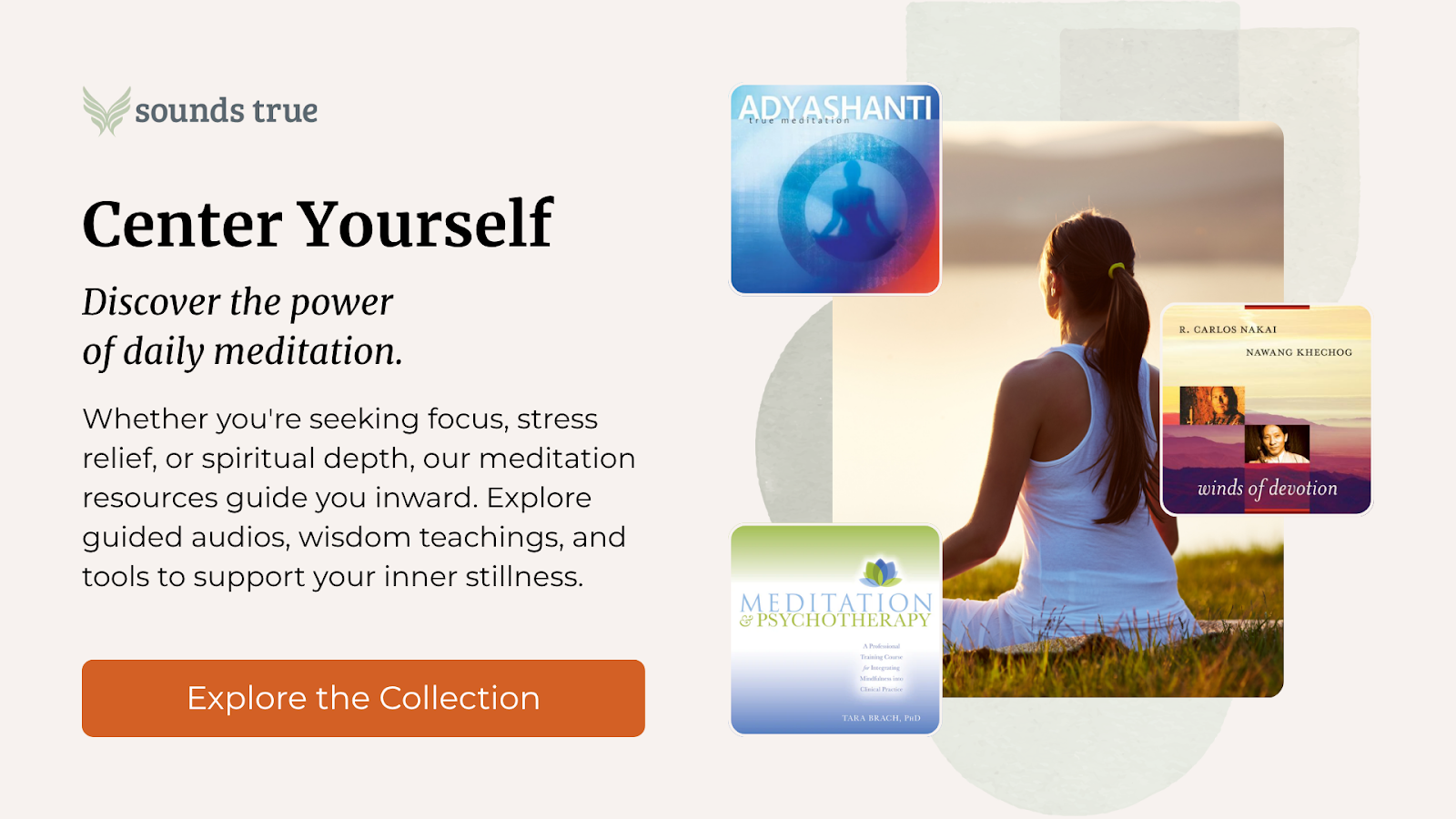
Center Yourself With Sounds True’s Meditation Resources

Meditation, Prayer, and Beyond: Tools for Inner Listening

At its essence, what does it mean to be spiritual is an invitation to listen and to turn inward toward the stillness that has always been there. Inner listening asks for gentleness, patience, and practice. Through meditation, prayer, and other contemplative rituals, we create space to meet ourselves fully and rediscover the guidance that arises from presence. 

Meditation as a Path to Awareness

Meditation opens a simple yet profound doorway into stillness. Through conscious breathing or quiet observation, the mind begins to settle, and awareness starts to expand. In Buddhist and yogic traditions, meditation is seen as a training of attention.

Each moment of awareness draws us closer to presence. When the swirl of thoughts and emotions softens, the body learns to rest in a natural rhythm of calm alertness. Over time, meditation awakens the capacity for awake awareness, a spacious clarity that perceives life directly rather than through constant mental noise. For those curious to explore this experience more deeply, our reflection on what is awake awareness offers practical insight into this way of being.

Prayer as a Language of the Heart

Prayer carries the energy of connection. Across cultures and faiths, people lift their voices, hands, or hearts toward something greater, whether it be God, Spirit, the Universe, or simply the deeper Self. For some, prayer takes the form of spoken words or sacred chants. For others, it arises silently, as gratitude, longing, or love.

Through prayer, we enter a dialogue that transcends language. Each word becomes a vibration of intention, a reminder that we are participants in a living relationship with the divine. In this exchange, listening becomes as sacred as speaking. The quiet that follows prayer often holds the true response, one that arrives as stillness, warmth, or a quiet sense of knowing.

Beyond Meditation and Prayer

Inner listening can unfold anywhere. Journaling at dawn, tending a garden, moving through mindful yoga, or walking slowly through nature can each become an act of prayer in motion. These simple rituals draw awareness back to the body and the present moment, transforming ordinary routines into sacred pauses.

Across all traditions, these practices share a single heartbeat. Each time we pause, breathe, and listen, we reaffirm that spirituality is not about escape but about arrival. Through meditation, prayer, and mindful action, we return again and again to the quiet truth within us all: awareness itself.

Spirituality vs Religion: Finding Your Own Path

Across generations and cultures, people have turned to both spirituality and religion to seek belonging, purpose, and the sacred. While the two often intertwine, they invite distinct ways of approaching life’s mysteries. Understanding what does spirituality mean alongside religious devotion can open new space for growth, reverence, and unity within your personal journey.

How Spirituality and Religion Differ

Religion often offers a structure similar to a collective path shaped by faith, ritual, and tradition. Through sacred texts, ceremonies, and shared worship, religion nurtures connection through community and continuity. The framework it creates can help steady one’s heart through life’s highs and lows.

By contrast, spirituality blossoms through personal experience. Emerging from the inner landscape rather than formal doctrine, the essence of spirituality rests in lived awareness, like finding sacredness in silence, compassion in action, and clarity in the moment-to-moment flow of life. For some, this takes shape in meditation or prayer, but for others, through art, service, or communion with nature.

How Spirituality and Religion Can Coexist

Many find fulfillment where spiritual depth and religious tradition meet. The rituals, prayers, and stories within a faith can become vessels through which spiritual awareness deepens. A Sunday mass, a morning chant, or a shared meal of gratitude can each be moments where devotion and consciousness merge. For others, spirituality may exist outside formal religion while still honoring universal truths: love, compassion, humility, and service. When rooted in sincerity, both paths guide us toward connection. 
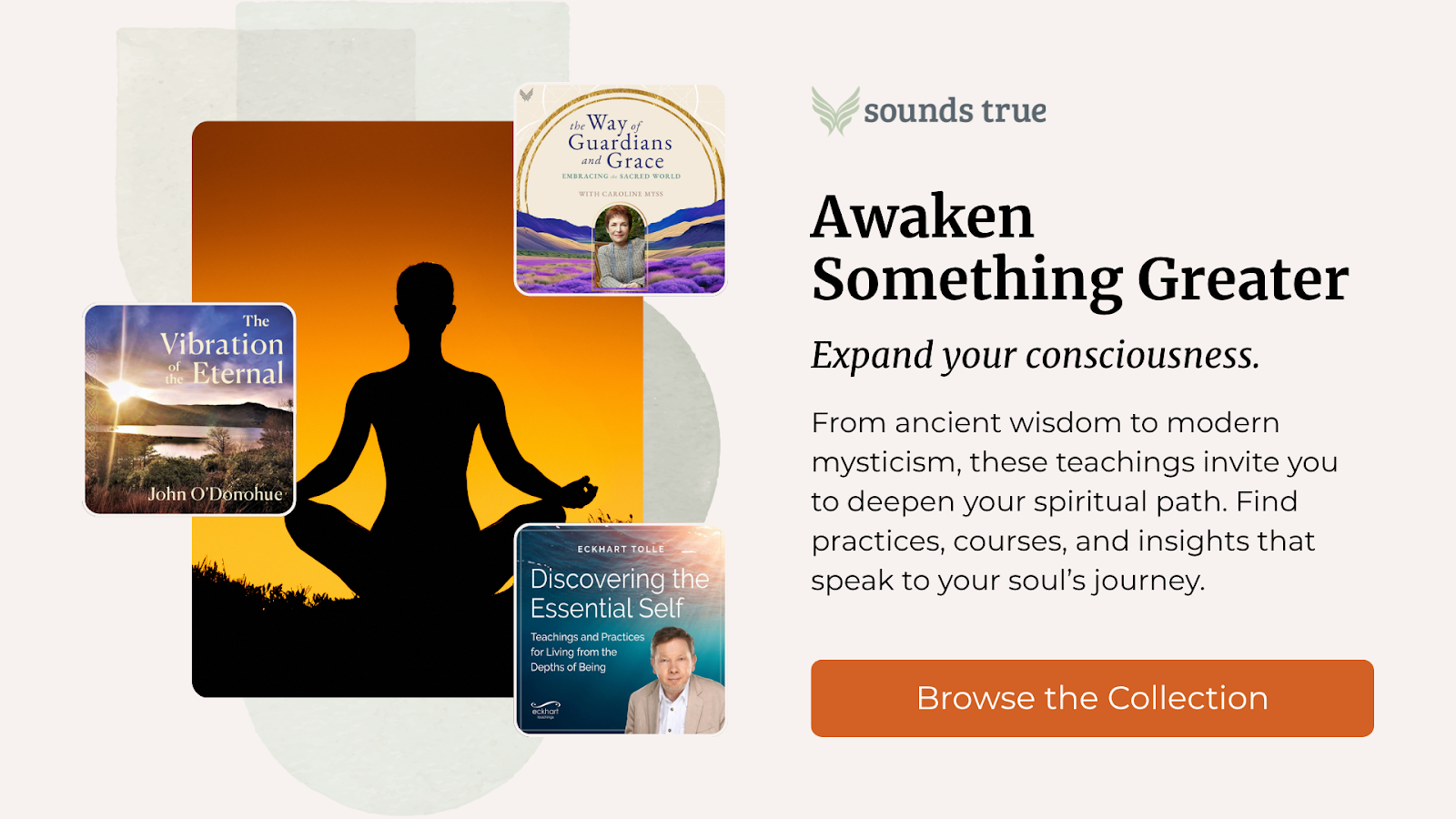
What is Spirituality? Learn and Expand Your Consciousness with Sounds True

Final Thoughts

So, what is spirituality? The answer unfolds as a lifelong discovery, an exploration of what brings you alive, whole, and deeply connected to yourself, to others, and to something greater. Spiritual life asks for presence rather than perfectionism, and each moment of stillness, joy, or challenge becomes an opening to listen, to feel, and to find meaning.

At Sounds True, we hold that spiritual wisdom belongs to everyone. Through every act of reflection, we remember that awakening does not happen far away. It begins here, within awareness itself. Each day offers a chance to meet life with curiosity, courage, and compassion. Wherever you find meaning through relationships, nature, creative expression, or silence, trust that this too is spiritual practice. Through this tender attention, your journey reveals what does being spiritual mean, a continual return to presence, purpose, and connection in the world around you.

Read More:

Frequently Asked Questions About Spirituality

Can you be spiritual without being religious?

Absolutely. Spirituality is a deeply personal experience, not tied to any one doctrine or set of rules. Many people find a sense of meaning, awe, or inner peace without belonging to a traditional religion. At Sounds True, we honor all paths, whether you find inspiration in sacred texts, time alone in nature, quiet meditation, or simply being present with loved ones.

What’s the difference between spirituality and faith?

Spirituality is your direct experience of connection, meaning, or wonder, often beyond words or belief systems. On the other hand, faith is typically associated with trust in something specific, such as a higher power, an organized set of teachings, or even in life itself. While faith can be a part of spirituality, spirituality isn’t limited by any set creed. 

How does spirituality influence daily life?

Spirituality can infuse the ordinary with meaning. It’s not just about meditating on a mountain; it’s about how you greet your neighbor, pause to notice a sunset, or find calm amid chaos. Simple practices, like mindful breathing, gratitude, or compassionate listening, can bring your deeper values to life, unlocking a sense of presence and purpose one moment at a time.

What role does nature play in spirituality?

Nature is a living teacher. For many, it’s where spiritual presence feels most tangible, like the sheer wonder of a starry sky, the steadiness of ancient trees, the rhythm of the ocean. Time outdoors can reconnect us to something larger than ourselves, reminding us we’re part of an intricate, beautiful web of life. At Sounds True, we often celebrate the wisdom found in nature’s rhythms and cycles.

How does spirituality foster connection with others?

At its core, spirituality invites us to see the spark of humanity in everyone. Practices like deep listening, empathy, and kindness grow from our sense of inner connection. When we feel anchored within ourselves, we’re more open and attuned to those around us, helping lift each other, just as our community at Sounds True strives to do every day.

How can I integrate spirituality into my routine?

The simplest spiritual practices often fit naturally into daily life. Try starting or ending your day with gratitude, setting intentions, or taking mindful pauses—maybe even during a walk in your neighborhood. You might create a tiny ritual, such as lighting a candle or journaling your reflections. It doesn’t need to be grand; what matters is making space for what’s most meaningful to you.

How can I find my spiritual path?

The beauty of spirituality is that there’s no one-size-fits-all answer. Therefore, listen to your inner nudges, and don’t be afraid to explore, whether it’s different teachings, creative expression, time in nature, or joining a heartfelt community. At Sounds True, we’re here to walk alongside you, offering diverse voices and teachings so you can discover what resonates most on your journey.

Michelle Cassandra Johnson is an author, activist, spiritual teacher, racial equity consultant, and intuitive healer. She is the author of six books, including Skill in Action and Finding Refuge. Amy Burtaine is a leadership coach and racial equity trainer. With Robin DiAngelo, she is the coauthor of The Facilitator's Guide for White Affinity Groups. For more, visit https://www.michellecjohnson.com/wisdom-of-the-hive.

Amy Burtaine

Amy Burtaine is a leadership coach and racial equity trainer. Her trainings for meaningful social change include work with Google, the DNC, and the ACLU. With Robin DiAngelo, she is the coauthor of The Facilitator's Guide for White Affinity Groups.

Author photo © Jennifer Loomis

Michelle Cassandra Johnson

Michelle Cassandra Johnson is an author, activist, spiritual teacher, racial equity consultant, and intuitive healer. She teaches workshops and leads retreats and transformative experiences nationwide. She is the author of six books, including Skill in Action and Finding Refuge.

Author photo © Jodie Brim

Also By Author

Strong, Centered, Present: A Yoga Practice Designed fo...

In a world that rarely slows down, finding a sense of shelter within yourself can feel like an act of resistance—or perhaps even a quiet revolution. For many men, the invitation to step onto a yoga mat isn’t always obvious or easy. Images of flexibility and tranquility might feel far off, yet beneath the surface, something deeper calls out: the longing to be strong without rigidity, to be centered without closing off, and to feel present right here, in the pulse of daily life.

At Sounds True, we know that well-being isn’t a one-size-fits-all experience. In our decades of sharing spiritual wisdom, we’ve seen how men from all backgrounds—fathers, brothers, sons, partners, friends—grapple with the unique pressures of modern living. Yoga for men isn’t just about touching your toes or mastering a pose; it’s an opportunity to listen within, to honor your own story, and to cultivate the quiet confidence that comes from deep presence. Together, let’s wake up to what’s possible when men embrace yoga, and find a path toward wholeness—one mindful breath at a time.

Key Takeaways:

  • Yoga for men is not just about physical flexibility but a holistic practice focusing on strength, centeredness, and presence.
  • Through breathwork, restorative postures, and meditation, yoga addresses modern pressures and supports overall well-being for men.
  • Embracing a yoga practice invites men to cultivate resilience, inner peace, and a balanced connection between mind and body.

Why Yoga Matters for Men’s Physical and Mental Health

Let’s be honest—life pulls men in a dozen directions at once. Work deadlines loom, relationships require nurturing, and the pressure to stay “strong” never seems to let up. It’s easy to drift toward autopilot, pushing through discomfort and shelving stress for another day. But over time, this grind takes its toll on body and mind alike.

Yoga offers a powerful, time-honored antidote. Physically, it’s more than just stretching; yoga taps into strength, balance, and mobility in ways that many traditional workouts can’t reach. When you practice regularly, you build functional muscle, increase flexibility, and protect joints—not by muscling your way through, but by working with awareness and intention. Tight hips from too much sitting? A back that tenses after long days? Yoga meets you right there, inviting your body back into alignment and ease.

And there’s the mental dimension—just as essential, if not more. A yoga mat isn’t only a place to move; it’s a refuge from the roar of daily demands. As you ground your breath and notice the subtle shifts within, stress clears, and space opens inside. Science—and centuries of lived experience—show that yoga helps reduce anxiety, improve focus, and even lift mood. You begin to feel a kind of quiet inner sturdiness, resilient but not rigid.

In a culture that often trains men to muscle through pain or silence emotion, yoga is a call back to wholeness. Here, you can let go of expectations and meet yourself exactly as you are. It’s not about perfect poses—it’s about creating space to be present, strong, and open to growth, on and off the mat.

Explore The Sounds True Collection

Foundational Breathwork to Cultivate Presence and Power

When it comes to yoga for men, breathwork—called pranayama in ancient yogic tradition—is the quiet force underpinning true strength. While it’s easy to overlook in the rush of asanas and postures, the breath is what roots us in each moment and unlocks our authentic power. Even a few minutes of intentional breathing can shift your whole internal landscape, grounding anxious thoughts and softening tensions in the body.

Let’s step into a foundational practice you can carry anywhere: diaphragmatic, or “belly,” breathing.

Sit upright—on your mat, on a park bench, even at the edge of your bed. Rest one palm on your belly, the other over your heart. Close your eyes if that feels safe. Inhale deeply through your nose and feel your belly gently expand. Pause for a beat. Exhale slowly, feeling your navel draw inwards as the breath releases. Try counting: inhale for a steady four, pause, exhale for a gentle six.

Notice what happens. Your heart might slow just a little. The weight on your shoulders may soften. Thoughts drift, but the breath—your anchor—draws you home, over and over. Why does this work? Mindful breathing activates the parasympathetic nervous system, the body’s natural state of rest and repair. It clears mental fog and quiets the inner critic. This simple act of returning to the breath, again and again, builds a foundation of presence—a wellspring from which strength, clarity, and resilience flow.

Restorative Postures to Enhance Recovery and Sleep Quality

A well-tended body knows the difference between tired and truly rested. In our modern, wired world, rest can sometimes feel distant—something reserved for later, for after everything else is done. But in reality, weaving moments of real restoration into your day changes everything, especially for men navigating the demands of work, relationships, and personal growth.

Restorative yoga practices welcome you back to yourself with gentle, steady poses that support muscle recovery and pave the way for deeper, more peaceful sleep. Here are a few approachable postures you can fold into your routine tonight, or any time you sense the weight of your own momentum.

1. Legs Up the Wall (Viparita Karani) Find an open wall and lie on your back, bringing your sit bones close to the wall as you extend your legs upward. Allow your arms to rest softly by your sides. This gentle inversion quiets the nervous system, soothes tired legs, and helps regulate blood flow. Settle into your breath here—slow, unhurried inhalations and exhalations—for five to ten minutes.

2. Supported Child’s Pose (Balasana) Kneel on the floor, bring your big toes together, and sink your hips toward your heels. Rest your chest and forehead on a cushion or folded blanket between your thighs. In this position, the back body gently opens while the mind settles—an invitation to ease tension in the lower back and shoulders.

3. Reclining Bound Angle (Supta Baddha Konasana) Lie back, drawing the soles of your feet together and letting your knees fall open. Place cushions beneath your knees for support, and let your arms rest wherever is most comfortable—palms up to invite a sense of openness. This pose helps open the hips and chest, encouraging the breath to flow freely, which in turn aids relaxation before sleep.

4. Supported Savasana Savasana is the deep rest at the end of every yoga practice. For extra comfort, slip a bolster or rolled blanket under your knees and a folded towel under your head. Allow your whole body to surrender to gravity, feeling supported and grounded. Stay for at least five minutes, or longer if time allows.

Each of these postures asks nothing from you except presence. They invite you to acknowledge your effort—and then let it go. The more you show up for yourself in this way, the easier it becomes to access deep restoration, not just at night, but in all the moving moments of your day.

Explore The Sounds True Collection

Flow for Improved Mobility, Balance, and Athletic Performance

It’s easy to think of yoga as simply a method to unwind—a way to de-stress at the end of a tough day or stretch after a long run. But look a little deeper, and yoga for men reveals itself as a multidimensional practice that actively supports mobility, balance, and performance for all kinds of bodies.

Consider this: every time you move through a sun salutation or hold a Warrior pose, you’re not just stretching. You’re rewiring your body’s blueprint for everyday movement. The long, mindful stretches create space in the joints, lubricate connective tissue, and unstick fascia, helping muscles recover faster and reach their full potential. If you’ve ever noticed how professional athletes seem calm—almost unflappable—on the field, there’s a good chance yoga is part of their training. The practice challenges your sense of balance, coordination, and core stability even when you’re standing still. Tiny adjustments and micro-movements wake up all those stabilizing muscles that are easy to overlook in traditional gym routines.

Yoga doesn’t demand that you twist yourself into pretzel-like shapes. Instead, it encourages exactly what every athlete—or weekend warrior—needs: functional movement. Flows that move from Downward Dog into lunges, or transitions between standing balance postures, mimic the shifting demands placed on the body during sports or daily life. The result? Improved posture, quicker reflexes, and a stronger, more resilient body that feels ready for anything.

And then there’s breath—the quiet anchor of every pose. Conscious breathing weaves through each transition, grounding the mind and building endurance from the inside out. Over time, you’ll notice that calm, focused power traveling off the mat—whether you’re reaching for a tennis serve, chasing after your kids, or navigating a stressful moment at work.

Yoga isn’t here to replace your current routine. It’s here to expand what’s possible, opening the door to strength, flexibility, and a truer connection to your own body. Step onto the mat, and you might discover new dimensions of balance, power, and presence—both in motion and in stillness.

Standing Poses that Build Functional Strength and Stability

There’s a distinct and grounded power that arises when you stand tall, with feet rooted to the earth and breath moving easily through your body. In yoga for men, standing poses are more than shapes—they’re invitations to come home to a sturdy sense of self, both physically and emotionally.

Warrior II (Virabhadrasana II) showcases this. Step your feet wide and bend your front knee, spine reaching long, gaze resolute over your front hand. This posture is both a challenge and a reassurance: as your thighs activate and shoulders draw away from your ears, there’s a primal sturdiness that emerges. You might notice old tension melting or your mind becoming anchored, focused only on this precise moment.

Next, consider Chair Pose (Utkatasana), humble in name but mighty in effect. As you bend your knees and sink your hips, arms reaching overhead, you’ll feel your thighs, calves, and even your core fire up in support. Breathing here, you gently test and build the kind of strength that translates directly into the rest of your day—standing, lifting, moving. Each breath is a nudge towards greater physical resilience.

Tree Pose (Vrksasana) changes the tempo. In its apparent stillness, Tree Pose offers an invitation to explore stability in waves, not absolutes. Stand on one leg, anchor your foot against the opposite thigh or calf, hands at your heart or lifted tall. Even if you wobble, that’s part of the wisdom—stability isn’t about never swaying, but about returning to center again and again.

Hip-Opening Practices to Counteract Office or Gym Tightness

Let’s be real—many of us spend more hours than we’d like hunched over desks or pushing our limits at the gym. Both routines, though rewarding in their own way, can breed a kind of tension in the hips that’s hard to shake. For men in particular, the hip area tends to gather up that stiffness, leaving us feeling a bit less mobile or heavy on our feet. The good news? Yoga provides reliable, grounding relief.

Start simple. Pigeon Pose (Eka Pada Rajakapotasana) is a fan favorite for a reason. Lower yourself onto the mat, guide one shin across the front, and stretch your back leg long behind you. As you fold forward, breathe into the sensation. There’s no need to force your body into the deepest stretch—let comfort and breath lead the way. Another essential is Lizard Pose (Utthan Pristhasana). Step one foot forward, lower your hips, and let gravity work its gentle magic. With each exhale, you might notice your inner thighs and hip flexors beginning to soften and make space.

Don’t underestimate the value of slow, mindful movement. Gentle twists, wide-kneed Child’s Pose, or even rocking side to side while holding a squat can create subtle shifts that add up. No matter how tight things feel, stay present, attentive, and patient. The body often lets go—just a little—when it feels respected.

The beauty of these hip-opening practices isn’t just in physical release. As the tension dissolves, you might sense stress and emotional rigidity melting away as well. Each movement invites you back into your body—grounded, steady, and a bit more open than before.

Integrating Meditation into Your Practice for Greater Focus

When it comes to yoga for men, strength and flexibility are often front and center. But just as crucial is the inner landscape: the clarity and calm that arise only when we give our minds the same care as our bodies. That’s where meditation fits in—a practice not meant just for quiet rooms or distant mountaintops, but right alongside your movement on the mat.

Meditation doesn’t demand that you empty your mind or reach some mythic place of “no thoughts.” Instead, it’s a gentle returning to the present—a way of tuning in, noticing your breath, and catching the subtle cues of tension or distraction. You might start or end your yoga session with a few minutes in easy seated stillness, closing your eyes and bringing attention to the gentle rise and fall of your breath. Notice what’s here: tight hips, maybe, or a restless mind. No need to fix—just witness.

You can weave meditation into your yoga flow, too. In standing poses, pause for a moment and direct your attention to the sensations in your feet, the way the air moves over your skin. In downward dog, allow your inhales and exhales to anchor your awareness in your body. Each pose becomes its own small meditation—a chance to practice coming back, again and again.

The real magic? Over time, this mindful attention sifts into the rest of your life. You start to catch the noise in your head before it runs wild in a meeting or when difficult emotions arise. That’s the heart of yoga for men: a strong body, yes—but also a mind that’s steady, aware, and compassionately present for whatever comes your way.

Explore The Sounds True Collection

Final Thoughts

Yoga for men isn’t about bending into pretzel shapes or striving to “perfect” a posture—it’s about building a relationship with your body, mind, and heart that’s rooted in presence. Each breath, each movement, offers an invitation to ground yourself, to return to what matters, and to cultivate calm strength in the face of life’s challenges.

At Sounds True, we’ve seen how a steady yoga practice can help men discover reservoirs of resilience and inner peace they never knew they had. The mat becomes a mirror—reflecting not only your physical state, but also your deepest needs and aspirations. It’s where you can let go of old pressures, and simply be—a space where wellbeing can blossom.

Remember, the true power of yoga isn’t measured by flexibility or how long you can hold a pose. It’s found in the way you show up for yourself, day after day, breath after breath. When you commit to this path, you’re not just investing in your own well-being—you’re creating ripples of presence and compassion that extend to everyone you meet. That’s the heart of this practice, and our deepest wish for you: that you feel strong, centered, and deeply present in every moment.

Read also:

Frequently Asked Questions About Yoga for Men

What are some common misconceptions about yoga for men?

Yoga has long been viewed, especially in the West, as a practice primarily for women or the ultra-flexible. In truth, yoga was originally practiced by men for centuries, and it’s accessible to all body types and backgrounds. Another myth is that you need to be naturally flexible or “zen” to start, but here’s the truth: yoga welcomes everyone, no matter your age or gender. 

How can men integrate mindfulness into their yoga sessions?

Mindfulness is a thread woven into every yoga practice. For men newer to the mat, try arriving a few minutes early to simply notice your breath without judgment. During each pose, keep part of your attention tuned to physical sensations—the stretch of a hip, the grounding of a foot. Consider ending your session with a brief body scan and a moment of gratitude. Over time, mindful awareness will naturally begin to follow you off the mat and into the rest of your day.

Is there specific equipment men need before doing yoga?

The beauty of yoga lies in its simplicity. Starter gear includes a supportive mat, comfortable clothes (athletic shorts or pants and a T-shirt work great), and perhaps a yoga block or strap if you’d like. Props can help make certain poses more comfortable but are not mandatory. Most importantly, bring an open mind (and a willing heart).

How does yoga for men improve sleep quality and posture?

Yoga’s blend of movement, stretching, and breathwork helps calm the nervous system, which can prepare the body for deeper, more restful sleep. Many poses gently realign the spine, release habitual tension, and awaken postural muscles, supporting a taller, prouder stance throughout your day. In time, you may notice fewer aches and an easier time getting a good night’s rest.

Does Sounds True offer yoga for men courses?

Absolutely. Sounds True partners with leading yoga teachers and wisdom holders to create inclusive, practical courses—including practices tailored specifically for men’s bodies and experiences. Explore our robust library of digital audio, video, and written resources to find a journey that feels right for you.

How can men integrate meditation into their yoga practices?

Yoga and meditation are kindred spirits—each complements the other beautifully. You can begin or end your yoga session with a short seated meditation, focusing on the breath. Guided mindfulness audio from Sounds True, or simply silent presence, can turn your physical routine into a deeply centering ritual. Even a few minutes of stillness at the end of practice can make a meaningful difference.

How long and often should men do yoga?

Consistency beats intensity. Aim for two to three sessions per week, even if each session is just 20–30 minutes. If daily practice appeals to you, short routines are powerful—think five minutes of gentle movement and mindful breathing in the morning. The most important thing is to meet yourself where you are, honoring your body’s signals and your life rhythm.

Michelle Cassandra Johnson is an author, activist, spiritual teacher, racial equity consultant, and intuitive healer. She is the author of six books, including Skill in Action and Finding Refuge. Amy Burtaine is a leadership coach and racial equity trainer. With Robin DiAngelo, she is the coauthor of The Facilitator’s Guide for White Affinity Groups. For more, visit https://www.michellecjohnson.com/wisdom-of-the-hive.

Opening The Body, Freeing The Spirit: Yoga Flows To En...

Our bodies are messengers. They hold memory, emotion, resistance, and longing. With gentle attention, movement becomes more than physical; it becomes a sacred practice of release and reconnection. Through yoga for flexibility, we begin to soften the places we once braced, breathe into the spaces we once ignored, and return to ourselves with greater compassion and clarity. This kind of movement is not about performance. It is about presence. It is about remembering that each time we stretch or reach or fold, we are participating in something deeper than exercise; we are engaging in spiritual care.

For more than 40 years, Sounds True has been devoted to honoring the living transmission of spiritual wisdom in its most authentic form. Through audio teachings, online programs, and embodied practices, we’ve created a living library where seekers can connect with trusted guides, deepen their path, and awaken the body as a vessel for truth. Our programs support the whole being, mind, body, and spirit, with offerings that are both grounded and transformational.

In this piece, we will be exploring how yoga for flexibility can support emotional release, inner spaciousness, and embodied freedom, while offering spiritual connection through conscious movement.

Key Takeaways:

  • Practice Philosophy: Flexibility is not a physical achievement, but a spiritual practice rooted in softness, self-trust, and inner spaciousness.
  • Emotional Release Connection: Yoga for flexibility can support deep emotional healing through intuitive movement and embodied awareness.
  • Supportive Resources: Sounds True offers tools like mood-based yoga decks and guided rest practices that nurture both body and spirit.

Opening The Body, Freeing The Spirit: A Sacred Invitation To Move

At Sounds True, we understand that the journey of awakening often begins not in the mind, but in the body. When we create space within our physical form, we also open the door to greater emotional and spiritual freedom. This is the deeper invitation behind yoga for flexibility, not simply to stretch or lengthen, but to soften, surrender, and become present with what lives within us.

Flexibility is not a goal to be achieved; it is a process of unbinding. Each breath, each movement, becomes a conversation with the parts of ourselves that may have been holding on, protecting, or retreating. With gentle, intentional practice, the body begins to respond. Muscles lengthen, joints open, breath deepens. And with that softening, something profound happens: the spirit begins to speak more clearly.

This is not performance. It is presence. As we move through postures designed to increase mobility and ease, we are also cultivating spaciousness in our inner world. We learn how to stay with sensation, to breathe through resistance, to meet ourselves exactly where we are. In doing so, we align with the deeper rhythm of life itself.

Yoga for flexibility, at its core, is an act of trust. Trusting the body’s wisdom, trusting the spirit’s timing, and trusting that healing and transformation do not require force, only attention.

Learn To Treat Yourself With The Care You Offer Others

Releasing The Grip Of Expectation

Many of us come to the mat with unconscious goals: touch the toes, hold the pose longer, go deeper into the stretch. But the moment we release those goals, we begin to enter into a different kind of relationship with the body, one built on listening instead of pushing. Flexibility, in this sense, becomes a byproduct of presence, not pressure.

Meeting Resistance With Compassion

Tightness in the body is often linked to protection, layers of stored emotion, memory, or trauma that manifest as tension. Yoga for flexibility teaches us to stay with those sensations rather than override them. In that space of patient attention, true healing begins to unfold.

Transforming Movement Into Prayer

As the body begins to open, a quiet spaciousness arises. Each posture becomes less about form and more about feeling, less about shape and more about truth. Movement is no longer mechanical; it becomes an intimate, sacred act of returning to self.

Bringing Depth To Your Practice

If you’re called to explore the union of movement and inner work, the Yoga and Movement collection at Sounds True offers a wide range of teachings that support both physical exploration and spiritual connection. Guided by trusted voices in the field, these resources invite you to move with reverence, depth, and presence.

How Yoga For Flexibility Cultivates Inner Spaciousness

Flexibility is not just something we practice in the muscles; it is something we invite into our inner world. When we soften the body with intention, we create the conditions for breath, energy, and awareness to move more freely. This inner spaciousness is what allows stillness, clarity, and spiritual insight to arise naturally:

Letting Go Of Held Tension

Many of us carry layers of unconscious tension in the body, shoulders that subtly hunch, hips that grip, jaws that tighten. Through yoga for flexibility, we begin to unravel these habitual contractions. With each exhale, the body remembers it does not need to hold so tightly.

Creating Room For The Breath

As the body opens, breath begins to move more freely. In flexibility-focused postures, we naturally access deeper, more rhythmic breathing. This expanded breath becomes a bridge between the physical and the subtle, helping us drop into a state of greater awareness and peace.

Supporting Emotional Release

Flexibility is not only physical, it’s emotional. Movements that open the hips, heart, or spine often invite feelings to surface. This is where the practice of free your body yoga becomes essential: we are not forcing anything out, but allowing what is ready to move to move.

Choosing Sequences That Match Your Mood

The body does not need the same thing every day. Some days call for a slow, restorative sequence; others for something more dynamic. The Yoga for your mood deck supports this intuitive listening with practices designed to meet you where you are, emotionally and energetically.

Explore Teachings From World-Renowned Psychologists And Researchers On Trauma, Mindfulness, Resilience, And Cognitive Growth.

Spiritual Flow Sequences To Deepen Connection And Clarity

Some yoga practices emphasize precision, repetition, or performance. But when we orient the body toward spiritual presence, flow becomes something else entirely. These spiritual flow sequences are not about choreography; they are about communion, with breath, with energy, with something greater than ourselves:

Returning To The Wisdom Of Rhythm

Spiritual flow sequences invite us to move in cycles rather than in a straight line. Each posture leads gently into the next, forming an unbroken thread of movement and awareness. Over time, this rhythm becomes a reminder that healing is not linear, and awakening happens in waves.

Letting Intuition Lead The Way

Rather than following a rigid script, these sequences encourage us to listen inwardly. How does the body want to move? What pace feels true today? This kind of freedom allows yoga for flexibility to become a tool not only for physical expansion, but for spiritual self-trust.

Tapping Into Collective Energy

There is a power in shared practice. Each year, the International Day of Yoga reminds us of the global community of seekers, healers, and movers who are using yoga to awaken the body and nourish the spirit.

Free Your Body Yoga As A Gentle Path To Emotional Release

The body remembers everything. Long before we have words, we store experiences, grief in the chest, worry in the belly, fear in the jaw. The beauty of free your body yoga is that it offers a loving, embodied way to meet those memories and begin to soften their hold:

Listening To What The Body Has Been Holding

We often think of emotional work as mental, but many feelings live beneath thought. In this kind of practice, we approach the body with tenderness, using mindful movement to reveal where something might be asking for release. This is where the deeper work of yoga for flexibility unfolds, through presence rather than pressure.

Gentle Sequences As Invitations, Not Instructions

Free your body yoga does not ask the body to perform. It asks the body to speak. Through slow, fluid sequences, we create a compassionate container in which feelings can move without being forced. The mat becomes a place not for fixing, but for feeling.

Rest As Integration

Once emotion has been stirred or released, the body needs stillness to absorb the shift. Practices like restorative yoga, seated breathwork, or guided rest are essential parts of this process. The Yoga Nidra —The Sleep Yoga podcast offers a space to fully let go, gently supporting the nervous system as it rebalances.

Energizing Yoga Routines To Awaken And Restore Vitality

Some days, the spirit calls for stillness. Other days, it asks to move, shake, and come alive. Energizing yoga routines can be a vital part of a spiritual practice, not to burn out or push harder, but to activate energy pathways, lift mood, and restore vibrancy from within.

These sequences are not necessarily fast; they are intentional. They often begin with breathwork or gentle movement that slowly builds momentum. This supports circulation, clears mental fog, and invites more presence into the body.

When practiced mindfully, energizing yoga routines help move stagnant emotions and stimulate joy. They can clear heaviness from the heart or dullness from the mind. As the body warms and opens, it becomes easier to access lightness, both physically and emotionally.

Vitality does not come from intensity alone; it comes from harmony. These practices are most effective when they leave you feeling both awake and grounded. That’s why many yoga for flexibility sequences include elements of both strength and softness, building energy without depleting it.

Awaken Your Inner Healing Power With Sound True.

Final Thoughts

Flexibility is often misunderstood as something you have or do not have, but in the spiritual sense, flexibility is not a trait; it is a way of being. It is the willingness to soften, to stay present, and to allow life to move through you with grace.

The practice of yoga for flexibility teaches us more than how to move our bodies; it teaches us how to live with openness. It shows us that growth happens not in the push, but in the pause. And it invites us to trust that even the subtlest shift in breath or posture can begin to unlock something sacred within.

Free your body yoga is not a destination. It is a lifelong conversation between the physical and the spiritual, a return to self through movement, stillness, and compassion. In every stretch, there is a chance to release. In every flow, a moment to remember who you are beneath the noise.

And through each of these practices, Sounds True remains devoted to supporting that remembering, with teachings, tools, and sacred space to help you return home to yourself, again and again.

Read also:

Frequently Asked Questions About Bridging Movement And Stillness

What is the best time of day to practice yoga for flexibility?

The best time to practice yoga for flexibility is when your body feels warm and responsive, often in the late morning or early evening. However, consistency matters more than the exact time.

Can older adults safely start yoga for flexibility with no experience?

Yes, older adults can begin yoga for flexibility with gentle, beginner-friendly classes focused on breath, joint support, and mindful movement. It’s wise to consult a healthcare provider before starting.

How long does it take to improve flexibility through yoga?

Results vary, but many practitioners notice an increased range of motion within 4–6 weeks of consistent practice, especially when combined with breathwork and relaxation.

Does yoga for flexibility also help with joint pain or stiffness?

Yes, regular yoga practice can help reduce stiffness and improve joint mobility by increasing circulation, strengthening supporting muscles, and relieving tension.

What types of yoga are most effective for improving flexibility?

Styles like Yin, Vinyasa, and Hatha are particularly helpful for flexibility. Each targets different muscle groups and allows varying levels of intensity and stillness.

Do I need yoga props to work on flexibility?

Props like blocks, straps, and bolsters can greatly support safe alignment and deeper release. They are especially helpful for beginners or those working with tight areas.

Is yoga for flexibility different from yoga for strength?

Yes, yoga for flexibility emphasizes lengthening and release, while strength-based yoga focuses on muscle engagement and stability. Both can be integrated into a balanced practice.

How can I stay motivated in a long-term flexibility practice?

Set small goals, journal your progress, and connect with teachers or online communities. Listening to your body’s needs can keep the practice meaningful and sustainable.

Michelle Cassandra Johnson is an author, activist, spiritual teacher, racial equity consultant, and intuitive healer. She is the author of six books, including Skill in Action and Finding Refuge. Amy Burtaine is a leadership coach and racial equity trainer. With Robin DiAngelo, she is the coauthor of The Facilitator’s Guide for White Affinity Groups. For more, visit https://www.michellecjohnson.com/wisdom-of-the-hive.

Bridging Movement And Stillness: Exploring The Union O...

There is a moment, just after a posture ends and just before stillness settles in, where something shifts. The body softens, the breath deepens, and awareness begins to rise, not from effort, but from quiet. This is the space where yoga and meditation meet. For many of us, yoga begins with movement, and meditation begins with silence. But over time, these practices become less separate and more like two currents of the same river. Together, they help us remember what stillness feels like, not as emptiness, but as something alive and full of presence. This union is not about achieving perfect form or mastering silence. It’s about returning to yourself, again and again, through breath, movement, and listening.

For more than 40 years, Sounds True has offered a living library of spiritual wisdom, featuring the voices of teachers like Eckhart Tolle, Pema Chödrön, and Tara Brach. We were founded with a single intention: to preserve the authentic energy of spiritual transmission in real time, through courses, audio programs, podcasts, and events that honor each teacher’s unscripted voice. Our yoga and meditation offerings are crafted to support not just practice, but transformation. We don’t just deliver teachings, we invite you into an experience of awakening.

In this piece, we’ll be discussing how yoga and meditation come together as a path to inner stillness, and the deeper benefits of yoga when practiced as both movement and mindfulness.

Key Takeaways:

  • Embodied Presence: Yoga is more than movement; it’s a daily return to inner awareness and emotional grounding.
  • Union In Practice: The combination of yoga and meditation forms a spiritual path that strengthens resilience and compassion.
  • Support Through Tools: Programs like Sounds True’s Yoga for Your Mood Deck and Yoga Nidra podcast offer guided ways to deepen stillness.

The Sacred Bridge Between Movement And Stillness

In many traditions, the body is seen as a gateway, not an obstacle. Yoga invites us to meet our physical selves with presence, while meditation welcomes us inward, toward silence, awareness, and deeper being. At the heart of these practices lies the yoga and meditation union, a sacred convergence where motion softens into stillness, and stillness begins to move from within.

When we step onto the mat, we often begin with movement, stretching, strengthening, and breathing. But in time, we may notice that the external gestures echo something more subtle. The rise and fall of breath. The space between thoughts. The quiet that blooms at the end of a pose. Here, yoga is no longer just a physical practice; it becomes a preparation for entering stillness fully.

This union is not about doing more; it’s about becoming more aware. By anchoring attention in the body, we start to feel the mind settle. Through mindful movement, we open the door to a quieter interior landscape. Yoga becomes not just a practice of form, but a devotional act of listening. And meditation, once reserved for the cushion, begins to live in the body itself.

Explore Teachings From World-Renowned Psychologists And Researchers On Trauma, Mindfulness, Resilience, And Cognitive Growth.

The Profound Benefits Of Yoga As A Daily Practice

The most transformative rewards of yoga often emerge not in the big breakthroughs, but in the quiet, daily returns. When practiced consistently, yoga becomes more than a physical discipline; it becomes a gentle companion in emotional resilience, spiritual grounding, and embodied awareness:

Building Trust Through Repetition

One of the lesser-discussed benefits of yoga is the emotional steadiness that comes from simply showing up. Daily practice builds a relationship with the self, one grounded in trust, consistency, and care. Over time, this rhythm strengthens our ability to remain present even when life becomes unpredictable.

Emotional Clarity And Energetic Balance

Yoga gently creates space for emotion to move through the body. It offers practices that can stabilize energy, soften emotional turbulence, and restore clarity. Tools like the Yoga for your mood deck provide inspiration and support for selecting postures and breathwork based on how you’re feeling, making the practice deeply personal and responsive.

The Power Of A Yoga Mindfulness Practice

At its heart, yoga is a mindfulness practice, a way to train both body and attention to exist in the same moment. Through this integrated awareness, we learn to witness our experience with kindness and curiosity. It becomes easier to feel the breath without chasing it, to notice thoughts without becoming entangled in them, and to trust the body’s wisdom as a source of inner guidance.

How Meditation Deepens The Yoga Mindfulness Practice

Yoga and meditation are often seen as separate tracks on the same path, but when they meet, something profound shifts. Together, they become a mirror for awareness itself. This section explores how meditation enriches what we experience on the mat, transforming yoga from movement alone into a fuller field of conscious presence:

Refining Attention Through Breath And Stillness

Meditation invites us to notice what we might otherwise rush past, the pause at the top of the inhale, the subtle tension in a shoulder, the moment before the mind wanders. When we bring this quiet observation into yoga, the practice slows down and deepens. This is the essence of the yoga mindfulness practice: using the body as a ground for present-moment awareness.

The Meditation And Yoga Connection As Inner Listening

At a certain point, movement becomes internal. The meditation and yoga connection reveals itself most clearly in these moments, when breath leads movement, and movement dissolves into silence. By practicing this connection regularly, we begin to listen more deeply to the body’s cues and the heart’s quieter truths.

Rest As Integration

Sometimes, the deepest breakthroughs in practice happen during rest. Practices like Yoga Nidra, available through Sounds True’s Yoga Nidra —The Sleep Yoga podcast, offer a doorway into the subtler layers of awareness. As the body softens, the mind learns to settle without effort. Meditation, here, becomes less about doing and more about receiving.

Awaken Your Inner Healing Power With Sound True.

Discovering Inner Stillness Through Yoga And Breath

The breath is both a guide and a gateway. As we follow it inward, we begin to discover a spaciousness that doesn’t depend on external conditions. This is where inner stillness through yoga reveals itself, not as a goal to chase, but as something we return to, breath by breath:

Breath As Anchor For Inner Awareness

In yoga, the breath is more than a physiological process. It becomes a teacher, helping us soften the edges of our thinking and rest in the present moment. Inner stillness through yoga begins here, in the pause between inhales and exhales, in the soft surrender that comes when we allow the breath to lead the way.

Stillness Is Not Absence, But Presence

Often, we confuse stillness with emptiness. But what yoga reveals is that true stillness is rich with awareness. It is not the absence of thought, but the presence of quiet attention. By practicing regularly, we start to sense the aliveness beneath the surface of stillness itself.

A Collective Invitation To Pause

While this journey inward is deeply personal, it is also shared. Events like the International Day of Yoga remind us that stillness, too, can be a communal act. Practicing together, even across distances, strengthens our sense of belonging, not only to each other but to the silence we all carry within.

Embracing The Meditation And Yoga Connection In Daily Life

For many, yoga and meditation remain practices reserved for specific times, on the mat, or on the cushion. But their deepest transformation unfolds when we carry them with us into the ordinary. The meditation and yoga connection becomes not just a routine, but a rhythm that lives in how we walk, listen, and respond:

Making Practice A Living Presence

It’s one thing to practice mindfulness in stillness; it’s another to remain present in motion. By embracing the meditation and yoga connection throughout the day, we turn waiting in line into a breath practice, or a difficult conversation into an opportunity to stay rooted in awareness. Over time, these moments create a quiet thread of groundedness that runs through our daily life.

Mindfulness In Everyday Movements

The yoga mindfulness practice doesn’t require a studio. Washing dishes, walking the dog, or opening a window to feel the breeze, all of these can become invitations into embodied awareness. Through consistent attention, even the most routine acts can reconnect us with the inner calm we cultivate on the mat.

A Path That Meets You Where You Are

This isn’t about perfection. It’s about remembering. Returning. Whether you’re moving through grief, joy, or uncertainty, both yoga and meditation offer you something steady to lean on, a breath, a pause, a small space of stillness that reminds you you’re not alone.

Honoring The Yoga And Meditation Union As A Spiritual Path

Over time, the practice shifts. What may have begun as a way to relieve stress or stretch the body slowly becomes something deeper, something sacred. The yoga and meditation union reveals itself not just as a blend of techniques, but as a path of devotion, inquiry, and awakening:

A Practice Of Listening To The Heart

The more we listen within, the more we discover how movement and stillness serve the same purpose: to bring us home to ourselves. The yoga and meditation union makes this return possible. It invites us to slow down, to hear the quiet voice beneath thought, and to respond with compassion.

Inner Stillness Through Yoga As Devotion

In this context, inner stillness through yoga is not a performance or achievement. It becomes a devotional act, an offering of attention, breath, and presence. By meeting ourselves in this space day after day, we begin to recognize the sacred not as something outside of us, but as something we touch through awareness.

Deepening The Journey With Sounds True

For those ready to explore this path more fully, Sounds True offers a rich selection of teachings through their Yoga and Movement programs. These offerings support the spiritual dimension of practice, guiding seekers toward a more integrated and heart-centered experience of body and being.

Learn To Treat Yourself With The Care You Offer Others

Final Thoughts

Stillness is not a destination; it’s a remembering. A return. The practices of yoga and meditation continue to call us back to that quiet center within, no matter how far we may feel from it.

Whether through movement, breath, or silence, we learn that the real gifts of practice live in the subtleties: the way we respond to discomfort, the gentleness we offer ourselves, the breath we return to when words fall short. These are the moments that change us, not suddenly, but steadily.

And in these moments, we discover inner stillness through yoga as something that doesn’t need to be chased or earned. It is already here, waiting in the pause, the exhale, the soft opening of presence.

Read also:

Frequently Asked Questions About Bridging Movement And Stillness

What are the mental benefits of yoga for older adults?

Yoga supports memory, focus, and emotional regulation in older adults. It also reduces stress-related cognitive fog by calming the nervous system.

Can I experience the benefits of yoga without being flexible?

Yes. Flexibility is not a prerequisite. The benefits of yoga arise from breath awareness, consistency, and alignment with your current body and abilities.

How long does it take to feel the benefits of yoga?

Some effects, like reduced tension or improved mood, can be felt after one session. Deeper benefits, such as resilience and self-awareness, build over weeks or months.

Is it better to do yoga before or after meditation?

It depends on your intention. Yoga before meditation can prepare the body to sit comfortably; meditation before yoga can help anchor presence in movement.

What role does breath play in experiencing the benefits of yoga?

Breath links body and mind. Conscious breathing enhances circulation, soothes anxiety, and grounds attention, deepening the impact of each posture.

How does yoga affect emotional healing?

Yoga creates space for emotional release through mindful movement and breathwork. It supports trauma healing by restoring a sense of agency and inner safety.

Can yoga replace other forms of exercise?

For many, yes. Yoga can improve strength, flexibility, and cardiovascular health. However, it can also complement other activities like walking or swimming.

What type of yoga is best for cultivating stillness?

Gentle styles such as Hatha, Yin, or Restorative Yoga are ideal for cultivating inner stillness. These styles emphasize slow movement and extended holds.

Are there specific yoga poses that support better meditation?

Yes. Poses that open the hips, lengthen the spine, and stabilize the pelvis, like Sukhasana, Padmasana, or supported forward folds, can enhance seated meditation.

Can the benefits of yoga be maintained without daily practice?

Absolutely. While consistency helps, even a few mindful sessions per week can maintain key benefits. The body and mind remember intentional presence.

Michelle Cassandra Johnson is an author, activist, spiritual teacher, racial equity consultant, and intuitive healer. She is the author of six books, including Skill in Action and Finding Refuge. Amy Burtaine is a leadership coach and racial equity trainer. With Robin DiAngelo, she is the coauthor of The Facilitator’s Guide for White Affinity Groups. For more, visit https://www.michellecjohnson.com/wisdom-of-the-hive.

You Might Also Enjoy

Spirituality And Religion: Understanding The Pathways ...

When it comes to seeking meaning, healing, or connection to something greater than ourselves, we often find ourselves standing at a crossroads: one path lined with traditions, rituals, and long-established doctrines; the other shaped by intuition, personal reflection, and direct experience. This is where many people begin to ask deeper questions about the difference between spirituality vs religion, and how both might serve their longing for purpose, belonging, and awakening. These paths aren’t always opposites; sometimes, they overlap, complement, or evolve in relation to one another. Understanding how people navigate these sacred choices reveals just how diverse and personal the journey can be.

At Sounds True, we’ve spent over four decades curating one of the world’s most trusted archives of spiritual wisdom. From the voices of Eckhart Tolle, Tara Brach, Pema Chödrön, and Michael Singer, to emerging teachers reshaping the future of inner work, we share teachings that are raw, unscripted, and alive. Our courses and digital programs are not just content; they’re living transmissions that meet people where they are, offering companionship on a path that is deeply personal and profoundly sacred.

In this piece, we’ll be discussing the distinctions and connections between spirituality and religion, how sacred paths unfold in unique ways, and how Sounds True supports those on the journey of personal transformation.

Key Takeaways:

  • Definition Clarity: The article distinguishes spirituality from religion without judgment, emphasizing personal experience and structured tradition.
  • Inclusive Pathways: Readers will gain insight into how sacred paths vary across cultures, personal choices, and evolving beliefs.
  • Supportive Resources: Sounds True offers tools, courses, and teachings to help people deepen their spiritual journey in accessible, transformative ways.

What Does It Mean To Walk A Sacred Path?

A sacred path can look different for every seeker, yet it often begins with a quiet longing for deeper meaning and connection. People step onto this path when they feel called to explore the inner landscape of the heart and the mystery that surrounds them. This exploration often leads to a richer understanding of life, truth, and the presence of the sacred:

Honoring The Many Forms Of Sacred Exploration

To begin understanding sacred paths, a person must recognize that the sacred can reveal itself through many experiences. Some find it through community and shared ritual, and others discover it through silence, nature, or personal reflection. Every expression of connection carries wisdom that shapes a seeker’s unfolding journey.

Recognizing Differences In Spiritual Beliefs

There are countless differences in spiritual beliefs across cultures and traditions, yet each carries its own doorway to meaning. These differences are not barriers; they are invitations to appreciate the diversity of human experience. When seekers approach these differences with openness, they often discover insights that deepen their personal path.

Embracing The Inner Journey As Lifelong Practice

A sacred path is less about arriving at a final truth and more about the gradual awakening that unfolds over time. The journey involves presence, compassion, and a willingness to listen inwardly. Through this gentle unfolding, the seeker recognizes the sacred not only in extraordinary moments but also in the simplicity of daily life.

Discover The Power Of Daily Meditation With Sounds True.

Spirituality Vs Religion: How Do We Define Each?

Understanding the nuances between spirituality vs religion helps us appreciate how people seek the sacred in different ways. Both offer meaningful frameworks for connection and awakening, yet they shape inner experience through distinct approaches. Here is how these two pathways can be understood with clarity and compassion:

Defining Religion As A Structured Pathway

Religion offers shared beliefs, communal practices, and traditions that have guided seekers for generations. It provides a framework for understanding the sacred within a collective, and it supports individuals through ritual, moral teachings, and spiritual lineage.

Understanding Spirituality As Personal Inner Practice

Spirituality is often described as a personal journey of inner discovery and presence. While it may draw from religious teachings, it is shaped by reflection, intuition, and direct experience. Many people exploring spirituality vs religion resonate with the freedom that spirituality offers, since it adapts naturally to each individual’s unfolding path.

Bridging Differences In Spiritual Beliefs With Openness

There are countless differences in spiritual beliefs, and each one reflects the diversity of the human search for meaning. These differences invite curiosity rather than separation. When seekers honor these variations with openness, they learn to listen more deeply to one another and to themselves.

Supporting The Individual Journey With Resources

For those exploring spirituality in personal ways, resources like the Spirituality at Sounds True can offer guidance and companionship. These teachings support seekers as they clarify their path and deepen their sense of connection.

Exploring Faith Traditions Across Time And Culture

Faith traditions have shaped human experience for thousands of years. From ancient rites to contemporary contemplative practices, these pathways help individuals connect with the sacred through lineage, symbolism, and ritual. Each tradition offers its own doorway into the mystery of being:

Recognizing The Wisdom In Ancient Traditions

Many seekers begin exploring faith traditions by studying ancient paths such as Buddhism, Christianity, Indigenous teachings, or Sufi mysticism. These systems carry centuries of lived wisdom and provide tested frameworks for spiritual transformation, community, and insight.

Understanding Cultural Expressions Of The Sacred

Spiritual practice is deeply influenced by geography, culture, and time. What may be sacred in one tradition can look very different in another. Honoring these differences supports a deeper understanding of sacred paths and the wide variety of ways people access the divine.

Welcoming Modern Expressions Of Spiritual Seeking

Today, people often blend elements from multiple faith traditions into their personal practice. This integrative approach reflects the evolving nature of spiritual identity. Whether rooted in tradition or emerging through personal experience, these paths reflect the changing face of spirituality vs religion.

Learning Through Modern Teachings And Courses

Sounds True offers digital programs that support this kind of integrative seeking. The Spiritual Courses collection allows seekers to engage with diverse teachings and deepen their understanding from the comfort of their own space.

Differences In Spiritual Beliefs And Personal Meaning

Each person’s relationship with the sacred is shaped by experience, upbringing, and inner resonance. While spiritual traditions offer shared language, the deeper truths we uncover are often intimate and unique. Recognizing and honoring the variety of perspectives helps us move beyond division and toward understanding:

Noticing The Spectrum Of Belief

From structured religious frameworks to unbound spiritual exploration, there are countless differences in spiritual beliefs. Some hold firm to doctrine; others follow intuition or direct experience. Each position, whether inherited or chosen, reflects a deep desire to live in alignment with truth.

Personal Meaning As The Core Of Connection

For many, the heart of the spiritual path lies in meaning-making. The sacred becomes real not just through belief, but through lived experience. People navigating spirituality vs religion often find clarity when they trust their own encounters with insight, love, and mystery.

Creating Space For Curiosity And Compassion

Understanding these differences calls us to soften our assumptions and open ourselves to learning. When we approach diverse beliefs with presence and care, we strengthen the collective field of awakening and deepen our understanding of sacred paths.

Supporting Healing And Integration

Many seekers come to spirituality during moments of personal transition, grief, or transformation. Offerings like the Spiritual Healing Courses at Sounds True help guide that process, providing tools and teachings that support emotional and spiritual integration.

Expand Your Consciousness With Sounds True.

How Sounds True Supports Your Spiritual Journey

As seekers explore their own path, finding resources that reflect both depth and authenticity becomes essential. Sounds True was created to serve this exact purpose to offer teachings that honor each person’s unique experience while connecting them to timeless wisdom. Here’s how Sounds True walks beside you:

Sharing The Voices Of Visionary Teachers

For over 40 years, Sounds True has partnered with spiritual leaders such as Eckhart Tolle, Pema Chödrön, Tara Brach, and many others. These teachers bring alive the richness of exploring faith traditions from multiple perspectives, all with a commitment to presence and personal transformation.

Offering Courses That Meet You Where You Are

Whether someone is new to the path or has been walking it for decades, accessible resources matter. That’s why Sounds True emphasizes experiential learning through audio teachings, online retreats, and digital workshops, tools that support real-life application and inner growth.

Creating A Living Library Of Spiritual Wisdom

The company’s deep archive has been lovingly built as a space of spiritual preservation. Its mission is to transmit the essence of a teaching through the teacher’s unscripted voice, allowing the energy behind the words to be felt, not just understood.

Inviting You To Go Deeper With Limited-Time Offerings

For those seeking guidance during pivotal seasons of their life, the BFCM Spirituality from Sounds True provides access to exclusive programs designed to support transformation. These teachings meet you where you are and help you deepen your relationship with the sacred.

Build Relationships That Nourish And Sustain.

Final Thoughts

The path to the sacred is not one-size-fits-all. Whether someone finds depth through tradition or through personal discovery, both are valid, powerful, and worthy of respect. In honoring both spirituality vs religion, we open ourselves to deeper compassion, for others and for ourselves.

It is through this openness that we begin truly understanding sacred paths. Each belief system, each story, and each practice reflects a thread in the larger fabric of human longing. While our paths may look different, our destination is shared: wholeness, presence, and connection to something greater than ourselves.

As you walk your own sacred path, may you trust your inner knowing, find nourishment in your chosen practices, and remain open to the evolving journey ahead.

Read also:

Frequently Asked Questions About Spirituality And Religion

What Is The Main Difference Between Spirituality And Religion?

The main difference lies in structure and approach. Religion typically follows organized doctrines and communal practices, while spirituality is often personal, fluid, and guided by individual experience.

Can Someone Be Both Spiritual And Religious?

Yes, many people identify as both. They may follow religious traditions while also cultivating a personal spiritual practice that reflects their inner life.

Why Do Some People Leave Religion To Pursue Spirituality?

Some leave religion due to rigid doctrines, institutional experiences, or personal disconnection, and turn to spirituality for a more intuitive, direct connection to meaning.

Is Spirituality Always Non-Theistic?

No. While some spiritual paths are non-theistic, others include a belief in God or divine presence. Spirituality is flexible and may or may not involve theism.

Does Spirituality Require A Teacher Or Guide?

Not necessarily. Some individuals learn through books, inner reflection, or life experience. Others benefit from mentors, teachers, or spiritual communities.

How Do Cultural Backgrounds Influence Spirituality Vs Religion?

Cultural heritage often shapes religious upbringing, symbols, and practices. As people grow, they may evolve beyond those frameworks or integrate them into spiritual inquiry.

Are There Ethical Systems In Spirituality Like In Religion?

Yes. Many spiritual paths promote values such as compassion, integrity, mindfulness, and non-harming, even when not tied to formal commandments or doctrines.

Can Spirituality Provide Community Like Religion Does?

Spirituality can offer community through retreats, meditation groups, online platforms, or shared practices, but it often requires more active seeking than religion-based groups.

How Do Rituals Fit Into A Spiritual Practice Without Religion?

Spiritual rituals may include meditation, journaling, lighting candles, or observing nature. These acts mark intention, presence, or transition, even outside religious tradition.

Is One Path Better Than The Other, Spirituality Or Religion?

Neither is better; both paths serve different needs. What matters most is alignment, choosing the path that feels authentic, meaningful, and supportive for your growth.

Michelle Cassandra Johnson is an author, activist, spiritual teacher, racial equity consultant, and intuitive healer. She is the author of six books, including Skill in Action and Finding Refuge. Amy Burtaine is a leadership coach and racial equity trainer. With Robin DiAngelo, she is the coauthor of The Facilitator’s Guide for White Affinity Groups. For more, visit https://www.michellecjohnson.com/wisdom-of-the-hive.

Lorena Saavedra Smith: Heeding the Jaguar’s Call

Lorena Saavedra Smith shares how ancestral Pacha philosophy transforms the immigration experience into spiritual reclamation. Through the metaphor of the jaguar, she reveals a four-step method for calling back fragmented soul parts and reconnecting with nature’s wisdom. Discover how replanting yourself in new soil doesn’t require abandoning your roots—and why the matriarchs are calling us home.

Note: This interview originally aired on Sounds True One, where these special episodes of Insights at the Edge are available to watch live on video and with exclusive access to Q&As with our guests. Learn more at join.soundstrue.com.

What Is Spirituality? A Simple Guide to Meaning, Purpo...

Explore mindfulness vs meditation and discover how each can uplift your mental health. Unravel the benefits, and start your transformative journey today!

>
Share via
Copy link
Powered by Social Snap
