Discover The Power Of Walking With Presence
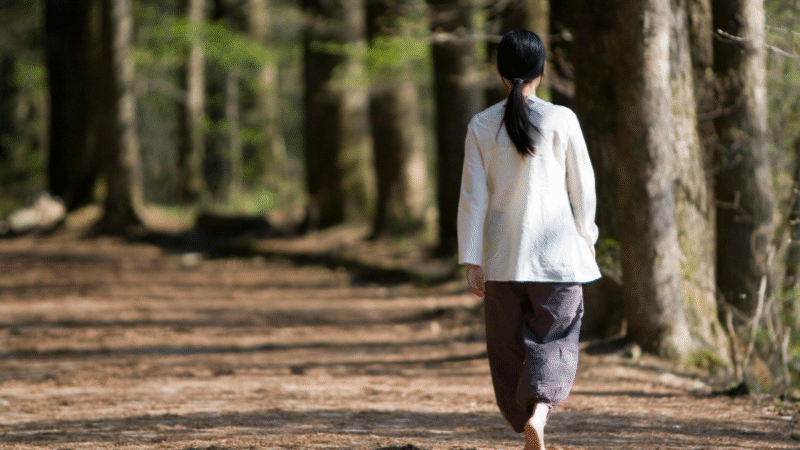
Walking meditation is a practice of bringing mindful awareness into each step. Unlike seated meditation, it weaves presence directly into movement, helping us ground into the body while navigating the world around us. Whether you’re moving through nature or pacing your hallway, each step becomes a touchpoint for clarity, stillness, and embodied peace. For anyone feeling scattered, anxious, or disconnected, this simple act of walking with attention offers a powerful return to center.
At Sounds True, we’ve spent over four decades curating and sharing the living wisdom of spiritual teachers like Eckhart Tolle, Pema Chödrön, and Tara Brach. With the world’s largest collection of transformational teachings, we’ve seen how practices rooted in presence, like walking meditation, can profoundly shift how we experience our lives.
In this piece, we’ll explore what is walking meditation, how to do walking meditation effectively, and the many walking meditation benefits. We’ll also look at how mindful walking meditation and guided walking meditation can support your journey, and point you toward supportive resources like our inner rhythm meditations to help you deepen your connection with every step.
Key Takeaways:
- Clarifying What Walking Meditation Means: Walking meditation is a mindful movement practice where each step becomes an anchor to present-moment awareness.
- Accessibility Value of Walking With Presence: Ideal for those overwhelmed by stillness, walking meditation offers an embodied path to calm, clarity, and spiritual connection.
- Find Support Resources: Tools like guided walking meditations and Sounds True’s inner rhythm meditations enrich the practice and deepen its impact.

A Gentle Path to Presence: What Is Walking Meditation?
At its core, walking meditation is the practice of bringing full awareness to the act of walking. Rather than treating it as a way to get from one place to another, walking becomes the meditation itself, each step an invitation to return to the present moment.
Unlike seated practices that focus on stillness, walking meditation is grounded in movement. You begin by standing still, noticing your breath and your body, and then slowly begin to walk with intention. Your awareness is gently directed to the sensations in your feet, the rhythm of your breath, the movement of your arms, or the sounds around you. It’s not about achieving a particular state, it’s about noticing what is, step by step.
Many people discover that mindful movement is more accessible than sitting still, especially during times of restlessness or emotional overwhelm. That’s one of the reasons why mindful walking meditation has become a foundational practice in many spiritual traditions. Whether practiced indoors or outdoors, on a retreat or during a lunch break, it opens the door to presence, peace, and connection to life as it is. And for those looking for extra structure, a guided walking meditation can offer gentle direction and a supportive rhythm to follow.
Why Choose Walking Over Sitting? Exploring Walking Meditation Benefits
While seated meditation offers stillness, walking meditation invites presence into motion. For many, this simple shift unlocks a deeper connection with the body and breath, especially during moments of restlessness or stress. Let’s explore the unique and often surprising walking meditation benefits that make this practice so powerful.
A Natural Way To Ground The Nervous System
Walking with awareness gently activates the parasympathetic nervous system, helping to ease anxiety, soften tension, and calm mental chatter. The steady rhythm of your steps becomes a regulating force, syncing body and mind. Many find that mindful walking meditation offers relief when seated meditation feels too intense or inaccessible.
Building A Bridge Between Practice And Daily Life
Unlike practices that require solitude or silence, walking meditation can be done almost anywhere. This makes it a powerful way to weave mindfulness into daily routines. Whether you’re moving through a forest trail or down a grocery aisle, each step becomes a moment of intentional presence. Over time, this consistent returning, step after step, builds resilience and spaciousness in everyday life.
Deepening Connection To The Body
Many of us live from the neck up, disconnected from the sensations of our physical form. Walking meditation brings awareness back into the body. With each step, you become attuned to how your feet touch the earth, how your breath moves through your chest, how your posture subtly shifts. Practicing this kind of embodied awareness helps cultivate self-trust, compassion, and emotional clarity.
Supportive Tools To Enrich The Practice
For those new to the practice, a guided walking meditation can be especially helpful. These offerings provide gentle cues to anchor your attention and stay present. You’ll also find resources like inner rhythm meditations, which support you in tuning into your body’s natural pace, creating harmony between breath, movement, and awareness.
Preparing The Mind And Body: How To Do Walking Meditation
One of the most beautiful things about walking meditation is its simplicity. You don’t need special equipment, a particular location, or even a long stretch of time. What you do need is the willingness to slow down, notice, and walk with intention. Let’s walk through the essentials of how to do walking meditation, step by step.
Choose a Quiet, Safe Space to Begin
While walking meditation can be done almost anywhere, starting in a quiet, low-traffic area can help you settle into the practice without distraction. This might be a garden path, a hallway, a stretch of sidewalk, or even an open room. Whether inside or outside, the key is to feel safe and unhurried in your space.
Start with Stillness and Awareness
Begin by standing still. Feel your feet on the ground. Notice your breath. Allow yourself to arrive fully into the moment. From here, bring your attention to your body, how it feels to stand, how the weight shifts slightly. This moment of pausing sets the tone for a mindful transition into movement.
Walk Slowly, With Intention
As you begin to walk, slow your pace. Let each step be deliberate, not exaggerated, but mindful. Feel the heel touch down, the sole roll forward, the toes lift off. As your body moves, let your awareness move with it. This is where the heart of mindful walking meditation begins.
Use Anchors to Stay Present
Your breath, your footsteps, the sensation of movement, these become anchors. When the mind wanders (as it will), simply return to these sensations. You can even count steps or link your breath to your stride. If you prefer guidance, a guided walking meditation can help keep your attention grounded and gently focused.
Integrate With Other Practices
Over time, you may wish to blend walking meditation with other awareness practices, like breathwork or sound-based meditations. Sounds True’s inner rhythm meditations are a valuable resource for tuning into the natural pacing of your breath and body, enriching the connection between movement and mindfulness.
Deepening Awareness Through Mindful Walking Meditation
Once the basics of walking meditation begin to feel familiar, something subtle and profound often unfolds. The practice stops being just about walking and starts becoming a way of being. This is the heart of mindful walking meditation, a deeper level of presence where attention is not just placed on the body, but gently expanded to include all of your experience.
Instead of focusing narrowly on each step, mindful walking opens the senses. You begin to notice the rhythm of your breath alongside the sound of leaves rustling, the warmth of sunlight on your skin, or the shifting weight in your spine. Thoughts may come and go, but they’re no longer in charge. You walk not to get somewhere, but to meet the moment, exactly as it is.
Many people find that mindful walking becomes a moving prayer, a wordless way of returning to the sacredness of being alive. It creates space to listen more deeply: to the body, to the environment, and to your inner voice. With continued practice, this awareness spills over into everyday movement, transforming how you show up in your relationships, routines, and even challenges.
Let The Practice Lead You: Guided Walking Meditation As A Supportive Companion
For those just beginning, or even for longtime practitioners moving through periods of distraction or overwhelm, guided walking meditation can be a gentle and supportive way to stay connected to the practice. These meditations offer verbal cues that remind you to return to your breath, body, and surroundings without needing to manage the entire experience alone.
There’s something deeply reassuring about being guided, especially when your mind feels noisy or your emotions feel heavy. A steady voice can help you release the pressure to “get it right” and simply walk, listen, and feel. Guided practices can also introduce subtle variations, like breath awareness, body scanning, or focusing on compassion, helping you discover new layers within the familiar rhythm of your steps.
Many of the world’s leading mindfulness teachers, some of whom you’ll find in the Sounds True archive, offer walking meditations that are both accessible and profound. These practices aren’t about performance; they’re about permission. Permission to pause. Permission to soften. Permission to come back.
Your Journey Forward: Inner Rhythm Meditations And More Resources
The path of walking meditation is not one of arrival, but of returning, again and again, to what’s here. And while the practice itself is simple, having reliable support can make it easier to stay rooted, especially when life feels noisy or disorienting. That’s where trusted resources can help transform your personal practice into something deeply nourishing and sustainable.
At Sounds True, we’ve spent decades creating tools to support this kind of journey. From guided walking meditation practices to audio programs that blend movement and awareness, we’ve gathered teachings that honor both the stillness and motion within spiritual life. Whether you’re just starting to explore what is walking meditation, or you’ve been walking mindfully for years, the right guidance can help you reconnect with presence when it’s needed most.
A resource many of our community members return to is our inner rhythm meditations, a series of practices designed to attune you to your body’s natural pace. When paired with walking meditation, these offerings help align your breath, movement, and awareness into a cohesive, embodied rhythm. Over time, they help cultivate not just mindfulness in the moment, but a deeper trust in your own inner timing.

Final Thoughts
In a world that often pulls us out of ourselves, walking meditation offers a return—a quiet homecoming to the body, to the breath, and to the truth of the present moment. It reminds us that awakening doesn’t always happen in stillness. Sometimes, it happens mid-step, in motion, in rhythm with the world around us.
Whether you are exploring what is walking meditation for the first time or deepening an existing practice, the invitation remains the same: walk slowly, listen deeply, and meet yourself with compassion. With each step, you have the chance to choose presence over distraction, grounding over disconnection. There is no destination—just this moment, this breath, this path beneath your feet.
At Sounds True, our mission has always been to share the teachings and tools that help you live in greater alignment with your soul. Whether through guided walking meditation, mindful walking meditation, or supportive practices like our inner rhythm meditations, we’re here to help you walk with presence, purpose, and peace.
Read More:
- From Stress Relief to Inner Growth: Exploring the Benefits of Meditation
- Mindfulness vs. Meditation: How Each Practice Transforms Your Mental Health
- Honey Tasting Meditation: Build Your Relationship with Sweetness
Frequently Asked Questions About Walking Meditation
What’s the difference between walking meditation and simply walking mindfully?
Walking meditation is a formal practice with specific intentionality and structure—such as pace, breath awareness, and focus points—while walking mindfully can be a more casual, moment-to-moment awareness applied during everyday walking.
Can walking meditation be practiced in public without feeling self-conscious?
Yes. You can walk at a natural pace and keep your awareness inward without drawing attention. Many practitioners integrate the practice subtly, blending into daily life while maintaining deep presence.
How long should a walking meditation session last?
There’s no fixed duration. Even 5–10 minutes can shift your state of mind. Some people walk for 20–30 minutes or more, especially when combining it with other mindfulness practices.
Is walking meditation suitable for people who struggle with physical stillness due to trauma or anxiety?
Absolutely. In fact, walking meditation can be more accessible than seated practices for those managing trauma, restlessness, or somatic tension, as the movement often provides a grounding effect.
Does walking meditation need to be silent?
Not necessarily. While silence helps deepen focus, ambient sounds can become part of the practice. Some practitioners use soft nature sounds or even music to anchor their awareness if it helps them stay present.
Can walking meditation be part of a larger spiritual or healing journey?
Yes. For many, walking meditation becomes a moving prayer or ritual that supports emotional healing, spiritual awakening, and a deeper connection to self and Source over time.

Michelle Cassandra Johnson is an author, activist, spiritual teacher, racial equity consultant, and intuitive healer. She is the author of six books, including Skill in Action and Finding Refuge. Amy Burtaine is a leadership coach and racial equity trainer. With Robin DiAngelo, she is the coauthor of The Facilitator’s Guide for White Affinity Groups. For more, visit https://www.michellecjohnson.com/wisdom-of-the-hive.