
Customer Favorites

What Is Somatic Movement and Why Therapists Recommend ...

Somatic movement is an invitation to shift our attention away from how the body looks from the outside, and instead tune into how it feels from within. By weaving together gentle, conscious movement with deep body awareness, this practice creates space for us to listen to our physical sensations, habitual tensions, and hidden stress responses. In a therapeutic setting, these gentle explorations become a powerful bridge—deepening our understanding of how our physical bodies and emotional landscapes are intimately, beautifully intertwined.

Sounds True has spent more than 40 years sharing spiritual wisdom and transformational teachings from respected voices in mindfulness, movement, and personal growth. The work is rooted in helping people cultivate greater awareness and presence.

This piece will discuss what somatic movement therapy is, its benefits, how it supports body-based healing, and why therapists recommend it.

Key Takeaways:

  • Body Awareness: Somatic movement centers attention on internal sensations and physical responses rather than movement performance.
  • Therapeutic Approach: Practitioners may use gentle movement, breathing, grounding, and sensory awareness as part of somatic work.
  • Mind-Body Support: Body-based practices can complement therapeutic care by helping people recognize connections among sensations, stress, and emotions.

Meet Your Sorrow with Kindness. Learn Practices for Self-Compassion with Sounds True.

What Is Somatic Movement Therapy?

What is somatic movement therapy, and how is it different from ordinary exercise? Somatic movement therapy uses intentional movement and body awareness to help people notice physical sensations and patterns. Practices may involve gentle movement, breathing, grounding, or focused attention to areas of tension.

This approach reflects the close relationship between physical experience and emotional well-being. Understanding the Mind-Body Connection Explained can provide helpful context for why bodily sensations may become an important part of therapeutic work.

How Does Somatic Movement Therapy Support the Mind-Body Connection?

Somatic practices offer a gentle invitation to pause and witness the beautiful, quiet conversation constantly happening between your thoughts, emotions, and physical body. Through this lens of kind curiosity, you might begin to notice how a moment of stress immediately tightens your jaw, how anxiety catches your breath and makes it shallow, or how a profound sense of emotional ease washes over you the moment your physical body feels fully supported and safe.

Movement can provide a gentle way to observe these responses without immediately trying to change them. Related practices such as Yoga for Mental Health can also encourage greater awareness of breathing, movement, and internal experience.

What Are the Somatic Therapy Benefits?

Somatic therapy benefits can vary according to the individual and the therapeutic approach being used. A central aim is often to strengthen awareness of bodily sensations and responses. This may help people recognize tension, stress reactions, emotional patterns, and moments when they feel more settled.

Somatic approaches may also complement other forms of mental health support by giving people another way to relate to experiences that can be difficult to express through words alone.

Awaken Something Greater Within You. Find Teachings that Speak to You With Sounds True.

How Does Somatic Movement Support Body-Based Healing?

True body-based healing honors a profound truth: our physical bodies hold the stories of our emotional lives, making them an essential doorway to deep emotional care. Somatic movement creates a sacred, non-judgmental space to meet your inner sensations with gentle curiosity. By anchoring yourself in the medicine of conscious breathing, grounding practices, and fluid, intuitive movement, you offer your nervous system a gentle pathway back to balance and safety.

Some of these methods overlap with Nervous System Regulation Techniques that support awareness of the body’s responses to stress. With practice, people may become better acquainted with signals that indicate tension, activation, rest, or ease.

Why Do Therapists Recommend Somatic Movement?

Many therapists integrate somatic movement into their work because it offers a beautiful, body-centered bridge that effortlessly complements traditional conversation and reflection. It gently illuminates the silent, physical responses that we might otherwise sleepwalk through, transforming them into sacred opportunities to practice grounding, somatic unwinding, and mindful movement.

It is important to remember that somatic movement is not a replacement for necessary medical or psychiatric care. Yet, when cradled within a safe, supportive therapeutic relationship, it becomes a deeply thoughtful way to befriend your body—allowing you to honor the sacred thread connecting your physical sensations, your emotions, and your lived experience.

Center Yourself With Meditative Teachings by Sounds True

Final Thoughts

At its heart, somatic movement is a gentle, lifelong invitation to return home to yourself. By learning to listen to the subtle vocabulary of your sensations, the rhythm of your movements, and the stories stored within your stress responses, you open the door to a deeper, more compassionate self-awareness. Whether practiced quietly in the comfort of your own living room or woven into therapeutic care, somatic movement reminds us that our bodies are not just vessels to be carried through life, but wise, living partners in our healing and awakening.

Frequently Asked Questions About Somatic Movement Therapy

Is somatic movement therapy the same as massage therapy?

No. Somatic movement involves active body awareness, while massage typically involves hands-on manipulation by a practitioner.

Do you need to be physically fit to practice somatic movement?

No. Somatic movement can often be adapted to different mobility levels and physical needs.

What happens during a somatic movement session?

A session may include gentle movements, breathing, grounding, and guided attention to physical sensations.

Do you need special equipment for somatic movement therapy?

Usually not. Some practices may use a mat, chair, cushion, or other simple supports.

Can somatic movement be practiced at home?

Yes. Many gentle somatic exercises can be practiced at home once they are learned safely.

How long is a typical somatic movement therapy session?

Session lengths vary depending on the practitioner, method, and individual needs.

How often can you practice somatic movement?

Frequency varies. Gentle practices may be used regularly, while therapist-led sessions may follow a set schedule.

What should you wear for somatic movement therapy?

Wear comfortable clothing that allows you to move freely and notice physical sensations.

How do you choose a somatic movement therapist?

Look at the practitioner’s training, credentials, experience, and approach to somatic therapy.

Is somatic movement therapy suitable for everyone?

It can be adapted for many people, but those with medical conditions, injuries, or other concerns should seek professional guidance.
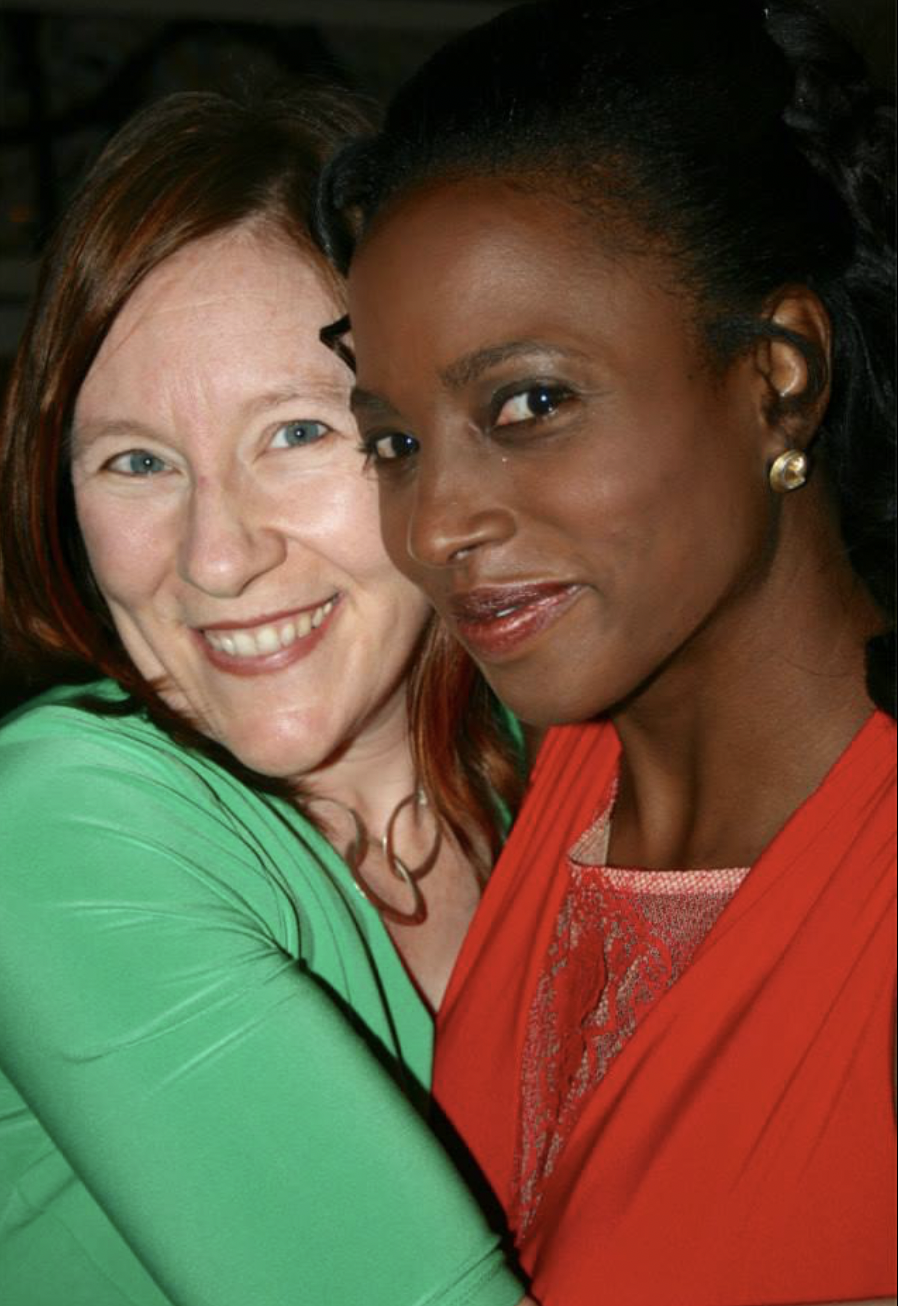
Michelle Cassandra Johnson is an author, activist, spiritual teacher, racial equity consultant, and intuitive healer. She is the author of six books, including Skill in Action and Finding Refuge. Amy Burtaine is a leadership coach and racial equity trainer. With Robin DiAngelo, she is the coauthor of The Facilitator’s Guide for White Affinity Groups. For more, visit https://www.michellecjohnson.com/wisdom-of-the-hive.

E162: The Stairway to Heaven

The steps on the stairway to heaven are not paved with temporary highs or fleeting inspirational experiences. True spirituality begins with self-honesty about your fears, insecurities, and the mental and emotional patterns that dominate your daily life. The path to liberation involves relaxing, releasing, and staying seated in witness consciousness as you pass through your daily challenges. God’s creation is not here to be complained about but to be honored for the deep inner growth your life provides you. The strength to relax in the face of inner disturbance and to act from one’s deepest truth is what raises you step by step toward the divine.

© Sounds True Inc. Episodes: © 2026 Michael A. Singer. All Rights Reserved.

Just One Question | Craig Foster: Why am I Afraid of N...


We’ve all felt it: the excitement of heading out into nature, followed almost immediately by “wow, that’s a lot of bugs” energy. Turns out, that’s not just you being an urban dweller — it’s a genuine evolutionary paradox, and this week’s guest has spent his whole career living inside it.

Craig Foster is the filmmaker and naturalist behind My Octopus Teacher, and in this episode he tackles a question Tami poses about her own experience: why can she melt into a deep, connected feeling about nature from the safety of meditation, but feel completely terrified and separate the moment she’s actually standing in a wilderness with wolves, cougars, or sharks nearby?

Craig’s answer reframes the whole thing. He explains that we’re each carrying millions of years of “wild” memory, hardwired into who we are, while our conscious, modern selves have only had a few generations to adjust to industrial life. The fix isn’t a heroic leap into the deep wild — it’s small, steady reconnection.

A few takeaways from Craig’s answer:

  • We’re designed for wildness — our discomfort with it is a mismatch, not a flaw
  • Reconnection starts small: get to know the trees, insects, and animals right around your house
  • Comfort with the wild builds faster than you’d expect — sometimes in a matter of months
  • Even one backyard animal can teach you something profound about yourself and the natural world

If this got you thinking about your own relationship with the wild, you’ll want to hear the whole conversation — Craig and Tami go even deeper into what it means to live an amphibious life, split between our tame and wild selves.

Taken from the full Insights at the Edge conversation with Craig Foster. Find the complete interview in this feed or at soundstrue.com.

This episode is sponsored by Omega Institute, a global gathering hub for lifelong learning and spiritual exploration. Omega offers weekend workshops, special events, rest and rejuvenation retreats, professional training, online learning, and more. Discover what calls to you at eomega.org/true.

Just One Question | Osho Zenju Earthlyn Manuel: How Ca...

When we heard Osho Zenju Earthlyn Manuel share her story of a terrifying night she couldn’t breathe, it was eerily similar to a personal experience—and helpful too. We knew we had to share this moment from her conversation with Tami Simon on Insights at the Edge, in which she tells the story of the night she nearly died from a severe anaphylactic reaction and how she got through it not by searching for light at the end of the tunnel, but by staying present with the darkness itself. 

Zenju, a poet and ordained Zen Buddhist priest, challenges the instinct most of us have to fear darkness, rush out of it, or wait for a gift on the other side. Instead, she describes an experience of profound non-struggle — a moment of near-death where she wasn’t afraid, didn’t fight, and somehow found a way to keep breathing by trusting her body completely.

Key themes from this episode:

  • Why darkness — and even light — may be far more unknown and unknowable than we assume
  • How struggling against a frightening experience can make it worse, while staying present with it can be transformative
  • A firsthand account of surviving a full-blown anaphylactic shock without fear
  • Rethinking our cultural instinct to rush ourselves and others out of difficult emotional or physical states
  • Why “the absence of light” might be less about despair and more about a different kind of awakening

Taken from the full Insights at the Edge conversation with Zenju Earthlyn Manuel “Opening to Darkness,” which is also the title of her book. Find the complete interview in this feed or at soundstrue.com.

This episode is sponsored by Omega Institute, a global gathering hub for lifelong learning and spiritual exploration. Omega offers weekend workshops, special events, rest and rejuvenation retreats, professional training, online learning, and more. Discover what calls to you at eomega.org/true.

Energy Medicine Yoga: How to Combine Yoga with Energy ...

Energy medicine yoga brings together movement, breath, and awareness in a way that feels both simple and supportive. Rather than focusing only on physical poses, this practice encourages us to notice how energy moves through the body. Yoga energy healing creates space for balance, helping us feel more connected, steady, and at ease over time.

At Sounds True, we have spent decades sharing transformational teachings from respected voices in spirituality and healing, preserving their wisdom in a way that can be directly experienced. Our work centers on practices that support meaningful inner growth, including approaches like energy medicine yoga that connect movement with energy awareness.

Here, we look at energy medicine yoga, how yoga energy healing works, and how teachings from Lauren Walker yoga and Donna Eden yoga can support a deeper practice.

Key Takeaways:

  • Integration: Energy medicine yoga combines movement, breath, and energy awareness to support whole-body healing
  • Accessibility: Simple techniques from yoga energy healing can be practiced daily without complex routines
  • Awareness: Developing sensitivity to energy helps deepen connection, balance, and overall well-being

Discover the Hidden Power of Daily Meditation

What Is Energy Medicine Yoga and Yoga Energy Healing?

Energy medicine yoga brings together physical movement and awareness of the body’s subtle energy systems, creating a more complete experience of healing and presence. Yoga energy healing starts with a simple understanding: the body is not only physical, but also energetic and responsive. Each posture, breath, and moment of attention influences how energy flows within us.

Rather than focusing on perfect form, this practice invites us to listen. We begin to notice where energy feels steady or depleted and how intention shapes sensation. Over time, this awareness supports a more active role in our own healing, grounded in curiosity, attention, and care.

The Foundations of Yoga Energy Healing in Energy Medicine Yoga

Energy medicine yoga is rooted in the idea that the body can restore balance when supported with awareness, movement, and breath. Yoga energy healing works with the body’s natural energy flow to encourage steadiness and ease.

Understanding Energy Pathways in Yoga Energy Healing

The body can be seen as a network of energy pathways that influence how we feel physically and emotionally. Gentle movement, breath, and touch can help support flow in these pathways, easing tension and restoring balance.

The Role of Awareness in Energy Medicine Yoga

Awareness guides the practice. By noticing sensations such as warmth, softness, or subtle shifts, we begin to understand how energy moves. This attention helps the body respond naturally and supports a deeper connection to the practice.

Lauren Walker, Yoga and the Evolution of Energy Medicine Yoga

Energy medicine yoga has been shaped by teachers who have explored how movement and energy intersect in practical and accessible ways.

The Approach of Lauren Walker

Lauren Walker’s yoga offers a clear and grounded pathway into energy medicine yoga. Her teachings emphasize simplicity and consistency, encouraging practitioners to engage with energy work in ways that feel approachable and sustainable.

Her work often focuses on short, targeted practices that address specific energetic needs. These might include techniques to support stress relief, improve focus, or restore balance. The emphasis is not on doing more, but on doing what is meaningful.

This approach allows practitioners to integrate energy medicine yoga into their lives without overwhelm. It becomes something that supports daily living rather than something separate from it.

Making Energy Medicine Yoga Accessible

A key aspect of Lauren Walker’s yoga is accessibility. The practices are designed to meet people at different stages of their journey, whether they are new to yoga or have years of experience.

This accessibility reflects a deeper intention within energy medicine yoga. It creates space for exploration without pressure. There is no single way to practice. Instead, there is an invitation to discover what resonates and to build a relationship with energy work over time.

This sense of openness supports a more inclusive and compassionate approach to healing.

Donna Eden Yoga and Its Influence on Yoga and Energy Work

The field of energy medicine yoga is also informed by foundational teachings that have helped bring energy awareness into everyday practice.

The Contributions of Donna Eden

Donna Eden yoga has played an important role in making energy medicine accessible to a wide audience. Her work focuses on practical techniques that support the body’s natural energy systems in simple and direct ways.

She is known for introducing daily energy routines that help maintain balance and vitality. These routines are often brief, yet they can have a steady and cumulative effect. They offer a way to stay connected to the body’s energy throughout the day.

Her teachings emphasize that energy work does not need to be complex to be effective. Small, consistent practices can support meaningful change.

Bridging Yoga and Energy Work

The integration of Donna Eden yoga with traditional yoga practices has created a bridge between movement and energy awareness. This connection allows practitioners to experience yoga in a more holistic way.

Rather than separating physical and energetic practices, energy medicine yoga brings them together. Movement becomes a way to engage energy. Energy awareness becomes a way to deepen movement.

This integration supports a more unified experience of the body, where different aspects of self are recognized as interconnected.

Learn How your Mind Really Works with Sounds True

How Yoga and Energy Work Support Energy Medicine Yoga Practices

Energy medicine yoga becomes especially powerful when we recognize how yoga and energy work complement one another. Together, they create a practice that is both structured and intuitive.

  • Physical movement stimulates the flow of energy, helping to reduce stagnation and support vitality
  • Breath awareness creates rhythm and steadiness, allowing energy to move with greater ease
  • Focused attention directs energy toward areas that may need support or balance
  • Gentle touch techniques activate specific energy points, enhancing awareness and connection
  • Consistent practice builds familiarity with the body’s energetic patterns over time

When these elements are combined, the practice begins to feel cohesive. Each part supports the others, creating a sense of continuity within the body.

As this integration deepens, the experience of yoga shifts. It becomes less about external form and more about internal connection. The body is no longer something we shape. It becomes something we listen to, respond to, and learn from.

Practical Energy Medicine Yoga Techniques for Energy Healing

Energy medicine yoga offers simple techniques that can easily fit into daily life. These practices rely less on time and more on focused attention.

You might combine gentle movement with breath, trace energy pathways with your hands, or hold specific points on the body to support balance. Over time, these small practices can become part of your daily rhythm, helping you stay connected and supported throughout the day.

Deepening Your Practice with Lauren Walker Yoga and Energy Work

As the practice of energy medicine yoga evolves, the teachings of Lauren Walker yoga offer guidance for deepening awareness and engagement. Her approach encourages us to remain curious, to notice subtle changes, and to trust the body’s responses.

Deepening the practice does not mean adding complexity. It often means refining attention. We begin to notice how energy shifts between movements, how breath influences sensation, and how intention shapes experience.

This level of awareness allows the practice to become more responsive. Rather than following a fixed sequence, we begin to adapt based on what we feel. This creates a sense of partnership with the body.

Energy work, in this context, becomes an exploration. It invites us to stay present with what is unfolding, rather than seeking a specific outcome.

Integrating Donna Eden Yoga and Energy Medicine Yoga into Daily Life

Energy medicine yoga becomes most meaningful when it is integrated into daily life. Drawing from Donna Eden yoga, we can begin with small, consistent practices that support balance throughout the day.

This might include a brief morning routine that awakens energy, a pause during the day to reconnect with the breath, or simple movements that help release tension. These moments do not need to be structured or formal. They can arise naturally within the flow of daily activities.

As these practices become familiar, they begin to shape how we move through the world. We may notice greater ease in our bodies, more clarity in our thoughts, and a deeper sense of connection to ourselves.

In this way, energy medicine yoga extends beyond the mat. It becomes part of how we live, how we listen, and how we care for our own well-being.

Awaken Your Inner Healing Power with Guided Practices by Sounds True

Final Thoughts

Energy medicine yoga invites a quieter, more attentive way of practicing. By bringing together yoga energy healing with the teachings of Lauren Walker and Donna Eden, we learn to work with the body rather than push against it.

Through simple awareness, breath, and movement, the practice becomes something we can return to each day. Not as a routine to perfect, but as a steady way to support balance, connection, and ongoing healing.

Frequently Asked Questions About Energy Medicine Yoga

What makes energy medicine yoga different from traditional yoga?

Energy medicine yoga includes awareness of the body’s energy systems alongside physical movement. While traditional yoga may focus on alignment and flexibility, this approach also works with energy flow, helping support emotional and mental balance.

Is energy medicine yoga suitable for beginners?

Yes, energy medicine yoga is accessible for beginners. Many practices are simple and adaptable, allowing individuals to start with small techniques and gradually build familiarity with energy awareness.

Do I need to believe in energy systems for this practice to work?

No belief system is required. Many people begin by noticing physical sensations such as warmth or relaxation. Over time, these experiences can help build a personal understanding of how the practice supports well-being.

How often should I practice energy medicine yoga?

Consistency matters more than duration. Even a few minutes each day can support balance. Regular, gentle practice tends to be more beneficial than occasional longer sessions.

Can energy medicine yoga help with stress management?

Yes, many techniques used in yoga energy healing support the nervous system. Breathwork, mindful movement, and energy awareness can help create a sense of calm and stability.

Is energy medicine yoga connected to any specific spiritual tradition?

Energy medicine yoga draws from multiple traditions but is not limited to one path. It is often practiced in a way that is open and adaptable, allowing individuals to engage with it in a way that feels meaningful to them.

What role does breath play in energy medicine yoga?

Breathing acts as a bridge between the physical body and energy systems. Conscious breathing can help regulate energy flow, support relaxation, and deepen awareness during practice.

Can I combine energy medicine yoga with other wellness practices?

Yes, it can complement other practices such as meditation, mindfulness, or physical exercise. It often enhances these practices by adding an additional layer of awareness.

How long does it take to notice results?

Some people notice shifts quickly, such as feeling more relaxed or grounded. bigger changes may develop gradually with consistent practice over time.

Do I need special training to practice energy medicine yoga?

Formal training can deepen understanding, but many techniques can be learned and practiced independently. Simple practices can be effective when approached with attention and consistency.

Michelle Cassandra Johnson is an author, activist, spiritual teacher, racial equity consultant, and intuitive healer. She is the author of six books, including Skill in Action and Finding Refuge. Amy Burtaine is a leadership coach and racial equity trainer. With Robin DiAngelo, she is the coauthor of The Facilitator’s Guide for White Affinity Groups. For more, visit https://www.michellecjohnson.com/wisdom-of-the-hive.

Judith Orloff on Achieving Emotional Freedom

What does it mean to feel at home in your own emotional life? Emotions can arrive like storms: intense, disorienting, and difficult to navigate. Judith Orloff, MD, a psychiatrist, bestselling author, and member of UCLA, has spent decades helping highly sensitive people move from reactivity toward a steadier, freer way of being in the world. Her work has reached vast audiences through CNN, the New York Times, Oprah Magazine, and speaking engagements at TEDx.

At Sounds True, we have spent more than 40 years preserving the living wisdom of teachers, healers, and visionaries committed to helping people grow in authentic, lasting ways. Dr. Orloff is one of those teachers. Her expertise in emotional freedom and intuitive psychiatry speaks directly to the hearts of those who are ready to stop absorbing the world’s stress and start building a life rooted in emotional clarity.

Here, we share Dr. Orloff’s key teachings and the practices she recommends for anyone who wants to live from a place of greater inner steadiness.

Key Takeaways:

  • What Emotional Freedom Means: Emotional freedom means learning to recognize, process, and respond to your feelings in healthy ways that support genuine growth and self-compassion.
  • Intuition Meets Clinical Expertise: Dr. Judith Orloff’s approach to intuitive psychiatry bridges traditional psychology with inner awareness, helping people tune in to the emotional and physical cues that deepen the healing process.
  • Daily Practices for Emotional Balance: From mindful self-reflection to boundary-setting, these grounded practices help reduce overwhelm and cultivate a steadier, more centered inner life.

Center Yourself With Meditative Teachings by Sounds True

Judith Orloff on Achieving Emotional Freedom

Dr. Orloff’s work on emotional freedom draws on a principle she has woven throughout her career: our emotions, our bodies, and our surroundings are all interwined. Her book Liberate Yourself from Negative Emotions and Transform Your Life offers a framework for breaking the patterns that keep us locked in stress, reactivity, and emotional exhaustion. The concepts she shares are ones we return to again and again because they speak to something universal in the human experience.

The Core Teachings Behind Emotional Freedom

Her framework centers on three interconnected principles that guide the journey inward.

The Mind-Body-Spirit Link

The physical environments we inhabit and the energy we carry have a direct impact on our emotional patterns. When we become more aware of how our spaces and the people around us affect our inner state, we gain the ability to create conditions that genuinely support our well-being. This might look like rearranging your workspace to feel less draining, choosing to spend more time in nature when anxiety spikes, or noticing how certain conversations leave you feeling depleted long after they have ended.

Transforming Negative Emotional States

Dr. Orloff teaches concrete tools for interrupting cycles of stress absorption and reactive behavior. These practices help us recognize when we are caught in anxiety, panic, or overwhelm, and give us a way to pause, breathe, and return to a more grounded state. Learning to interrupt those patterns is one of the most freeing skills a sensitive person can develop, and it begins with the simple act of awareness.

Protecting Your Energetic Boundaries

Empaths and highly sensitive people are vulnerable to taking on others’ emotional weight. Dr. Orloff calls these draining relationships “emotional vampires,” and she offers strategies for engaging with difficult people in ways that preserve your energy. Setting clear energetic limits is a profound act of self-respect.

Judith Orloff’s Perspective on Emotional Freedom

Throughout the discussion, Judith Orloff emphasizes that emotional freedom begins with self-awareness. Many people absorb stress from their surroundings without realizing its impact. Learning to identify personal emotional responses makes it easier to distinguish between feelings that originate within and emotions influenced by things we can’t control.

She also highlights the importance of self-compassion. Meeting ourselves with kindness instead of self-judgment creates the foundation for healthier relationships, clearer decision-making, and lasting emotional balance.

Dr. Orloff’s teachings on emotional freedom center on the belief that we all carry the capacity to transform our relationship with our inner experiences. Accessing that capacity requires a willingness to slow down, pay attention, and treat our emotions as valuable information worth listening to. When we meet our experiences with kindness, we create the conditions for healthier relationships, clearer choices, and a more lasting emotional balance.

The Role of Intuitive Psychiatry in Emotional Healing

Intuitive psychiatry weaves together clinical training and intuitive awareness to form a richer, more complete picture of emotional health. Dr. Orloff teaches that inner knowing works in harmony with traditional psychological methods, deepening our ability to notice the subtle emotional and physical cues that arise in our bodies and our relationships.

Dr. Orloff serves on the UCLA psychiatric clinical faculty and has practiced integrative psychiatry for decades. In her memoir Second Sight, she traces her journey of learning to honor her intuitive gifts alongside her medical training. She has since guided both patients and fellow physicians in drawing on inner wisdom as part of the healing process.

Paying close attention to your lived experience, staying grounded in compassionate reflection, and honoring what your body is communicating: these are the practical foundations of intuitive psychiatry. When we bring together the mind and the body, we open pathways toward choices that support healing.

Meet Your Sorrow with Kindness. Learn Practices for Self-Compassion with Sounds True.

How to Take Steps Toward Emotional Freedom

The conversation includes several practices that listeners can begin applying. She offers grounded tools that anyone can begin using to strengthen self-awareness, reduce overwhelm, and create more space for healing in everyday life:

  • Carve out time for quiet reflection: Setting aside even a few minutes to sit with your feelings can help you grow more aware of emotional patterns. For example, you might notice that certain situations trigger anxiety or reactivity. That awareness is the first step toward responding differently the next time around.
  • Set healthy boundaries with care and clarity: Boundaries protect emotional energy and create the conditions for relationships that genuinely nourish you. Learning to name your limits and honoring them consistently is one of the most compassionate things you can do for yourself.
  • Bring mindfulness into everyday moments: Pausing to take a few conscious breaths before responding to a stressful situation can anchor you in the present moment and reduce emotional reactivity significantly.
  • Reflect on your emotional experiences with curiosity: Self-reflection means looking at our patterns without harsh judgment. Ask yourself where a strong emotion might have come from, what it could be telling you, and whether your response aligned with your values and well-being.
  • Prioritize your emotional health without apology: Caring for yourself emotionally lays the foundation for everything else. Rest, nourishment, movement, and connection all support a nervous system that can meet life’s challenges with greater steadiness.

Awaken Something Greater Within You. Find Teachings that Speak to You With Sounds True.

Final Thoughts

The path to emotional freedom is winding, and Dr. Orloff’s wisdom reminds us that each step taken inward is worth celebrating. Learning to recognize emotional patterns, practicing self-compassion, and trusting inner wisdom takes patience and courage, and we believe those qualities live inside every person who finds their way to this work. At Sounds True, our mission has always been to preserve the living wisdom of teachers like Dr. Orloff and offer it to the people who need it most.

Frequently Asked Questions About Judith Orloff on Achieving Emotional Freedom

What is emotional freedom?

Emotional freedom is the ability to recognize, process, and express emotions in healthy ways without allowing them to control your thoughts, behaviors, or relationships.

Who can benefit from Judith Orloff’s teachings?

Anyone interested in improving emotional awareness, building healthier relationships, managing stress, or developing greater self-understanding can benefit from Judith Orloff’s insights.

How is intuitive psychiatry different from traditional psychiatry?

Traditional psychiatry primarily focuses on diagnosis and evidence-based treatment. Intuitive psychiatry also considers intuition and emotional awareness as valuable tools for understanding personal experiences.

Can emotional freedom improve relationships?

Yes. Developing emotional freedom can help people communicate more openly, establish healthier boundaries, and respond to conflict with greater empathy and self-awareness.

Why are healthy boundaries important for emotional well-being?

Healthy boundaries help protect emotional energy, encourage mutual respect, and reduce unnecessary stress in both personal and professional relationships.

Does emotional freedom mean avoiding difficult emotions?

No. Emotional freedom involves acknowledging and processing difficult emotions in a healthy way rather than ignoring or suppressing them.

Where can I learn more about Judith Orloff’s work?

You can learn more through Judith Orloff’s books, interviews, podcasts, and educational resources that focus on emotional health, intuition, and personal transformation.

Michelle Cassandra Johnson is an author, activist, spiritual teacher, racial equity consultant, and intuitive healer. She is the author of six books, including Skill in Action and Finding Refuge. Amy Burtaine is a leadership coach and racial equity trainer. With Robin DiAngelo, she is the coauthor of The Facilitator’s Guide for White Affinity Groups. For more, visit https://www.michellecjohnson.com/wisdom-of-the-hive.