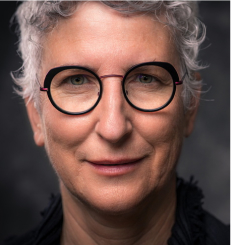
Caroline Myss: Prayer and the Reality of Evil

    —
August 30, 2011

Caroline Myss: Prayer and the Reality of Evil

Caroline Myss August 30, 2011

Tami Simon speaks with Caroline Myss, a leading voice in the fields of energy medicine and human consciousness. Caroline is the author of four New York Times bestsellers, including Anatomy of the Spirit and Sacred Contracts. Her latest audio release from Sounds True is The Power of Prayer: Guidance, Prayers, and Wisdom for Listening to the Divine, which is a training course on what Caroline calls “the ultimate tool we have for sparking our spiritual evolution.” In this episode, Tami speaks with Caroline about faith and divine intervention, who or what hears our prayers, how to work with prayer in the face of illness, and why prayer is a force that counteracts evil in the world. (51 minutes)

Caroline Myss is a five-time New York Times bestselling author and internationally renowned speaker in the fields of human consciousness, spirituality and mysticism, health, energy medicine, and the science of medical intuition. Her many groundbreaking books include Anatomy of the SpiritSacred ContractsInvisible Acts of Power, and Why People Don’t Heal and How They Can. She holds degrees in journalism, theology, intuition, and energy medicine, and in 2003 established her own educational institute: CMED (Caroline Myss Education). For more information about workshops and seminars with Caroline Myss, please visit myss.com.

Author photo © David Sutton

600 Podcasts and Counting…

Subscribe to Insights at the Edge to hear all of Tami’s interviews (transcripts available too!), featuring Eckhart Tolle, Caroline Myss, Tara Brach, Jack Kornfield, Adyashanti, and many more.

Meet Your Host: Tami Simon

Founded Sounds True in 1985 as a multimedia publishing house with a mission to disseminate spiritual wisdom. She hosts a popular weekly podcast called Insights at the Edge, where she has interviewed many of today's leading teachers. Tami lives with her wife, Julie M. Kramer, and their two spoodles, Rasberry and Bula, in Boulder, Colorado.

Photo © Jason Elias

Also By Author

Caroline Myss: From the Love of Power to the Power of ...

Few luminaries in modern times have opened the doors to the spiritual dimensions of who we are, why we are here, and how we heal and evolve more profoundly than Caroline Myss. In this podcast, Tami Simon speaks with the longtime Sounds True author and renowned medical intuitive about her new online program, The Way of Guardians and Grace, where Caroline shares for the first time an intimate account of her relationship with unseen allies and the energetic realms they opened to her. 

Listen now as the inimitable Caroline Myss tells us how these turning-point events in her life can inform your own greater path and calling. She and Tami discuss and illuminate: accessing our latent mystical intelligence; forging a partnership with the Divine; how your biography becomes your biology; life—a sacred spiritual adventure; wisdom, faith, love, and light; shifting from the love of power to the power of love; humanity’s collective shadow at this time; cultivating a high-voltage moral conscience; making grace-filled choices; what to pray for (and what not to); turning on your light in service of the world—and keeping it on; and more.

Note: This episode originally aired on Sounds True One, where these special episodes of Insights at the Edge are available to watch live on video and with exclusive access to Q&As with our guests. Learn more at join.soundstrue.com.

Caroline Myss: The Power of Holy Language

Caroline Myss is a five-time New York Times bestselling author and a leading voice in the field of human consciousness, spirituality, mysticism, energy medicine, and the science of medical intuition. A long-time friend of Tami and Sounds True, Caroline has created more than 20 audio learning programs with us. Her latest audio program is called The Power of Holy Language to Change Your Life, which is the topic of this episode of Insights at the Edge. Tami and Caroline talk about how our souls will literally starve without holy language, and how it can both transform us and our understanding of our experiences. They also discuss how prayer, outside of any religious institutions, is the ultimate form of holy language. Finally, Tami and Caroline explore how we can open ourselves to the field of light and grace that is all around us and within us at all times.

Caroline Myss: The Courage to Confront Evil

Caroline Myss is a renowned author, teacher, medical intuitive, and researcher of human consciousness. Her many works include Anatomy of the Spirit, Sacred Contracts, and Why People Don’t Heal and How They Can. A longtime collaborator with Sounds True, Caroline has recently published the audio program The Courage to Confront Evil: The Most Important Challenge of Our Time. In this episode of Insights at the Edge, Tami Simon speaks with Caroline about a subject that’s often divisive: the concept of evil and what we can do to counter it. Caroline defines evil from a number of different angles, emphasizing that it most often arrives when someone intentionally abandons their conscience. Tami and Caroline discuss the existence of both angelic and demonic forces, as well as how the inner workings of the universe are ultimately impersonal. Finally, they consider why looking evil in the face does take considerable courage—a courage we all need to muster during an era of great arrogance and inhumanity.(62 minutes)

You Might Also Enjoy

Stephen Cope on How Yoga Changes Your Brain and Emotio...

Have you ever noticed how quickly your mind reacts to stress, emotion, or even a passing thought? Many of these responses feel automatic, as if they happen before we have a chance to choose. Yoga offers another way of meeting these moments. Through breath, movement, and attention, we begin to slow down and notice what is happening within us. With practice, this awareness creates space, allowing for more clarity, steadiness, and a deeper connection to our emotional life.

At Sounds True, we have spent decades sharing the living wisdom of transformational teachers in their own authentic voice. Our work is rooted in making these teachings accessible and meaningful for everyday life. Through conversations with teachers like Stephen Cope, we bring forward insights that bridge ancient practice with modern understanding of the mind.

Here, we look at how yoga brain science shapes emotional health through Stephen Cope’s teachings on awareness, neuroplasticity, and mental well-being.

Key Takeaways:

  • Neuroplasticity in Action: Yoga brain science shows that repeated awareness and breathwork can reshape neural pathways over time.
  • Emotional Awareness: Yoga’s psychological benefits include recognizing and responding to emotions with greater clarity and steadiness.
  • Mind-Body Connection: Practices rooted in yoga and mental health strengthen the relationship between physical sensations and emotional experience.

Awaken Your Inner Healing Power with Guided Practices by Sounds True

Stephen Cope on Yoga Brain Science and Emotional Transformation

In conversation with Stephen Cope, yoga brain science is not a general idea, but something lived and felt in the body and mind. Cope draws from decades of practice to highlight a simple truth: the brain is shaped by where we place our attention. Through yoga, we begin to notice our patterns, how reactions form, and how awareness can gently shift them.

Many of us move through life on autopilot, reacting quickly to stress and emotion. Yoga invites a slower pace. It encourages us to pause, feel, and stay present. Over time, this creates space between impulse and action, allowing for new ways of responding.

This transformation is not about becoming someone else. It is about becoming more aware of our own experience. Yoga brain science helps us understand this process, but the real change happens through practice, moment by moment.

Yoga Neuroplasticity: How Practice Rewires the Brain

Yoga offers a direct experience of neuroplasticity, showing us that change is not only possible but natural. Through steady practice, the brain begins to reorganize in response to new patterns of attention and presence.

Repetition and Awareness in Yoga Neuroplasticity

In yoga, repetition is not about perfection. It is about returning. Each time we bring awareness back to the breath or body, we are strengthening pathways in the brain that support presence. These moments may seem small, yet they accumulate in meaningful ways. Over time, the familiar pull of distraction or reactivity begins to shift.

This is how yoga neuroplasticity unfolds. The brain learns from experience. When we repeatedly choose awareness, the brain adapts to that choice. Patterns of calm, clarity, and steadiness become more accessible. What once required effort begins to feel more natural.

From Conditioned Patterns to Conscious Choice

Many of our emotional habits are deeply conditioned. They arise quickly and often without conscious awareness. Yoga creates an opportunity to see these patterns more clearly. As awareness deepens, we begin to recognize the early signs of reaction. A tightening in the body, a shift in breath, a familiar thought pattern.

In that recognition, there is a pause. That pause is significant. It allows for choice. Instead of being carried forward by habit, we can respond with intention. Cope points to this as a turning point in practice. It reflects a movement toward greater freedom, supported by the brain’s inherent capacity to change.

Yoga Psychological Benefits for Emotional Awareness and Resilience

The psychological benefits of yoga are grounded in the development of awareness and the cultivation of a steady relationship with inner experience. Through practice, we begin to understand our emotions in a more direct and embodied way.

Developing Emotional Awareness Through Practice

Yoga invites us to listen closely to what is happening within. Emotions are not abstract ideas. They are felt experiences that move through the body. By paying attention to sensations, breath, and subtle shifts, we begin to recognize emotional states as they arise.

This awareness changes our relationship with emotion. Instead of being swept away, we learn to stay present. We can name what is happening without becoming overwhelmed by it. This creates a sense of clarity that supports emotional balance.

Building Resilience Through Presence

Resilience is often thought of as strength in the face of difficulty. In yoga, resilience is cultivated through presence. When discomfort arises in practice, we are invited to stay with it, to observe it without immediately trying to change it.

This builds capacity. Over time, we develop the ability to remain steady even when emotions are intense. This steadiness carries into daily life. Challenges are still present, yet our way of meeting them shifts. There is more space, more patience, and a deeper sense of grounding.

Stephen Cope on Yoga and Mental Health in Daily Life

For Stephen Cope, yoga and mental health are inseparable. Practice is not limited to a specific time or place. It is woven into the fabric of daily living.

Attention as a Tool for Mental Health

Attention shapes experience. When attention is scattered or pulled into repetitive thought patterns, the mind can feel unsettled. Yoga trains attention in a gentle and consistent way. By returning to the breath or body, we begin to anchor awareness in the present moment.

This shift has a meaningful impact on mental health. Patterns of rumination begin to soften. The mind becomes less caught in loops of worry or self-judgment. There is a growing sense of stability that comes from being present with what is here.

Integrating Practice Into Daily Living

Integration is at the heart of yoga. The insights gained in practice are meant to be lived. This can be as simple as pausing before responding in a conversation or noticing the breath during a moment of stress.

These small moments matter. They reinforce the same patterns of awareness cultivated during practice. Over time, yoga becomes less about doing and more about being. Mental health is supported not through isolated efforts, but through a continuous relationship with awareness.

Discover the Hidden Power of Daily Meditation

How Yoga Brain Science Supports Mental Health and Well-Being

Yoga brain science offers a grounded understanding of how practice supports well-being on multiple levels. It reflects the connection between body, mind, and attention, showing how each influences the other.

  • Yoga supports the regulation of the nervous system by encouraging slower, more conscious breathing
  • It brings awareness to habitual thought patterns, allowing for a different relationship with them
  • It creates space for emotional processing by inviting presence rather than avoidance
  • It strengthens the capacity for focused attention, which supports clarity and stability
  • It deepens the connection between body and mind, helping us recognize early signals of stress

These elements work together to support mental health in a way that feels both practical and accessible. As practice continues, many people notice a shift toward greater balance. There is a growing sense of ease in how emotions are experienced and expressed.

This is not about removing difficulty from life. It is about developing the capacity to meet life as it unfolds. Yoga brain science helps us understand how this capacity is built through consistent, mindful engagement with our inner world.

Exploring Yoga Neuroplasticity and Long-Term Habit Change

Habit change is often seen as effort-driven, but yoga offers another approach. Through yoga neuroplasticity, habits are shaped and reshaped by attention and repetition.

Each moment of awareness, whether noticing the breath or a reactive thought, supports new patterns. These small shifts build over time, creating lasting change.

As practice continues, old habits loosen, and the mind becomes more flexible, allowing for greater freedom in how we respond.

The Psychological Benefits of Yoga for Stress and Emotional Balance

Stress is part of life, but yoga can change how we relate to it. By grounding attention in the body and breath, we create an anchor that helps us stay steady during intense or uncertain moments.

Instead of reacting automatically, we learn to remain present. This builds a sense of balance where emotions can move without overwhelming us. Over time, this steadiness becomes more natural, rooted in a deeper connection to awareness.

Integrating Yoga and Mental Health Practices Through Stephen Cope’s Teachings

Through the teachings of Stephen Cope, yoga and mental health become a lived practice grounded in both tradition and modern insight. He encourages approaching experience with curiosity rather than judgment, creating space for meaningful change.

Through attention, breath, and presence, yoga offers tools to meet ourselves more fully and support greater clarity, connection, and emotional well-being.

Learn How your Mind Really Works with Sounds True

Final Thoughts

Yoga brain science reminds us that meaningful change begins with awareness. Through the teachings of Stephen Cope, we see how steady practice can reshape the way we meet our thoughts, emotions, and daily experiences. At Sounds True, we hold this work as a living process, one that invites patience, presence, and a deeper relationship with ourselves over time.

Frequently Asked Questions About Yoga, Brain Science, and Emotional Health

What is yoga brain science in simple terms?

Yoga brain science refers to how yoga practices like breathing, movement, and meditation influence brain function. It explains how consistent practice can shape attention, emotional patterns, and overall mental well-being.

How long does it take for yoga to affect the brain?

Changes can begin with a single session, especially in stress reduction. However, lasting shifts in brain patterns and emotional responses typically develop through consistent practice over weeks or months.

Can yoga replace therapy for mental health concerns?

Yoga can support mental health, but it is not a replacement for therapy. It works well alongside professional care by helping individuals build awareness, regulate emotions, and stay grounded.

Is yoga effective for anxiety and overthinking?

Yes, many people find yoga helpful for anxiety. Practices that focus on breath and body awareness can calm the nervous system and reduce cycles of overthinking.

Do you need physical flexibility to gain mental benefits from yoga?

No. The mental and emotional benefits of yoga come from awareness and attention, not physical ability. Anyone can experience these benefits regardless of flexibility.

What type of yoga is best for brain and emotional health?

Slower, mindful practices such as Hatha, restorative, or gentle flow yoga tend to support emotional regulation and awareness. The key factor is consistency and presence, not intensity.

How does breathing in yoga affect the brain?

Breathing practices influence the nervous system by signaling safety to the body. Slow, steady breathing can reduce stress responses and support clearer thinking.

Can yoga help with emotional burnout?

Yoga can help individuals reconnect with their body and internal state, which is often disconnected during burnout. This reconnection supports recovery and emotional balance over time.

Is meditation necessary to experience yoga’s brain benefits?

Meditation can deepen the effects, but it is not required. Many of the benefits come from mindful movement and breath awareness practiced during yoga itself.

How often should someone practice yoga for mental health support?

Even a few minutes daily can be helpful. Regular, consistent practice tends to be more beneficial than occasional longer sessions.

Michelle Cassandra Johnson is an author, activist, spiritual teacher, racial equity consultant, and intuitive healer. She is the author of six books, including Skill in Action and Finding Refuge. Amy Burtaine is a leadership coach and racial equity trainer. With Robin DiAngelo, she is the coauthor of The Facilitator's Guide for White Affinity Groups. For more, visit https://www.michellecjohnson.com/wisdom-of-the-hive.

Richard Schwartz on IFS: Why There Are No Bad Parts In...

Many people experience moments of inner conflict. One part may want to take action, while another feels cautious or protective. Internal Family Systems offers a way to understand these experiences by recognizing that the mind is made up of different parts, each shaped by life experiences and emotional needs.

At Sounds True, we are dedicated to sharing transformational teachings from leading spiritual teachers in their authentic voices. Through our books, audio programs, and podcasts, we help bring wisdom from teachers such as Richard Schwartz to people seeking deeper self-understanding and personal growth.

Here, we discuss Richard Schwartz’s perspective on Internal Family Systems and the idea that there are no bad parts within us.

Key Takeaways:

  • The Core Idea of IFS: Internal Family Systems explains the mind as a system of inner parts that influence thoughts, emotions, and behaviors.
  • The Meaning of No Bad Parts: Richard Schwartz teaches that every part develops for a reason and often serves a protective role within a person’s inner system.
  • The Purpose of Parts Work Therapy: IFS therapy helps people build awareness and compassion toward their inner parts, supporting emotional healing and self-understanding.

Learn How your Mind Really Works with Sounds True

What Is Internal Family Systems and How Does It Work

Internal Family Systems is a therapeutic model developed by Richard Schwartz that views the mind as made up of different inner parts, each with its own perspective, emotions, and intentions. Instead of seeing these parts as problems, IFS therapy understands them as meaningful aspects of our inner world that developed to help us navigate life. Many people recognize this experience in moments of inner conflict, when one part of them wants to move forward while another part feels afraid or hesitant. In parts work therapy, these inner dynamics are approached with curiosity and compassion. By learning to listen to and understand these parts, people can begin to relate to themselves with greater awareness and balance.

Richard Schwartz and the Origins of Internal Family Systems

Internal Family Systems grew out of the work of family therapist Richard Schwartz. While listening to clients describe their inner struggles, he noticed that many spoke about different parts of themselves with distinct voices and roles.

How Richard Schwartz Developed IFS Therapy

During his clinical work in the 1980s, Schwartz began inviting clients to speak directly with these inner parts. He observed that the parts often had clear intentions and were trying to help in some way. This insight became the foundation of IFS therapy.

The Insight Behind “No Bad Parts”

Over time, Schwartz realized that even the most difficult reactions were protective in nature. This understanding led to the core idea in Internal Family Systems that there are no bad parts, only parts that need understanding and care.

The Core Idea Behind IFS Therapy and Inner Parts

Internal Family Systems teaches that the mind contains different parts, each shaped by life experiences. IFS therapy views these parts as meaningful aspects of the inner system that try to help a person cope, protect themselves, or manage emotional pain.

How Inner Parts Form in IFS Therapy

In parts work therapy, inner parts often develop during difficult or overwhelming experiences. These parts adopt roles that help a person handle stress, avoid pain, or maintain stability.

The Role of the Self in Internal Family Systems

IFS also describes a core presence called the Self. When people connect with the Self, they can approach their parts with calmness and compassion, allowing the inner system to move toward greater balance.

Why Richard Schwartz Says There Are No Bad Parts

Richard Schwartz teaches that many reactions we judge harshly are actually parts trying to protect us. In Internal Family Systems, these behaviors are understood as strategies that formed in response to difficult experiences. The idea of “no bad parts” invites people to look at their inner world with curiosity rather than criticism.

Why Protective Parts Form

Protective parts develop to help manage emotional pain or prevent past wounds from being triggered again. They step in to keep the person safe, even if their methods later create tension.

Seeing Difficult Reactions Through the Lens of IFS Therapy

IFS therapy encourages people to understand the intention behind their reactions. When parts are approached with compassion, it becomes easier to build trust within the inner system and support healing.

Awaken Your Inner Healing Power with Guided Practices by Sounds True

Understanding the Roles of Parts in Parts Work Therapy

In Internal Family Systems, parts are often grouped into different roles based on how they try to protect a person’s emotional system. Richard Schwartz observed that these roles help explain why certain thoughts, reactions, and behaviors appear in stressful situations. In parts work therapy, recognizing these roles helps people understand how their inner system has been working to keep them safe.

Common Roles in Internal Family Systems

  • Managers Managers try to keep life organized and under control. These parts often focus on planning, perfectionism, or staying responsible so that painful emotions do not surface.
  • Firefighters Firefighters react quickly when emotional pain breaks through. They try to stop overwhelming feelings by distracting, numbing, or pushing their minds away from distress.
  • Exiles Exiles carry deeper emotional wounds, often connected to past hurt, rejection, or shame. Because these feelings can be intense, other parts work hard to keep them hidden or protected.

In IFS therapy, these roles are not viewed as problems. Each part was developed to help the system survive difficult experiences. As people begin to understand these roles with curiosity and compassion, they can start building a healthier relationship with every part of their inner world.

Understanding the Roles of Parts in Parts Work Therapy

In Internal Family Systems, parts take on different roles to protect a person from emotional pain. Richard Schwartz identified three common roles in IFS therapy: managers, firefighters, and exiles.

Managers try to keep life organized and controlled, often pushing people to perform well or avoid situations that may trigger painful emotions. Firefighters respond when distress surfaces and attempt to quickly reduce emotional intensity through distraction or other coping behaviors. Exiles carry deeper emotional wounds, such as shame, fear, or sadness that formed during difficult experiences.

In parts work therapy, healing begins when people approach these parts with curiosity and compassion, allowing the inner system to gradually move toward balance.

How IFS Therapy Helps You Build a Relationship With Your Parts

IFS therapy teaches people to relate to their inner parts with curiosity rather than judgment. Instead of trying to control or silence difficult reactions, Internal Family Systems encourages listening to what each part is trying to communicate.

Through this process, people begin to recognize the concerns and intentions behind their parts. As trust develops within the inner system, protective parts can relax and allow deeper healing to take place. This relationship between the Self and the parts is a central element of growth in parts work therapy.

Healing Through Internal Family Systems and the “No Bad Parts” Principle

A key teaching in Internal Family Systems is the understanding that every part has a positive intention. Richard Schwartz describes this idea as the principle of “no bad parts.” In IFS therapy, even reactions that seem unhelpful are viewed as protective strategies that developed in response to pain or stress.

By approaching these parts with compassion instead of criticism, people can begin to understand their purpose. As trust grows within the inner system, these parts often relax their roles, creating space for healing and greater inner balance.

Why Parts Work Therapy Is Transforming Modern Psychology

Parts work therapy has gained widespread attention because it offers a compassionate way to understand inner conflict. Instead of viewing difficult emotions as problems to eliminate, Internal Family Systems helps people recognize the protective roles behind their reactions. Through the teachings of Richard Schwartz and the principle of “no bad parts,” many individuals are finding a more respectful and healing relationship with their inner world. This approach continues to influence therapists, researchers, and people seeking deeper self-understanding.

Discover the Hidden Power of Daily Meditation

Final Thoughts

Internal Family Systems offers a compassionate way to understand our inner world. Through the work of Richard Schwartz and the practice of IFS therapy, many people are learning that the thoughts and reactions they struggle with are parts that formed to protect them. The principle of “no bad parts” invites a shift from self-judgment to curiosity and care. As people begin to listen to their inner system with respect, parts work therapy can open the door to deeper healing and a more balanced relationship with themselves.

Frequently Asked Questions About Internal Family Systems

What is the main goal of Internal Family Systems therapy?

The main goal of Internal Family Systems is to help individuals develop a healthier relationship with their inner parts. IFS therapy encourages people to approach their thoughts and emotions with curiosity so they can better understand the intentions behind them and create more balance within their internal system.

Who created Internal Family Systems?

Internal Family Systems was developed by Richard Schwartz, a family therapist who began noticing that clients often described their inner experiences as different parts interacting with one another. His observations led to the development of IFS therapy as a structured approach to understanding and healing these inner dynamics.

How is IFS therapy different from traditional talk therapy?

IFS therapy focuses on direct communication with inner parts rather than only discussing experiences at a surface level. This approach helps people understand the roles their parts play and encourages internal dialogue that can lead to deeper emotional insight and healing.

What does the phrase “no bad parts” mean in Internal Family Systems?

The phrase “no bad parts” reflects the belief that every part of the mind developed for a reason. Even parts that lead to difficult behaviors are often trying to protect a person from emotional pain or past experiences.

Can Internal Family Systems be practiced outside of therapy?

Many people apply principles of Internal Family Systems in their daily lives by paying attention to their thoughts and emotional reactions. While professional guidance can be helpful, practicing awareness and curiosity about inner parts can support personal reflection and growth.

Is Internal Family Systems useful for personal development?

Yes. Beyond clinical therapy, Internal Family Systems is widely used for personal growth. The model helps people understand their emotional patterns, strengthen self-awareness, and develop a more compassionate relationship with themselves.

Why do people experience internal conflict, according to IFS?

In IFS, internal conflict happens when different parts of the mind have competing goals or fears. One part may want safety and stability, while another may seek change or expression. Understanding these differences can help people respond to conflict with greater clarity.

Is Internal Family Systems supported by modern psychology?

Internal Family Systems has gained increasing recognition among therapists and mental health professionals. Many practitioners integrate parts work therapy into their practice because it provides a structured way to understand complex emotional patterns.

What role does self-awareness play in IFS therapy?

Self-awareness allows people to notice when different parts are active. By observing these inner reactions without immediate judgment, individuals can begin to understand the needs and motivations of their parts more clearly.

Who can benefit from Internal Family Systems therapy?

IFS therapy can benefit a wide range of people, including those interested in emotional healing, mindfulness, and personal insight. It is often helpful for individuals who want to better understand their inner experiences and build a more compassionate relationship with themselves.

Michelle Cassandra Johnson is an author, activist, spiritual teacher, racial equity consultant, and intuitive healer. She is the author of six books, including Skill in Action and Finding Refuge. Amy Burtaine is a leadership coach and racial equity trainer. With Robin DiAngelo, she is the coauthor of The Facilitator's Guide for White Affinity Groups. For more, visit https://www.michellecjohnson.com/wisdom-of-the-hive.

Resmaa Menakem on Somatic Abolitionism: Healing Racial...

Healing racial trauma is often approached through conversation and reflection, yet many responses live deeper than words. The body carries patterns shaped by lived experience and inherited stress, influencing how we react, connect, and feel safe. Somatic abolitionism brings attention to this embodied layer, inviting a different kind of awareness rooted in sensation and presence.

At Sounds True, we have spent decades sharing living wisdom from teachers whose work speaks directly to real human experience. Our mission is to make these teachings accessible and grounded, offering guidance that supports meaningful transformation in everyday life. The embodied approach of Resmaa Menakem reflects this commitment to depth, clarity, and care.

Here, we look at how somatic abolitionism helps us understand and heal racial trauma in the body, and how these practices can be integrated into daily life.

Key Takeaways:

  • Body Awareness: Healing racial trauma begins by recognizing how the body stores and expresses stress responses shaped by lived and inherited experiences.
  • Capacity Building: Developing nervous system resilience allows individuals to stay present in difficult conversations and reduce reactive patterns.
  • Embodied Healing: Somatic abolitionism supports lasting change by engaging the body directly, not just through intellectual understanding.

Awaken Your Inner Healing Power with Guided Practices by Sounds True

Resmaa Menakem and the Foundations of Somatic Abolitionism

What if healing racial trauma is not only something we think through, but something we experience in the body? At Sounds True, we share teachings that honor lived wisdom, and the work of Resmaa Menakem reflects this deeply. His approach invites us to move beyond analysis and into the body’s intelligence.

Somatic abolitionism recognizes that the body carries the imprint of history and survival. These patterns shape how we respond to stress and connection. Many of our reactions are not just personal, but shaped by generations held in the nervous system.

This work invites us to slow down and notice what arises. Sensations like tension, breath, and impulse offer insight. Instead of overriding them, we stay with them gently.

Healing here is not about perfection. It is about building a new relationship with the body, creating space to respond with awareness rather than react automatically.

Understanding Racial Trauma Body and Its Lasting Impact

Racial trauma lives in the body through patterns of stress and response shaped over time. These patterns influence how we experience safety, connection, and threat, often without conscious awareness. Understanding the racial trauma body helps us see these responses as learned adaptations rather than personal flaws.

How the Racial Trauma Body Forms

The racial trauma body develops through repeated experiences of stress, both lived and inherited. The nervous system adapts to protect itself, creating patterns like hypervigilance or disconnection. Over time, these responses become automatic, shaping everyday behavior and perception.

Why the Body Remembers What the Mind Forgets

The body stores memory through sensation rather than story. Even without a clear recall, it reacts to familiar patterns of stress. By noticing these sensations with awareness, we begin to understand and gently shift how the body responds.

What Somatic Abolitionism Teaches About Healing

Somatic abolitionism teaches that healing happens through the body, not just through understanding. It focuses on how the nervous system responds to stress and invites us to build awareness and regulation over time. This approach supports lasting change by working with lived experience rather than relying on insight alone.

Moving Beyond Cognitive Understanding

Knowing about trauma is different from feeling safe in the body. Somatic abolitionism encourages us to notice physical responses like tension or breath and work with them directly, creating space for more intentional reactions. Over time, this awareness helps shift automatic patterns into more grounded responses.

Building Capacity for Discomfort and Growth

Healing involves increasing the body’s ability to stay present during discomfort. By gradually building this capacity, we become less reactive and more able to engage with challenging experiences in a grounded way. This creates resilience that supports deeper connection and sustained personal growth.

My Grandmother’s Hands and Intergenerational Trauma

In My Grandmother’s Hands, Menakem brings attention to the ways trauma is carried across generations. The phrase my grandmother’s hands evokes the lineage of experience that lives within each of us.

The Legacy Carried Through My Grandmother’s Hands

Our bodies carry stories that began long before we were born. The experiences of our ancestors shape how we respond to stress, connection, and belonging. These patterns are often unconscious, yet they influence our daily lives.

Menakem encourages us to recognize this inheritance with compassion. It is not about assigning blame. It is about understanding the context in which these patterns developed. This awareness allows us to meet ourselves and others with greater empathy.

Interrupting the Cycle of Inherited Trauma

While trauma can be passed down, so can healing. Each moment of awareness creates an opportunity to shift long-held patterns. By engaging in somatic practices, we begin to offer the body new experiences of safety and regulation.

These small changes ripple outward. As individuals develop greater capacity, they contribute to a broader field of healing within families and communities. The cycle begins to shift, not through force, but through consistent, embodied presence.

Discover the Hidden Power of Daily Meditation

The Body as a Vessel for Racial Trauma Body and Repair

The body holds both the weight of trauma and the possibility of healing. Learning to listen to its signals is an essential part of this work.

  • The body communicates through sensation, offering cues about safety and threat
  • Patterns of tension reveal how past experiences are still being held
  • Gentle awareness allows these patterns to shift over time
  • Grounding practices support the nervous system in finding balance
  • Connection with others helps regulate and restore a sense of safety

As we deepen our relationship with the body, repair becomes something we experience directly. It unfolds gradually, through attention, patience, and care. This process invites us to trust the body’s capacity to move toward healing.

Somatic Healing Race: Practices for Regulation and Resilience

Somatic healing race is rooted in simple, consistent practices that support the nervous system. These practices invite us to slow down and notice what is present in the body. A hand placed on the chest, a moment of feeling the feet on the ground, or a conscious breath can begin to shift our state.

These moments may seem small, yet they build over time. The body learns that it can move from activation to regulation without shutting down. This creates a foundation for resilience. Instead of being carried by automatic reactions, we begin to experience choice.

Menakem reminds us that this work is ongoing. It is not about reaching a final state, but about continuing to return to the body with curiosity and care. Through this process, we develop a deeper sense of presence that supports both personal and collective healing.

How Somatic Abolitionism Supports Collective Healing

Somatic abolitionism recognizes that healing does not happen in isolation. Our nervous systems are deeply connected, and the state of one body can influence others. When individuals cultivate regulation, they contribute to a shared sense of safety.

This has important implications for communities. Conversations that might otherwise escalate can unfold with greater presence and understanding. People are more able to listen, to pause, and to respond with intention.

Collective healing is not a single event. It is a continuous process that requires commitment and care. As more individuals engage in somatic work, the potential for meaningful change expands. New patterns of interaction begin to take shape, grounded in awareness and connection.

Integrating Somatic Healing Race into Everyday Life

Integration happens through repetition and attention. Somatic healing race becomes part of daily life when we begin to notice the body in ordinary moments. Standing in line, sitting in conversation, or moving through a busy day all offer opportunities to return to sensation.

This practice does not require extra time or special conditions. It asks only for a willingness to pause and notice. Over time, these pauses become more natural. The body becomes a steady point of reference, offering guidance in moments of stress and ease alike.

At Sounds True, we believe that this kind of embodied awareness supports a deeper connection to ourselves and to one another. It allows teachings like somatic abolitionism to move beyond concept and into lived experience, where real transformation can unfold.

Learn How your Mind Really Works with Sounds True

Final Thoughts

Healing racial trauma asks us to move beyond ideas and into direct experience. Through somatic abolitionism, Resmaa Menakem reminds us that the body holds both the imprint of harm and the capacity for repair. As we learn to listen, stay present, and build capacity, we begin to shift patterns that have lived within us for generations. This work unfolds one moment at a time, grounded in awareness, care, and a willingness to return to the body.

Frequently Asked Questions About Resmaa Menakem and Somatic Abolitionism

Who is Resmaa Menakem, and why is his work important?

Resmaa Menakem is a therapist and trauma specialist who focuses on how racialized experiences are stored in the body. His work is important because it brings attention to the physical dimension of trauma, offering a path that complements traditional psychological and social approaches.

What makes somatic abolitionism different from traditional activism?

Somatic abolitionism emphasizes internal regulation and embodied awareness alongside external action. It recognizes that sustainable change requires individuals to work with their nervous systems, not just their beliefs or behaviors.

Is somatic abolitionism only relevant for certain racial groups?

No, this work is for all bodies. While experiences differ across racial identities, everyone carries patterns shaped by history and culture. Somatic abolitionism invites each person to engage with their own embodied experience.

Can somatic practices replace therapy or counseling?

Somatic practices can support healing, but they are not a replacement for professional care when it is needed. They are best understood as complementary tools that deepen awareness and regulation.

How long does it take to see results from somatic healing practices?

The timeline varies for each person. Some may notice small shifts quickly, while deeper patterns may take time to change. Consistency and patience are key elements of this work.

Do I need prior experience with mindfulness to begin somatic work?

No prior experience is required. Somatic work often begins with very simple awareness practices that are accessible to anyone, regardless of background.

What challenges might arise when starting somatic abolitionism?

People may encounter discomfort as they begin to notice sensations that were previously ignored. This is a natural part of the process and can be approached gradually with care and support.

How does community support enhance somatic healing?

Being in regulated, supportive environments helps the nervous system feel safe. This shared sense of safety can deepen individual healing and strengthen relational connections.

Are there specific environments that support somatic healing more effectively?

Quiet, safe, and grounded environments can help, but somatic awareness can also be practiced in everyday settings. The key factor is the ability to bring attention to the body without overwhelm.

How can someone stay consistent with somatic practices?

Consistency grows through simplicity. Choosing small, repeatable practices and integrating them into daily routines makes it easier to maintain them over time.

Michelle Cassandra Johnson is an author, activist, spiritual teacher, racial equity consultant, and intuitive healer. She is the author of six books, including Skill in Action and Finding Refuge. Amy Burtaine is a leadership coach and racial equity trainer. With Robin DiAngelo, she is the coauthor of The Facilitator's Guide for White Affinity Groups. For more, visit https://www.michellecjohnson.com/wisdom-of-the-hive.

>
Share via
Copy link
Powered by Social Snap