Caroline Myss: The Shadow Course, Part 2

    —
August 15, 2017

Caroline Myss: The Shadow Course, Part 2

Caroline Myss August 15, 2017

Caroline Myss is a bestselling author, medical intuitive, and leading voice in the fields of energy medicine, human potential, and spiritual exploration. Together with author Andrew Harvey, Caroline has partnered with Sounds True to create The Shadow Course: An Eight-Week Journey to Know Yourself and Bring Light to the World. In this episode of Insights at the Edge, Tami Simon speaks with Caroline about this upcoming online course and how it guides participants in a deep exploration of the aspects of themselves that they have disowned or denied. They discuss the ways that Shadow issues such as greed, entitlement, envy, and self-absorption show up in everyday life and can even manifest as symptoms of physical illness. Finally, Caroline explains how bringing awareness to our personal Shadows is the first step in initiating deeply needed social changes for our world. (72 minutes)

Caroline Myss is a five-time New York Times bestselling author and internationally renowned speaker in the fields of human consciousness, spirituality and mysticism, health, energy medicine, and the science of medical intuition. Her many groundbreaking books include Anatomy of the SpiritSacred ContractsInvisible Acts of Power, and Why People Don’t Heal and How They Can. She holds degrees in journalism, theology, intuition, and energy medicine, and in 2003 established her own educational institute: CMED (Caroline Myss Education). For more information about workshops and seminars with Caroline Myss, please visit myss.com.

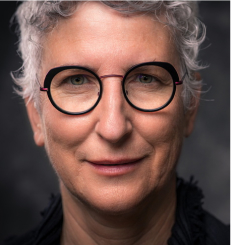
Author photo © David Sutton

600 Podcasts and Counting…

Subscribe to Insights at the Edge to hear all of Tami’s interviews (transcripts available too!), featuring Eckhart Tolle, Caroline Myss, Tara Brach, Jack Kornfield, Adyashanti, and many more.

Meet Your Host: Tami Simon

Founded Sounds True in 1985 as a multimedia publishing house with a mission to disseminate spiritual wisdom. She hosts a popular weekly podcast called Insights at the Edge, where she has interviewed many of today's leading teachers. Tami lives with her wife, Julie M. Kramer, and their two spoodles, Rasberry and Bula, in Boulder, Colorado.

Photo © Jason Elias

Also By Author

Caroline Myss: From the Love of Power to the Power of ...

Few luminaries in modern times have opened the doors to the spiritual dimensions of who we are, why we are here, and how we heal and evolve more profoundly than Caroline Myss. In this podcast, Tami Simon speaks with the longtime Sounds True author and renowned medical intuitive about her new online program, The Way of Guardians and Grace, where Caroline shares for the first time an intimate account of her relationship with unseen allies and the energetic realms they opened to her. 

Listen now as the inimitable Caroline Myss tells us how these turning-point events in her life can inform your own greater path and calling. She and Tami discuss and illuminate: accessing our latent mystical intelligence; forging a partnership with the Divine; how your biography becomes your biology; life—a sacred spiritual adventure; wisdom, faith, love, and light; shifting from the love of power to the power of love; humanity’s collective shadow at this time; cultivating a high-voltage moral conscience; making grace-filled choices; what to pray for (and what not to); turning on your light in service of the world—and keeping it on; and more.

Note: This episode originally aired on Sounds True One, where these special episodes of Insights at the Edge are available to watch live on video and with exclusive access to Q&As with our guests. Learn more at join.soundstrue.com.

Caroline Myss: The Power of Holy Language

Caroline Myss is a five-time New York Times bestselling author and a leading voice in the field of human consciousness, spirituality, mysticism, energy medicine, and the science of medical intuition. A long-time friend of Tami and Sounds True, Caroline has created more than 20 audio learning programs with us. Her latest audio program is called The Power of Holy Language to Change Your Life, which is the topic of this episode of Insights at the Edge. Tami and Caroline talk about how our souls will literally starve without holy language, and how it can both transform us and our understanding of our experiences. They also discuss how prayer, outside of any religious institutions, is the ultimate form of holy language. Finally, Tami and Caroline explore how we can open ourselves to the field of light and grace that is all around us and within us at all times.

Caroline Myss: The Courage to Confront Evil

Caroline Myss is a renowned author, teacher, medical intuitive, and researcher of human consciousness. Her many works include Anatomy of the Spirit, Sacred Contracts, and Why People Don’t Heal and How They Can. A longtime collaborator with Sounds True, Caroline has recently published the audio program The Courage to Confront Evil: The Most Important Challenge of Our Time. In this episode of Insights at the Edge, Tami Simon speaks with Caroline about a subject that’s often divisive: the concept of evil and what we can do to counter it. Caroline defines evil from a number of different angles, emphasizing that it most often arrives when someone intentionally abandons their conscience. Tami and Caroline discuss the existence of both angelic and demonic forces, as well as how the inner workings of the universe are ultimately impersonal. Finally, they consider why looking evil in the face does take considerable courage—a courage we all need to muster during an era of great arrogance and inhumanity.(62 minutes)

You Might Also Enjoy

Banafsheh Sayyad: Being 100 Percent Present and 100 Pe...

Can the body become a doorway to the divine—not by transcending it, but by fully inhabiting it?

This week, Tami Simon speaks with Banafsheh Sayyad—master Iranian sacred dancer, choreographer, transformational teacher, and founder of Dance of Oneness—about her new Sounds True book, Dance of Oneness: Embody Love and Luminosity to Transform Your Life. A trailblazing innovator of Sufi dance forms previously performed only by men, Banafsheh draws from flamenco, Persian dance, Tai Chi, Sufi whirling, and her background in Chinese medicine to guide practitioners into deeper embodiment, healing, and spiritual presence.

Join Tami and Banafsheh to explore:

  • The Dance of Oneness modality—its three interwoven streams of movement, wisdom teachings, and energy healing
  • What it means to be “100 percent present and 100 percent fully gone”—and why both are essential
  • Whirling as a portal: the trance state it opens, the stillness it reveals, and what it means to be danced rather than to dance
  • The ascending and descending currents of energy in the body—and their marriage at the heart
  • How flamenco gave Banafsheh a form for grief, anger, and sovereign feminine power after leaving Iran
  • The three layers of the heart—and how movement can break through armoring to restore openness
  • Discipline as the foundation of surrender: why a sturdy chalice is what allows you to receive
  • A guided embodiment practice you can do right now

Whether you’re a seasoned movement practitioner or have never considered dance as a spiritual path, this interview is an invitation to come home to the body—and discover what can move through you when you do.

Listen now and begin dancing toward oneness. →

This conversation offers genuine transmission—not just concepts about awakening, but the palpable presence of realized teachers exploring the growing edge of spiritual understanding together. Originally aired on Sounds True One.

Sandra Ingerman on Shamanic Healing: Working with Spir...

Shamanic healing isn’t reserved for a select few or for the distant past. It’s a living, breathing practice that continues to offer guidance in how we heal, relate, and show up both for ourselves and for the world around us. More people are turning inward, seeking tools that reconnect them to their inner wisdom and to something greater than themselves. Working with spiritual light, as Sandra Ingerman teaches, offers one of the most direct and compassionate ways to begin that process. It’s not about fixing what’s wrong. It’s about remembering what’s whole.

At Sounds True, we’ve spent decades bringing forward wisdom that honors the whole human experience, mind, body, and spirit. Sandra Ingerman’s teachings have been part of that journey for many years. Her grounded, heart-led approach to shamanism offers not only insight but real transformation, and we’re honored to make her work available to those ready to step into their own spiritual path.

In this piece, we’ll be discussing Sandra Ingerman’s approach to shamanic healing, the role of spiritual light, and how these practices can help us reconnect, remember, and radiate healing in a modern world.

Key Takeaways:

  • Spiritual Light Healing: Sandra teaches that we already carry healing light within us, the practice is about remembering and radiating it.
  • Modern Shamanism: Her approach blends timeless wisdom with grounded tools suitable for daily life without cultural appropriation.
  • Collective Transformation: Personal healing becomes a way to support wider energetic shifts in the world through presence and intention.

Awaken Your Inner Healing Power

Who Is Sandra Ingerman?

Sandra Ingerman is a respected voice in modern shamanism, known for her grounded and accessible teachings that bridge ancient spiritual practices with everyday life. With decades of experience as a licensed therapist and shamanic practitioner, Sandra has helped bring the wisdom of indigenous healing into contemporary consciousness, without appropriation but with deep respect for its roots.

Her work centers on spiritual light, soul retrieval, transfiguration, and the power of intention. Through her teachings, she encourages people to reconnect with their innate ability to heal, not only themselves but also the world around them. Sandra’s path is not about seeking something outside of ourselves; it’s about remembering what already lives within.

What Is Shamanic Healing?

Shamanic healing is a spiritual practice rooted in the understanding that everything is interconnected: people, nature, spirit, and energy. Rather than focusing solely on symptoms, shamanic healing examines deeper spiritual imbalances that may contribute to emotional, physical, or energetic disharmony.

Traditionally, shamans act as intermediaries between the physical and spiritual realms. They journey into unseen worlds to receive guidance, retrieve lost parts of the soul, or bring healing energies back for individuals or communities. Sandra Ingerman teaches that anyone can learn to engage with these practices respectfully and ethically, especially when guided by clear intention and heart-centered presence.

At its core, shamanic healing invites us to remember that we are not separate from the Earth or from spirit. Healing comes through reconnection, not control.

The Role Of Spiritual Light In Healing

Sandra Ingerman speaks often about the healing power of spiritual light, not as a concept, but as a living energy that flows through each of us. Her approach reframes how we relate to pain, illness, and even the world itself. Rather than searching for what’s broken, she teaches us to return to what is already whole within us:

Remembering The Light Within

Sandra reminds us that spiritual light isn’t something we have to search for, it’s something we are. This inner radiance can be dimmed by life experiences, but it is never lost. By turning inward with intention and trust, we begin to reconnect with this light and allow it to guide our healing journey.

Radiating Light Instead Of “Fixing” Ourselves

Much of modern healing is focused on identifying and fixing problems. Sandra encourages a different path: to radiate light from within rather than constantly seeking to correct or cleanse something. This doesn’t deny our pain. It transforms how we hold it.

Healing Through Presence, Not Force

Spiritual light heals by holding space, not by pushing or fixing. It moves in harmony with love, stillness, and presence. Sandra often speaks of how this gentle light knows where to go, what to touch, and when to soften all without needing to control the process.

Shamanic Transformation In A Modern World

Modern life often pulls us away from deeper connection: to ourselves, to nature, and to spirit. Sandra Ingerman offers a perspective that shamanic transformation isn’t about escaping this world, but about meeting it more fully with presence and spiritual responsibility.

Bringing Ancient Wisdom Into Everyday Life

Sandra emphasizes that shamanism is not locked in the past. Its principles, connection, compassion, and intention are deeply relevant today. Whether you live in a city or closer to nature, these teachings can be woven into daily life through simple practices that restore balance and presence.

Inner Change As A Catalyst For Collective Healing

Transformation begins within. Sandra teaches that when we shift our consciousness by engaging with spiritual light or retrieving lost soul parts, the impact extends beyond the personal. Even subtle changes in energy and awareness ripple out into the collective field, influencing relationships, communities, and ecosystems.

Staying Rooted In Spirit Amid Global Challenges

In times of uncertainty, shamanic tools offer grounding rather than escape. Sandra encourages practitioners to return to the breath, to the Earth, and to the wisdom of helping spirits. Not to bypass reality, but to meet it with more resilience and heart.

Working With Spiritual Light: Sandra’s Approach

Sandra Ingerman’s approach to working with spiritual light is both simple and profound. It doesn’t rely on complex rituals or elaborate tools. Instead, it invites us into a direct relationship with the light that lives within and the clarity it can bring to the healing path.

Intention Is Everything

Sandra often says that intention shapes the entire experience. Whether you’re on a journey, engaged in a visualization, or simply sitting in silence, what matters most is the clarity and sincerity of your intent. This anchors the work and invites the support of spiritual allies.

Transfiguration As A Pathway

One of Sandra’s core teachings is transfiguration, a practice in which you become a vessel of divine light. Rather than sending healing outward, you embody light itself and allow it to emanate through you. The practice is not about doing, but about being.

This teaching is the foundation of her course Shamanic Transfiguration, which guides students through this process step-by-step, helping them experience transformation through presence rather than effort.

Healing Without Judgment

In working with spiritual light, Sandra emphasizes non-judgment. The light doesn’t label something as wrong or broken. It simply shines. From this perspective, healing becomes less about fixing and more about allowing, which opens space for genuine change.

Build Relationships That Nourish And Sustain

Shifting Collective Energy Through Inner Work

Sandra Ingerman often reminds us that our personal healing is never just personal. Every shift we make within ourselves, even quietly in private, contributes to the energetic fabric of the world. Through her teachings, she encourages us to recognize the deep ripple effect of inner work.

The Earth Feels What We Carry

One of Sandra’s long-standing teachings is that the Earth responds to our energy, not just our actions. When we carry unresolved anger, despair, or fear, it’s not only our bodies and minds that feel it. The Earth does, too. Inner transformation is a way of offering something cleaner and more coherent back to the collective field.

Radiating Healing Into The World

Instead of sending out solutions or trying to control outcomes, Sandra teaches that we can sit in stillness and radiate light. From this place, we offer an energetic frequency that supports harmony without attachment or force. Her course, The Power of Shamanism touches on this beautifully, guiding participants into a deeper relationship with the unseen support around and within them.

The Role Of Community Consciousness

Sandra also speaks about the importance of collective intention. When groups gather, even virtually, to hold the vision of spiritual light, the effects can be profound. This is not about imposing beliefs, but about co-creating an energetic field that supports healing on a larger scale.

Experiencing The Teachings Firsthand

Sandra Ingerman’s work is meant to be experienced, not just understood. Her teachings are rooted in practice: direct, embodied, and personal. For those feeling called to walk this path, there are accessible ways to begin.

Starting With The Basics Of Journeying

One of the most foundational tools Sandra offers is shamanic journeying, entering non-ordinary states of consciousness to receive guidance and healing. Her program, The Beginner’s Guide to Shamanic Journeying, offers clear instruction on how to begin this sacred work, even if you’re completely new to the practice.

Returning Lost Parts of the Self

Another core area of Sandra’s work is soul retrieval, the gentle process of inviting back parts of ourselves that may have become disconnected through stress, trauma, or loss. The Soul Retrieval Journey offers a guided path through this process, helping us return to wholeness with care and respect.

Letting The Work Change You

These practices aren’t quick fixes. They unfold over time and often in quiet ways. Sandra teaches that consistent, heart-led engagement with the spiritual realms will change how you relate to life, not through force, but through deep, subtle shifts in perception and presence.

Sandra Ingerman’s teachings offer more than techniques; they offer a way of being. Rooted in ancient wisdom and brought to life with modern clarity, her work reminds us that healing doesn’t always look dramatic. Sometimes, it’s as simple and powerful as sitting in stillness, remembering who we are, and letting our inner light shine.

Whether through journeying, transfiguration, or soul retrieval, Sandra invites us into a relationship with the unseen. Not to escape the world, but to show up in it with more heart, more presence, and more integrity.

Discover The Power Of Daily Meditation

Final Thoughts

Sandra Ingerman’s teachings offer more than techniques; they offer a way of being. Rooted in ancient wisdom and brought to life with modern clarity, her work reminds us that healing doesn’t always look dramatic. Sometimes, it’s as simple and powerful as sitting in stillness, remembering who we are, and letting our inner light shine.

Whether through journeying, transfiguration, or soul retrieval, Sandra invites us into a relationship with the unseen. Not to escape the world, but to show up in it with more heart, more presence, and more integrity.

Frequently Asked Questions About Sandra Ingerman

What sets Sandra Ingerman’s work apart from other modern shamanic teachers?

Sandra brings a unique blend of psychological training and deep spiritual practice, allowing her to teach shamanism in a way that’s accessible, trauma-aware, and rooted in ethical responsibility.

Is Sandra Ingerman affiliated with a specific indigenous tradition?

No, Sandra was trained by Western teachers of core shamanism and does not claim lineage from any one indigenous culture. She emphasizes honoring cultural roots while offering cross-cultural practices respectfully.

Can someone practice spiritual light healing without formal shamanic training?

Yes. Sandra encourages people to connect with spiritual light through simple practices such as visualization, meditation, and holding intention, even without formal journeying.

How does Sandra Ingerman define spiritual illness?

She views spiritual illness as disconnection from spirit, nature, or one’s own inner light. Reconnection, rather than intervention, becomes the central healing path.

Is Sandra Ingerman’s work religious?

No, her teachings are spiritual but not tied to any religion. Her work invites direct experience with spiritual energies, without dogma or doctrine.

Does Sandra Ingerman offer live teachings or only digital courses?

While she has led many live workshops globally, Sandra now primarily offers her teachings through online programs, especially via Sounds True.

What is the role of nature in Sandra Ingerman’s shamanic practice?

Nature is central. Sandra teaches that forming a deep, reciprocal relationship with the Earth and its elements strengthens our connection to spiritual allies and guides.

Can shamanic healing support emotional wellness?

Yes. Sandra often integrates emotional healing into her work by addressing soul loss, energetic fragmentation, and disconnection from inner truth.

Are Sandra Ingerman’s teachings suitable for skeptics or beginners?

Absolutely. Her approach is clear, grounded, and non-dogmatic, making it a safe entry point for those new to spiritual practices.

Does Sandra Ingerman work with plant medicines or psychedelics?

No, Sandra’s work focuses on non-psychoactive practices like journeying, meditation, and transfiguration. She does not incorporate plant medicine into her teachings.

Michelle Cassandra Johnson is an author, activist, spiritual teacher, racial equity consultant, and intuitive healer. She is the author of six books, including Skill in Action and Finding Refuge. Amy Burtaine is a leadership coach and racial equity trainer. With Robin DiAngelo, she is the coauthor of The Facilitator's Guide for White Affinity Groups. For more, visit https://www.michellecjohnson.com/wisdom-of-the-hive.

Dream Yoga: The Tibetan Path to Awakening Through Drea...

Dreams are more than just fleeting images from the unconscious. For centuries, Tibetan traditions have understood that what happens during sleep holds real potential for inner transformation. When we bring awareness into the dream state, we begin to see that the mind doesn’t rest just because the body does. This space normally lost to unconsciousness can become a place of deep clarity, emotional insight, and even awakening. Dream yoga shows us how.

At Sounds True, we’ve spent decades sharing wisdom teachings that help people connect more deeply with themselves and the world. Our digital learning programs feature trusted voices in meditation, mindfulness, spiritual practice, and embodiment. We partner with teachers who live what they teach, offering guidance that is both grounded and transformative.

In this piece, we’ll discuss dream yoga, its roots in Tibetan Buddhism, and how the dream state can become a powerful path for spiritual practice, one night at a time.

Key Takeaways:

  • Practice Approach: Dream yoga uses nighttime awareness to support personal insight, not entertainment or dream control.
  • Tradition: Rooted in Tibetan Buddhism, dream yoga is a serious spiritual practice that integrates dreaming and waking life.
  • Accessible Tools: Anyone can start with simple techniques such as intention-setting, mindfulness, and guided instruction.

Awaken Something Greater

What Is Dream Yoga?

Dream Yoga is a Tibetan Buddhist practice that uses the dream state as a platform for spiritual awakening. It’s not about controlling your dreams or chasing fantasy. Instead, it invites you to bring conscious awareness into your dreaming experience, to recognize the dream as a dream while it’s happening.

Rooted in the ancient teachings of the Bön and Nyingma traditions, dream yoga is part of a larger system of “night practices” that also includes sleep yoga. Where many forms of meditation are anchored in stillness during the day, dream yoga extends that mindfulness into the night. In essence, your sleep hours are just as valuable for practice as your waking hours.

At its heart, dream yoga is about recognizing that all experiences, even waking ones, are like dreams: fleeting, insubstantial, and dependent on the mind. By working directly with the dream state, practitioners develop deep insight into the nature of reality and the habits of the self.

How Tibetan Dream Practice Guides Awareness At Night

Tibetan dream practices are not about escaping the world but deepening how we relate to it, even in sleep. These techniques offer a way to cultivate presence in the dream state, creating a bridge between meditation, sleep, and spiritual insight. Here’s how this ancient path guides awareness at night:

Building Awareness During The Day

Lucid dreaming doesn’t start at night; it begins with mindfulness in waking life. Tibetan teachings emphasize that the more aware we are during the day, the more likely we are to recognize when we’re dreaming. Practicing presence moment to moment becomes a form of preparation for nighttime awareness.

Intention-Setting Before Sleep

Before falling asleep, practitioners often set a clear, heartfelt intention to recognize the dream state. This isn’t a rigid command but a gentle commitment. Over time, this mental imprint conditions the mind to notice the subtle shift into dreaming.

Using Visualization And Subtle Body Practices

Some lineages incorporate visualizations of light or deities before sleep, along with subtle breathwork. These methods calm the nervous system and align the subtle body, making it easier to carry awareness into the dream. They also prime the practitioner to stay present as the physical body rests.

Lucidity As A Tool For Insight

In dream yoga, becoming lucid is just the beginning. Once you’re aware within a dream, the practice shifts to observing how thoughts, fears, and attachments arise. The dream becomes a mirror, revealing inner patterns that often remain hidden during the day.

Lucid Dreaming In Buddhism: Beyond Entertainment

Lucid dreaming is often portrayed as a playground for the mind: flying, shape-shifting, rewriting the story. In Tibetan Buddhism, however, lucidity is treated with more depth. It’s a method for cultivating wisdom and compassion, not just personal adventure.

Waking Up Within The Dream

In Buddhist dream yoga, lucidity is defined not simply by knowing you’re dreaming, but by using that awareness to wake up more fully, to recognize the impermanence and dreamlike quality of all experience. This shift reveals that what feels solid is actually fluid, shaped by perception.

Observing The Mind Without Distraction

When lucid, you’re placed in a unique position: the senses are quiet, the body is asleep, and the mind is fully active. It’s a rare window to observe mental habits, fear, craving, and grasping without external distraction. Practicing mindfulness here helps loosen the grip of those habits in waking life.

Practicing Compassion Within The Dream

Some advanced practitioners use lucid dreams as a space to cultivate compassion. By intentionally helping dream characters or practicing loving-kindness, they reinforce these qualities in daily life. The dream becomes a rehearsal for how we want to show up in the world.

Dreams As A Path To Enlightenment

In Tibetan Buddhism, dreams aren’t just mental byproducts of sleep; they’re considered a legitimate path to awakening. When approached with awareness, the dream state becomes a direct mirror for emptiness, interdependence, and the illusory nature of the self.

Seeing The Dreamlike Nature Of Reality

One of the core teachings in Buddhism is that all phenomena are empty of fixed identity. Dreams give us a firsthand experience of this truth. When we realize we’re dreaming, we also realize how easily the mind constructs entire worlds, just like it does during the day.

Dissolving The Sense Of A Solid Self

In lucid dreams, the usual boundaries of identity soften. You might shift forms, speak with aspects of yourself, or interact with people who represent parts of your inner life. These encounters help break down the fixed idea of “me,” pointing instead to a more fluid, interconnected experience of being.

Practicing Non-Attachment In The Dream State

Because dreams are so vivid yet intangible, they offer a natural training ground for non-attachment. You can enjoy the beauty of the dream without clinging to it. You can face fear without being trapped by it. This balance, of presence without grasping, is at the heart of the Buddhist path.

Build Relationships That Nourish And Sustain

Night Yoga: Transforming Sleep Into Spiritual Practice

Night yoga invites us to turn something we do every day, sleep, into a space for deep inner work. In Tibetan traditions, the boundary between day and night dissolves. Sleep becomes not a pause in practice, but a continuation of it.

What Is Night Yoga?

Night yoga refers to integrating practices like dream yoga and sleep yoga into the hours of rest. Instead of drifting into unconsciousness, the practitioner maintains a thread of awareness. This may happen during dreaming, or in deeper states of sleep where even the dream dissolves.

The Continuity Of Consciousness

In daily life, we tend to think of sleep as the “off” switch for awareness. But night yoga challenges that view. With training, practitioners begin to experience a continuity of consciousness, one that gently carries through all states: waking, dreaming, and deep sleep.

Bringing Gentleness Into The Dark

Night yoga isn’t about force or control. It’s a subtle, heart-centered practice rooted in curiosity and compassion. Even the effort to become more aware at night begins with kindness toward yourself, your patterns, and whatever the night reveals.

Learning Dream Yoga With Sounds True

For those feeling called to explore dream yoga more deeply, Sounds True offers trusted digital programs taught by seasoned practitioners who walk this path with sincerity and depth. These offerings make the wisdom of Tibetan dream practice accessible, even if you’re just beginning.

One of the most comprehensive introductions is Dream Yoga by Andrew Holecek, which lays out the foundational principles and guided techniques for bringing awareness into the dream state. His follow-up course, Dreams of Light, goes deeper into the more advanced stages of the practice, including sleep yoga and the luminosity of awareness itself.

If you’re starting from the basics, Buddhist Meditation for Beginners offers grounding practices that support mindfulness, an essential preparation for any night practice. And for cultivating lucidity itself, The Lucid Dreaming Training Program provides step-by-step instruction in becoming aware within dreams.

These programs aren’t just about learning techniques. They are invitations into deeper presence, clearer seeing, and a more compassionate relationship with all states of being.

Awaken Your Inner Healing Power

Final Thoughts

Dream yoga isn’t reserved for advanced meditators or monastics. It’s a living tradition available to anyone willing to meet their inner world with curiosity and care. By turning inward at night, we begin to see how the mind creates not only our dreams but also our waking reality.

Tibetan dream practice reminds us: awareness doesn’t need to sleep when we do. With patience, intention, and a gentle approach, the dream state can become a space of insight, healing, and spiritual growth. Whether you’re just beginning or already exploring lucid dreaming, each night offers an opportunity to wake up a little more, both in your dreams and in your life.

Frequently Asked Questions About Dream Yoga

What’s the difference between dream yoga and lucid dreaming?

While lucid dreaming focuses on becoming aware within a dream, dream yoga goes further by using that awareness for spiritual development, insight, and inner transformation.

Can anyone practice dream yoga, or is it only for advanced meditators?

Anyone can begin dream yoga. While having some meditation experience helps, the practice starts with simple awareness and intention that anyone can build over time.

Does dream yoga require belief in Buddhism?

Not at all. Dream yoga originates in Tibetan Buddhism, but its core practices, such as mindfulness in dream,s can benefit people of any belief system.

How long does it take to experience lucidity in dream yoga?

It varies. Some may gain lucidity within days, while for others it may take weeks or longer. Regular practice, consistency, and patience are key.

Can dream yoga help with nightmares or recurring dreams?

Yes. By becoming aware during the dream, practitioners can respond more skillfully to difficult dream content and begin to shift recurring patterns.

Is dream yoga practiced during deep sleep or just in dreams?

Dream yoga focuses on the REM dream state, while a related practice, sleep yoga, engages with deep sleep awareness. Both are part of the Tibetan night teachings.

Do I need special rituals or objects to begin dream yoga?

No special tools are required. While some traditions include visualizations or symbols, the practice begins simply with your own awareness and intention.

Can dream yoga improve sleep quality?

It can, especially as it brings more calm and clarity to the mind before sleep. However, it’s not a replacement for addressing underlying sleep issues if they exist.

Is dream yoga the same as astral projection or out-of-body experiences?

They are different. Dream yoga focuses on conscious dreaming and inner awareness, not leaving the body or entering separate realms.

Can children or teens practice dream yoga?

Yes, in age-appropriate ways. Teaching young people how to gently observe and reflect on their dreams can support emotional and spiritual growth.

Michelle Cassandra Johnson is an author, activist, spiritual teacher, racial equity consultant, and intuitive healer. She is the author of six books, including Skill in Action and Finding Refuge. Amy Burtaine is a leadership coach and racial equity trainer. With Robin DiAngelo, she is the coauthor of The Facilitator's Guide for White Affinity Groups. For more, visit https://www.michellecjohnson.com/wisdom-of-the-hive.

>
Share via
Copy link
Powered by Social Snap