Energy Healing for Animals

    —
November 24, 2015

Energy Healing for Animals

Joan Ranquet November 24, 2015

Joan Ranquet is an animal communicator and energy healer who teaches workshops nationwide. With Sounds True, she has published Energy Healing for Animals: A Hands-On Guide for Enhancing the Health, Longevity, and Happiness of Your Pets. In this episode of Insights at the Edge, Joan and Tami Simon speak on the baseline concepts of animal communication—its history, evidence, and various applications. They also talk about the use of energy healing with animals, including the similarities between the energetic bodies of people and their pets. Finally, Tami and Joan discuss the many ways we can use energy healing to enhance the health and well-being of our pets—especially during times of stress or transition. (71 minutes)

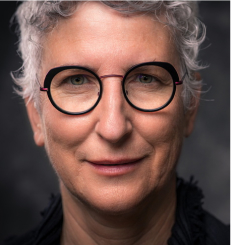
JOAN RANQUET is an animal communicator and energy healer who teaches basic and advanced workshops nationwide. She is the author of Communication with All Life. Joan is the founder of Communication with All Life University. Her work has been featured on The Today Show, Good Morning America, and Animal Planet. For more, visit joanranquet.com.

Author photo © Corinne-McNeely-2011

600 Podcasts and Counting…

Subscribe to Insights at the Edge to hear all of Tami’s interviews (transcripts available too!), featuring Eckhart Tolle, Caroline Myss, Tara Brach, Jack Kornfield, Adyashanti, and many more.

Meet Your Host: Tami Simon

Founded Sounds True in 1985 as a multimedia publishing house with a mission to disseminate spiritual wisdom. She hosts a popular weekly podcast called Insights at the Edge, where she has interviewed many of today's leading teachers. Tami lives with her wife, Julie M. Kramer, and their two spoodles, Rasberry and Bula, in Boulder, Colorado.

Photo © Jason Elias

Also By Author

Energy Healing for Animals

Joan Ranquet is an animal communicator and energy healer who teaches workshops nationwide. With Sounds True, she has published Energy Healing for Animals: A Hands-On Guide for Enhancing the Health, Longevity, and Happiness of Your Pets. In this episode of Insights at the Edge, Joan and Tami Simon speak on the baseline concepts of animal communication—its history, evidence, and various applications. They also talk about the use of energy healing with animals, including the similarities between the energetic bodies of people and their pets. Finally, Tami and Joan discuss the many ways we can use energy healing to enhance the health and well-being of our pets—especially during times of stress or transition. (71 minutes)

You Might Also Enjoy

Donna Eden’s Energy Medicine: Simple Techniques ...

Have you ever noticed how your energy can change in a matter of minutes? A tense moment can leave you feeling scattered, while a simple shift in breath or movement can restore steadiness. Donna Eden’s energy medicine is grounded in the understanding that the body is an energetic system. By learning a few practical energy healing techniques and establishing a daily energy routine, it becomes possible to uplift your energy and support balance in everyday life.

At Sounds True, we have been dedicated since 1985 to sharing living spiritual wisdom in the authentic voices of transformative teachers. Our library of thousands of titles and conversations with leading visionaries reflects our commitment to teachings that are experiential, grounded, and accessible. Working with pioneers like Donna Eden allows us to bring forward energy medicine practices that invite direct participation in your own healing process.

Here, we’ll discuss the foundations of Donna Eden energy medicine, outline simple techniques you can apply right away, and look at how a consistent daily energy routine can uplift your energy and support lasting well-being.

Key Takeaways:

  • Self-Healing Focus: Donna Eden energy medicine teaches practical techniques you can use daily to support your body’s natural balance.
  • Daily Practice Matters: A consistent daily energy routine strengthens resilience and helps uplift your energy over time.
  • Whole-Body Awareness: Energy healing techniques work with meridians, chakras, and subtle systems to support physical and emotional well-being.

Awaken Your Inner Healing Power

What Is Donna Eden Energy Medicine?

Donna Eden’s energy medicine teaches that the body is not only physical but energetic. Beneath organs and tissues flows a network of meridians, chakras, and subtle systems that shape how we feel and function. When energy is balanced, we feel steady and clear. When it is disrupted, we feel depleted or overwhelmed.

In this podcast conversation, Donna shares practical energy healing techniques such as tracing meridians and holding specific points on the body to restore flow. Practiced consistently, these methods form a daily energy routine that helps uplift your energy and strengthen resilience.

For guided instruction, Energy Healing provides foundational tools for working directly with your energy system. In The Science of Medical Intuition, the connection between subtle energy awareness and physical well-being is explored in greater depth, offering a compelling look at how the body communicates through its energetic systems.

Her message is simple: small, consistent actions can shift your state and reconnect you with your body’s natural healing capacity.

The Foundations of Energy Medicine Practices

Energy medicine practices are based on the understanding that the body’s energies respond to touch, movement, and focused attention. In our conversation with Donna Eden, she explains that stress can disrupt these systems, but simple interventions can help restore balance.

Understanding the Body’s Energy Systems

Donna highlights key systems such as meridians and chakras. Meridians distribute energy throughout the body, while chakras influence physical and emotional stability. When these systems are supported, the body functions with greater ease. For deeper work with these subtle layers, The Subtle Body Online Training Program provides guided instruction for understanding and balancing the energetic architecture that underlies physical and emotional health.

Practical Tools for Daily Support

Donna Eden’s energy medicine is designed for everyday use. Techniques like tracing meridians or holding calming points can quickly shift your state. Practiced consistently as a daily energy routine, these methods help uplift your energy and strengthen resilience over time.

How Energy Healing Techniques Restore Balance in the Body

Energy healing techniques work by helping the body correct energetic disruptions caused by stress, fatigue, or emotional strain. When specific points or pathways are stimulated, the nervous system begins to settle and reorganize.

Calming Stress Through the Energy System

Simple practices such as holding neurovascular points or tracing meridians can calm the stress response within minutes. As energy flow improves, breathing steadies, and mental clarity increases. Over time, these techniques support a more regulated and resilient system.

Rebalancing Energy to Uplift Your Energy

Movements like cross crawl exercises help coordinate energy patterns and support brain integration. When energy pathways are aligned, you feel more grounded and alert. Practiced consistently, these tools help uplift your energy and restore balance naturally.

Why a Daily Energy Routine Can Transform Your Well-Being

Donna Eden teaches that consistency matters more than intensity. A daily energy routine creates stability in the body’s energetic systems, helping prevent imbalance before it escalates.

Building Resilience Through Repetition

When practiced each day, even for a few minutes, energy medicine practices strengthen the body’s capacity to respond to stress. Simple movements, meridian tracing, and grounding exercises reinforce healthy energy flow.

Over time, this repetition builds resilience. Instead of reacting automatically to stress, the body learns to reset more efficiently. Many people notice improved focus, steadier moods, and increased vitality.

Creating Space to Uplift Your Energy

A daily energy routine also becomes a moment of intentional pause. Rather than pushing through fatigue or tension, you actively uplift your energy with tools that reconnect you to your body. For those who want to experience a range of teachers and approaches in this field, The Energy Healing Summit offers expanded insight into how energy work supports transformation and well-being. Practiced regularly, these techniques become less of a task and more of a way of living in partnership with your own vitality.

Discover the power of daily meditation

Simple Energy Healing Techniques to Uplift Your Energy

In our podcast conversation, Donna Eden shares that you do not need complex rituals to shift how you feel. Small, intentional movements can quickly restore flow and clarity. These energy healing techniques are designed to be simple enough for daily use.

  • Trace your meridians with your hands to stimulate energy pathways and encourage circulation throughout the body.
  • Hold neurovascular points on the forehead to calm stress and support emotional balance.
  • Practice cross crawl movements to integrate brain function and coordinate energy patterns.
  • Thump key meridian end points gently to awaken sluggish energy and increase alertness.
  • Smooth the aura with sweeping hand motions to settle scattered or tense energy.

Practiced consistently, these tools become part of a steady rhythm of care. Over time, they support a stronger daily energy routine and help uplift your energy in ways that feel tangible and grounded.

How to Build Energy Medicine Practices Into Everyday Life

Integrating Donna Eden energy medicine into daily life does not require large blocks of time. In our conversation, Donna emphasizes weaving energy medicine practices into ordinary moments. A few minutes in the morning can set the tone for the day. Tracing meridians before getting out of bed, practicing cross crawl movements while taking a break, or holding calming points during a stressful conversation can shift your internal state quickly.

Consistency is what transforms these tools into a lived daily energy routine. Rather than waiting for exhaustion or imbalance, you begin to check in with your body regularly. This awareness helps you uplift your energy before stress accumulates. Over time, the practices become intuitive. You notice when your energy dips and naturally reach for a technique that restores steadiness.

Energy medicine becomes less about adding something new to your schedule and more about changing how you move through the day. Small, repeated actions build trust in your body’s ability to rebalance and support your overall well being.

The Connection Between Chakras and Uplift Your Energy Work

Chakras play an important role in emotional and spiritual balance. These energy centers influence physical health, relationships, creativity, and purpose. When they are aligned, energy moves more smoothly throughout the body.

Donna explains that stress and unresolved emotions can disrupt chakra function. Simple energy healing techniques such as focused breathing, holding specific points, or directing awareness to a center can help restore balance. Even small shifts often lead to greater clarity and steadiness.

Working with the chakras strengthens your ability to uplift your energy intentionally. As chakra awareness becomes part of your daily energy routine, you build resilience while supporting both physical and emotional well-being.

Integrating Donna Eden Energy Medicine Into Your Spiritual Path

Donna Eden’s energy medicine is not only a set of techniques. It is a way of relating to your body as an intelligent partner in your spiritual life. In our conversation, Donna speaks about energy awareness as a bridge between physical vitality and deeper presence.

As you work consistently with energy medicine practices, you begin to notice subtle shifts in perception. You may feel more grounded during meditation, more centered in relationships, and more attuned to your intuition. A steady daily energy routine supports spiritual growth by stabilizing the body’s systems so awareness can expand without overwhelm.

This integration also reflects our larger mission at Sounds True. We are devoted to sharing living wisdom that invites direct experience. Energy healing techniques offer a practical entry point. They help uplift your energy so that inner work becomes embodied rather than abstract.

Over time, these practices become part of how you listen inwardly. You sense when something is off balance and respond with care. In that responsiveness, energy medicine becomes a spiritual discipline rooted in daily life.

Build relationships that nourish and sustain

Final Thoughts

Donna Eden’s energy medicine offers a practical way to care for your body’s natural intelligence. Through simple energy medicine practices and consistent attention, you can restore balance and uplift your energy in everyday moments.

A steady daily energy routine builds resilience over time, supporting both physical vitality and spiritual growth. These energy healing techniques remind us that healing is participatory, embodied, and available to us each day.

Frequently Asked Questions About Donna Eden Energy Medicine

What makes Donna Eden energy medicine different from other energy healing approaches?

Donna Eden’s energy medicine focuses on practical, body-based techniques that individuals can use on themselves. Rather than relying solely on a practitioner, it emphasizes daily self-care methods that support long-term balance and awareness.

Do I need prior experience in energy work to practice Donna Eden energy medicine?

No prior experience is required. The techniques are designed to be accessible to beginners while still offering depth for those familiar with energy healing techniques or other holistic modalities.

How long does it take to see results from energy medicine practices?

Many people report subtle shifts, such as feeling calmer or more alert, within minutes of practicing. Long-term benefits tend to develop through consistency and a steady daily energy routine.

Is Donna Eden’s energy medicine connected to a specific religion?

The work draws from multiple healing traditions but is not tied to any one religion. It can complement a wide range of spiritual paths or be practiced independently as a wellness modality.

Can energy medicine practices support emotional well-being?

Yes. Many techniques are designed to help regulate stress responses and encourage emotional steadiness by working directly with the body’s energetic patterns.

Is there scientific research supporting energy healing techniques?

While research in subtle energy fields is still evolving, related studies in stress reduction, nervous system regulation, and mind-body practices offer a supportive context for how these methods may benefit overall health.

How is a daily energy routine different from meditation?

Meditation often emphasizes stillness and awareness. A daily energy routine involves physical movements and touch-based techniques that actively stimulate and balance the body’s energy systems.

Can children or older adults practice Donna Eden energy medicine?

Yes. The techniques are generally gentle and adaptable, making them suitable for a wide range of ages when practiced mindfully.

Does practicing energy medicine replace medical treatment?

Energy medicine practices are intended to complement, not replace, appropriate medical care. They support the body’s natural balance alongside conventional treatment when needed.

What is the long-term benefit of learning to uplift your energy?

Over time, learning to uplift your energy fosters greater self-awareness, resilience, and responsiveness. It strengthens your ability to recognize imbalance early and respond with practical tools.

Michelle Cassandra Johnson is an author, activist, spiritual teacher, racial equity consultant, and intuitive healer. She is the author of six books, including Skill in Action and Finding Refuge. Amy Burtaine is a leadership coach and racial equity trainer. With Robin DiAngelo, she is the coauthor of The Facilitator's Guide for White Affinity Groups. For more, visit https://www.michellecjohnson.com/wisdom-of-the-hive.

Active Dreaming: How to Consciously Navigate the Multi...

Dreams have long stirred human curiosity. Some feel fleeting and fragmented. Others arrive with striking clarity, emotion, or insight that lingers long after waking. Across cultures and generations, people have sensed that the dream state is more than random mental activity. It can feel like a living landscape, one that invites participation. Active dreaming speaks to this invitation. It is the practice of entering our dreams with awareness and intention, learning how to navigate the inner worlds that unfold each night.

Since 1985, we have been dedicated to sharing living spiritual wisdom in the authentic voices of the teachers themselves. From audio programs and books to immersive trainings and podcasts, our work preserves the energetic transmission of transformative teachings. Through conversations with visionary leaders in meditation, psychology, and contemplative traditions, we have witnessed a deep recognition that dreaming is not peripheral to awakening. It is woven into the path itself.

Here, we will discuss active dreaming, how it relates to lucid dreaming and shamanic dreaming, and how conscious dream navigation expands our understanding of the multiverse within awareness.

Key Takeaways:

  • Awareness in Sleep: Active dreaming builds conscious presence within the dream state, strengthening clarity and intentional participation.
  • Multidimensional Consciousness: The lucid dreaming multiverse reflects layered dimensions of awareness accessible through practice.
  • Integration into Life: Dream navigation supports emotional insight, creativity, and continuity between waking and dreaming states.

Discover the power of daily meditation

What Is Active Dreaming and How Does It Relate to Conscious Dreaming?

Have you ever sensed that a dream was more than random imagery? That it carried presence, intelligence, or even invitation?

Active dreaming is the practice of engaging the dream world consciously and creatively. Rather than analyzing dreams only after we wake, we enter into a relationship with them. We respond, ask questions, and participate.

This approach overlaps with conscious dreaming, which refers to bringing awareness into the dream state. While lucid dreaming emphasizes recognizing that you are dreaming, active dreaming goes further. It invites dialogue with dream figures, landscapes, and symbols. The dream becomes a living field of experience rather than a puzzle to decode.

In many spiritual traditions, dreams are understood as experiences in subtle realms of reality. Active dreaming helps us move from passive observer to active participant. It is the foundation for dream navigation and for understanding what some describe as a multiverse of awareness within our own consciousness.

The Lucid Dreaming Multiverse: Expanding Our Understanding of Reality

What if the dream state opens into multiple layers of reality? The lucid dreaming multiverse points to the idea that consciousness is not limited to one world but can move through many dimensions of experience.

Lucidity as a Gateway

Lucid dreaming begins with recognition. You realize you are dreaming while the dream continues. That awareness creates stability and choice. The environment becomes responsive rather than fixed. Through practices taught in The Lucid Dreaming Training Program, we can strengthen recall, increase clarity, and remain present in the dream state. Lucidity becomes the doorway through which deeper exploration is possible.

Layers of Reality Within the Dream State

In a single night, we may move through shifting identities, symbolic landscapes, and encounters that feel deeply real. Active dreaming treats these not as random images but as meaningful dimensions of consciousness.

By bringing conscious dreaming into these experiences, we begin to sense the vastness within awareness itself. The multiverse is not somewhere else. It unfolds within the field of our own mind.

Dream Navigation: Moving Intentionally Through Inner and Outer Worlds

If dreams open into multiple dimensions of awareness, dream navigation is how we move through them with intention. It is the practice of orienting ourselves within the dream and choosing how to engage.

Orienting Within the Dream

Once awareness arises, we pause and observe. Where am I? What is unfolding? This simple reflection creates stability. The dream becomes a space we can explore rather than endure. Self-Hypnosis Online Course supports this kind of intentional inner orientation, training the mind to enter receptive states with clarity and calm — a foundation that translates naturally into conscious dream navigation.

Integrating Inner and Outer Worlds

Active dreaming does not end when we wake. Through approaches like Dreamtending, we continue the dialogue with dream images, allowing insight to deepen over time.

Dream navigation becomes a way of living, recognizing that inner and outer worlds are in constant conversation.

How your mind really works

Shamanic Dreaming as a Pathway to Active Dreaming

Long before modern language around lucid dreaming emerged, shamanic dreaming offered a map of the inner worlds. In many indigenous traditions, dreams are understood as journeys into subtle realms where healing, guidance, and insight are available.

The Shamanic View of the Dream World

Shamanic dreaming treats the dream state as a real experience. The dreamer may travel, meet teachers, or retrieve wisdom for the community. These journeys are intentional and relational, not accidental.

This perspective aligns naturally with active dreaming. Both approaches recognize that consciousness can move beyond ordinary perception and engage directly with symbolic and spiritual dimensions.

From Journeying to Conscious Participation

In active dreaming, we cultivate the same respect and intentionality found in shamanic traditions. We enter the dream with curiosity. We listen. We respond. Revolutionary Discoveries from Non-Ordinary Realities illuminates how these dream-state encounters connect to broader dimensions of consciousness, affirming that the dream state is a living field for transformation rather than a private fantasy.

Conscious Dreaming Practices for Multiverse Awareness

If the dream state opens into layered dimensions of awareness, how do we cultivate the stability to move through them? Conscious dreaming develops through steady, grounded practice. These approaches strengthen clarity, recall, and intentional presence within the lucid dreaming multiverse.

Core Practices That Support Conscious Dreaming

  • Strengthen dream recall by journaling immediately upon waking. This signals to the mind that dreams matter and builds continuity of awareness.
  • Set clear intentions before sleep. A simple inward statement, such as “I will remain aware in my dreams,” helps orient consciousness.
  • Practice reality reflection during the day. Pausing to question, “Am I dreaming?” builds the habit of awareness that can carry into sleep.
  • Meditate regularly. A steady meditation practice supports clarity and reduces mental fragmentation in both waking and dreaming states.
  • Reenter meaningful dreams through imagination while awake. This deepens dream navigation and keeps the dialogue alive.

Through consistent practice, conscious dreaming becomes less about control and more about relationship. Awareness stabilizes. The multiverse within consciousness begins to feel accessible, not abstract. Active dreaming then unfolds naturally as a lived experience rather than a concept.

The Role of Imagination in Dream Navigation and Active Dreaming

Imagination is often dismissed as fantasy, yet in active dreaming it becomes a bridge between worlds. It allows us to reenter dreams, deepen their meaning, and remain in relationship with their images.

In dream navigation, imagination acts as a compass, strengthening the connection between waking and dreaming awareness. Within the lucid dreaming multiverse, it becomes a mode of perception, helping us move between layers of experience with flexibility and presence. Active dreaming is not an escape from reality but an expansion of how we participate in it.

Integrating Lucid Dreaming Multiverse Experiences into Daily Life

Experiences in the lucid dreaming multiverse gain depth when they inform how we live. Active dreaming is not confined to the night. Its insights are meant to be embodied.

Integration begins with simple reflection. After a conscious dreaming experience, we ask what qualities were present and how they can be practiced during the day. Courage, compassion, or clarity in a dream can become intentional actions in waking life. The Remote Viewing Online Training Course offers a complementary discipline here, sharpening perceptual awareness and discernment in ways that support the grounded integration of expanded inner experiences.

Rather than interpreting dreams literally, we listen for what resonates. Over time, awareness feels more continuous. The boundary between dreaming and waking softens, and active dreaming becomes a grounded spiritual practice woven into everyday reality.

The Spiritual Roots of Shamanic Dreaming and Conscious Dreaming

Active dreaming is rooted in ancient traditions that honored the dream state as sacred. Across cultures, shamanic dreaming was practiced to access guidance, healing, and insight beyond ordinary awareness.

In these traditions, the dreamer was a traveler, cultivating conscious dreaming through intention and discipline. Dreams were approached as real encounters with personal and collective wisdom.

Active dreaming carries this lineage forward, affirming that consciousness is multidimensional and that dream navigation can be a path of awakening. Over time, lucid dreaming, shamanic dreaming, and conscious dreaming converge into a deeper, continuous relationship with awareness across waking and dreaming life.

Awaken Your Inner Healing Power

Final Thoughts

Active dreaming invites us into a living relationship with the dream world. Through lucid dreaming, shamanic dreaming, and steady conscious practice, we begin to sense the multidimensional nature of awareness itself.

The multiverse is not somewhere far away. It unfolds within consciousness, night after night. As we learn the art of dream navigation, we participate more fully in both our inner and outer worlds, grounded, curious, and awake.

Frequently Asked Questions About Active Dreaming: How to Consciously Navigate the Multiverse

What makes active dreaming different from regular dreaming?

Active dreaming involves intentional engagement with the dream state. Instead of passively experiencing dreams, the dreamer cultivates awareness and participation, both during sleep and upon waking reflection.

Is active dreaming the same as lucid dreaming?

Lucid dreaming is one component of active dreaming. Lucidity refers to knowing you are dreaming while the dream continues. Active dreaming includes lucidity but also emphasizes dialogue, integration, and an ongoing relationship with dream imagery.

Can anyone learn active dreaming?

Yes. Active dreaming is a trainable skill. With consistent practices such as intention setting, meditation, and dream recall, most people can strengthen their capacity for conscious awareness in dreams.

Does active dreaming require a spiritual belief system?

No specific belief system is required. While active dreaming has roots in spiritual traditions, it can be approached psychologically, creatively, or contemplatively. The practice adapts to the framework of the individual.

How does active dreaming relate to the idea of a multiverse?

In this context, the multiverse refers to the layered nature of consciousness. Active dreaming allows individuals to experience multiple dimensions of awareness within the dream state, expanding their sense of reality.

Is active dreaming safe?

For most people, yes. It is a practice of awareness rather than control. Those with certain mental health conditions should approach intensive dream practices with professional guidance, but for many, it supports insight and emotional integration.

How long does it take to become proficient in conscious dreaming?

Progress varies. Some people experience lucidity quickly, while others build skill gradually. Consistency matters more than speed. Even small increases in dream awareness can be meaningful.

Can active dreaming support creativity?

Yes. Many artists, writers, and innovators draw inspiration from dreams. Active dreaming strengthens access to symbolic imagery and intuitive insight, which can enrich creative work.

What role does intention play in active dreaming?

Intention acts as a guidepost. By clarifying a question or focus before sleep, the dreamer orients awareness. Intention does not force outcomes but shapes receptivity within the dream field.

How does active dreaming influence waking consciousness?

Over time, practitioners often report greater self-awareness, emotional clarity, and sensitivity to subtle experience. The continuity of awareness between sleeping and waking states can lead to a more reflective and intentional life.

Michelle Cassandra Johnson is an author, activist, spiritual teacher, racial equity consultant, and intuitive healer. She is the author of six books, including Skill in Action and Finding Refuge. Amy Burtaine is a leadership coach and racial equity trainer. With Robin DiAngelo, she is the coauthor of The Facilitator's Guide for White Affinity Groups. For more, visit https://www.michellecjohnson.com/wisdom-of-the-hive.

Out-of-Body Experiences: What Science and Spirituality...

Out-of-body experiences have been reported across cultures, continents, and centuries. Some people describe a crystalline sense of awareness hovering beyond the body. Others speak of a subtle perceptual shift—something vivid and expansive that resists easy explanation. Whatever the form, these experiences tend to leave a mark, raising quiet but persistent questions about where consciousness truly lives and how elastic our sense of self can really be.

At Sounds True, we have spent decades sharing the living wisdom of spiritual teachers, scientists, and researchers devoted to consciousness and human awareness. Since 1985, our work has been guided by one enduring conviction: that direct experience, honest inquiry, and genuine inner growth have the power to change lives.

Here, we examine what science and spirituality suggest about out-of-body experiences, how these perspectives intersect, and what they reveal about consciousness exploration and human awareness.

Key Takeaways:

  • Explore Your Sense of Self: Out-of-body experiences reveal just how fluid awareness and identity can be. Far from being fixed in one place, consciousness appears to have edges that shift, expand, and occasionally surprise us completely.
  • Science and Spirituality Circle the Same Mystery: Neuroscience and ancient wisdom traditions each offer real insight into OBEs. Both quietly admit they don’t have the full picture, but that shared humility is where the conversation gets fascinating.
  • The Real Depth Lives in the Return: The lasting power of an OBE has little to do with how vivid or dramatic it was. Grounding, reflection, and weaving new awareness into everyday life are where genuine transformation takes root.

What Lives Beyond Ordinary Perception? Our Practices Can Help You Explore

Out-of-Body Experience Research and the Science of Consciousness Exploration

Out-of-body experiences have drawn increasing interest from scientists studying how consciousness and self-awareness are formed. Rather than being treated as fringe events, OBEs are now examined as altered states that reveal how flexible our sense of identity and location can be. From a research perspective, these experiences suggest that consciousness is not always anchored to the physical body in the way we assume during ordinary waking life.

How Neuroscience Explains the Experience of Leaving the Body

Neuroscience often explains an out-of-body experience as a disruption in how the brain integrates sensory information. Vision, balance, and bodily sensation usually work together to create the feeling of being located inside the body. When that coordination shifts, awareness may feel as though it has moved outside the physical form.

From this perspective, the experience is psychologically real and well worth taking seriously, even when science stops short of calling it a literal departure from the physical. The focus lands on how perception changes, not on dismissing the experience.

What Science Explains (and What Still Escapes It)

While research can identify brain activity associated with OBEs, it still cannot fully explain consciousness or why awareness feels continuous and meaningful. This limitation has led many researchers to acknowledge that current models describe correlation rather than cause. Revolutionary Discoveries from Non-Ordinary Realities reflects this open question, pointing to the possibility that consciousness may not be fully explained by neurological processes alone. In this context, out-of-body experiences invite curiosity rather than certainty, encouraging an ongoing dialogue between science and inner experience.

Spiritual Traditions, Astral Projection, and Nonphysical States of Awareness

Long before modern neuroscience took an interest, spiritual traditions described out-of-body experiences as natural expressions of expanded awareness. Across cultures, these states were not framed as unusual but as accessible moments in which consciousness loosens its identification with the physical body.

Within these teachings, the experience is often understood as a shift in perception rather than an escape from the body. Attention moves inward, awareness becomes more subtle, and the sense of self widens.

Astral Projection in Ancient and Contemporary Lineages

Astral projection appears in mystical traditions ranging from Tibetan Buddhism to Western esoteric schools. In these contexts, practitioners describe a nonphysical body that can move independently of the physical form while awareness remains clear and intentional. The emphasis is rarely on spectacle, but on insight and spiritual maturity.

Modern interpretations often echo these earlier teachings, suggesting that astral projection reflects the mind’s ability to function beyond ordinary sensory limits. Works such as The Flowering of Human Consciousness explore how these experiences fit within a broader unfolding of human awareness, rather than standing apart as isolated phenomena.

The Subtle Body and Spiritual Maps of Consciousness

Many spiritual systems describe layers of experience, sometimes called the subtle body. These maps offer language for understanding how consciousness operates beyond physical sensation, especially during meditation, dream states, or spontaneous OBEs. The Subtle Body Online Training Program offers a structured way to explore these layers directly, inviting practitioners to recognize how awareness itself moves when attention is no longer fixed on the physical senses.

Rather than presenting a single explanation, these traditions invite direct exploration. Out-of-body experiences, from this view, are moments that reveal how identity can shift when attention is no longer fixed on the physical senses. They are less about leaving the body and more about recognizing how awareness itself moves.

Spiritual Traditions, Astral Projection, and Nonphysical States of Awareness

Spiritual traditions have long described out-of-body experiences as natural shifts in awareness rather than rare events. These states are often understood as moments when attention moves beyond ordinary sensory perception, revealing a broader experience of consciousness.

Astral Projection in Ancient and Contemporary Lineages

Astral projection appears in many traditions as a cultivated movement of awareness guided by intention and discipline. The focus is less on the experience itself and more on the insight and responsibility that come with expanded perception.

The Subtle Body and Spiritual Maps of Consciousness

Many teachings describe subtle layers of awareness that organize perception beyond the physical body. These maps offer ways to understand OBEs as changes in how consciousness is experienced, rather than as departures from the body itself.

Awaken Something Greater With Our Podcasts, Courses, and Insights

How to Have an Out-of-Body Experience with Intention and Care

Approaches to having an out-of-body experience consistently emphasize calm attention rather than force. Across contemplative traditions, OBEs are understood as states that arise when the mind is settled and awareness is steady, not when the experience is chased.

Preparation often includes deep relaxation, sustained focus, and emotional grounding. The Lucid Dreaming Training Program supports this foundation, training awareness during sleep states in ways that naturally extend into OBE territory. Equally important is integration. Grounding helps ensure that shifts in perception contribute to balance and understanding in daily life rather than becoming distractions or isolated moments.

Having an Out-of-Body Experience 

Out-of-body experiences are most often approached through calm attention rather than effort. Across traditions, they are understood as states that arise when the mind and nervous system are settled. Preparation typically emphasizes relaxation, steady focus, and emotional grounding. Not every altered state leads to insight. Grounding helps integrate experience so that shifts in perception support clarity and balance in daily life.

Integrating Out-of-Body Experiences into Ongoing Consciousness Exploration

Out-of-body experiences often invite reflection rather than explanation. Their significance emerges over time, shaped by how the experience is understood, integrated, and related to everyday awareness.

  • Out-of-body experiences often shift how people relate to identity, perception, and awareness rather than providing concrete answers.
  • Their lasting value comes from reflection and integration, not from the intensity of the experience itself.
  • Grounding practices help translate expanded states of awareness into everyday understanding and emotional balance.
  • OBEs can soften rigid views of the self, encouraging curiosity about how consciousness functions in daily life.
  • When approached thoughtfully, these experiences support an ongoing relationship with consciousness rather than standing apart as isolated events.

Out-of-body experiences gain meaning through integration. Without grounding, even vivid states can fade without influencing daily life or inner growth. Related disciplines highlight this need for structure and responsibility. The Remote Viewing Online Training Course emphasizes disciplined perception and ethical awareness, reinforcing that expanded consciousness is most valuable when paired with clarity and integration.

Out-of-Body Experience Research and the Science of Consciousness Exploration

Scientific interest in the out-of-body experience has grown as researchers examine how consciousness and self-awareness are formed. Rather than dismissing OBEs, many studies now treat them as altered states that reveal how flexible perception and identity can be.

While neuroscience can track brain activity during these states, it cannot yet explain consciousness itself. This limitation has led to broader inquiry into whether awareness may extend beyond purely neurological processes. Teachings such as Consciousness and Beyond reflect this openness, inviting dialogue between scientific investigation and inner experience.

Spiritual Traditions, Astral Projection, and Nonphysical States of Awareness

Spiritual traditions across cultures describe out-of-body experiences as natural shifts in awareness rather than extraordinary events. These teachings often emphasize stability, ethics, and insight over dramatic experience.

Astral projection is frequently presented as a trained movement of consciousness, guided by intention and maturity. In this context, OBEs are understood as part of long-term inner development. This perspective is echoed in The Flowering of Human Consciousness, which situates such experiences within humanity’s evolving relationship with awareness.

How to Have Out of Body Experiences

Approaches to having an out-of-body experience consistently emphasize preparation over effort. Calm attention, emotional regulation, and familiarity with meditative states are seen as essential foundations. Rather than promoting techniques alone, guidance from our How to Have an Out-of-Body Experience podcast frames OBEs as an extension of contemplative practice. The focus remains on presence, self-awareness, and discernment rather than control.

Integrating Out-of-Body Experiences into Ongoing Consciousness Exploration

Out-of-body experiences gain meaning through integration. Without grounding, even vivid states can fade without influencing daily life or inner growth. Related disciplines highlight this need for structure and responsibility. Practices taught in Remote Viewing Trainingemphasize disciplined perception and ethical awareness, reinforcing that expanded consciousness is most valuable when paired with clarity and integration.

Your Awareness Infinite Range: Unlock Your Power Through Daily Meditation

Final Thoughts

Out-of-body experiences invite a reconsideration of how consciousness is understood and experienced. Whether viewed through scientific inquiry or spiritual tradition, these states point to the fluid nature of awareness rather than fixed conclusions. When met with grounding and reflection, OBEs can deepen insight into everyday perception, reminding us that expanded awareness is less about extraordinary moments and more about how we relate to consciousness itself.

Frequently Asked Questions About Out-of-Body Experiences

What is the difference between an out-of-body experience and a vivid dream?

An out-of-body experience is marked by a sense of clear, stable awareness and the distinct feeling of perceiving from outside the physical body, while dreams often lack that same coherence and conscious recall during the experience itself. Many people who have had OBEs describe them as feeling more real than waking life, a quality that tends to set them clearly apart from even the most vivid or lucid dreams.

Are out-of-body experiences dangerous?

For most people, OBEs are not inherently harmful, but they can be disorienting when approached without grounding or emotional steadiness. Preparation and integration are considered important parts of the process, and many teachers recommend building a solid foundation in meditation or relaxation practices before actively exploring OBE techniques.

Can children have out-of-body experiences?

Yes, some people report OBEs during childhood, often spontaneously and without any prior practice or framework. These experiences may arise during illness, sleep transitions, or moments of heightened imagination.

Do out-of-body experiences happen only during sleep?

No, far from it. OBEs have been reported during meditation, deep relaxation, near-death experiences, and even fully awake altered states. Sleep is certainly one context where they arise, but consciousness exploration can open these states in a wide variety of circumstances.

Is astral projection the same as an out-of-body experience?

Astral projection is often described as a cultivated or trained form of out-of-body experience, guided by sustained practice over time, while OBEs can also happen spontaneously without any preparation at all. Both involve a sense of awareness moving beyond the physical body, but the paths to each can look quite different.

Can science prove whether out-of-body experiences are real?

Science can study brain activity and shifts in perception during OBEs, but determining whether awareness literally leaves the body remains outside current scientific reach. Honestly, consciousness itself is still one of the deepest open questions in both neuroscience and philosophy. OBEs sit right at the center of that inquiry.

Why do some people experience OBEs easily while others do not?

Sensitivity to inner states, prior experience with meditation, emotional openness, and nervous system regulation all appear to play a role in how readily OBEs occur. People who spend time cultivating a quiet, receptive inner life often find these states more accessible, though spontaneous experiences can happen to anyone regardless of background or practice.

Is it necessary to interpret an out-of-body experience symbolically?

Not necessarily. Some people find spiritual or symbolic frameworks genuinely helpful in making sense of what they experienced, while others prefer to treat OBEs as fascinating perceptual events without layering on deeper interpretation. 

Sources:

  1. Blanke O. (2004). Out of body experiences and their neural basis. BMJ (Clinical research ed.), 329(7480), 1414–1415. https://doi.org/10.1136/bmj.329.7480.1414

Michelle Cassandra Johnson is an author, activist, spiritual teacher, racial equity consultant, and intuitive healer. She is the author of six books, including Skill in Action and Finding Refuge. Amy Burtaine is a leadership coach and racial equity trainer. With Robin DiAngelo, she is the coauthor of The Facilitator's Guide for White Affinity Groups. For more, visit https://www.michellecjohnson.com/wisdom-of-the-hive.

>
Share via
Copy link
Powered by Social Snap