Karen Brody: Daring to Rest

    —
October 31, 2017

Karen Brody: Daring to Rest

Karen Brody October 31, 2017

Karen Brody is the founder of the Daring to Rest™ Program for Women, which promotes women’s empowerment and increased health through yoga nidra meditation. With Sounds True, Karen has published Daring to Rest: Reclaim Your Power with Yoga Nidra Rest Meditation. In this episode of Insights at the Edge, Karen and Tami Simon have a serious discussion about the epidemic of burnout and exhaustion in modern culture. This is especially true for women, who are often held to the societal expectation that they serve the needs of those around them before they ever consider taking even the most necessary rest. Karen offers yoga nidra as a one part of the solution to this wave of fatigue, describing how her own practice and the cultivation of turiya—”the sleep of the yogis”—helped her move past a period of intense, chronic sleeplessness. Finally, Karen and Tami speak on the liberation in abandoning perfectionism and how yoga nidra can be folded into the course of our daily lives. (64 minutes)

Karen Brody is a women’s well-being and leadership expert who helps women journey from worn out to well rested and then dream big in their work and lives. A certified yoga nidra instructor, she is the founder of Daring to Rest™, a yoga nidra-based self-empowerment program for women. She has an MA in Women and International Development from the Institute of Social Studies in the Netherlands, and a BA in sociology from Vassar. Karen is also a playwright, and Birth, her theater-for-social-change play has been seen in over 75 cities around the world. She is the mother of two boys and met her husband in the Peace Corps. She resides in Washington, DC, but considers the world her home.

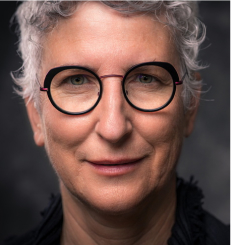
Author photo © Judith Rae

600 Podcasts and Counting…

Subscribe to Insights at the Edge to hear all of Tami’s interviews (transcripts available too!), featuring Eckhart Tolle, Caroline Myss, Tara Brach, Jack Kornfield, Adyashanti, and many more.

Meet Your Host: Tami Simon

Founded Sounds True in 1985 as a multimedia publishing house with a mission to disseminate spiritual wisdom. She hosts a popular weekly podcast called Insights at the Edge, where she has interviewed many of today's leading teachers. Tami lives with her wife, Julie M. Kramer, and their two spoodles, Rasberry and Bula, in Boulder, Colorado.

Photo © Jason Elias

Also By Author

4 Ways to Rest This Holiday Season

Giving yourself permission to rest during the holiday time is perhaps the most radical—and life-saving—act you can do. Here are a few easy ways to give yourself the gift of rest. Your family and friends will thank you—and might just lie down too!

Meditate Every Morning or Evening

If you have 15-minutes, try practicing yoga nidra meditation, a guided meditation also known as yogic sleep. This is supreme relaxation. You can find yoga nidra online. If you don’t have that kind of time, silent meditation for even just 3 minutes every day can feel restful. Close your eyes, and notice your breath. You can repeat a mantra or a relaxing word as you breathe in and out. If family is visiting and you don’t have a quiet spot in the house, meditate in your car or even in the bathroom!

Breath Counting

We tend to forget just how restful it can feel to breathe. Breath counting pulls the mind away from stress and towards a more centered, balanced feeling. To practice, count backwards slowly, with rhythmic inhalations and exhalations, and say to yourself as you breathe, “Breathing in, 11, breathing out, 11, breathing in, 10, breathing out, 10.” And so on, counting down to one. You do this while breathing the whole body or engage a chakra and breathe into that area. Befriend the breath.

Walking Meditation (extra points for bare feet!)

If you’re stressed over the holidays, walk in silence on the ground for five minutes or more. As Thich Nhat Hanh says, “Walk as if your feet are kissing the earth.” Walking bare-footed is ideal—outside or in your home. More and more evidence suggests that we need the Earth’s electrons for our well-being—it improves sleep, pain management, and stress. If you can’t walk in silence, try cooking your holiday meal mindfully in bare feet, Your body will thank you.

Watch the Sun Set or Rise

Sunrise and sunset are mystical times of the day. Busy lives don’t easily give us access to the soul. During sunset and sunrise the veils of illusions, which pull us away from our truest self, are thin. We can see ourselves more clearly and feel more intuitive and creative. If you can, watch the sun set or rise in silence. Your nervous system will thank you.

Karen Brody Karen Brody is a women’s well-being and leadership expert who helps women journey from worn out to well rested and then dream big in their work and lives. A certified yoga nidra instructor, she is the author of Daring to Rest: Reclaim Your Power with Yoga Nidra Rest Meditation, founder of Daring to Rest, a yoga nidra-based self-empowerment program for women. She has an MA in Women and International Development from the Institute of Social Studies in the Netherlands, and a BA in sociology from Vassar. Karen is also a playwright, and Birth, her theater-for-social-change play has been seen in over 75 cities around the world. She is the mother of two boys and met her husband in the Peace Corps. She resides in Washington, DC, but considers the world her home.

The community here at Sounds True wishes you a lovely holiday season! We are happy to collaborate with some of our Sounds True authors to offer you wisdom and practices as we move into this time together; please enjoy this blog series for your holiday season. 

To help encourage you and your loved ones to explore new possibilities this holiday season, we’re offering 40% off nearly all of our programs, books, and courses sitewide. May you find the wisdom to light your way. 

EXPLORE NOW


We Dare You to Rest This Holiday Season

When to say “No” & “Yes”

One of the most exhausting stress loops for women starts with saying “yes” when we feel “no”. Becoming your most authentic self is the first step to learning what a “no” and a “yes” feel like in your body. We often tell women to say no more, but equally as troublesome is that we also don’t feel and then follow our yeses.

Here’s a quick way to practice sensing what “yes” and “no” feel like to you:

  1. Put your hand on your heart and gut.
  2. Place your attention at the space between your eyebrows (your third eye).
  3. Inhale from the space between your eyebrows to the base of your spine, while mentally saying “Sooooo.” Then exhale from the base of your spine to the space between your eyebrows while mentally saying the sound, “Hummmmm.” Repeat twice more.
  4. Be still as you rest your attention on your third eye for 20 to 30 seconds.
  5. Call up a question you want an answer to, and see if you feel a “yes” or “no.”

For women who have lots of decisions to make, like mothers, I often suggest making a list of all the things stressing them out, and then, on the same day every week, doing this practice, seeing if they get a “yes” or “no” for each item on the list. This is also a great practice to do weekly when you’re pregnant, because giving birth centered in your true self, knowing your “yes” and “no,” is the best gift you can give your baby.

Using this practice to help make decisions will help you stop overdoing. You begin with feeling, drop your ego, and then, from your true nature, make decisions that end the worn-out feeling. Beware of mistaking things you love to do as a “yes.” For example, many of the creative moms I work with love to cook, but when they use this practice to ask whether they want to stay up cooking cupcakes late at night for their children’s school when they have work the next day, the answer they get might well be “no.”

Sometimes you may be faced with a difficult “no”: your inner wisdom will tell you that saying “no” to something will liberate time, but saying “no” may not feel good right away or may disappoint someone. If this happens, I encourage you to say “no” anyway. If you want to feel well-rested, you need to make the choice that supports your wholeness.


Love Yourself First

Most of us have heard flight attendants on an airplane say, “Put your own oxygen mask on first, and then secure your loved one’s.” This is an important message that well-rested women get in every bone of their bodies: love yourself first. The first thing your loved ones need is a healthy you. Here are two ways to do that.


  • Give Kindness
    • When you’re spinning in mental loops and stressed out, it’s hard to be kind to yourself or others. But as I always say after yoga nidra, I feel like I drank a cup of kindness. To capitalize on and reinforce this feeling, repeat this loving-kindness meditation.
      • Say to yourself:
        • May I be happy.
        • May I be safe.
        • May I be free of physical pain and suffering.
        • May I be able to recognize and touch harmony and joy in myself.
        • May I nourish wholesome seeds in myself.
        • May I be healthy, peaceful, and strong.

Notice how you feel in your body. When you’re ready, you can move on to saying the words for others: May (name of a loved one) be happy. May (he/she) be safe.


  • Go on Wonder Dates
    • Schedule quiet time for yourself. My friend and colleague Jeffrey Davis, of Tracking Wonder, a creative branding company, loves to say, “Wonder is not kid’s stuff. It’s radical grown-up stuff.” That’s right, taking time for wonder is an essential multi-vitamin for adults, too. It helps clear your mind and relax the body.
    • What’s wonder? It’s a time to be curious, to not know something. It’s the gratitude and amazement we feel when we see a shooting star or a beautiful full moon. Try finding a quiet space to read poetry, or sitting in a tree and then journaling about what you see and how it makes you feel. Many spots in nature call up wonder. Wonder sparks ideas, so the more time you spend in wonder, the juicer you will feel when you return to your everyday life.
    • And if you think you don’t have time, think again. Jeffrey has two little girls, and as he says, he “sculpts time” for wonder by intentionally planning space to wonder into his calendar.


Looking for more great reads?


Excerpted from Daring to Rest, by Karen Brody.

Karen Brody is a speaker and the founder of Bold Tranquility, a company offering yoga nidra meditation for the modern women via downloadable products and workshops. Her work has been featured in Better Homes & Gardens, and she’s a regular contributor to The Huffington Post. She’s also a critically acclaimed playwright. Karen had a long personal history of severe panic attacks until she found yoga nidra meditation over a decade ago. At that time, she was a sleep-deprived mother of two small children on anti-anxiety medication. She signed up for a yoga nidra meditation class simply looking to lie down for a nap. What she got was “the best nap of her life.” As she continued to practice yoga nidra regularly, her deep fatigue lifted; she wrote a critically acclaimed play, got off anti-anxiety pills, and started to teach this yoga nidra “power nap” to every exhausted mother she knew.

Recommended Reads on Restoration

Embark on the Journey to Restoration


Daring to Rest by Karen Brody 

What if you could reboot your health, tap into your creative self, reclaim your wild nature, lead from your heart—and still feel well rested?

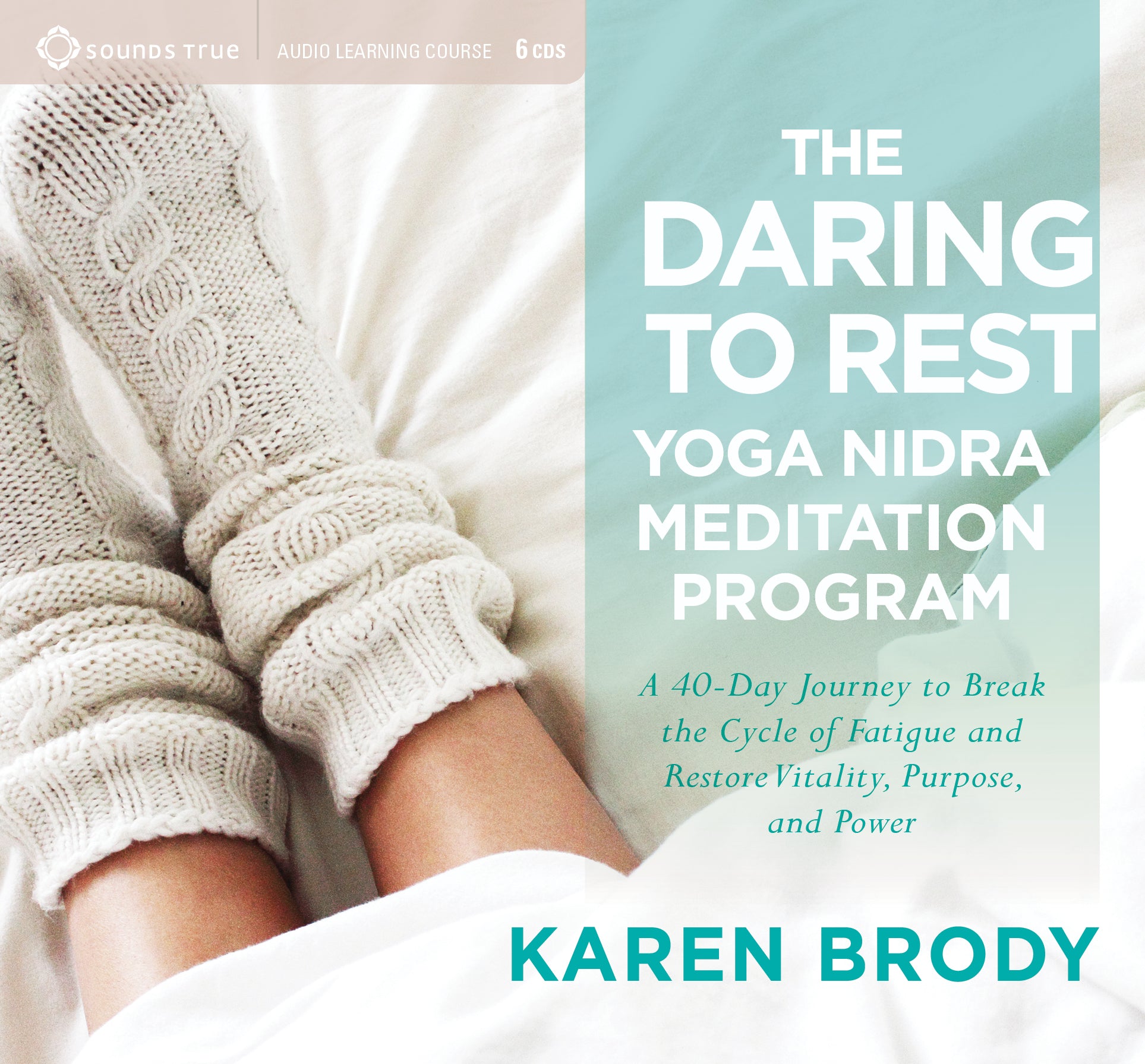
As modern women, we’re taught that we can do it all, have it all, and be it all. While this freedom is beautiful, it’s also exhausting. Being a “worn-out woman” is now so common that we think feeling tired all the time is normal. According to Karen Brody, feeling this exhausted is not normal—and it’s holding us back. In Daring to Rest, Brody comes to the rescue with a 40-day program to help you reclaim rest and access your most powerful, authentic self through yoga nidra, a meditative practice that guides you into one of the deepest states of relaxation imaginable.

It’s time to lie down and begin the journey to waking up.


Sabbath by Wayne Muller

The Sacred Rhythm of the Sabbath and How to Restore It in Your Own Life

Toward the end of his life, Thomas Merton warned of a “pervasive form of contemporary violence” that is unique to our times: overwork and overactivity. In his work as a minister and caregiver, Wayne Muller has observed the effects of this violence on our communities, our families, and our people. On Sabbath, he responds to this escalating “war on our spirits,” and guides us to a sanctuary open to everyone.

Muller immerses us in the sacred tradition of the shabbat (the day of rest) a tradition, Muller says, that is all but forgotten in an age where consumption, speed, and productivity have become the most valued human commodities. Inviting us to drink from this “fountain of rest and delight,” he offers practices and exercises that reflect the sabbath as recognized in Christianity, Judaism, and Buddhism. Through this way of nourishment and repose, Muller teaches, we welcome insights and blessings that arise only with stillness and time.

Rich with meditations, poems, and inspiring true stories, Sabbath asks us to remember this most simple and gracious of all spiritual practices.


iRest Meditation by Richard Miller, PhD

A Proven Meditation Program for Profound Relaxation and Healing

Deep rest and relaxation are critical elements in healing—yet we rarely experience truly profound rest. Even with proper exercise and sleep, we continue to hold stress, tension, and trauma in the body. Over the past 45 years, Dr. Richard Miller has developed a program for deep relaxation, healing, and rejuvenation called iRest (Integrative Restoration). In iRest Meditation, he offers a complete training in this proven method, which is being used by the military to treat PTSD and has been shown through research to reduce depression, anxiety, insomnia, and chronic pain—as well as improve sleep, resiliency and well-being.

Based on a modern evolution of the ancient practice of Yoga Nidra, the easy-to-learn iRest program provides a flexible toolbox of meditation practices that you can incorporate into your lifestyle to carry you through adversity. In these six audio sessions, Dr. Miller takes you step-by-step through a progressive series of guided exercises for managing stress utilizing the breath and body, decoding and balancing your emotional state, connecting you with deep inner resources that replenish your vital energy and sustain you regardless of your circumstances.


Recovering Joy by Kevin Griffin

Addiction recovery requires a serious commitment, yet that doesn’t mean it has to be a bleak, never-ending struggle. “Recovering takes us through many difficult steps of discipline, humility, and self-realization,” says Kevin Griffin. “In doing so, many of us forget that we are capable and deserving of basic happiness.” With Recovering Joy, Kevin Griffin fills in what is often the missing piece in addiction recovery programs: how to regain our ability to live happier lives. Whether you’re in recovery or know someone who is, this book is a resource of valuable guidance and self-reflection practices for:

  • Rediscovering a sense of purpose and our own value through our work, relationships, and contribution to the world
  • Developing personal integrity by living up to our own moral and ethical beliefs
  • Using our intelligence and creativity to their fullest extent—at work and at home
  • Cultivating a rich inner life that includes a sense of connection—whether expressed in our spirituality, our interactions with others, or our relationship to the natural world
  • Bringing an element of fun into our lives—learning to embrace our own sense of humor as a resource for healing


The Force of Kindness by Sharon Salzberg

Distill the great spiritual teachings from around the world down to their most basic principles, and one thread emerges to unite them all: kindness. In The Force of KindnessSharon Salzberg, one of the nation’s most respected Buddhist authors and meditation teachers, offers practical instruction on how we can cultivate this essential trait within ourselves.

Through her stories, teachings, and guided meditations, Sharon Salzberg takes readers on an exploration of what kindness truly means and the simple steps to realize its effects immediately. She reveals that kindness is not the sweet, naive sentiment that many of us assume it is, but rather an immensely powerful force that can transform individual lives and ripple out, changing and improving relationships, the environment, our communities, and ultimately the world. Readers will learn specific techniques for cultivating forgiveness; turning compassion into action; practicing speech that is truthful, helpful, and loving; and much more.

You Might Also Enjoy

Frank Ostaseki: “I’m Allergic to the Notion of a G...

What truly matters when we face the end of life? After decades of sitting at the bedside of hundreds of dying people, Frank Ostaseski has distilled the deepest human concerns into two essential questions: Am I loved? Have I loved well?

This week on Insights at the Edge, Tami welcomes Frank Ostaseski—co-founder of America’s first Buddhist hospice, the Zen Hospice Project, founder of the Metta Institute, and author of The Five Invitations: Discovering What Death Can Teach Us About Living Fully. Frank brings extraordinary wisdom from his pioneering work in compassionate end-of-life care, along with profound personal insights from his own encounters with heart surgery, strokes, and the transformative vulnerability of being “on the other side of the sheets.”

Join Tami and Frank to explore:

  • The two essential questions that arise when facing death—and what they reveal about living fully now
  • Why emotional flexibility is the true condition for healing and transformation
  • How to meet our own fear and pain without abandoning ourselves or others
  • The practice of “allowing” as a path to both wisdom and compassion
  • What happens in the dying process: surrender, reconstitution, and coming home
  • Why Frank is allergic to the notion of a “good death”
  • The indestructible love that emerges when we keep our hearts open through pain
  • How to practice dying by paying attention to everyday endings

This conversation is for anyone grappling with loss, change, or the fundamental questions of existence—offering not prescriptive answers, but the profound medicine of honest presence and the recognition that our vulnerability itself is one of our most beautiful human qualities.

For more with Frank Ostaseski:

Year to Live Course (Spirit Rock Meditation Center)

Spirit of Service (Upaya Zen Center)

Awareness in Action: The Role of Love (Upaya Zen Center, Frank Ostaseski & Sharon Salzberg)

This conversation offers genuine transmission—not just concepts about awakening, but the palpable presence of realized teachers exploring the growing edge of spiritual understanding together. Originally aired on Sounds True One.

Bridging Movement And Stillness: Exploring The Union O...

There is a moment, just after a posture ends and just before stillness settles in, where something shifts. The body softens, the breath deepens, and awareness begins to rise, not from effort, but from quiet. This is the space where yoga and meditation meet. For many of us, yoga begins with movement, and meditation begins with silence. But over time, these practices become less separate and more like two currents of the same river. Together, they help us remember what stillness feels like, not as emptiness, but as something alive and full of presence. This union is not about achieving perfect form or mastering silence. It’s about returning to yourself, again and again, through breath, movement, and listening.

For more than 40 years, Sounds True has offered a living library of spiritual wisdom, featuring the voices of teachers like Eckhart Tolle, Pema Chödrön, and Tara Brach. We were founded with a single intention: to preserve the authentic energy of spiritual transmission in real time, through courses, audio programs, podcasts, and events that honor each teacher’s unscripted voice. Our yoga and meditation offerings are crafted to support not just practice, but transformation. We don’t just deliver teachings, we invite you into an experience of awakening.

In this piece, we’ll be discussing how yoga and meditation come together as a path to inner stillness, and the deeper benefits of yoga when practiced as both movement and mindfulness.

Key Takeaways:

  • Embodied Presence: Yoga is more than movement; it’s a daily return to inner awareness and emotional grounding.
  • Union In Practice: The combination of yoga and meditation forms a spiritual path that strengthens resilience and compassion.
  • Support Through Tools: Programs like Sounds True’s Yoga for Your Mood Deck and Yoga Nidra podcast offer guided ways to deepen stillness.

The Sacred Bridge Between Movement And Stillness

In many traditions, the body is seen as a gateway, not an obstacle. Yoga invites us to meet our physical selves with presence, while meditation welcomes us inward, toward silence, awareness, and deeper being. At the heart of these practices lies the yoga and meditation union, a sacred convergence where motion softens into stillness, and stillness begins to move from within.

When we step onto the mat, we often begin with movement, stretching, strengthening, and breathing. But in time, we may notice that the external gestures echo something more subtle. The rise and fall of breath. The space between thoughts. The quiet that blooms at the end of a pose. Here, yoga is no longer just a physical practice; it becomes a preparation for entering stillness fully.

This union is not about doing more; it’s about becoming more aware. By anchoring attention in the body, we start to feel the mind settle. Through mindful movement, we open the door to a quieter interior landscape. Yoga becomes not just a practice of form, but a devotional act of listening. And meditation, once reserved for the cushion, begins to live in the body itself.

Explore Teachings From World-Renowned Psychologists And Researchers On Trauma, Mindfulness, Resilience, And Cognitive Growth.

The Profound Benefits Of Yoga As A Daily Practice

The most transformative rewards of yoga often emerge not in the big breakthroughs, but in the quiet, daily returns. When practiced consistently, yoga becomes more than a physical discipline; it becomes a gentle companion in emotional resilience, spiritual grounding, and embodied awareness:

Building Trust Through Repetition

One of the lesser-discussed benefits of yoga is the emotional steadiness that comes from simply showing up. Daily practice builds a relationship with the self, one grounded in trust, consistency, and care. Over time, this rhythm strengthens our ability to remain present even when life becomes unpredictable.

Emotional Clarity And Energetic Balance

Yoga gently creates space for emotion to move through the body. It offers practices that can stabilize energy, soften emotional turbulence, and restore clarity. Tools like the Yoga for your mood deck provide inspiration and support for selecting postures and breathwork based on how you’re feeling, making the practice deeply personal and responsive.

The Power Of A Yoga Mindfulness Practice

At its heart, yoga is a mindfulness practice, a way to train both body and attention to exist in the same moment. Through this integrated awareness, we learn to witness our experience with kindness and curiosity. It becomes easier to feel the breath without chasing it, to notice thoughts without becoming entangled in them, and to trust the body’s wisdom as a source of inner guidance.

How Meditation Deepens The Yoga Mindfulness Practice

Yoga and meditation are often seen as separate tracks on the same path, but when they meet, something profound shifts. Together, they become a mirror for awareness itself. This section explores how meditation enriches what we experience on the mat, transforming yoga from movement alone into a fuller field of conscious presence:

Refining Attention Through Breath And Stillness

Meditation invites us to notice what we might otherwise rush past, the pause at the top of the inhale, the subtle tension in a shoulder, the moment before the mind wanders. When we bring this quiet observation into yoga, the practice slows down and deepens. This is the essence of the yoga mindfulness practice: using the body as a ground for present-moment awareness.

The Meditation And Yoga Connection As Inner Listening

At a certain point, movement becomes internal. The meditation and yoga connection reveals itself most clearly in these moments, when breath leads movement, and movement dissolves into silence. By practicing this connection regularly, we begin to listen more deeply to the body’s cues and the heart’s quieter truths.

Rest As Integration

Sometimes, the deepest breakthroughs in practice happen during rest. Practices like Yoga Nidra, available through Sounds True’s Yoga Nidra —The Sleep Yoga podcast, offer a doorway into the subtler layers of awareness. As the body softens, the mind learns to settle without effort. Meditation, here, becomes less about doing and more about receiving.

Awaken Your Inner Healing Power With Sound True.

Discovering Inner Stillness Through Yoga And Breath

The breath is both a guide and a gateway. As we follow it inward, we begin to discover a spaciousness that doesn’t depend on external conditions. This is where inner stillness through yoga reveals itself, not as a goal to chase, but as something we return to, breath by breath:

Breath As Anchor For Inner Awareness

In yoga, the breath is more than a physiological process. It becomes a teacher, helping us soften the edges of our thinking and rest in the present moment. Inner stillness through yoga begins here, in the pause between inhales and exhales, in the soft surrender that comes when we allow the breath to lead the way.

Stillness Is Not Absence, But Presence

Often, we confuse stillness with emptiness. But what yoga reveals is that true stillness is rich with awareness. It is not the absence of thought, but the presence of quiet attention. By practicing regularly, we start to sense the aliveness beneath the surface of stillness itself.

A Collective Invitation To Pause

While this journey inward is deeply personal, it is also shared. Events like the International Day of Yoga remind us that stillness, too, can be a communal act. Practicing together, even across distances, strengthens our sense of belonging, not only to each other but to the silence we all carry within.

Embracing The Meditation And Yoga Connection In Daily Life

For many, yoga and meditation remain practices reserved for specific times, on the mat, or on the cushion. But their deepest transformation unfolds when we carry them with us into the ordinary. The meditation and yoga connection becomes not just a routine, but a rhythm that lives in how we walk, listen, and respond:

Making Practice A Living Presence

It’s one thing to practice mindfulness in stillness; it’s another to remain present in motion. By embracing the meditation and yoga connection throughout the day, we turn waiting in line into a breath practice, or a difficult conversation into an opportunity to stay rooted in awareness. Over time, these moments create a quiet thread of groundedness that runs through our daily life.

Mindfulness In Everyday Movements

The yoga mindfulness practice doesn’t require a studio. Washing dishes, walking the dog, or opening a window to feel the breeze, all of these can become invitations into embodied awareness. Through consistent attention, even the most routine acts can reconnect us with the inner calm we cultivate on the mat.

A Path That Meets You Where You Are

This isn’t about perfection. It’s about remembering. Returning. Whether you’re moving through grief, joy, or uncertainty, both yoga and meditation offer you something steady to lean on, a breath, a pause, a small space of stillness that reminds you you’re not alone.

Honoring The Yoga And Meditation Union As A Spiritual Path

Over time, the practice shifts. What may have begun as a way to relieve stress or stretch the body slowly becomes something deeper, something sacred. The yoga and meditation union reveals itself not just as a blend of techniques, but as a path of devotion, inquiry, and awakening:

A Practice Of Listening To The Heart

The more we listen within, the more we discover how movement and stillness serve the same purpose: to bring us home to ourselves. The yoga and meditation union makes this return possible. It invites us to slow down, to hear the quiet voice beneath thought, and to respond with compassion.

Inner Stillness Through Yoga As Devotion

In this context, inner stillness through yoga is not a performance or achievement. It becomes a devotional act, an offering of attention, breath, and presence. By meeting ourselves in this space day after day, we begin to recognize the sacred not as something outside of us, but as something we touch through awareness.

Deepening The Journey With Sounds True

For those ready to explore this path more fully, Sounds True offers a rich selection of teachings through their Yoga and Movement programs. These offerings support the spiritual dimension of practice, guiding seekers toward a more integrated and heart-centered experience of body and being.

Learn To Treat Yourself With The Care You Offer Others

Final Thoughts

Stillness is not a destination; it’s a remembering. A return. The practices of yoga and meditation continue to call us back to that quiet center within, no matter how far we may feel from it.

Whether through movement, breath, or silence, we learn that the real gifts of practice live in the subtleties: the way we respond to discomfort, the gentleness we offer ourselves, the breath we return to when words fall short. These are the moments that change us, not suddenly, but steadily.

And in these moments, we discover inner stillness through yoga as something that doesn’t need to be chased or earned. It is already here, waiting in the pause, the exhale, the soft opening of presence.

Read also:

Frequently Asked Questions About Bridging Movement And Stillness

What are the mental benefits of yoga for older adults?

Yoga supports memory, focus, and emotional regulation in older adults. It also reduces stress-related cognitive fog by calming the nervous system.

Can I experience the benefits of yoga without being flexible?

Yes. Flexibility is not a prerequisite. The benefits of yoga arise from breath awareness, consistency, and alignment with your current body and abilities.

How long does it take to feel the benefits of yoga?

Some effects, like reduced tension or improved mood, can be felt after one session. Deeper benefits, such as resilience and self-awareness, build over weeks or months.

Is it better to do yoga before or after meditation?

It depends on your intention. Yoga before meditation can prepare the body to sit comfortably; meditation before yoga can help anchor presence in movement.

What role does breath play in experiencing the benefits of yoga?

Breath links body and mind. Conscious breathing enhances circulation, soothes anxiety, and grounds attention, deepening the impact of each posture.

How does yoga affect emotional healing?

Yoga creates space for emotional release through mindful movement and breathwork. It supports trauma healing by restoring a sense of agency and inner safety.

Can yoga replace other forms of exercise?

For many, yes. Yoga can improve strength, flexibility, and cardiovascular health. However, it can also complement other activities like walking or swimming.

What type of yoga is best for cultivating stillness?

Gentle styles such as Hatha, Yin, or Restorative Yoga are ideal for cultivating inner stillness. These styles emphasize slow movement and extended holds.

Are there specific yoga poses that support better meditation?

Yes. Poses that open the hips, lengthen the spine, and stabilize the pelvis, like Sukhasana, Padmasana, or supported forward folds, can enhance seated meditation.

Can the benefits of yoga be maintained without daily practice?

Absolutely. While consistency helps, even a few mindful sessions per week can maintain key benefits. The body and mind remember intentional presence.

Michelle Cassandra Johnson is an author, activist, spiritual teacher, racial equity consultant, and intuitive healer. She is the author of six books, including Skill in Action and Finding Refuge. Amy Burtaine is a leadership coach and racial equity trainer. With Robin DiAngelo, she is the coauthor of The Facilitator's Guide for White Affinity Groups. For more, visit https://www.michellecjohnson.com/wisdom-of-the-hive.

Steven Washington: “My Recovery Is Non-Negotiabl...

How do we remain committed to staying sober when grief strikes, when stress becomes overwhelming, or when shame threatens to pull us back into old patterns?

This week on Insights at the Edge, Tami Simon welcomes Steven Washington, a former professional Broadway dancer who has transformed his 23-year recovery journey into a powerful practice of embodied healing. Steven is the author of Recovering You: Soul Care and Mindful Movement for Overcoming Addiction and creator of the SWE Studio, an online community offering movement and meditation support for people in recovery.

In this deeply personal interview, Tami and Steven explore:

  • Why recovery must be “non-negotiable”—with no conditions attached, regardless of life’s challenges 
  • How shame operates as the linchpin of addiction and the healing power of sharing it with trusted others
  • The connection between sensitivity and addiction, and how to transform sensitivity from vulnerability into strength
  • Practical tools for creating a trigger plan that works for both small daily stressors and major life crises
  • How Qigong and embodied practices help regulate the nervous system and process emotions held in the body
  • The journey from inherited shame to self-compassion and authentic self-worth
  • Why asking for help—practiced with small things—prepares us for life’s biggest challenges
  • Developing a personal relationship with a higher power that feels authentic rather than inherited

If you’re navigating recovery, supporting someone who is, or seeking to understand the connection between embodiment and transformation, Steven offers both practical wisdom and profound compassion for the journey.

Note: This interview originally aired on Sounds True One, where these special episodes of Insights at the Edge are available to watch live on video and with exclusive access to Q&As with our guests. Learn more at https://www.join.soundstrue.com

>
Share via
Copy link
Powered by Social Snap