Peter Fenner and Jeff Foster: Unconditioned Awareness and the Challenges of Everyday Life

December 10, 2013

Peter Fenner and Jeff Foster: Unconditioned Awareness and the Challenges of Everyday Life

Jeff Foster & Peter Fenner December 10, 2013

What is it that is here no matter what’s going on around us? Why does the experience of pure awareness seem so hard to hold on to? Tami Simon speaks with Sounds True authors Peter Fenner and Jeff Foster about the nature of awareness and how we can begin to offer the gifts of our realization to those around us. (75 minutes)

Photo of ()\

Jeff Foster shares from his own awakened experience a way out of seeking fulfillment in the future and into the acceptance of "all this, here and now." He studied astrophysics at Cambridge University. Following a period of depression and physical illness, he embarked on an intensive spiritual search that came to an end with the discovery that life itself was what he had always been seeking.

Foster, Jeff © Emily Goodman


Listen to Tami Simon's in-depth audio podcast interviews with Jeff Foster:
The Deepest Acceptance »
The Deepest Acceptance: Part 2 »
Unconditioned Awareness and the Challenges of Everyday Life »

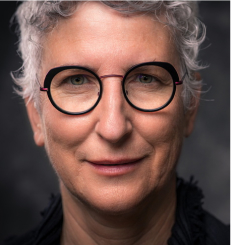
Photo of ()\

Peter Fenner, PhD, studied as a monk for nine years with many notable Buddhist lamas, including Thubten Yeshe and Sogyal Rinpoche. He is founder of the Center for Timeless Wisdom, and author of numerous books, including Reasoning into Reality and The Edge of Certainty. He has taught workshops at Stanford Medical School, Columbia University, and elsewhere.

Author photo © Marie Barincou

600 Podcasts and Counting…

Subscribe to Insights at the Edge to hear all of Tami’s interviews (transcripts available too!), featuring Eckhart Tolle, Caroline Myss, Tara Brach, Jack Kornfield, Adyashanti, and many more.

Meet Your Host: Tami Simon

Founded Sounds True in 1985 as a multimedia publishing house with a mission to disseminate spiritual wisdom. She hosts a popular weekly podcast called Insights at the Edge, where she has interviewed many of today's leading teachers. Tami lives with her wife, Julie M. Kramer, and their two spoodles, Rasberry and Bula, in Boulder, Colorado.

Photo © Jason Elias

Also By Author

Victory! A Poem

Victory!

By Jeff Foster


You don’t have to be the best. 

You don’t have to win. 

You only have to be yourself.


You only have to be real. 

And speak from the heart. 

And know that you have the right to see how you see, 

and think how you think, and feel what you feel, 

and desire what you desire.


You don’t have to be a success in the eyes of the world 

and you don’t have to be an expert on living.


You only have to offer what you offer, 

breathe how you breathe, make mistakes and screw 

up 

and learn to love your stumbling and say the 

wrong thing 

and stop worrying so much about impressing anyone 

because in the end you only have to live with yourself


and joy is not given but found in the deepest 

recesses of your being 

so there can be joy in falling and joy in making 

mistakes 

and joy in making a fool of yourself and joy in 

forgetting joy 

and then holding yourself close as you crumble to 

the ground 

and weep out the old dreams.


Joy is closeness 

with the one you love: 

You.


You don’t have to be the best. 

You really don’t have to win.


You only have to remember this intimacy with 

the sky, the nearness of the mountains and feel the sun 

warming your shoulders and the nape of your neck


and know that you are alive, 

and that you are a success at being alive, 

and that you have won already, 

and you are victorious already, 

without having to prove 

a damn 

thing.


To anyone.

This poem is excerpted from You Were Never Broken: Poems to Save Your Life by Jeff Foster.


jeff fosterJeff Foster shares from his own awakened experience a way out of seeking fulfillment in the future and into the acceptance of “all this, here and now.” He studied astrophysics at Cambridge University. Following a period of depression and physical illness, he embarked on an intensive spiritual search that came to an end with the discovery that life itself was what he had always been seeking.


book cover

Learn More

Sounds True | Amazon | Barnes & Noble | Bookshop

The Courage to Stand Alone

The Courage to Stand Alone

It can be scary when we are called to confront our aloneness, the seemingly infinite depths of that empty, homeless feeling inside of us. When all our old protections fall away and the abandoned and neglected ones inside come begging for our love and attention. It can feel sometimes as though there’s nowhere to turn, like we want to crawl out of our own skin, urgently get out of the Now and into some other time or place.

It takes bravery to stop, breathe, and—slowly, slowly, slowly—turn back toward the lonely, dark, empty “void” inside (in reality, there is no void). To actually turn to face the sense of abandonment buried deep within our guts, to soften into the sense of separation that has been with us for as long as we can remember. We don’t have to make the feeling go away today, only lean into it, breathe into it, begin to make room for it, maybe even learn to trust its presence. 

quote image

Perhaps loneliness is like a cosmic nostalgia, a preverbal memory of a deep womb-connection, with ourselves, with the planet, with every being who has ever lived. In leaning into our own loneliness, shame, and existential anxiety, we may be able to touch into compassion for the loneliness of every human being, for every heart longing to connect, for every grieving heart, every frightened heart. 

We are alone, yet never alone. This is the great paradox of existence. Our loneliness, when not resisted or numbed away, may actually end up connecting us more deeply to life and each other, like it did for me and my sweet father that winter evening. 

Let us learn to be alone, then! Alone, without distraction, which is true meditation. Alone, communing with the breath as it rises and falls. Alone with the mind and its incredible dance. Alone with the rain and the morning sun. Alone with the crackle of autumn leaves under our feet, or the crunch of winter snow. Alone with the hopes and joys and anxieties of this human form, living a single day on this remarkable planet. Alone with our precious selves, with this unfathomable sense of connection to all things, with birth and loss and death and their myriad mysteries. 

Alone, with all of life.

This is an excerpt from You Were Never Broken: Poems to Save Your Life by Jeff Foster.

jeff fosterJeff Foster shares from his own awakened experience a way out of seeking fulfillment in the future and into the acceptance of “all this, here and now.” He studied astrophysics at Cambridge University. Following a period of depression and physical illness, he embarked on an intensive spiritual search that came to an end with the discovery that life itself was what he had always been seeking.


book image of excerpt on lonliness

Learn More

Sounds True | Amazon | Barnes & Noble | Bookshop

Into the Belly of Meditation

Into the Belly of Meditation

By Jeff Foster


You are weary, friend. 

Sit. 

You are thirsty. 

Here. Drink.


You are hungry. Here. Take this. 

A piece of bread. 

A small bowl of soup. 

See how God has taken form! 

It is all I have but it will keep you alive.

image 1

I will light a fire that will never go out. 

A sacred flame. Unconditional in its burning. 

To illuminate us in the darkness.


Oh. I see you are wounded. 

Bruised. Bleeding.

Exhausted from the world. 

You have suffered much, I know.


image 2

Come. 

Take off these dirty rags. 

Don’t worry. It’s safe. 

There is strength in your nakedness.


Here. Wash. 

Rub this medicine onto your wounds.


Put on these robes, they are clean and dry. 

Lie down. Close your eyes. 

I will watch over us tonight.

image 3

Listen. You have not failed. 

I see new life breaking through. 

I see birth. An insurrection. 

The sharp edge of hope.


I have no teaching for you. 

No wise words.


I only want you to trust what you are going through. 

To bring this fire inside of you.

Until the end.


I have known this pain. Yes

This courage to keep moving. Yes

This courage to rest, too.

The sacrifice of the known world.

image 1

Friend. 

Drop into the belly of meditation now. 

The place you were always seeking. 

The vast silence at the Earth’s core which is your own core. 

Breathing into the gut now. 

The throat. The chest. 

Irradiating the nervous system with unspeakable 

tenderness. 

Flooding the body with soft, warm light. 

Drenching the human form with divine love. 

And sleep. 

And sleep.

image 2

I may not be here when you wake. 

We may not meet again in form.


Yet I leave you with all you need. 

Food. Water. A bed. 

A chance to rest. 

A touch of kindness.

And your unbreakable Self.

flowers

This poem is excerpted from You Were Never Broken: Poems to Save Your Life by Jeff Foster.


jeff fosterJeff Foster shares from his own awakened experience a way out of seeking fulfillment in the future and into the acceptance of “all this, here and now.” He studied astrophysics at Cambridge University. Following a period of depression and physical illness, he embarked on an intensive spiritual search that came to an end with the discovery that life itself was what he had always been seeking.


you were never broken cover

Learn More

Sounds True | Amazon | Barnes & Noble | Bookshop


You Might Also Enjoy

Elizabeth Stanley on Trauma-Sensitive Mindfulness: Whe...

Meditation is often understood as a way to find calm by turning inward. Yet for many people, that inward focus can feel overwhelming instead of grounding. The body may tighten, emotions may rise quickly, or the mind may feel harder to settle. These responses are not a sign of failure. They reflect how the nervous system holds and processes past experiences. Trauma sensitive mindfulness offers a way to approach awareness with more care, allowing space for safety, pacing, and choice.

At Sounds True, we have spent decades sharing the living wisdom of teachers who speak to real human experience with honesty and depth. Through voices like Elizabeth Stanley, we bring forward teachings that integrate science, mindfulness, and compassion, offering practices that support meaningful and lasting inner growth.

Here, we look at trauma sensitive mindfulness through Elizabeth Stanley’s perspective, including why meditation is not always enough and how a more supportive approach can help.

Key Takeaways:

  • Nervous System Awareness: Trauma sensitive mindfulness centers on regulating the body, not just observing thoughts
  • Flexible Practice: Meditation can include movement, choice, and external focus to support safety
  • Healing Approach: Awareness becomes effective when paired with pacing, care, and nervous system support

Awaken Your Inner Healing Power with Guided Practices by Sounds True

What Is Trauma Sensitive Mindfulness and How It Differs from Traditional Mindfulness

Trauma sensitive mindfulness begins with a simple truth. The present moment does not feel safe for everyone. Turning inward can bring up intense sensations or emotions, and traditional mindfulness does not always account for how trauma shapes this experience.

This approach offers a gentler entry point. It considers how the body responds before asking it to be still. Instead of pushing through discomfort, it allows for choice, movement, and grounding.

Mindfulness then becomes less about doing it right and more about building a relationship with our experience. We learn to notice what feels supportive, pause when needed, and meet ourselves with care.

Elizabeth Stanley’s Approach to Trauma Sensitive Mindfulness and Healing

Elizabeth Stanley’s work brings clarity to why trauma sensitive mindfulness matters and how it can be practiced in a way that truly supports healing. Her perspective is grounded in both research and lived experience, creating a bridge between science and personal transformation.

Her Background in Trauma and Resilience

Stanley’s background includes years of studying resilience under extreme stress, alongside her own journey through trauma recovery. She emphasizes that resilience is not simply about mental strength. It is about the capacity of the nervous system to return to balance after disruption.

Through trauma sensitive mindfulness, she highlights how this capacity can be strengthened over time. The practice becomes less about observing thoughts and more about learning how to stay connected to the body without becoming overwhelmed.

The Limits of Traditional Mindfulness Practices

In her teaching, Stanley also speaks to the limitations of traditional mindfulness approaches. Many practices assume that the body can tolerate sustained attention. For someone carrying unresolved trauma, that assumption may not hold true.

Trauma sensitive mindfulness acknowledges that awareness alone is not always enough. Without support, attention can amplify distress rather than ease it. By integrating regulation and pacing, this approach creates a more supportive path that allows mindfulness to unfold gradually.

Why Trauma Sensitive Mindfulness Changes the Way We Practice Meditation

When we begin to understand mindfulness through the lens of trauma sensitivity, the practice itself starts to shift. Meditation is no longer about holding attention in one place at all costs. It becomes a responsive and adaptive experience.

Meditation Through the Lens of Trauma Sensitivity

In trauma sensitive mindfulness, meditation can include a wide range of options. A person might keep their eyes open, shift their focus between internal and external awareness, or engage in gentle movement. These choices are not distractions from the practice. They are part of the practice.

This flexibility helps create a sense of stability. It allows the practitioner to remain engaged without pushing beyond their capacity.

Creating Safety Within the Practice

Safety is not treated as an outcome. It is the foundation. Trauma sensitive mindfulness invites us to notice when something feels supportive and when it does not. That noticing becomes a form of guidance.

Over time, this builds trust. The practitioner begins to feel that they can stay present without losing themselves in the experience. Meditation then becomes a space where healing can happen at a natural pace.

When Trauma Sensitive Mindfulness Is Needed Beyond Standard Meditation

There are times when traditional mindfulness practices may not provide the support someone needs. Trauma sensitive mindfulness helps us recognize those moments with clarity and care.

Recognizing Signs That Mindfulness Alone Is Not Enough

Some people notice that meditation brings up anxiety, numbness, or a sense of disconnection. Others may feel flooded by emotion or unable to stay grounded. These experiences are not signs of failure. They are signals from the nervous system.

Trauma sensitive mindfulness encourages us to respond to these signals rather than push through them.

Expanding Beyond Stillness Into Regulation

In these moments, the practice may shift. Instead of remaining still, a person might focus on their surroundings, engage in movement, or connect with a steady rhythm like walking or breathing with sound.

These forms of regulation help restore balance. They create a pathway back to presence that feels supportive rather than overwhelming.

Discover the Hidden Power of Daily Meditation

The Role of the Nervous System in Trauma Sensitive Mindfulness Practice

Trauma sensitive mindfulness recognizes that the nervous system plays a central role in how we experience awareness. Before we can rest in presence, the body needs to sense that it is safe enough to do so.

  • The nervous system constantly interprets signals of safety and threat, often outside of conscious awareness
  • Trauma can leave the body in patterns of activation or shutdown that shape how mindfulness feels
  • Trauma sensitive mindfulness introduces gentle ways to support regulation before deep attention is invited
  • Small moments of ease help the nervous system learn that presence can be safe
  • Choice allows the practitioner to stay connected without feeling trapped in the experience

As these patterns begin to shift, mindfulness becomes more accessible. The body no longer experiences awareness as something to defend against. Instead, it becomes a place where steadiness can grow.

How to Practice Trauma Sensitive Mindfulness Safely and Effectively

Practicing trauma sensitive mindfulness begins with a willingness to move at the pace of the body. There is no need to force stillness or sustain attention beyond what feels manageable. Instead, we begin by noticing what feels supportive in the moment.

This might include grounding attention in the senses, feeling the contact of the body with a chair, or simply noticing the environment. At times, it may mean stepping away from internal awareness and focusing outward. These choices are not interruptions. They are expressions of care.

Over time, this approach builds a sense of trust. The practitioner learns that they can engage with mindfulness without becoming overwhelmed. Safety becomes something that is felt, not something that is assumed. From this foundation, awareness can deepen in a way that feels steady and sustainable.

Bringing Trauma Sensitive Mindfulness into Daily Life and Relationships

Trauma sensitive mindfulness does not remain confined to formal practice. It naturally extends into daily life. It can be present in the way we pause before responding, in how we notice tension in the body, or in the decision to take a moment of rest.

In relationships, this awareness can create space. Instead of reacting automatically, we begin to sense what is happening within us. This allows for more thoughtful responses and a greater sense of connection.

These small moments matter. They reflect a shift from striving to be present toward allowing presence to emerge. In this way, mindfulness becomes integrated into the rhythm of everyday life.

Building Resilience Through Trauma Sensitive Mindfulness Over Time

Resilience develops gradually. It is shaped through repeated experiences of safety, awareness, and regulation. Trauma sensitive mindfulness supports this process by honoring the body’s natural pace.

Each moment of grounded awareness strengthens the nervous system’s capacity to remain present. Over time, this creates a sense of stability that can hold a wider range of experiences.

This path is not about reaching a fixed state. It is about developing a relationship with ourselves that is steady, responsive, and compassionate. Through trauma sensitive mindfulness, we begin to discover that presence is not something we force. It is something that becomes possible as the body learns it is safe to be here.

Learn How your Mind Really Works with Sounds True

Final Thoughts

Trauma sensitive mindfulness invites a more compassionate way of being present. Rather than pushing through discomfort, it encourages us to listen to the body and move at a pace that feels supportive.

Elizabeth Stanley’s insights remind us that awareness and regulation go hand in hand. As we honor both, mindfulness becomes a steady, healing practice that meets us exactly where we are.

Frequently Asked Questions About Trauma Sensitive Mindfulness

What makes trauma sensitive mindfulness different from trauma informed care?

Trauma sensitive mindfulness is a specific approach within the broader framework of trauma informed care. While trauma informed care can apply to many fields, such as healthcare or education, trauma sensitive mindfulness focuses directly on how mindfulness practices are adapted to support nervous system safety and regulation.

Can trauma sensitive mindfulness be practiced without a teacher?

Yes, it can be practiced individually, especially with gentle awareness and self-guided pacing. However, some people benefit from working with a trained practitioner who understands trauma and can offer guidance when difficult experiences arise.

Is trauma sensitive mindfulness suitable for beginners?

Yes, it is often more accessible for beginners because it emphasizes choice and flexibility. Instead of requiring strict focus, it allows people to ease into awareness in a way that feels manageable.

How long does it take to see benefits from trauma sensitive mindfulness?

The experience varies from person to person. Some may notice small shifts in awareness and calm within a short time, while bigger changes in resilience and regulation tend to develop gradually through consistent practice.

Can trauma sensitive mindfulness replace therapy?

It is not a replacement for therapy, especially for those working through significant trauma. It can be a supportive complement to therapeutic work, helping individuals build awareness and regulation skills alongside professional support.

What types of practices are included in trauma sensitive mindfulness?

Practices may include grounding exercises, sensory awareness, gentle movement, and flexible attention techniques. The focus is on what supports stability rather than following a fixed method.

How does trauma sensitive mindfulness support physical well-being?

By helping regulate the nervous system, this approach can reduce chronic stress responses in the body. Over time, this may support improved sleep, reduced tension, and a greater sense of ease.

Is it normal to feel discomfort during trauma sensitive mindfulness?

Some discomfort can arise, especially when becoming more aware of internal experiences. The key difference is that this approach encourages responding to discomfort with care, rather than pushing through it.

Can trauma sensitive mindfulness be practiced in short moments?

Yes, it is well suited for brief, everyday moments. Even a few seconds of grounding or awareness can support regulation and help build consistency over time.

Who can benefit most from trauma sensitive mindfulness?

Anyone can benefit, but it is especially supportive for individuals who find traditional meditation challenging or overwhelming. It offers an alternative path that honors personal capacity.

Michelle Cassandra Johnson is an author, activist, spiritual teacher, racial equity consultant, and intuitive healer. She is the author of six books, including Skill in Action and Finding Refuge. Amy Burtaine is a leadership coach and racial equity trainer. With Robin DiAngelo, she is the coauthor of The Facilitator's Guide for White Affinity Groups. For more, visit https://www.michellecjohnson.com/wisdom-of-the-hive.

nico and devon hase: Buddhist Volcanoes In Love


What if everything you believed about a healthy relationship—the harmony, the peace, the perfectly matched wheels—was the very thing getting in the way?

This week, Tami Simon speaks with nico and devon hase—married Buddhist teachers, longtime meditation practitioners, and co-authors of the new Sounds True book This Messy, Gorgeous Love: A Buddhist Guide to Lasting Partnership—about what it actually takes to build a partnership that transforms rather than just endures.

Join Tami, nico, and devon to explore:

  • Why relationships are inherently rough—and why accepting that is the first act of real intimacy
  • The three conflict styles (volcanoes, diplomats, and dodgers) and how to work skillfully with your own
  • The tightrope principle: why lasting partnership means always finding your balance, never holding it
  • The daily check-in practice nico and devon discovered during three years of solitary retreat—and why it’s deceptively powerful
  • How death contemplation can dissolve petty resentments and bring fierce clarity to what actually matters
  • The “third space” in relationship: listening to the partnership itself as its own living being
  • Body shame, shifting desire, and sexuality as an awakening path—from devon’s own retreat discoveries
  • Why bodhichitta—the awakened heart of service—might be the most honest metric for whether a relationship is worth tending

Whether you’re navigating a decades-long partnership or wondering if intimacy and spiritual depth can coexist at all, nico and devon offer both radical honesty and genuine hope.

Listen now →

This conversation offers genuine transmission—not just concepts about awakening, but the palpable presence of realized teachers exploring the growing edge of spiritual understanding together. Originally aired on Sounds True One.

This episode is sponsored by Omega Institute, a global gathering hub for lifelong learning and spiritual exploration. Located in upstate New York’s beautiful Hudson Valley, Omega offers weekend workshops, special events, rest and rejuvenation retreats, professional trainings, online learning, and more. Discover what calls to you at eomega.org/true.

How to Find Fulfillment in a Purpose Larger Than Yours...

Finding purpose often begins as a quiet question. It can show up in moments when life feels uncertain or when something familiar no longer feels meaningful. There is a natural pull toward something deeper, a sense that fulfillment is connected to more than personal success. A purpose driven life starts to emerge when we begin to notice this pull and stay open to meaning beyond self in our everyday experience.

At Sounds True, we have spent decades sharing spiritual wisdom and amplifying the voices of teachers who guide people toward deeper awareness and authentic living. Through our living library of teachings, we support individuals in connecting with life purpose, spiritual insight, and experiencing fulfillment and purpose in a grounded and meaningful way.

Here, we look at how finding purpose can unfold through alignment with something larger than ourselves and how that shapes the way we live each day.

Key Takeaways:

  • Purpose as Practice: Finding purpose is an ongoing experience shaped by awareness, not a one-time realization.
  • Beyond the Self: Meaning beyond self deepens fulfillment and purpose through connection and contribution.
  • Daily Alignment: A purpose driven life is built through small, consistent choices rooted in presence.

Learn How your Mind Really Works with Sounds True

Finding Purpose Through a Purpose Driven Life and Meaning Beyond Self

A quiet question often guides our choices, even if we cannot fully name it. Finding purpose begins not by searching outward, but by listening more deeply to life itself.

A purpose driven life grows from this shift. Instead of asking what we can gain, we begin to sense what is being asked of us, opening us to meaning beyond self through connection and presence.

Fulfillment purpose unfolds through this participation. It is not a fixed destination, but an ongoing experience shaped by our willingness to stay present and respond to what is emerging.

Life Purpose Spiritual Insights for a Purpose Driven Life

A life purpose spiritual path often begins with a quiet sense that something deeper is calling. This awareness invites us to look beyond surface-level goals and move toward a purpose driven life rooted in meaning beyond self.

Listening Beyond the Surface

Clarity comes from slowing down and listening within. As we become more present, meaning beyond self begins to emerge naturally, supporting a deeper sense of fulfillment and purpose.

Recognizing Inner Alignment

Inner alignment often feels steady and grounded, even during uncertainty. A purpose driven life grows as we trust this feeling and allow fulfillment to unfold over time.

How Fulfillment Purpose Emerges When You Embrace Meaning Beyond Self

There comes a point when personal achievement no longer feels like enough. This shift opens the door to meaning beyond self and a deeper sense of fulfillment and purpose.

Expanding Beyond Personal Identity

As we move beyond roles and labels, we begin to see ourselves as part of something larger. A purpose driven life grows from this awareness, allowing fulfillment to emerge naturally.

Allowing Contribution to Arise Naturally

Contribution becomes more authentic when it is not forced. By embracing meaning beyond self, fulfillment purpose unfolds through simple, genuine ways of showing up.

Living a Purpose Driven Life Rooted in Life Purpose Spiritual Awareness

Living a purpose driven life does not require us to step away from our everyday responsibilities. It invites us to meet them with a different quality of awareness. A life purpose spiritual perspective brings attention to how we are being, not just what we are doing.

Bringing Awareness Into Daily Life

Meaning beyond self is not limited to major decisions or life transitions. It is present in the ordinary moments that make up our day. In how we listen to someone. In how we respond when something does not go as planned.

When we bring awareness into these moments, we begin to see that fulfilling purpose is already woven into our lives. Finding purpose becomes less about searching and more about noticing.

A purpose driven life grows through this kind of attention. It is shaped by small, consistent moments of presence.

Staying Grounded in What Matters

Distraction is a natural part of being human. We are constantly pulled in different directions, both externally and internally. A life purpose spiritual path invites us to return, again and again, to what feels meaningful.

This return does not require perfection. It asks for willingness. When we stay connected to meaning beyond self, we create a foundation for fulfilling purpose to deepen over time.

A purpose driven life is sustained not by constant clarity, but by a steady commitment to what matters most.

Discover the Hidden Power of Daily Meditation

Meaning Beyond Self as the Heart of Fulfillment Purpose

As our awareness deepens, we begin to recognize that fulfilling purpose is not separate from meaning beyond self. It is rooted in it. This understanding gently reshapes how we move through our lives and how we relate to our choices.

  • We begin to notice where our attention is going and gently guide it toward what feels aligned with meaning beyond self. This supports a purpose driven life that is intentional and responsive.
  • We create space for reflection, allowing life purpose spiritual insight to arise without pressure. In this openness, the fulfillment of purpose becomes clearer over time.
  • We recognize that contribution does not need to be large to be meaningful. Small, sincere actions can carry a deep sense of connection.
  • We allow our understanding of purpose to evolve, rather than holding it too tightly. A purpose driven life is not fixed. It is living and dynamic.
  • We stay connected to our inner experience, using it as a guide as we continue finding purpose in an ongoing way.

As these ways of being take root, fulfilling purpose becomes less something we seek and more something we live. Meaning beyond self is no longer an idea. It becomes a quiet, steady presence in how we relate to the world.

In this way, a purpose driven life is not defined by a single direction. It is defined by the quality of attention we bring to each moment and the sincerity with which we respond.

Life Purpose Spiritual Practices That Support a Purpose Driven Life

A life purpose spiritual path is supported by simple, consistent practices that help us return to ourselves. These moments create space to listen and notice what is true.

A purpose driven life grows through this steady awareness. As we pause and stay present, meaning beyond self becomes more accessible.

Fulfillment purpose develops gradually. Finding purpose becomes less about searching and more about staying connected to life as it unfolds.

Finding Purpose by Aligning With Meaning Beyond Self and Fulfillment Purpose

Finding purpose is often described as a goal, something we eventually arrive at. Yet in lived experience, it feels more like an ongoing alignment. It is something we return to again and again, especially in moments when we feel disconnected or uncertain.

When we orient toward meaning beyond self, we begin to experience life differently. A purpose driven life is not defined by having everything figured out. It is defined by a willingness to stay open and engaged with what is present.

Life purpose spiritual awareness supports this openness. It reminds us that we do not need to control every step of the path. We can trust the unfolding, even when it is not clear. Fulfillment purpose reveals itself in moments of connection, in the quiet sense that what we are doing matters in a deeper way.

This alignment is not something we hold onto tightly. It is something we return to with care and attention. Each time we reconnect, we strengthen our relationship with purpose.

Purpose Driven Life as an Expression of Life Purpose Spiritual Growth and Fulfillment Purpose

A purpose driven life is not separate from our growth. It is one of the ways that growth expresses itself. As we deepen in life purpose spiritual awareness, we begin to see that fulfillment of purpose is not something outside of us. It is reflected in how we live, how we relate, and how we respond to the world.

Meaning beyond self becomes a quiet guide. It shapes our choices in ways that may not always be visible to others, but feel deeply true within us. Finding purpose is no longer about defining a single path. It becomes a living process that continues to evolve.

At Sounds True, we have seen again and again that this process is not about perfection. It is about sincerity. It is about showing up, listening deeply, and allowing ourselves to be shaped by something larger than our individual concerns.

Fulfillment purpose, in this sense, is not something we reach at the end of the journey. It is something we participate in, moment by moment. As we continue to live in alignment with a purpose driven life, we begin to recognize that the very act of being present, aware, and connected is already an expression of meaning beyond self.

Awaken Your Inner Healing Power with Guided Practices by Sounds True

Final Thoughts

Finding purpose is less about having clear answers and more about staying in a relationship with what feels true. A purpose driven life unfolds through presence, not perfection. As we return to meaning beyond self, fulfillment purpose becomes something we live into each day, shaped by awareness, sincerity, and a willingness to listen.

Frequently Asked Questions About Finding Purpose

What is the difference between finding purpose and setting goals?

Finding purpose is about aligning with a deeper sense of meaning, while goals are specific outcomes you aim to achieve. Purpose can guide your goals, but it is not limited to them or dependent on success.

Can your purpose change over time?

Yes, purpose can evolve as you grow and your awareness deepens. Different life stages may bring new expressions of purpose without losing the underlying sense of meaning.

Is finding purpose tied to a specific career or role?

Not necessarily. Purpose can be expressed through many areas of life, including relationships, creativity, and service. It is not confined to a job or title.

How do you know if you are living with purpose?

You may notice a sense of connection, engagement, or quiet fulfillment in what you do. It often feels less about external validation and more about inner resonance.

Can someone have more than one purpose?

Yes, purpose can have multiple expressions. Rather than a single fixed direction, it can show up in different ways across various parts of your life.

What if you feel lost and unsure about your purpose?

Feeling lost can be part of the process. It may signal a transition or an invitation to pause and reflect rather than push for immediate clarity.

Does finding purpose require spiritual belief?

No, although many people connect purpose with spirituality. It can also be experienced through personal values, connection, and a sense of contribution.

How does purpose relate to happiness?

Purpose and happiness are connected but not the same. Purpose can bring a deeper sense of fulfillment, even during challenging or uncomfortable moments.

Can purpose exist without helping others?

Purpose often includes some form of connection or contribution, but it does not always have to be outwardly focused. Inner growth and self-understanding can also be meaningful expressions.

How long does it take to find your purpose?

There is no set timeline. Finding purpose is often an ongoing process that unfolds gradually rather than something achieved at a specific moment.

Michelle Cassandra Johnson is an author, activist, spiritual teacher, racial equity consultant, and intuitive healer. She is the author of six books, including Skill in Action and Finding Refuge. Amy Burtaine is a leadership coach and racial equity trainer. With Robin DiAngelo, she is the coauthor of The Facilitator's Guide for White Affinity Groups. For more, visit https://www.michellecjohnson.com/wisdom-of-the-hive.