Trauma Recovery and Post-Traumatic Growth

    —
July 6, 2021

Trauma Recovery and Post-Traumatic Growth

Arielle Schwartz July 6, 2021

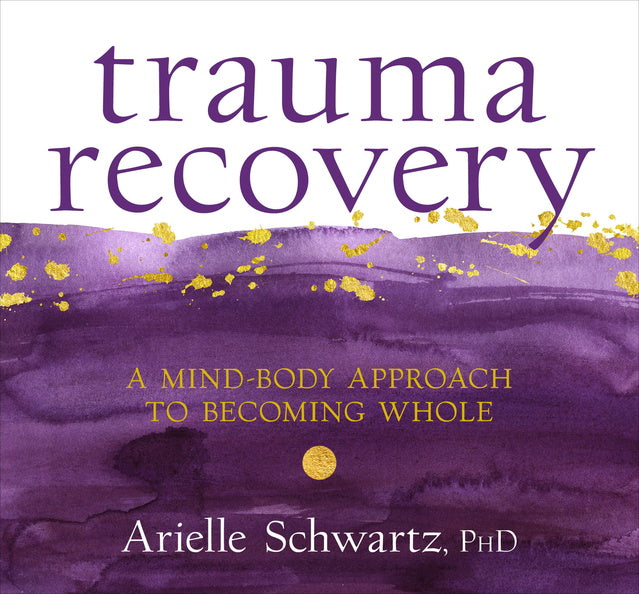
Dr. Arielle Schwartz is a clinical psychologist, author, teacher, and widely sought-out voice in the healing of trauma and complex trauma. She offers workshops for therapists on EMDR and somatic therapy, and maintains a private practice in Boulder, Colorado. She has written a book called The Post-Traumatic Growth Guidebook, and with Sounds True, has created a new audio teaching series called Trauma Recovery, A Mind-Body Approach to Becoming Whole. In this episode of Insights at the Edge, Tami Simon speaks with Arielle about reframing the narrative of trauma recovery to one of growth and meaning-making, rather than an effort to regain something we’ve lost. Arielle offers a look into different types of trauma, and explores how the body shapes itself around these wounds. She shares strategies for adapting to adversity and attending to trauma in ways that help victims return to a felt sense of safety within themselves. Finally, Tami and Arielle discuss how we can embrace the hero or heroine’s journey in our own lives as we grow from trauma.

Arielle Schwartz, PhD, is a psychologist, author, internationally sought-out teacher, and leading voice in the healing of PTSD and complex trauma. She is the author of four books: The Complex PTSD Workbook: A Mind-Body Approach to Regaining Emotional Control and Becoming Whole; EMDR Therapy and Somatic Psychology: Interventions to Enhance Embodiment in Trauma Treatment; The Post Traumatic Growth Guidebook: Practical Mind-Body Tools to Heal Trauma, Foster Resilience, and Awaken Your Potential; and A Practical Guide to Complex PTSD: Compassionate Strategies to Begin Healing from Childhood Trauma. She offers workshops for therapists on EMDR and somatic therapy for the treatment of trauma and complex trauma. Dr. Schwartz has a depth of understanding, passion, kindness, compassion, joy, and a succinct way of speaking about very complex topics to lay audiences. She maintains a private psychotherapy practice in Boulder, Colorado, and is a longtime meditation and spiritual practitioner, which she incorporates into her work. Learn more at drarielleschwartz.com.

Author photo © Benjamin Buren

600 Podcasts and Counting…

Subscribe to Insights at the Edge to hear all of Tami’s interviews (transcripts available too!), featuring Eckhart Tolle, Caroline Myss, Tara Brach, Jack Kornfield, Adyashanti, and many more.

Meet Your Host: Tami Simon

Founded Sounds True in 1985 as a multimedia publishing house with a mission to disseminate spiritual wisdom. She hosts a popular weekly podcast called Insights at the Edge, where she has interviewed many of today's leading teachers. Tami lives with her wife, Julie M. Kramer, and their two spoodles, Rasberry and Bula, in Boulder, Colorado.

Photo © Jason Elias

Also By Author

Trauma Recovery and Post-Traumatic Growth

Dr. Arielle Schwartz is a clinical psychologist, author, teacher, and widely sought-out voice in the healing of trauma and complex trauma. She offers workshops for therapists on EMDR and somatic therapy, and maintains a private practice in Boulder, Colorado. She has written a book called The Post-Traumatic Growth Guidebook, and with Sounds True, has created a new audio teaching series called Trauma Recovery, A Mind-Body Approach to Becoming Whole. In this episode of Insights at the Edge, Tami Simon speaks with Arielle about reframing the narrative of trauma recovery to one of growth and meaning-making, rather than an effort to regain something we’ve lost. Arielle offers a look into different types of trauma, and explores how the body shapes itself around these wounds. She shares strategies for adapting to adversity and attending to trauma in ways that help victims return to a felt sense of safety within themselves. Finally, Tami and Arielle discuss how we can embrace the hero or heroine’s journey in our own lives as we grow from trauma.

You Might Also Enjoy

Deb Dana on Polyvagal Theory: How to Befriend Your Ner...

Understanding your nervous system can feel overwhelming at first, especially when it seems to react without warning. One moment you’re grounded, and the next, you’re tense, withdrawn, or unsure of what triggered the change. For many, this cycle can feel confusing or even frustrating. But what if your body’s responses weren’t something to fix, but instead something to get to know? That’s the invitation behind Polyvagal Theory. It offers a way to understand why we feel the way we do and how we can gently support ourselves through those changes.

At Sounds True, we’ve had the honor of working with some of the world’s most respected voices in healing, mindfulness, and personal growth. Deb Dana is one of them. As a leading teacher of Polyvagal Theory and a powerful translator of nervous system wisdom, Deb brings warmth, clarity, and deep compassion to her work. Through our courses and podcast conversations, we’re proud to help bring her insights into daily life for anyone seeking more connection and safety within.

In this piece, we’ll be discussing Deb Dana’s unique approach to Polyvagal Theory, how to befriend your nervous system, and ways to bring nervous system regulation into your everyday experience.

Key Takeaways:

  • Understanding Polyvagal States: The nervous system shifts between states of connection, protection, and shutdown in response to cues of safety or threat.
  • Deb Dana’s Practical Wisdom: Deb Dana offers gentle, real-life ways to build awareness and regulation through small, consistent practices.
  • Everyday Application: Polyvagal-informed living supports emotional resilience, deeper relationships, and a greater sense of inner safety.

Insight Is The First Step Toward Transformation

What Is Polyvagal Theory?

Polyvagal Theory, developed by Dr. Stephen Porges, offers a new understanding of how our nervous system helps us navigate safety, connection, and survival. Rather than seeing the nervous system as a simple on/off switch for stress and relaxation, this theory describes a more nuanced system built around three key pathways: the ventral vagal, sympathetic, and dorsal vagal states.

Each of these states plays a role in how we respond to the world. When we’re in ventral vagal regulation, we feel safe, open, and connected. In sympathetic activation, the body gears up to protect us through the fight-or-flight response. And when that’s not possible, we may shift into dorsal vagal shutdown, which can feel like disconnection or collapse.

Polyvagal Theory helps us map these shifts, not as signs of dysfunction, but as adaptive responses to our inner and outer environment. This framework gives language to experiences that many people have felt but struggled to explain. It also lays a foundation for healing by understanding how the body communicates cues of safety and danger.

Deb Dana’s Approach To Nervous System Regulation

Deb Dana, a clinician and author deeply connected to Stephen Porges’s work, has played a vital role in making Polyvagal Theory accessible and applicable in everyday life. Her approach is rooted in the belief that regulation begins with awareness, not with trying to fix or override our nervous system, but by building a relationship with it.

Rather than pathologizing our responses, Deb invites us to get curious about them. When we begin to notice the shifts between states, like feeling open and connected one moment, then anxious or withdrawn the next, we start to understand the language of our nervous system.

Deb often describes this work as befriending the nervous system. That means learning to listen without judgment, responding with compassion, and practicing gentle ways of returning to safety and connection. It’s not about forcing calm, but about finding cues of safety that our unique system can trust.

Her guidance encourages small, consistent practices, such as tracking your state through the day, recognizing what helps you feel anchored, and using these insights to gently support nervous system regulation over time.

What It Means To Befriend Your Nervous System

To befriend your nervous system is to shift from self-criticism to self-compassion. It’s the practice of meeting your internal experience with kindness, even when it’s uncomfortable or unfamiliar.

For many of us, the nervous system has felt like something to overcome. We may have learned to push through anxiety, shut down emotion, or dismiss signals of exhaustion. But Deb Dana invites a different approach: one where we slow down and listen, where we get to know the patterns that shape our responses, and where we begin to trust that our bodies are trying to protect us, even when they’re not quite getting it right.

Befriending doesn’t mean controlling. It means becoming a companion to your own system. This can look like:

  • Noticing when your body feels safe and what helps you get there
  • Naming your state (without judgment)
  • Practicing ways to gently return to regulation

This relationship is built over time. It’s tender, respectful, and deeply personal. And it opens the door to greater resilience, not by avoiding discomfort, but by learning how to move through it with care.

Vagal Tone And The Path To Safety

Vagal tone is central to the body’s capacity for nervous system regulation. It reflects how easily we can shift into a state of calm and connection after stress. Supporting vagal tone isn’t about forcing the body to relax, it’s about creating environments and experiences that feel safe enough to allow that shift. Here’s how that can look in daily life:

What Is Vagal Tone?

Vagal tone describes the strength and responsiveness of the vagus nerve, which plays a vital role in regulating heart rate, digestion, and emotional state. A well-toned vagus nerve helps the body recover more quickly from stress and supports a felt sense of safety in both the body and mind.

Cues Of Safety: The Foundation Of Regulation

According to Deb Dana, nervous system regulation starts with cues of safety: experiences that tell the body it’s okay to soften. This might be eye contact with someone trustworthy, a soothing sound, or the rhythm of a steady breath. These cues signal the ventral vagal system to activate, bringing us into a state of calm engagement.

Practices That Support Vagal Tone

Strengthening vagal tone doesn’t require a dramatic change. Small, consistent actions like breathing slowly through the nose, humming, singing, or spending time with someone who helps you feel grounded can be deeply regulating. These practices gently guide the system back into connection.

From Survival To Connection

When vagal tone is strong, the nervous system becomes more flexible. This means we can move through sympathetic or dorsal states without getting stuck in them. Over time, this builds the capacity to return to connection more easily, even after moments of disconnection or overwhelm.

Learn to Treat Yourself with the Care You Offer Others

Bringing Polyvagal Wisdom Into Daily Life

Understanding your nervous system is powerful, but what truly creates change is learning to live alongside it. Deb Dana encourages everyday practices that help us build a stronger relationship with our system, not through big interventions, but through small, meaningful moments of connection.

Begin With Awareness

The first step is simply noticing. How does your body respond in different settings? What does “regulated” feel like for you? By tracking your nervous system states throughout the day, you start to recognize patterns, and that awareness becomes the ground for change.

Build A Personal Map

Deb often speaks about creating a personal nervous system map. This means identifying your own signs of ventral, sympathetic, and dorsal states, and naming the things that help you shift. Maybe music brings you back, or a certain person’s voice helps you settle. Mapping these can guide you toward regulation when you need it most.

Practice Micro-Moments Of Regulation

Regulation isn’t about staying calm all the time; it’s about returning. Even brief practices, like placing a hand on your heart or stepping outside for fresh air, can bring a sense of anchoring. Over time, these micro-moments build a more stable foundation of safety.

Stay In A Relationship

We heal through connection, not isolation. Polyvagal practice isn’t a solo journey. Co-regulation, or feeling safe in the presence of others, is a key part of nervous system healing. This might come from a trusted friend, a therapist, or even the steady rhythm of a pet’s breathing beside you.

How Trauma Shapes Nervous System Responses

Trauma can reshape how the nervous system interprets the world. Instead of easily recognizing cues of safety, the system may become more attuned to cues of danger even when none are present. Deb Dana emphasizes that this isn’t a flaw. It’s a form of protection the body learned when it needed to survive.

Survival States Are Adaptive

When the nervous system perceives a threat, it automatically shifts into survival states such as fight-or-flight or shutdown. For someone who has experienced trauma, these responses may become more easily triggered, even in situations that feel safe to others. It’s the body doing what it knows to do to keep you safe.

The Importance Of Compassionate Awareness

Understanding these patterns with compassion is essential. Rather than asking, “What’s wrong with me?”, Deb invites us to ask, “What happened that shaped my system this way?” This shift softens judgment and opens the possibility for healing.

Regulation Takes Time And Trust

Regulation after trauma doesn’t happen overnight. It’s a process of slowly teaching the body that it no longer has to stay in protection mode. Through safe relationships, grounding practices, and patient attention, the system can begin to relearn what safety feels like.

Learn More With Deb Dana And Sounds True

For those who feel drawn to deepen their relationship with their nervous system, Deb Dana offers supportive, accessible guidance through Sounds True. Her courses and conversations are designed to meet people where they are, gently, without pressure, and with a deep respect for each person’s unique path.

To begin, the Befriending Your Nervous System program offers practical tools for working with your nervous system in everyday life. If you’re looking to understand how safety feels from the inside out, Finding Safety in Your Nervous System may be a helpful next step.

You can also listen to the Deb Dana Befriending Your Nervous System Podcast to hear her insights shared in conversation, or to explore The Healing Trauma Online Course for a more immersive experience.

Each of these offerings invites you into a gentler, more connected relationship with yourself, one grounded in the wisdom of your own nervous system.

Discover The Power Of Daily Meditation

Final Thoughts

Polyvagal Theory gives us a language for something many of us have felt but didn’t know how to name: the constant shifts in how safe, connected, or overwhelmed we feel in our bodies. Through Deb Dana’s work, this understanding becomes not just theoretical, but personal, relational, and deeply human.

Befriending your nervous system isn’t about perfection. It’s about learning to notice, respond, and return again and again. It’s about offering yourself the same care and attunement you would offer someone you love. Over time, this practice becomes a way of living a quiet, steady return to connection.

Frequently Asked Questions About Polyvagal Theory

What does polyvagal mean in simple terms?

“Polyvagal” refers to the different branches of the vagus nerve that influence how we feel safe, respond to stress, and connect with others. It describes a system that helps us navigate connection, danger, and disconnection based on cues from our environment.

Can polyvagal theory help with anxiety?

Yes. Polyvagal Theory offers insight into how anxiety arises from nervous system states, helping people recognize when their system is in a stress response and how to shift toward a state of calm.

Is polyvagal theory supported by science?

Polyvagal Theory is rooted in neurophysiology and has a growing base of clinical application, especially in trauma therapy. While still evolving in research, it’s widely respected in somatic and therapeutic communities.

What role does breathwork play in polyvagal regulation?

Breathwork, especially slow, nasal breathing, can activate the vagus nerve and support regulation. It’s a gentle, accessible way to shift into a more connected state.

Can children benefit from polyvagal-informed practices?

Yes. Children, especially those with emotional or behavioral challenges, can benefit from environments that offer clear cues of safety and regulated adult presence.

How is co-regulation different from self-regulation?

Co-regulation happens through connection with others, such as being with someone calm and supportive, while self-regulation involves managing one’s own nervous system responses.

Does polyvagal theory apply to everyday stress?

Absolutely. Everyday stressors like social tension, noise, or change can trigger shifts in the nervous system. Polyvagal Theory helps explain and work with these shifts.

Is polyvagal theory only used in therapy?

No. While it’s widely used in therapeutic settings, its principles apply to relationships, parenting, education, leadership, and even creative practice.

Can someone be stuck in a survival state without realizing it?

Yes. Many people live in chronic sympathetic (anxious) or dorsal (shut down) states without having language for it. Polyvagal Theory offers a way to recognize and respond to these patterns.

How long does it take to “befriend” your nervous system?

There’s no fixed timeline. It’s an ongoing relationship that builds over time with consistent practice, gentle awareness, and supportive environments.

Michelle Cassandra Johnson is an author, activist, spiritual teacher, racial equity consultant, and intuitive healer. She is the author of six books, including Skill in Action and Finding Refuge. Amy Burtaine is a leadership coach and racial equity trainer. With Robin DiAngelo, she is the coauthor of The Facilitator's Guide for White Affinity Groups. For more, visit https://www.michellecjohnson.com/wisdom-of-the-hive.

Why the Pursuit of Happiness May Be Making You Miserab...

The pursuit of happiness is often presented as the highest aim of a life well lived. From an early age, we are encouraged to chase fulfillment, positivity, and emotional ease, believing that happiness will bring clarity and stability. Yet many people find that the harder they pursue happiness, the more elusive it becomes. Even moments of success or joy can feel strangely thin, unable to answer the deeper questions that surface in times of loss, change, or uncertainty.

At Sounds True, we have spent decades listening to spiritual teachers, psychologists, and seekers speak honestly about what it means to live a meaningful life. Since 1985, we have been dedicated to preserving and sharing living wisdom in the voices of those who explore the inner life with depth and integrity. Our work is rooted in the understanding that transformation does not come from quick fixes or surface-level positivity, but from sincere engagement with the complexities of the human experience.

In this piece, we will be discussing why the pursuit of happiness may be making us miserable, and how the tension between meaning vs happiness points toward a deeper understanding of the purpose of life.

Key Takeaways:

  • Happiness Trap: Chasing happiness as a life goal often increases anxiety, self-judgment, and emotional fragility.
  • Meaning Orientation: Meaning provides stability by grounding life in values and responsibility rather than mood.
  • Purpose of Life: A meaningful life is lived through honesty and engagement, not through constant emotional comfort.

The Modern Obsession With Happiness and the Happiness Trap

Happiness has become a quiet obligation. We are encouraged to seek it, protect it, and interpret it as proof that our lives are working. When happiness fades, the assumption is often that something is wrong with us rather than with the expectation itself.

This mindset creates the happiness trap. Because happiness is temporary and responsive to circumstance, chasing it can lead to frustration and self-judgment. Difficult emotions are treated as problems to eliminate instead of experiences to understand.

Over time, this obsession narrows the inner life. Rather than engaging with sadness, doubt, or longing, we learn to override them in the name of feeling better. What gets lost is not joy, but depth. The trap is not unhappiness, but the belief that happiness should carry the full meaning of a life.

Meaning vs Happiness and the Deeper Question of the Purpose of Life

The contrast between meaning vs happiness reveals a deeper question about how we orient our lives. Happiness focuses on how we feel in the moment. Meaning speaks to why we live as we do. When happiness becomes the primary goal, life can feel unstable, shaped by moods and circumstances that are constantly changing.

Meaning offers a different center of gravity. It allows life to hold complexity, including struggle and uncertainty, without losing coherence. A meaningful life is not defined by constant pleasure, but by alignment with values that give direction and substance to experience.

When meaning guides our choices, happiness may still appear, but it is no longer required to justify our lives. Meaning provides continuity where happiness cannot, answering the deeper question of purpose with lived commitment rather than emotional certainty.

Awaken Your Inner Healing Power

How the Happiness Trap Shapes Our Fear of Suffering

When happiness is treated as the goal of life, suffering begins to feel like a mistake. Difficult emotions are no longer understood as meaningful experiences, but as problems to eliminate. This shift quietly changes how we relate to pain.

Why Suffering Becomes Something to Avoid

In a happiness-focused mindset, grief, failure, and uncertainty are seen as signs that something has gone wrong. The natural response is avoidance. Instead of meeting pain with curiosity or care, we rush to fix it, distract from it, or explain it away.

How Avoidance Narrows the Inner Life

Avoiding suffering also means ignoring the messages it carries. Sadness can point to loss. Anxiety may signal misalignment. Restlessness often reflects unlived longing. When these signals are suppressed, the inner life becomes smaller and less honest.

What Changes When Suffering Is Given Meaning

Meaning allows suffering to be held without being denied or dramatized. Pain does not disappear, but it gains context. When suffering is understood as part of a meaningful life, it no longer defines us. It becomes something we can endure, learn from, and integrate.

Jungian Psychology and Why Meaning Matters More Than Happiness

From a Jungian psychology perspective, happiness alone is too limited a task for the human psyche. Carl Jung observed that psychological distress often arises not from a lack of pleasure, but from a lack of meaning. The psyche seeks wholeness, even when that path is uncomfortable.

Why the Psyche Seeks Wholeness, Not Pleasure

The psyche is oriented toward growth and integration. Happiness may appear along the way, but it is not the aim. Jung understood that inner development often requires tension, conflict, and honest confrontation with the self, experiences that do not always feel pleasant but are essential to becoming whole.

The Difference Between Adaptation and Meaning

A person can adapt well to social expectations while feeling inwardly lost. Jung distinguished between fitting in and living in alignment with the deeper self. Happiness can result from adaptation. Meaning emerges when we listen to the psyche’s demands, even when they disrupt familiar roles or identities.

Why Meaning Sustains Us When Happiness Fails

Happiness fluctuates with circumstance. Meaning endures because it is rooted in values and inner truth. Jungian psychology suggests that meaning provides the structure needed to hold suffering without collapse, offering depth and continuity when pleasure alone cannot.

Discover The Power Of Daily Meditation

Finding Life Meaning Through Jungian Psychology and the Shadow

Finding life meaning often requires turning toward what we have avoided. In Jungian psychology, the shadow represents parts of ourselves that were set aside in order to belong, succeed, or remain acceptable. These disowned aspects do not disappear. They shape our lives quietly, often showing up as dissatisfaction or inner conflict.

When the shadow is ignored, happiness can become a defense against discomfort. Positivity replaces honesty, and meaning gives way to performance. Over time, this creates inner division and a sense that something essential is missing.

Reclaiming the shadow restores depth and vitality. This process is explored in Knowing Your Shadow, which emphasizes that wholeness, not happiness, is the psyche’s deeper aim. Meaning emerges as we integrate what was once rejected and allow ourselves to live more fully and truthfully.

The Purpose of Life Beyond Comfort, Pleasure, and Certainty

If happiness is not life’s goal, the question of purpose becomes unavoidable. A depth-oriented view suggests that the purpose of life is not comfort or emotional ease, but engagement with what feels meaningful, even when it brings uncertainty or challenge.

A life organized around comfort tends to shrink. Choices are guided by avoidance rather than calling, and over time, this can dull vitality. Meaning, by contrast, asks for participation. It draws us into responsibility, relationship, and creative response to life as it is.

This understanding is reflected in A Life of Meaning, which frames purpose as something lived through honest commitment rather than emotional reward. Meaning does not promise happiness, but it offers direction, depth, and a sense of inner coherence.

Midlife, Jungian Psychology, and the Second Half of Life

Midlife often marks a turning point where the pursuit of happiness begins to lose its power. Roles, achievements, and identities that once provided direction may no longer satisfy. From a Jungian psychology perspective, this is not a crisis to fix, but a signal that a deeper task is emerging.

The first half of life is largely shaped by adaptation to the outer world. The second half calls for inward attention, meaning, and reconciliation with what has been left unlived. This transition can feel disorienting, especially if happiness has been the primary guide.

This shift is explored in The Second Half of Life, which frames midlife as an invitation to reorient around meaning rather than achievement. What matters now is not restoring happiness, but living with greater honesty and inner authority.

Living an Examined Life and the Search for Meaning vs Happiness

Living an examined life asks us to question the assumptions shaping our pursuit of happiness. Without reflection, happiness is often chased automatically, guided by habit, expectation, or fear of discomfort rather than inner truth. Examination interrupts this pattern and opens space for meaning.

This kind of reflection is not about self-improvement. It is about awareness. By noticing where we are living on autopilot, we begin to see what actually matters and where our lives may feel misaligned.

This orientation is central to Living an Examined Life by James Hollis, which emphasizes that meaning arises through sustained self-inquiry rather than external success. An examined life may not guarantee happiness, but it offers clarity, integrity, and depth.

A Life of Meaning and the Ongoing Practice of Finding Life Meaning

A life of meaning is not something we achieve once and hold onto. It is shaped through ongoing attention, honest choice, and responsiveness to what matters. Meaning grows through lived commitment, not emotional consistency.

Finding life meaning requires patience and presence. It unfolds through responsibility, creativity, and service, often during moments that challenge comfort rather than reinforce it. Meaning does not eliminate difficulty, but it gives difficulty direction.

When meaning becomes central, happiness may still arise, but it is no longer the measure of a life’s value. Meaning provides continuity, depth, and a steady orientation, even as feelings change.

How your mind really works

Final Thoughts

The pursuit of happiness often leaves little room for the realities of loss, uncertainty, and change. When happiness becomes the standard, suffering can feel like something has gone wrong. Meaning offers a steadier orientation. It does not eliminate difficulty, but it gives difficulty context.

A meaningful life asks for honesty, presence, and commitment to what feels true. Happiness may come and go, but meaning provides depth and resilience. It allows us to live fully, even when joy is fleeting, and answers remain unfinished.

Frequently Asked Questions About Why the Pursuit of Happiness May Be Making You Miserable

Is happiness a bad goal to have?

Happiness itself is not harmful. Problems arise when happiness is treated as life’s primary purpose rather than a passing emotional state.

What does meaning vs happiness really mean?

It describes the difference between seeking pleasant feelings and seeking a life shaped by values, responsibility, and inner alignment.

Why do people feel empty even when life is going well?

External success and comfort can coexist with inner emptiness when deeper psychological needs for meaning are unmet.

Does choosing meaning mean choosing suffering?

No. Meaning does not seek suffering, but it allows difficulty to be faced without defining life as broken.

How does culture influence our obsession with happiness?

Modern culture often frames happiness as a personal achievement, creating pressure to feel good regardless of life circumstances.

Can meaning change over time?

Yes. Meaning evolves as life unfolds, especially during transitions such as loss, aging, or changes in identity.

Is the purpose of life the same for everyone?

No. While the need for meaning is universal, how meaning is expressed is deeply personal.

Why does happiness feel so fragile?

Happiness depends on mood and circumstance, which are constantly shifting and largely beyond control.

Can a meaningful life still include joy?

Yes. Joy often arises naturally when life feels purposeful, but it is no longer treated as a requirement.

How do I begin shifting from happiness to meaning?

By paying attention to what feels deeply true, even when it is uncomfortable, and allowing that awareness to guide choices.

Michelle Cassandra Johnson is an author, activist, spiritual teacher, racial equity consultant, and intuitive healer. She is the author of six books, including Skill in Action and Finding Refuge. Amy Burtaine is a leadership coach and racial equity trainer. With Robin DiAngelo, she is the coauthor of The Facilitator's Guide for White Affinity Groups. For more, visit https://www.michellecjohnson.com/wisdom-of-the-hive.

How Past-Life Memories Create Present-Day Fears (And H...

Fear does not always arrive with an obvious explanation. Many people live with anxieties, phobias, or emotional reactions that seem disconnected from their current life experiences. These fears can surface suddenly, live in the body rather than the mind, and resist traditional efforts to reason them away. For spiritual seekers, this raises an important question: what if some fears are not rooted in this lifetime at all, but are echoes of experiences carried forward?

At Sounds True, we have spent decades preserving and sharing living wisdom from some of the world’s most trusted spiritual teachers, therapists, and healers. Since 1985, we have been dedicated to offering teachings that honor emotional truth, embodied healing, and inner transformation. Our work centers on meeting people where they are, with practices that are grounded, trauma-informed, and rooted in compassion. Through books, courses, audio programs, and podcasts, we continue to support deep inquiry into healing, consciousness, and the human experience.

Here, we examine how past-life memories may influence present-day fears, how past-life regression can help reveal their roots, and how gentle, safety-centered approaches support meaningful and lasting healing.

Key Takeaways:

  • Fear as Memory: Present-day fear may reflect unresolved emotional memory rather than current danger.
  • Healing Through Safety: Past-life healing works best when the nervous system feels supported, not overwhelmed.
  • Integration Over Insight: Awareness and regulation matter more than detailed past life stories.

Awaken Something Greater

How Past Life Fears Take Shape Through Memory

Some fears do not originate in this lifetime. They arise without a clear cause and often live more in the body than in conscious thought. These experiences are commonly described as past-life fears, emotional or sensory memories that were never fully resolved.

Past life memories do not always appear as stories or images. More often, they show up as physical responses. A sudden wave of fear, a tightening in the chest, or a feeling of danger that seems disconnected from the present moment. From this perspective, fear is not irrational. It is the nervous system responding to something it recognizes.

When trauma is not integrated, its emotional imprint can carry forward. Experiences involving shock, loss, or threat may remain active beneath the surface, shaping how we respond to similar situations now. This helps explain why certain fears feel disproportionate or persistent, even when we cannot trace them to current events.

Approaching fear with curiosity rather than resistance allows healing to begin. Instead of trying to eliminate fear, we learn to listen to it. In doing so, fear becomes a doorway to understanding what is ready to be acknowledged and released.

Awaken Your Inner Healing Power

Past Life Regression and the Origins of Present-Day Fear

Past life regression offers a way to understand fear by looking beyond the current lifetime. Rather than analyzing fear, this approach allows its emotional roots to surface gently, without forcing memory or meaning.

How Past Life Regression Reveals the Roots of Fear

During past life regression, fear often appears as sensation or emotion rather than a full narrative. These responses may be linked to experiences of danger or loss that were never fully resolved. When their origin becomes visible, the nervous system can begin to relax. 

This awareness helps shift fear from something overwhelming into something understandable. Teachings such as Healing with Spiritual Light support this process by emphasizing compassion and emotional integration.

Why Regression Therapy Prioritizes Safety

Regression therapy focuses on safety, choice, and pacing. Healing does not come from reliving trauma, but from observing it while remaining grounded in the present. A gentle approach allows fear to be acknowledged without overwhelming the body.

When the nervous system feels supported, fear naturally loses intensity. Over time, past life material no longer drives present-day reactions, creating space for greater calm and clarity.

Past Life Trauma and How It Lives in the Body

Past life trauma often expresses itself physically rather than through memory. Even when the mind does not recall an origin, the body may continue to react as if an old threat is still present. This helps explain why fear can feel automatic and difficult to control.

How Past Life Trauma Becomes a Physical Response

Unresolved trauma leaves an imprint on the nervous system. It can show up as sudden fear, chronic tension, or emotional reactions that feel out of proportion to present circumstances. These responses reflect the body’s effort to stay safe based on earlier experiences that were never fully integrated.

Why the Body Needs Trauma-Informed Healing

Because trauma lives in the body, healing must support regulation and safety. Gentle, trauma-informed approaches allow fear to soften without forcing exposure or emotional overwhelm. As the nervous system learns that the danger has passed, past life trauma gradually releases its hold.

Recognizing Patterns Linked to Past Life Fears

Past life fears often reveal themselves through patterns rather than memories. These patterns can repeat across relationships, environments, or emotional states, offering clues about what the fear is protecting and where it may have originated.

  • Strong emotional reactions that feel sudden or disproportionate to the situation
  • Repeated fears connected to specific themes such as water, confinement, authority, or abandonment
  • A sense of panic or urgency without an identifiable present-day cause
  • Physical sensations like tightness, nausea, or weakness that appear before conscious fear
  • Avoidance of situations that seem harmless but feel internally unsafe
  • Recurring dreams or images with a familiar emotional tone rather than a clear storyline

Noticing these patterns does not require interpretation or analysis. Awareness alone begins to loosen their hold. When fear is recognized as a response shaped by earlier experiences, it becomes easier to meet it with patience rather than resistance.

Over time, this shift creates space between the present moment and the past. Fear no longer has to run the show. It becomes a signal that can be listened to, understood, and gently released.

Heal Past Life Trauma Through Awareness and Safety

Healing past-life trauma begins by meeting fear with awareness while staying grounded in the present. When safety is prioritized, fear can surface without overwhelming the nervous system, allowing real change to occur.

Why Awareness Is More Healing Than Reliving

Healing does not require replaying past experiences. Noticing how fear appears now, as sensation or emotion, helps the body recognize that the original danger has passed. Awareness allows fear to soften without intensifying it.

Creating Safety as the Path to Release

Safety gives the nervous system permission to let go of old protective patterns. Gentle approaches that focus on compassion and reintegration support this process. Teachings such as The Power of Shamanism reflect this emphasis on restoring wholeness rather than forcing resolution. As safety becomes familiar, fear no longer needs to stay alert. Past life trauma gradually releases, creating space for steadiness and ease.

Past Life Healing Without Re-Traumatization

Past life healing does not require reliving painful experiences. Healing happens when fear is acknowledged without pulling the body back into the original emotional intensity. A gentle approach allows old memories or sensations to surface while the nervous system remains grounded in the present. This process emphasizes pacing and regulation. When fear is met with steadiness rather than force, it begins to release on its own. Frameworks such as How to Read the Akashic Records reflect this understanding by focusing on safety, compassion, and integration rather than exposure.

Regression Therapy as a Supportive Healing Practice

Regression therapy can support healing when it is used as a listening practice rather than a search for dramatic memory. Its purpose is not to uncover detailed stories, but to create a steady space where fear can be observed without being intensified.

When guided with care, regression therapy helps individuals remain present while past life material surfaces. Sensations and emotions are met with awareness, allowing the nervous system to stay regulated. This makes it possible for fear to complete its cycle instead of continuing to repeat old patterns.

Used alongside grounding and integration practices, regression therapy can help reduce the hold past experiences have on present-day reactions. Over time, fear becomes less reactive, and the body gains greater confidence in its ability to remain safe in the present.

Integrating Past Life Healing Into Daily Life

Past life healing becomes meaningful when its effects show up in everyday experience. As fear releases, people often notice subtle but steady changes in how they respond to situations that once felt overwhelming. Reactions slow down. The body feels less braced. Choice becomes available where fear once took over.

Integration happens through presence. Noticing when fear arises and meeting it with the same awareness used in healing work helps reinforce new patterns of safety. Supportive learning environments, such as The Healing Trauma Online Course, offer guidance for stabilizing the nervous system and supporting ongoing integration.

This process is rarely dramatic. Healing unfolds gradually, through small moments of ease and increased trust in the body’s signals. As past life healing integrates, fear no longer defines behavior. It becomes information that can be acknowledged without control, allowing daily life to feel more grounded and responsive.

Discover the power of daily meditation

Final Thoughts

Fear can feel rooted in the present, yet its origins may reach far deeper. When fear is approached as a carrier of memory rather than a problem to fix, it becomes easier to meet with patience and care. Past life healing offers a way to listen without force, allowing old patterns to release in their own time. As fear softens, greater ease and trust naturally take its place.

Frequently Asked Questions About Past Life Memories: Create Present

Can past life regression create false memories?

Past life regression is not about verifying historical events. Its value lies in emotional insight and healing, not factual recall, which helps prevent fixation on literal accuracy.

Is past life regression connected to any specific religion?

No. Past life regression is used across spiritual, therapeutic, and secular contexts. It does not require adherence to any belief system to be meaningful or effective.

Do you need to believe in reincarnation for regression therapy to work?

Belief is not required. Many people experience benefits by working with regression symbolically, focusing on emotional patterns rather than literal past lives.

How is past life regression different from hypnosis?

Regression often uses hypnotic techniques, but its purpose is specific. It focuses on accessing emotionally charged material related to fear, rather than general suggestion or behavior change.

Can children experience past-life fears?

Some practitioners believe children may express fears or behaviors linked to unresolved memories. However, any work with children should be approached with care and professional guidance.

Is regression therapy safe for people with anxiety?

When trauma-informed and properly guided, regression can be supportive. Individuals with anxiety benefit most when sessions emphasize grounding and nervous system regulation.

How long does it take to feel changes after past life healing?

Changes vary. Some notice shifts quickly, while others experience gradual softening of fear over time as the body integrates new patterns of safety.

Can past life regression replace traditional therapy?

Regression is best used as a complementary approach. It can deepen insight but does not replace mental health care when clinical support is needed.

What if nothing comes up during a regression session?

This is common and not a failure. Healing can still occur through relaxation, body awareness, or emotional insight without specific imagery or memories.

Are recurring dreams connected to past-life fears?

Recurring dreams may reflect unresolved emotional themes. Some people find that addressing these themes through regression reduces the intensity or frequency of the dreams.

Michelle Cassandra Johnson is an author, activist, spiritual teacher, racial equity consultant, and intuitive healer. She is the author of six books, including Skill in Action and Finding Refuge. Amy Burtaine is a leadership coach and racial equity trainer. With Robin DiAngelo, she is the coauthor of The Facilitator's Guide for White Affinity Groups. For more, visit https://www.michellecjohnson.com/wisdom-of-the-hive.

>
Share via
Copy link
Powered by Social Snap