Ayurveda Lifestyle Wisdom

    —
March 3, 2017

Dear Wisdom Seekers,

I am writing to tell you that anything is possible.

You have the potential to change your state of health for the better—permanently. Thanks to Ayurveda, the profound 5,000-year-old health awakening wisdom from India, I have successfully overcome a genetic challenge that wanted to restrict me to a wheelchair. Today, I walk happily, even run, and live my life to its fullest.

In my new book, Ayurveda Lifestyle Wisdom, I share real-life journeys of transformation from people with conditions such as ulcerative colitis, multiple sclerosis, depression, and chronic obesity. Indeed, this wisdom is ancient, but ever so relevant to our modern epidemic of lifestyle disorders.

In addition to its restorative principles, Ayurveda is preventative, eco-friendly, and cost effective. You literally construct your health in your own kitchen and backyard. Perhaps this explains its rising popularity all over the world. Countless people are laying claim to this joy-bearing health by implementing a nature-inspired, seasonal lifestyle from the art, science, and spirituality of Ayurveda that sheds a beautiful light on the three pillars of health – sleep, sex, and food!

In a sense, my book is a vehicle to document the experiential and spiritually charged instruction of my formative years. You see, I grew up in India in a tiny riverside town, resplendent with golden sunshine and the call of peacocks dancing in the monsoons. The mystic Himalayas gifted my soul with an immense river, the Sarayu, on whose serene banks I conversed, contemplated, and meditated as a young student with my teacher—a renowned yogi and healer, who was also my kind-hearted grandfather.

Every morning, I learned not only to cup my palms to reach out for the beautiful river water and splash it on my face with glee, but I also learned to recapture handfuls of hope. When we beautify each day with a scared lifestyle, we connect our mundane existence with something sublime and potent within us.

This is how I learned Ayurveda’s secrets, heart to heart, soul to soul, by journeying first within myself to explore my own infinite potential. And this is how I share them with you in Ayurveda Lifestyle Wisdom—step by step and from my heart.

I believe my book will awaken something invisible within—a powerful presence and an inner knowingness. Remember, a well-lived day is medicine unto itself.

PS- “Acharya” is my traditional title in Sanskrit, which means “master teacher.” Shunya is my name. And you can always go to acharyashunya.com to read more about the book and my journey.


Radiantly yours,

Shunya


Acharya Shunya

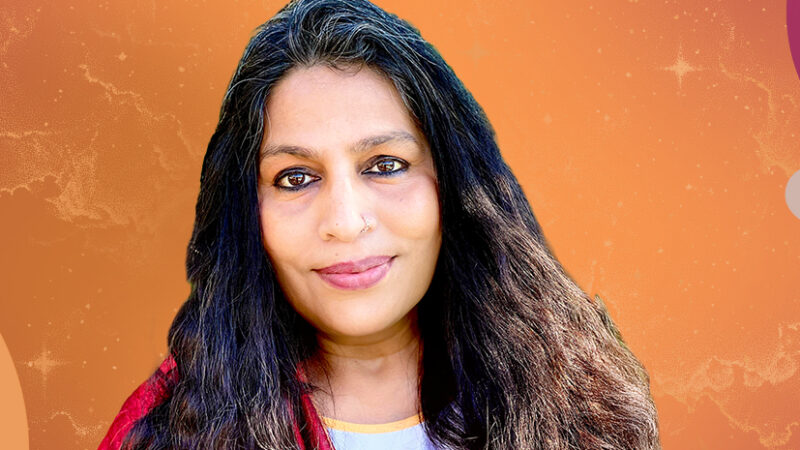
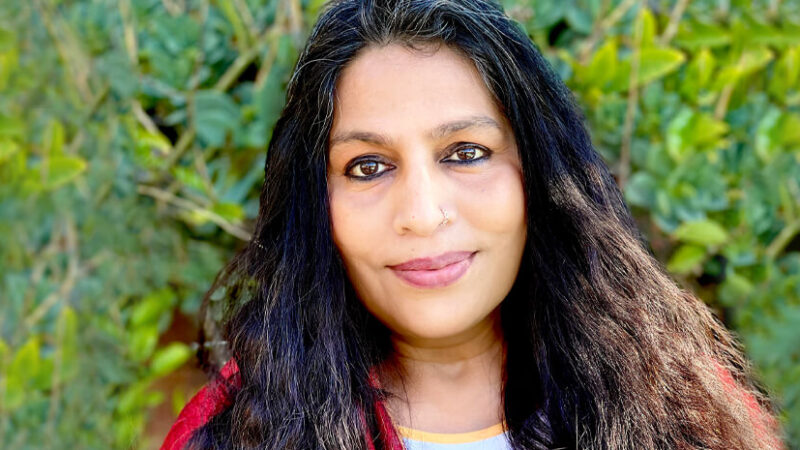
Acharya Shunya is an internationally renowned mystic and a classically trained master of nondual Advaita, Ayurveda, and Yoga. The first female head of her 2,000-year-old Vedic-Hindu spiritual lineage from India, Shunya facilitates authenticity, self-remembrance, and divine feminine pathways to awakening.  She is founder of The Awakened Self Foundation with its international headquarters in California, and is the author of Ayurveda Lifestyle Wisdom, Sovereign Self, and Roar Like a Goddess.

Author photo © Sanjai Mathur

Also By Author

Acharya Shunya: The Five Phases of the Vedic Afterlife...

In the second half of Acharya Shunya’s talk, she shares her personal journey from tradition to transformation, offering practical tools and Vedic insights to help us embrace our greater purpose here.

Through her personal experiences, practical guidance, and teachings from her lineage, Acharya Shunya offers us a roadmap to awakening and living a more meaningful, empowered life.

Note: This interview originally aired on Sounds True One, where these special episodes of Insights at the Edge are available to watch live on video and with exclusive access to Q&As with our guests. Learn more at join.soundstrue.com.

Acharya Shunya: The Five Phases of the Vedic Afterlife...

Acharya Shunya joins Tami Simon to explore Vedic perspectives on reincarnation, the journey of the soul, and the deeper meaning behind life, death, and rebirth.

Are you curious about what happens after we die? This week’s episode continues our series of talks on reincarnation. Here, Tami Simon joins Acharya Shunya, a trailblazing Vedic teacher and author, to explore ancient wisdom about the soul’s journey beyond this life, as well as her own direct insights gained in service of her own lineage’s evolution.

Acharya Shunya shares her step-by-step guide to what happens after death, revealing a compassionate, non-judgmental process focused on growth and remembrance—not punishment for the misconceived concept of “bad karma.” 

Note: This interview originally aired on Sounds True One, where these special episodes of Insights at the Edge are available to watch live on video and with exclusive access to Q&As with our guests. Learn more at join.soundstrue.com.

Roar Like a Goddess

In this podcast we join Sounds True founder, Tami Simon, in conversation with Acharya Shunya, a master of Ayurveda and an internationally renowned spiritual teacher and scholar of Advaita (nondual wisdom). Give a listen to this informative dialogue to hear about Acharya Shunya’s book, Roar Like a Goddess, and her empowering insights into : Awakening the inner goddesses of the Vedic tradition; the progressive revelation of Durga, Lakshmi, and Saraswati; “ugly power” based on ignorance, and the devas (or light bearers) who cultivate power ethically; how symbolism helps you discover your power; healthy rage and “correctional, super-conscious anger”; the divine, ultimate truth of nonduality at the core of Vedic wisdom; the river of light that flows within all of us; and more.

You Might Also Enjoy

Phenomena Finale: Not a Machine but a Flame [Takeover]

What is the “energy” in energy healing? Healers channel it. Patients reach for it. Ancient healing traditions built entire systems around it, and modern researchers are working to study it. But what is energy, biologically, physically, measurably…but also spiritually, and how does it move through the body to influence health and healing?

In this special feed takeover, we’re bringing you the season finale of Phenomena: The Science and Stories of Energy Healing, in which host Ivy Ross brings together three renowned scientists whose visions, taken together, begin to answer that question:

  • Martin Picard, PhD, of Columbia University, has spent his career studying mitochondria, the body’s cellular power sources, and has found them far more connected to our inner experience and consciousness than biomedicine ever assumed, and likely far more central to how we heal.
  • Richard Hammerschlag, PhD, co-authored the paper that helped define the modern science of the biofield: the organizing fields of energy and information that operate within the body and extend outward from it, echoing the nested qi fields of older healing traditions.
  • Neil Theise, MD, of NYU, helped identify the interstitium, a major recent discovery of a fluid-filled network running throughout the body that may explain how signals fundamental to health and healing actually travel.

Together, these three voices offer a compelling, deeply human vision of the body and mind not as a machine, but as a dynamic energetic ecosystem.

To close out the season, Ivy and researcher Meredith Sprengel also welcome special guest Jonathan Cohen, co-creator and executive producer of Mayim Bialik’s Breakdown, to help land these big ideas about energy, healing, and life.

This episode marks the finale of Phenomena‘s first season. To continue the journey and explore the full docuseries, visit phenomenahealing.com. →

Just One Question | Martha Beck: What Do I Do At Three...


Three in the morning. Brain already running. Every unfinished thing in your life suddenly very urgent. Sound familiar?

We pulled this week’s question because when Tami asked Martha Beck what to actually do in that moment, her answer was genuinely not what we were expecting. No breathwork protocol. No journaling prompt. What Martha offers is something way simpler — and honestly, kind of revolutionary in how low the bar is.

Martha Beck is a Harvard-trained sociologist, bestselling author, and one of the sharpest minds out there on anxiety and how we actually heal it. She’s been working through her own anxiety since childhood, and she’s arrived somewhere really good. (Spoiler: it involves audiobooks, furry blankets, and thinking like a golden retriever.)

Here’s some of what she gets into:

  • Why she plays Sounds True audiobooks at half-speed in the middle of the night — and why slowing down is the whole point
  • The self-kindness practice she uses when her brain won’t quit, including the exact question she asks herself
  • A story from Liz Gilbert’s Eat, Pray, Love about a two-word message that Martha keeps coming back to — it’s a good one
  • How decades of anxiety can actually rewire into something peaceful, and why what fires together really does wire together

Honestly, this one left us wanting to go take a nap. In the best way.

Taken from the full Insights at the Edge conversation with Martha Beck. Find the complete interview in this feed or at soundstrue.com.

This episode is sponsored by Omega Institute, a global gathering hub for lifelong learning and spiritual exploration. Omega offers weekend workshops, special events, rest and rejuvenation retreats, professional training, online learning, and more. Discover what calls to you at eomega.org/true.

Wim Hof on Cold as a Noble Force: How Cold Exposure Re...

Many people spend their lives avoiding discomfort. Cold weather sends us indoors, stress pushes us toward distraction, and physical tension becomes something we ignore until it feels impossible to avoid. Wim Hof approaches discomfort differently. Through cold exposure and breathwork, he teaches that moments of intensity can become opportunities to reconnect with the body, calm the mind, and build greater resilience. His methods have sparked global interest because they encourage people to experience awareness directly rather than simply think about it.

At Sounds True, we have spent decades sharing transformational teachings from respected spiritual teachers, wellness experts, and visionaries who help people deepen self awareness and reconnect with meaningful practices for inner growth. Conversations with voices like Wim Hof continue that mission by offering grounded approaches to resilience, presence, and the connection between body and mind.

Here, we discuss Wim Hof method benefits, the role of cold exposure and breathwork, and how these practices may support resilience, focus, and emotional balance.

Key Takeaways:

  • Nervous System Response: Learn how cold exposure and conscious breathing may influence stress regulation and emotional resilience.
  • Mind-Body Awareness: Understand how the Wim Hof method encourages greater presence, focus, and connection with physical sensations.
  • Adaptation Through Discomfort: See how controlled cold exposure can help strengthen mental steadiness and the body’s natural adaptability.

Discover the Power of Daily Meditation and Inner Stillness

Why Wim Hof Calls Cold a Noble Force

Wim Hof sees cold as a way to reconnect with the body and sharpen awareness. The moment people encounter cold, breathing changes, attention focuses, and distractions fade. He believes modern comfort has weakened the body’s natural resilience, while cold exposure helps restore that connection. For Hof, learning to stay calm in the cold can also help people respond to stress and discomfort with greater steadiness in everyday life.

Wim Hof Method Benefits for Body and Mind

The Wim Hof method combines conscious breathing, cold exposure, and mental focus. Together, these practices are designed to strengthen the connection between body and mind while encouraging resilience under stress. Many people are drawn to the method because it feels deeply experiential rather than theoretical.

Before discussing specific benefits, it helps to understand that the method is rooted in adaptation. The body constantly responds to its environment, and Hof believes intentional exposure to manageable stress can help restore physical and emotional balance.

Physical Energy and Nervous System Support

One of the most discussed Wim Hof method benefits is increased energy and mental clarity. Many people report feeling more alert and refreshed after cold exposure practices. Cold immersion also activates the nervous system, encouraging people to regulate their breathing instead of reacting automatically to stress. Over time, this may support better focus, emotional steadiness, and recovery from stress.

Emotional Resilience Through Discomfort

The emotional side of the Wim Hof method is just as important as the physical practice. Through controlled discomfort, people learn to notice fear and stress without immediately reacting to them. By focusing on the breath and staying present, many practitioners develop greater emotional resilience and feel calmer during stressful situations in daily life. 

How Wim Hof Breathing Supports Mental Clarity and Focus

Wim Hof breathing forms the foundation of the method and serves as a bridge between physical sensation and mental awareness. The breathing exercises involve deep rhythmic breathing followed by periods of breath retention, creating noticeable shifts within the body and mind.

For many people, breathing becomes shallow and unconscious during stressful moments. Tension accumulates quietly, and the nervous system remains in a reactive state without conscious awareness. Hof’s breathing practices encourage people to reconnect with the breath in a more intentional way.

How Conscious Breathing Influences Stress

The breath has a direct relationship with the body’s stress response. Rapid, shallow breathing can reinforce anxiety and tension, while slower and more deliberate breathing often encourages relaxation and stability.

Wim Hof breathing teaches people to become aware of those patterns rather than remaining trapped inside them unconsciously. During the breathing exercises, many people experience a sense of release as physical tension softens and attention becomes more grounded in the present moment.

This shift may help support emotional regulation throughout daily life. When stressful situations arise, conscious breathing can become an anchor that creates space between reaction and response.

Breathwork as a Practice of Presence

Breathwork also supports greater awareness and presence in everyday life and relationships. Many people describe Wim Hof breathing as both calming and energizing because it encourages deeper attention to the body, emotions, and mental patterns. Rather than avoiding discomfort, the breath becomes a tool for moving through it with greater awareness and steadiness.

Cold Exposure Benefits for Stress and Emotional Resilience

Cold exposure benefits extend beyond physical endurance or athletic recovery. Many people become interested in cold showers or ice baths because of the emotional and psychological effects associated with the practice.

Building Calm During Intensity

Stepping into cold water immediately activates the body’s stress response. Muscles tighten, breathing becomes rapid, and the mind often searches for escape. Hof teaches people to notice these reactions without becoming consumed by them.

By consciously slowing the breath and remaining present, practitioners begin training the nervous system to stay calmer under stress. This practice may gradually influence emotional resilience outside the cold itself. Situations that once triggered panic or overwhelm can begin to feel less consuming.

The experience also encourages patience and trust. Instead of reacting impulsively, people learn how to remain steady within intensity.

Reconnecting With Bodily Awareness

Cold exposure also creates a stronger relationship with physical awareness. Many people move through daily life disconnected from bodily sensation, carrying stress without fully recognizing it.

Cold immersion interrupts that disconnection. The body becomes impossible to ignore, and attention naturally returns to breathing, sensation, and presence. For many practitioners, this creates a renewed appreciation for the body’s intelligence and adaptability.

Awaken Your Inner Healing Power: Your Wellness Journey Starts Now

Ice Bath Benefits Beyond Physical Recovery

Ice bath benefits are often associated with athletic recovery, but the practice can influence mental and emotional well being as well.

  • Ice baths may support circulation and physical recovery after intense activity.
  • Many people report increased alertness and energy following cold immersion.
  • Ice baths encourage awareness of breathing and stress patterns.
  • Cold exposure creates opportunities to practice calmness under pressure.
  • Some practitioners describe greater emotional steadiness through regular practice.
  • Ice baths may strengthen resilience by teaching the body and mind to adapt together.

Although the physical effects often receive the most attention, many people continue the practice because of the emotional clarity it creates. Ice baths become less about endurance and more about awareness, patience, and presence.

The Wim Hof Method and the Science of Adaptation

A central principle within the Wim Hof method is that the human body is naturally designed to adapt. Hof often speaks about modern comfort as something that has weakened this connection with innate resilience.

Controlled exposure to cold challenges the body in manageable ways, encouraging adaptation without overwhelming the system. This process reflects a broader truth about human growth. People often become stronger not by avoiding difficulty entirely, but by learning how to remain present within challenge.

The method encourages a different relationship with stress. Instead of treating discomfort as something purely negative, practitioners begin viewing it as an opportunity for awareness and transformation.

How Wim Hof Breathing and Cold Exposure Benefits Work Together

Breathing exercises and cold exposure are deeply connected within Hof’s teachings. The breath prepares the body and mind for intensity, while the cold creates an immediate environment in which those tools can be practiced.

Together, these methods encourage people to slow reactive patterns and remain grounded during stress. Breathwork supports nervous system regulation, while cold exposure strengthens the ability to apply that regulation in real situations.

Many practitioners describe this combination as empowering because it creates direct experience rather than abstract theory. The lessons are felt physically, emotionally, and mentally all at once.

Bringing Wim Hof Method Benefits Into Everyday Life

Wim Hof often emphasizes that transformation does not require extreme challenges. Small, consistent practices can create meaningful shifts over time. Brief cold showers, intentional breathing exercises, and moments of conscious stillness during stressful situations may gradually strengthen resilience in everyday life.

The Wim Hof method invites people to become more aware of how they relate to discomfort, stress, and uncertainty. Rather than immediately resisting difficult experiences, the practices encourage curiosity, presence, and adaptability.

For many people, the deeper value of the method is not simply enduring cold temperatures. It is learning how to remain connected to awareness during moments that would normally trigger fear, tension, or emotional reactivity. Through breath and cold, people may begin developing a steadier relationship with both the body and the mind.

Discover how your mind really works

Final Thoughts

Wim Hof’s teachings invite people to reconsider their relationship with discomfort, stress, and the body itself. Through conscious breathing and cold exposure, the Wim Hof method encourages greater awareness, resilience, and presence in everyday life. What begins as a physical practice often becomes something deeper: a reminder that the body and mind are capable of far more balance, adaptability, and inner strength than many people realize.

Frequently Asked Questions About Wim Hof Method Benefits

Is the Wim Hof method meant only for athletes?

No. While athletes often use cold exposure for recovery, the Wim Hof method is practiced by people from many different backgrounds who are interested in stress management, focus, and overall well being.

How long does it take to feel Wim Hof method benefits?

Some people notice increased alertness or energy after a single session, while others experience more gradual changes over several weeks of consistent practice.

Can beginners practice the Wim Hof method at home?

Yes. Many beginners start with short cold showers and simple breathing exercises before progressing to longer or more advanced practices.

Does Wim Hof breathing require special equipment?

No. Wim Hof breathing can be practiced without equipment, though it should always be done in a safe environment and never in water or while driving.

Why do people feel energized after cold exposure?

Cold exposure activates the body’s alertness response, which may increase circulation and create a feeling of heightened energy afterward.

Can the Wim Hof method help with daily stress?

Many practitioners use the method to support emotional balance and stress management by learning how to regulate breathing and remain calmer during challenging situations.

What makes ice baths mentally challenging?

Ice baths trigger an immediate stress response in the body, including rapid breathing and tension. Learning to stay calm within that discomfort is part of the practice.

Is the Wim Hof method connected to mindfulness?

Yes. The method encourages awareness of breathing, bodily sensation, and mental reactions, which aligns with many mindfulness-based practices.

How cold should beginners start with cold exposure?

Beginners are often encouraged to begin gradually with cool or cold showers rather than extreme temperatures, allowing the body to adapt slowly.

Can cold exposure improve focus and concentration?

Some people report improved mental clarity after cold exposure because the experience requires immediate attention and presence.

Michelle Cassandra Johnson is an author, activist, spiritual teacher, racial equity consultant, and intuitive healer. She is the author of six books, including Skill in Action and Finding Refuge. Amy Burtaine is a leadership coach and racial equity trainer. With Robin DiAngelo, she is the coauthor of The Facilitator's Guide for White Affinity Groups. For more, visit https://www.michellecjohnson.com/wisdom-of-the-hive.

Leave a Reply

Your email address will not be published. Required fields are marked *