Take Your Inner Child on Playdates

    —
May 14, 2025

Have you ever been ice-skating before? It sounds like a fun winter activity (especially if you enjoy the cold, like I do), but it can be frustrating and even downright scary if you’re new to it.

Picture this: I took my nephew ice-skating for the first time, full of excitement to see him experience some joy. At twelve years of age, he was already taller than me and had size thirteen feet thanks to his six-foot-eight-inch-tall dad (my brother). The biggest rental skates they had came with worn-out laces rather than the secure plastic bindings all of the other skates had. I could see that they were a little loose around the ankle, but we tied them as best we could and hit the ice.

If you’ve ever seen a newborn deer figuring out how to walk for the first time, you can picture my nephew’s first time on ice skates. His ankles kept knocking in, and he was reaching to hold onto anything for dear life as he wobbled around the perimeter of the rink. It was difficult to watch, not because it was embarrassing, but because I know how hard he is on himself when he’s not immediately good at new things. I wanted to see him having fun, and instead I saw him frustrated and discouraged as all he could do was attempt to remain vertical.

I figured it couldn’t get worse, so I suggested that we trade in his skates for a smaller pair with the more secure plastic buckles to see if that made any difference. He went along with it, probably just to humor me, and we stuffed his feet into some size twelves and made sure his ankle support was good as could be. When I tell you it was a night and day difference, I’m not exaggerating. Suddenly he was speeding around the ice like a pro, lapping past me and his sisters with the biggest smile on his face. He circled the rink over and over again; as his confidence grew, so did his joy, and he even began to try tricks and spins. All he had needed was one little adjustment to his foundation, and he suddenly felt safe enough to have fun.

Here’s the thing: most of us go around in our lives on rickety old skates with worn-out laces. When your only focus is doing your best to remain upright, there’s not much room for joy or play. The big shame in that is that play often is the medicine we most need.

In my experience, the crux of inner child work is reconnecting to the part of you who knows how to play. Sometimes you may first need to make some adjustments that allow you to feel safe enough to play, like practicing nervous system regulation and self-soothing. Once you’ve done that, though, your goal is to invite in as much play as possible. And not adult versions of play that are really just a facade for dissociative behaviors, but real, childlike wonder.

Invite in curiosity and awe and silliness and uninhibited joy. Start by returning to the things you loved to do when you were a kid. Maybe that means setting aside time each weekend for arts and crafts. Maybe it means participating in physical activities that feel like play, such as dancing, swimming, sports, or jumping on a trampoline. Maybe it just means giving yourself permission to skip while you walk or sing while you drive.

The point is, when you bring those younger versions of you into your present-day life, you not only have more fun, but you also experience more healing. We were never meant to lose touch with our inner child. Yes, it’s important to learn how to be self-sufficient and responsible, and aging is inevitable. But it’s equally important not to take yourself too seriously along the way.

Try This

Your homework is to set regular playdates with your inner child. Do things that sound like fun, even if they don’t make logical sense. Allow yourself to be as carefree and openhearted as possible, without judging the things that bring you joy. The sillier it feels, the more on point you likely are. Here are some examples to consider:

  • Take an afternoon off of work and go to an amusement park.
  • Schedule an evening of watching your favorite childhood movies.
  • Spend the weekend out in nature, frolicking with your imagination.
  • Try something brand new, like rock climbing or ice-skating, to tap into that feeling of beginner’s mind.

Play is an important part of our overall well-being. Consistently making time to get into that creative flow state will help you deepen your relationship with your inner child . . . and your adult self. I suggest checking in at least once per month, if not weekly, to see where you can fit more play into your life.

Excerpted from Choose Your Self: How to Embrace Being Single, Heal Core Wounds, and Build a Life You Love.

Megan Sherer


Megan Sherer is a certified somatic therapist and licensed hypnotherapist whose mission is to help others build healthy and fulfilling relationships, starting with self. She hosts the Well, Then podcast and founded the women’s therapy app The Self Care Space. For more, visit megansherer.com.
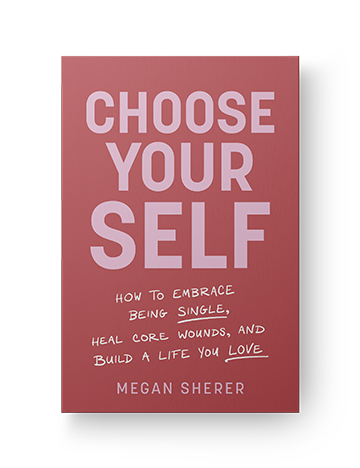
Choose Your Self

Learn More
Amazon | Barnes & Noble | Bookshop | Sounds True

Megan Sherer

Megan Sherer is a certified somatic therapist and licensed hypnotherapist whose mission is to help others connect to their most authentic expression of love. She teaches women how to prioritize self-care to build confidence, healthy relationships, and a strong sense of purpose. She hosts the Well, Then podcast and founded the nonprofit organization Be More and the self-guided therapy app The Self Care Space. She lives in Washington and travels to lead women’s retreats. For more, visit megansherer.com.

Author photo © Light and Armour Photography

Also By Author

Take Your Inner Child on Playdates

Have you ever been ice-skating before? It sounds like a fun winter activity (especially if you enjoy the cold, like I do), but it can be frustrating and even downright scary if you’re new to it.

Picture this: I took my nephew ice-skating for the first time, full of excitement to see him experience some joy. At twelve years of age, he was already taller than me and had size thirteen feet thanks to his six-foot-eight-inch-tall dad (my brother). The biggest rental skates they had came with worn-out laces rather than the secure plastic bindings all of the other skates had. I could see that they were a little loose around the ankle, but we tied them as best we could and hit the ice.

If you’ve ever seen a newborn deer figuring out how to walk for the first time, you can picture my nephew’s first time on ice skates. His ankles kept knocking in, and he was reaching to hold onto anything for dear life as he wobbled around the perimeter of the rink. It was difficult to watch, not because it was embarrassing, but because I know how hard he is on himself when he’s not immediately good at new things. I wanted to see him having fun, and instead I saw him frustrated and discouraged as all he could do was attempt to remain vertical.

I figured it couldn’t get worse, so I suggested that we trade in his skates for a smaller pair with the more secure plastic buckles to see if that made any difference. He went along with it, probably just to humor me, and we stuffed his feet into some size twelves and made sure his ankle support was good as could be. When I tell you it was a night and day difference, I’m not exaggerating. Suddenly he was speeding around the ice like a pro, lapping past me and his sisters with the biggest smile on his face. He circled the rink over and over again; as his confidence grew, so did his joy, and he even began to try tricks and spins. All he had needed was one little adjustment to his foundation, and he suddenly felt safe enough to have fun.

Here’s the thing: most of us go around in our lives on rickety old skates with worn-out laces. When your only focus is doing your best to remain upright, there’s not much room for joy or play. The big shame in that is that play often is the medicine we most need.

In my experience, the crux of inner child work is reconnecting to the part of you who knows how to play. Sometimes you may first need to make some adjustments that allow you to feel safe enough to play, like practicing nervous system regulation and self-soothing. Once you’ve done that, though, your goal is to invite in as much play as possible. And not adult versions of play that are really just a facade for dissociative behaviors, but real, childlike wonder.

Invite in curiosity and awe and silliness and uninhibited joy. Start by returning to the things you loved to do when you were a kid. Maybe that means setting aside time each weekend for arts and crafts. Maybe it means participating in physical activities that feel like play, such as dancing, swimming, sports, or jumping on a trampoline. Maybe it just means giving yourself permission to skip while you walk or sing while you drive.

The point is, when you bring those younger versions of you into your present-day life, you not only have more fun, but you also experience more healing. We were never meant to lose touch with our inner child. Yes, it’s important to learn how to be self-sufficient and responsible, and aging is inevitable. But it’s equally important not to take yourself too seriously along the way.

Try This

Your homework is to set regular playdates with your inner child. Do things that sound like fun, even if they don’t make logical sense. Allow yourself to be as carefree and openhearted as possible, without judging the things that bring you joy. The sillier it feels, the more on point you likely are. Here are some examples to consider:

  • Take an afternoon off of work and go to an amusement park.
  • Schedule an evening of watching your favorite childhood movies.
  • Spend the weekend out in nature, frolicking with your imagination.
  • Try something brand new, like rock climbing or ice-skating, to tap into that feeling of beginner’s mind.

Play is an important part of our overall well-being. Consistently making time to get into that creative flow state will help you deepen your relationship with your inner child . . . and your adult self. I suggest checking in at least once per month, if not weekly, to see where you can fit more play into your life.

Excerpted from Choose Your Self: How to Embrace Being Single, Heal Core Wounds, and Build a Life You Love.

Megan Sherer

Megan Sherer is a certified somatic therapist and licensed hypnotherapist whose mission is to help others build healthy and fulfilling relationships, starting with self. She hosts the Well, Then podcast and founded the women’s therapy app The Self Care Space. For more, visit megansherer.com.

Choose Your Self

Learn More
Amazon | Barnes & Noble | Bookshop | Sounds True

Megan Sherer: Being Single: An Intentional Experiment

Have you ever found yourself in an intimate relationship that seemed great at first but quickly devolved into something extremely dissatisfying? Maybe you ignored the red flags you saw on that first date or told yourself it’s still better than being alone. Why do we do this to ourselves? How can we break the pattern? In this episode of Insights at the Edge, join Tami Simon in conversation with coach and somatic therapist Megan Sherer, sharing empowering teachings and approaches contained in the new book Choose Your Self: How to Embrace Being Single, Heal Core Wounds, and Build a Life You Love

Give a listen as Tami and Megan discuss: becoming one’s own closest friend; working with shame; overcoming our fear of loneliness; feeling your feelings (instead of intellectualizing); the inherent difficulty of the path of healing and growth; when self-love is really hard; emotional availability; separating your self-worth from your relationship status; trust in life; aligning your values and your choices; the difference between a body and a soul; creativity and purpose; somatic therapy, trauma work, and the human nervous system; the concept of “situationships”; grace in times of transition; establishing healthy boundaries; and more.

Note: This episode originally aired on Sounds True One, where these special episodes of Insights at the Edge are available to watch live on video and with exclusive access to Q&As with our guests. Learn more at join.soundstrue.com.

You Might Also Enjoy

Becoming the Empowered Leader of Your Subconscious Min...

Many people struggle to change their habits or mindset because limiting beliefs are rooted in the subconscious mind. Fear, self-doubt, and emotional patterns can continue influencing behavior beneath conscious awareness. Learning how to reprogram your subconscious mind begins with recognizing those hidden patterns and creating healthier emotional responses.

At Sounds True, we have spent more than four decades sharing teachings from spiritual teachers, psychologists, and mindfulness experts focused on emotional healing and inner growth through books, podcasts, courses, and audio programs.

Below, we discuss how to reprogram your subconscious mind, release limiting beliefs, and use subconscious reprogramming techniques that support lasting emotional transformation.

Key Takeaways:

  • Hidden Patterns: Subconscious beliefs often shape emotional reactions, habits, and relationship dynamics without conscious awareness.
  • Emotional Healing: Releasing limiting beliefs can support greater self-trust, emotional resilience, and inner stability over time.
  • Daily Practices: Subconscious reprogramming techniques like meditation, journaling, and breathwork can help create healthier thought patterns.

Discover the Power of Daily Meditation and Inner Stillness

How to Reprogram Your Subconscious Mind and Recognize Hidden Patterns

Many people begin the journey of healing by trying to change their thoughts, habits, or behaviors without realizing how deeply the subconscious mind shapes those experiences. The subconscious acts like an internal map built from memories, emotional responses, and learned beliefs formed over many years. Even when the conscious mind wants growth or change, subconscious programming can continue pulling a person back toward fear, self-doubt, or emotional protection. Learning how to reprogram your subconscious mind starts with recognizing these hidden patterns without judgment. Instead of forcing transformation, the process begins by becoming more aware of the beliefs operating beneath the surface. Once a hidden belief is seen clearly, it becomes possible to question it, understand its origins, and choose a different response rooted in compassion rather than fear.

Why Limiting Beliefs Keep You Stuck in Repeating Emotional Cycles

Limiting beliefs often feel true because they were created during emotionally significant experiences. A person who felt rejected as a child may unconsciously believe they are unworthy of connection, while someone who experienced criticism may begin to associate visibility with danger. These beliefs continue repeating through relationships, work, and everyday situations because the subconscious mind is trying to maintain familiarity and emotional safety. Although these protective responses may have once served a purpose, they can eventually prevent emotional freedom and authentic self-expression.

How Fear Becomes an Automatic Response

Fear-based beliefs are often reinforced through repetition. Over time, the nervous system learns to react automatically to certain situations, even when there is no immediate threat. Someone may avoid difficult conversations, opportunities, or emotional vulnerability because the subconscious associates those experiences with discomfort or rejection. These reactions can feel deeply personal, yet they are frequently conditioned responses rather than reflections of reality. Becoming aware of these patterns allows people to interrupt automatic reactions and create new emotional experiences rooted in trust and presence.

Why Familiar Patterns Feel Difficult to Change

The subconscious mind prefers what feels familiar, even if those patterns create suffering. Emotional habits formed early in life can become deeply embedded because they helped a person navigate uncertainty, conflict, or emotional pain. Changing those patterns requires patience and self-compassion rather than self-criticism. Lasting transformation often happens gradually through consistent awareness, emotional honesty, and a willingness to stay present with uncomfortable feelings instead of avoiding them.

Friedemann Schaub Subconscious Teachings on Fear and Emotional Healing

According to the teachings of Friedemann Schaub, subconscious healing is not about fighting against fear. It involves understanding how fear developed and learning how to respond with greater compassion and emotional clarity. Many people spend years trying to silence fear without recognizing that fear often originates from wounded parts of the self seeking protection. Through gentle awareness, those protective responses can begin to soften.

Understanding the Inner Protector

One of the most meaningful ideas connected to Friedemann Schaub subconscious work is the concept of the inner protector. These protective parts develop in response to emotional pain, rejection, shame, or uncertainty. Although they may create behaviors that feel limiting, they are often attempting to prevent future suffering. Viewing these patterns with empathy rather than frustration creates a more supportive foundation for healing and transformation.

Moving From Self-Protection to Self-Leadership

Emotional healing deepens when people learn to lead themselves with awareness instead of reacting from unconscious fear. Self-leadership involves recognizing emotional triggers without becoming controlled by them. It also includes creating a relationship with the subconscious mind based on trust rather than resistance. As people strengthen this inner connection, they often experience greater emotional resilience, confidence, and clarity in everyday life.

How to Reprogram Subconscious Mind Through Self-Awareness

Reprogramming the subconscious mind begins with paying closer attention to emotional reactions, recurring thoughts, and behavioral patterns. Many limiting beliefs operate automatically, shaping responses without conscious awareness. Through self-awareness, it becomes easier to recognize those patterns and respond differently over time.

Listening to Emotional Triggers Without Judgment

Emotional triggers can reveal hidden fears connected to rejection, failure, or self-worth. Observing these reactions with curiosity instead of criticism creates space for healing and emotional clarity.

Creating New Patterns Through Daily Practice

Practices such as meditation, journaling, breathwork, and mindful reflection can help reinforce healthier emotional responses. Small, consistent actions often create meaningful subconscious shifts over time.

Discover how your mind really works

Powerful Subconscious Reprogramming Techniques for Lasting Change

Subconscious healing often becomes more sustainable when people use simple daily practices that support emotional awareness and nervous system regulation. These subconscious reprogramming techniques encourage greater connection between the mind, body, and emotional world while helping reduce automatic fear responses.

  • Meditation creates moments of stillness that make unconscious thoughts and emotional patterns easier to observe with clarity.
  • Breathwork supports nervous system balance and helps release emotional tension stored within the body over time.
  • Journaling encourages honest reflection and can reveal recurring beliefs connected to fear, shame, or self-doubt.
  • Visualization helps the subconscious mind become familiar with feelings of safety, confidence, and emotional possibility.
  • Mindful movement practices such as yoga or walking meditation strengthen the connection between physical awareness and emotional presence.

These practices do not require perfection or rigid discipline. Small moments of consistency often create deeper transformation than intense periods of self-improvement. Many people find that healing becomes more accessible when they approach subconscious work with patience, curiosity, and compassion toward themselves.

How to Release Limiting Beliefs Rooted in Childhood Conditioning

Many limiting beliefs begin during childhood because early experiences strongly influence how the subconscious interprets safety, love, and belonging. Children naturally absorb emotional messages from family dynamics, school environments, and social interactions. Over time, those experiences can shape beliefs about worthiness, success, connection, and identity. Releasing limiting beliefs requires recognizing that old emotional conclusions are not fixed truths. Through awareness and emotional healing, people can begin separating their present identity from outdated survival patterns. This process does not erase the past, but it creates space for a more compassionate relationship with it. As emotional awareness deepens, many people begin responding to themselves with greater kindness instead of repeating cycles of shame, blame, or self-criticism.

The Connection Between the Nervous System and Subconscious Programming

The nervous system plays an important role in subconscious programming because emotional experiences are stored not only in the mind but also within the body. Stressful experiences can create patterns of tension, hypervigilance, emotional shutdown, or chronic anxiety that continue long after the original event has passed. When the nervous system remains in a protective state, the subconscious often interprets ordinary situations as threatening. Practices that support regulation, grounding, and emotional safety can help the body communicate a different message to the subconscious mind. Over time, this creates greater emotional flexibility and a stronger sense of inner stability. Healing often becomes more sustainable when people recognize that transformation involves both emotional awareness and physical regulation working together.

Becoming the Empowered Leader of Your Subconscious Mind

Becoming the empowered leader of your subconscious mind does not mean controlling every thought or eliminating fear completely. It means developing the ability to respond to yourself with awareness, honesty, and compassion even during difficult moments. As limiting beliefs begin to loosen, people often feel more connected to their intuition, emotional truth, and capacity for meaningful change. The subconscious mind no longer needs to operate only from protection or survival. Instead, it can begin supporting growth, creativity, emotional connection, and inner peace. Through consistent self-awareness and heart-led healing practices, transformation becomes less about fixing yourself and more about remembering the wisdom and wholeness already within you. With patience and gentle curiosity, subconscious healing can become an ongoing practice of returning to yourself more fully each day. Rather than chasing perfection, the process invites presence, emotional resilience, and the courage to move through life with openness, trust, and compassion for yourself and others. Over time, that awareness can create healthier relationships, deeper self-trust, and a stable sense of emotional balance.

Awaken Your Inner Healing Power: Your Wellness Journey Starts Now

Final Thoughts

Learning how to reprogram your subconscious mind is not about becoming perfect or eliminating every fear. It is about building a more conscious relationship with the beliefs, emotions, and patterns that shape your daily experience. As awareness grows, limiting beliefs begin to lose their hold, creating space for greater emotional freedom, self-trust, and inner peace. Through patience, compassion, and consistent practice, subconscious healing can become a meaningful path toward living with more clarity, presence, and authenticity.

Frequently Asked Questions About How to Reprogram Your Subconscious Mind

How long does it take to reprogram your subconscious mind?

The process looks different for everyone. Some people notice emotional shifts within weeks, while deeper patterns may take months of consistent awareness and practice to change.

Can subconscious beliefs affect physical health?

Emotional stress and unresolved fear can influence the nervous system and contribute to tension, fatigue, sleep issues, and other physical symptoms over time.

What is the difference between the conscious and subconscious mind?

The conscious mind handles active thinking and decision-making, while the subconscious mind stores emotional memories, habits, beliefs, and automatic responses.

Are limiting beliefs always connected to childhood experiences?

Not always. Limiting beliefs can also form through adult relationships, workplace experiences, trauma, cultural conditioning, or repeated emotional stress.

Can meditation help reprogram subconscious patterns?

Meditation can support subconscious healing by calming the nervous system and increasing awareness of recurring thoughts, emotions, and behavioral patterns.

Why do people repeat unhealthy emotional patterns?

The subconscious mind often repeats familiar emotional experiences because they feel predictable and safe, even when those patterns create discomfort or suffering.

Is subconscious reprogramming connected to self-esteem?

Yes. Deeply rooted subconscious beliefs often influence confidence, self-worth, and the way people view their abilities and relationships.

What role does emotional awareness play in healing?

Emotional awareness helps people recognize triggers, understand hidden beliefs, and respond with greater clarity instead of reacting automatically from fear or stress.

Can subconscious reprogramming improve relationships?

As limiting beliefs and fear-based reactions begin to shift, communication, emotional openness, and trust within relationships often improve naturally.

Do subconscious beliefs influence decision-making?

Subconscious beliefs can shape choices related to relationships, career paths, personal boundaries, and emotional reactions without a person fully realizing it.

Michelle Cassandra Johnson is an author, activist, spiritual teacher, racial equity consultant, and intuitive healer. She is the author of six books, including Skill in Action and Finding Refuge. Amy Burtaine is a leadership coach and racial equity trainer. With Robin DiAngelo, she is the coauthor of The Facilitator’s Guide for White Affinity Groups. For more, visit https://www.michellecjohnson.com/wisdom-of-the-hive.

Sovereign Love: The Evolution of Conscious Intimate Re...

Relationships often begin with connection and the desire to feel deeply understood. Yet fear, attachment wounds, and unspoken expectations can shape how people communicate and experience intimacy. Conscious relationships encourage greater emotional awareness, honest communication, and intentional connection, allowing love to become a space for growth and healing.

At Sounds True, we have spent decades sharing teachings from respected spiritual teachers, psychologists, and relationship experts focused on mindfulness, emotional healing, and personal transformation. Through our podcasts, books, and courses, we continue supporting meaningful conversations around conscious relationships and sovereign love.

We will discuss sovereign love, conscious relationship practices, secure attachment relationships, and intimate relationship evolution.

Key Takeaways:

  • Sovereign Love: Healthy intimacy supports both emotional connection and personal independence within conscious relationships.
  • Secure Attachment Relationships: Emotional safety and consistency help couples build deeper trust and resilience over time.
  • Conscious Relationship Practices: Presence, honest communication, and emotional accountability strengthen intimacy and support long-term growth.

Discover the Power of Daily Meditation and Inner Stillness

Understanding the Shift Toward Conscious Relationships

Conscious relationships invite people to approach intimacy with awareness instead of habit. Many partnerships begin with deep attraction and emotional connection, yet over time, unconscious fears and learned behaviors often shape the relationship more than love itself. Old attachment wounds, communication patterns, and emotional defenses can quietly influence how people respond to conflict, closeness, and vulnerability.

A conscious relationship encourages both people to become more aware of these patterns. Instead of assigning blame during moments of tension, partners begin asking deeper questions about their emotional reactions and needs. This shift creates room for greater honesty, compassion, and accountability within the relationship.

As emotional awareness grows, intimacy also begins to change. Love becomes less focused on control, validation, or dependency and more focused on presence, emotional safety, and mutual growth. Conscious relationships create opportunities for healing because they encourage people to remain emotionally engaged instead of withdrawing from discomfort. Over time, this approach can strengthen trust and deepen emotional connection in meaningful ways.

How Sovereign Love Shapes Conscious Intimate Relationships

Sovereign love encourages people to remain connected to themselves while building deep emotional intimacy with another person. Rather than losing individuality inside a relationship, both partners learn how to honor their own emotional truth while staying fully present with each other.

Moving Beyond Emotional Dependency

Many people unconsciously enter relationships searching for emotional security that they struggle to create within themselves. This can lead to unhealthy dependency, fear of abandonment, or the need for constant reassurance. Sovereign love invites a healthier dynamic by encouraging emotional responsibility and self-awareness.

Partners begin recognizing that emotional fulfillment cannot rest entirely on another person. Instead, both individuals learn how to support one another without creating pressure, control, or emotional imbalance inside the relationship.

Creating Freedom Within Emotional Connection

Healthy intimacy does not require emotional restriction or self-sacrifice. Sovereign love allows both people to express needs, boundaries, and emotions openly without fear of rejection. Emotional freedom strengthens intimacy because honesty becomes safer within the relationship.

As trust grows, couples often feel more supported in their personal growth and emotional evolution. This creates a relationship dynamic where connection and individuality can exist together instead of competing against one another.

Conscious Relationship Practices That Support Emotional Growth

Conscious relationship practices help couples remain emotionally connected during periods of stress, uncertainty, and change. These practices encourage awareness, communication, and emotional reflection instead of impulsive reactions.

Practicing Honest Communication During Conflict

Conflict is a natural part of intimate relationships, yet many people fear difficult conversations because they associate conflict with rejection or emotional disconnection. Conscious relationship practices encourage couples to approach disagreement with curiosity and emotional honesty.

Open communication allows both partners to express feelings before resentment builds. Listening carefully, speaking thoughtfully, and avoiding defensiveness can transform conflict into a deeper understanding of one another’s emotional experience.

Using Presence to Deepen Intimacy

Presence plays an important role in emotional intimacy because it helps people feel heard, valued, and emotionally safe. In many relationships, distractions and emotional reactivity prevent genuine connection from developing consistently.

Simple practices such as intentional conversations, mindful listening, and spending uninterrupted time together can strengthen emotional closeness over time. These moments of presence help couples reconnect emotionally, even during demanding or stressful periods.

Why Secure Attachment Relationships Create Lasting Trust

Secure attachment relationships create emotional stability that supports long-term intimacy and trust. When people feel emotionally safe with one another, vulnerability becomes easier, and communication becomes more honest.

Healing Attachment Wounds Through Consistency

Many adults carry attachment wounds shaped by earlier experiences involving emotional inconsistency, neglect, or fear. These experiences often influence how people respond to closeness within adult relationships.

Secure attachment relationships help soften these fears through emotional consistency and reliability. Small moments of care, attentiveness, and support gradually strengthen trust and reduce emotional defensiveness over time.

Building Emotional Safety Through Accountability

Emotional safety develops when both people remain willing to acknowledge mistakes, repair misunderstandings, and communicate honestly. Accountability strengthens relationships because it encourages emotional maturity instead of blame or avoidance.

Couples who practice accountability often create healthier communication patterns. They become more capable of navigating conflict without damaging emotional trust or connection.

Discover how your mind really works

Intimate Relationship Evolution and the Healing of Attachment Wounds

Intimate relationship evolution often begins when people become willing to examine the emotional patterns shaping their relationships. Growth inside a partnership usually requires honesty, emotional courage, and a willingness to remain present during discomfort.

Important practices that support emotional healing and relationship evolution include:

  • Recognizing emotional triggers before reacting impulsively
  • Understanding how past experiences shape present relationship behaviors
  • Communicating needs and boundaries with honesty
  • Developing emotional regulation during conflict
  • Practicing compassion toward both partners during difficult conversations
  • Supporting individual growth alongside shared relationship goals

These practices help couples respond to challenges with greater awareness and emotional steadiness. Instead of allowing fear or defensiveness to control the relationship, both people learn how to move through tension with patience and understanding.

Over time, intimate relationship evolution creates deeper emotional resilience. Couples become more capable of maintaining connection during periods of uncertainty, stress, or emotional vulnerability.

Sovereign Love and the Balance Between Independence and Partnership

Many people struggle to balance emotional closeness with personal independence. Some fear losing themselves inside relationships, while others avoid intimacy to protect their sense of freedom. Sovereign love offers a more balanced approach by encouraging both connection and individuality.

Healthy partnerships support personal growth instead of limiting it. Both people remain connected to their values, creativity, emotional needs, and sense of purpose while continuing to nurture the relationship. This balance often creates greater emotional vitality because neither person feels emotionally confined or disconnected from themselves.

Sovereign love also encourages honest boundaries within relationships. Boundaries are not barriers to intimacy. They create emotional clarity and mutual respect. When people feel safe expressing their needs openly, relationships often become more grounded, compassionate, and emotionally sustainable. This foundation can also strengthen emotional resilience, helping couples navigate change, uncertainty, and conflict with greater patience and understanding together.

How Conscious Relationship Practices Deepen Emotional Intimacy

Emotional intimacy develops through consistent moments of honesty, trust, and emotional presence. Conscious relationship practices help couples nurture these moments intentionally instead of relying on temporary emotional highs or external validation.

Small daily actions often shape emotional connection more than dramatic gestures. Expressing appreciation, listening carefully, and creating intentional space for emotional conversations can strengthen intimacy over time. Couples who remain curious about each other’s emotional experiences often continue growing together in meaningful ways.

Conscious relationship practices also support resilience during difficult periods. Instead of viewing conflict as proof of incompatibility, couples learn how to approach challenges as opportunities for understanding and emotional growth. This mindset can create greater compassion and emotional flexibility within the relationship.

As relationships deepen, emotional intimacy often grows through consistency rather than perfection. Being emotionally available during stressful moments, offering reassurance during uncertainty, and remaining open during vulnerable conversations can strengthen connection over time. These experiences help couples create a stronger emotional foundation rooted in trust, patience, and mutual understanding.

The Connection Between Conscious Relationships and Secure Attachment Relationships

Conscious relationships and secure attachment relationships are rooted in emotional awareness, honesty, trust, and accountability. Both approaches encourage people to move beyond reactive patterns and develop healthier ways of connecting with one another. As emotional awareness deepens, people often become more capable of offering empathy, consistency, and emotional support within intimacy.

Relationships continue evolving as people grow. Emotional growth does not remove every challenge, but it can change how couples respond to conflict, vulnerability, and change. Through conscious communication, sovereign love, and emotional responsibility, relationships can become spaces that support healing, emotional safety, and meaningful connection.

Conscious relationship practices also remind people that intimacy is an ongoing process rather than a fixed destination. Over time, trust is strengthened through honesty, patience, compassion, and the willingness to remain emotionally present with one another.

Awaken Your Inner Healing Power: Your Wellness Journey Starts Now

Final Thoughts

Conscious relationships invite people to approach love with greater awareness, honesty, and emotional responsibility. Through sovereign love, conscious relationship practices, and secure attachment relationships, intimacy can become a space for growth instead of fear or control. As relationships continue evolving, emotional presence and compassion help create deeper trust, resilience, and meaningful connection over time.

Frequently Asked Questions About Conscious Relationships

What are conscious relationships?

Conscious relationships are partnerships built on emotional awareness, honest communication, mutual respect, and personal accountability. They encourage both people to grow individually while nurturing emotional connection together.

How is sovereign love different from traditional relationship dynamics?

Sovereign love focuses on maintaining individuality within intimacy. Instead of relying on control, dependency, or emotional fusion, it encourages emotional freedom, healthy boundaries, and mutual support.

Can conscious relationships improve emotional well-being?

Yes. Conscious relationships often support emotional well-being because they encourage healthier communication, self-awareness, and emotional safety. These qualities can reduce reactive conflict and strengthen trust.

What causes insecure attachment in relationships?

Insecure attachment can develop through inconsistent emotional experiences, neglect, unresolved trauma, or unstable relationship environments earlier in life. These experiences may affect how people respond to closeness and vulnerability as adults.

Are conscious relationship practices useful during conflict?

Conscious relationship practices can help couples manage conflict with greater patience and understanding. Practices such as active listening, emotional regulation, and honest communication often create healthier conversations during difficult moments.

Why do boundaries matter in intimate relationships?

Boundaries support emotional clarity, respect, and trust. Healthy boundaries help people communicate their needs honestly while maintaining emotional balance within the relationship.

Can secure attachment relationships be developed over time?

Yes. Secure attachment relationships can strengthen gradually through consistent emotional support, accountability, trust, and open communication between partners.

How does emotional presence affect intimacy?

Emotional presence helps people feel heard, valued, and connected. Being fully attentive during conversations and emotional moments often strengthens intimacy and trust within relationships.

What role does self-awareness play in conscious relationships?

Self-awareness helps people recognize emotional triggers, communication habits, and relationship patterns. This awareness supports healthier emotional responses and more compassionate interactions.

Why is intimate relationship evolution important for long-term connection?

Intimate relationship evolution allows couples to adapt and grow together through changing life experiences. Emotional growth helps relationships remain supportive, resilient, and deeply connected over time.

Michelle Cassandra Johnson is an author, activist, spiritual teacher, racial equity consultant, and intuitive healer. She is the author of six books, including Skill in Action and Finding Refuge. Amy Burtaine is a leadership coach and racial equity trainer. With Robin DiAngelo, she is the coauthor of The Facilitator’s Guide for White Affinity Groups. For more, visit https://www.michellecjohnson.com/wisdom-of-the-hive.

David Brooks on Perception: How We Co-Create the Reali...

Perception shapes how people experience relationships, emotions, and the world around them. Two people can live through the same moment and walk away with completely different interpretations because every experience is filtered through memory, belief, emotion, and attention. The stories people carry internally often influence reality as deeply as external events themselves. Becoming more aware of these patterns can create greater compassion, clarity, and emotional understanding in daily life.

At Sounds True, we have spent decades sharing transformational teachings from respected voices in spirituality, psychology, mindfulness, and personal growth. Through conversations with teachers and thinkers like David Brooks, we continue supporting people seeking deeper awareness, meaningful connection, and a more conscious relationship with life.

Here, we reflect on David Brooks’ insights about how perception shapes reality, the connection between consciousness and human experience, and the ways awareness can influence how people relate to themselves and others.

Key Takeaways:

  • Attention and Meaning: The way people direct attention influences emotional experience, relationships, and personal understanding of reality.
  • Emotional Filters and Reality: Memories, beliefs, and emotional conditioning shape how situations are interpreted and experienced.
  • Conscious Awareness and Growth: Reflection and self-awareness help people recognize unconscious patterns and respond with greater compassion and clarity.

Awaken Your Inner Healing Power: Your Wellness Journey Starts Now

How Perception Shapes Reality in Everyday Life

Every person moves through life carrying an inner world of memories, beliefs, expectations, and emotions. These invisible layers influence how moments are interpreted long before conscious thought enters the picture. A conversation can feel comforting to one person and unsettling to another. A season of change may appear hopeful for some and frightening for others. This is part of how perception shapes reality. We are not simply reacting to the world around us. We are participating in the creation of meaning through the lens of our own awareness.

David Brooks often reflects on the importance of attention and interpretation in human life. The way people look at others affects how they respond to them, and those responses influence the environments they collectively create. Reality becomes relational. Perceptions shape interactions, and interactions reinforce the stories people believe about themselves and the world. Many emotional struggles begin not with external events alone, but with the assumptions attached to those experiences. Once people begin noticing these patterns, perception starts to shift. Awareness creates room for compassion, patience, and deeper understanding.

David Brooks on Perception and the Stories We Tell Ourselves

Human beings naturally create stories to make sense of life. These stories shape identity, influence emotional responses, and guide relationships. Many are formed early and continue operating quietly beneath conscious awareness.

The Personal Narratives That Shape Identity

Someone who experienced rejection early in life may approach relationships expecting disappointment. Another person raised in an encouraging environment may move through uncertainty with trust. These perceptions become emotional frameworks that shape reality over time.

Brooks often points out that people are deeply interpretive creatures. Facts matter, yet interpretation often carries greater emotional influence. Two individuals can experience the same event and walk away with entirely different understandings because each person filters reality through memory and emotional conditioning.

Why Self-Awareness Changes Perception

Self-awareness interrupts automatic thinking. It allows people to pause before reacting and question the assumptions shaping emotional responses. In moments of reflection, people begin noticing that many reactions are connected not only to the present moment but also to old fears and inherited beliefs.

This awareness does not erase difficulty, but it softens rigidity. Instead of immediately labeling situations as threatening or unfair, people become more curious about what is influencing their perspective. That curiosity opens the possibility for healing and connection.

Perception and Reality: Why People Experience the Same Moment Differently

Perception and reality are closely connected, yet they are not identical. Human beings do not absorb life like cameras recording objective facts. Every experience passes through emotional, cultural, and psychological filters.

Emotional States Influence Interpretation

A person moving through grief may notice loss everywhere. Someone feeling hopeful may see possibility in the same circumstances. Emotional states shape attention, and attention shapes experience. This is one reason perception can feel so convincing even when it is incomplete.

Brooks speaks about the human tendency to organize reality around emotional needs. People search for belonging, recognition, and safety. These desires influence what they notice and what they ignore. In moments of fear, perception narrows. In moments of connection, it expands.

Culture and Community Shape Awareness

No one develops perception in isolation. Family systems, education, religion, and culture all influence how people understand themselves and others. Some communities encourage openness and reflection, while others reward certainty and defensiveness.

Understanding this helps people become less judgmental. Instead of assuming their perspective is the only valid one, they begin recognizing the countless influences shaping human behavior. Compassion grows when people realize perception is often inherited before it becomes personal.

How We Create Reality Through Attention, Emotion, and Memory

The reality people experience is shaped partly by where attention rests. Attention acts like a spotlight, illuminating certain experiences while leaving others in shadow.

Attention Directs Emotional Experience

When attention remains fixed on fear, resentment, or comparison, those emotions often grow stronger. When attention moves toward gratitude, care, and understanding, emotional life changes as well. This does not mean ignoring suffering. It means recognizing that awareness influences emotional reality.

Brooks often discusses the importance of moral and emotional attention. The quality of attention people offer others can strengthen relationships and create trust. Feeling truly seen can transform the emotional atmosphere between people.

Memory Influences Present Reality

Memory also shapes perception in powerful ways. Past experiences influence how people interpret present events, especially during stress or uncertainty. A difficult history with trust may cause someone to misread kindness as manipulation or distance as rejection.

As people become more conscious of these patterns, they gain greater freedom in how they respond. Awareness creates separation between old conditioning and present reality, allowing relationships to become more honest and grounded.

Discover the Power of Daily Meditation and Inner Stillness

Consciousness and Perception in Human Relationships

Consciousness and perception influence every relationship people enter. The quality of attention brought into conversations affects whether others feel understood, dismissed, valued, or unseen.

  • Listening with presence changes the emotional tone of communication.
  • Assumptions often prevent genuine understanding between people.
  • Fear can distort perception and create unnecessary conflict.
  • Compassion allows people to see beyond surface behavior.
  • Emotional awareness strengthens trust and connection.
  • Curiosity helps people move beyond rigid judgments.
  • Reflection creates space for more thoughtful responses.

Relationships become healthier when people recognize that perception is always partial. No one sees another person completely. Accepting this creates humility and openness. Instead of defending fixed assumptions, people become more willing to listen and grow through connection.

David Brooks Perception Insights on Meaning and Human Connection

Many of David Brooks’ reflections center on the idea that human beings are shaped through relationship. Identity is not formed alone. People understand themselves partly through the care, recognition, and attention they receive from others. This insight changes the way perception is understood. Awareness becomes something shared rather than isolated.

Modern life often encourages distraction and performance, leaving little room for deep presence. Brooks challenges this tendency by emphasizing the importance of emotional attentiveness. Small moments of care, listening, and acknowledgment can reshape how people experience themselves and the world around them. Meaning grows through relationships rooted in sincerity and mutual respect.

How Perception Shapes Reality During Times of Change and Uncertainty

Periods of uncertainty often reveal how strongly perception influences emotional life. During change, people search for stability and meaning. Some become overwhelmed by fear and begin interpreting every event through anxiety. Others approach uncertainty with openness and adaptability.

Perception affects how challenges are experienced internally. A difficult transition may be viewed as failure or as an opportunity for growth. Neither perspective changes the external situation immediately, but each shapes emotional resilience in very different ways. Brooks frequently speaks about the importance of character, community, and moral grounding during uncertain periods. These qualities help people remain connected to meaning even when life feels unpredictable.

Consciousness and Perception as Practices for Greater Awareness

Consciousness and perception are not fixed qualities. They continue evolving through reflection, experience, and intentional practice. People can learn to become more aware of their emotional patterns, assumptions, and habits of attention over time.

Practices like meditation, journaling, honest conversation, and contemplative silence help create space between reaction and response. In that space, people begin noticing how much of reality is shaped internally. They become less controlled by immediate emotional impulses and more capable of responding with clarity and care.

This deeper awareness does not remove pain or uncertainty from life. Instead, it changes the relationship people have with those experiences. Perception becomes less reactive and more spacious. Relationships deepen. Compassion expands. Reality begins to feel less like something happening to people and more like something they participate in shaping each day.

People often assume perception is passive, yet perception is active and creative. Every moment contains more information than the mind can fully process, so attention constantly selects what feels important. That selection influences emotional experience, memory, and behavior. As awareness grows, people become more intentional about where attention rests and how they interpret difficult experiences. This gradual shift can change the quality of relationships, inner dialogue, and everyday life in meaningful ways.

Discover how your mind really works

Final Thoughts

The way people perceive the world shapes how they experience connection, meaning, and emotional truth. David Brooks reminds us that perception is not only personal but relational. The stories people carry, the attention they give, and the assumptions they hold all influence the reality they help create. As awareness deepens, perception becomes less driven by fear and more guided by compassion, curiosity, and presence.

Frequently Asked Questions About How Perception Shapes Reality

What does “how perception shapes reality” mean?

It refers to the idea that people interpret life through personal beliefs, emotions, experiences, and expectations. These interpretations influence how reality is experienced emotionally and psychologically.

Why is perception important in daily life?

Perception affects communication, decision-making, relationships, and emotional well-being. The way people interpret situations often shapes their reactions more than the events themselves.

Can perception affect mental health?

Yes. Persistent negative perceptions can increase stress, anxiety, and emotional isolation, while balanced awareness can support emotional resilience and healthier coping patterns.

How does David Brooks describe perception?

David Brooks often describes perception as deeply connected to attention, relationships, and moral awareness. He emphasizes how people shape one another through the way they listen, respond, and connect.

Is reality completely subjective?

Reality includes objective events, but human beings experience those events through subjective interpretation. Personal perspective influences meaning, emotion, and response.

How does consciousness influence perception?

Consciousness creates awareness of thoughts, emotions, and reactions. Greater consciousness helps people notice unconscious patterns that may be shaping their view of reality.

Can perception change over time?

Yes. Perception evolves through reflection, emotional healing, education, relationships, and life experience. People often see situations differently as awareness deepens.

Why do emotions affect perception so strongly?

Emotions influence attention and interpretation. Fear may narrow perception, while calmness and trust can create a broader and more balanced understanding of situations.

How can someone improve self-awareness?

Practices like meditation, journaling, therapy, contemplative reading, and mindful conversation can help people become more aware of their internal patterns and assumptions.

What role do relationships play in shaping perception?

Relationships influence identity, emotional understanding, and beliefs about the world. Supportive connections often help people develop more compassionate and grounded perspectives.

Michelle Cassandra Johnson is an author, activist, spiritual teacher, racial equity consultant, and intuitive healer. She is the author of six books, including Skill in Action and Finding Refuge. Amy Burtaine is a leadership coach and racial equity trainer. With Robin DiAngelo, she is the coauthor of The Facilitator’s Guide for White Affinity Groups. For more, visit https://www.michellecjohnson.com/wisdom-of-the-hive.

Leave a Reply

Your email address will not be published. Required fields are marked *