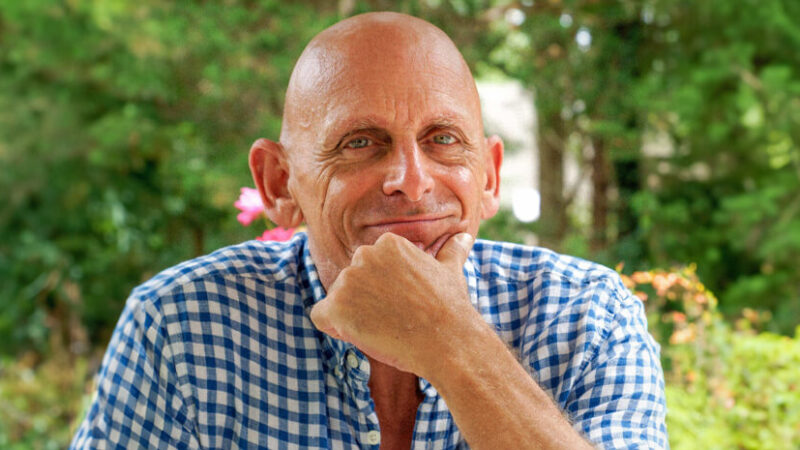
Tami Simon speaks with Mario Martinez, a clinical neuropsychologist whose breakthrough research examines how cultural beliefs affect our health and longevity. Mario is the founder of biocognitive science, a new paradigm that examines the dynamic relationship between thoughts, culture, and the body. With Sounds True, he has recorded an audio learning course called The Mind-Body Code: How the Mind Wounds and Heals the Body. In this episode, Tami speaks with Mario about the idea that culture creates biology; how we can access the antidote to shame, abandonment, and betrayal through healing fields in the body; and the concept of “the drift”—how we can navigate chaos with uncertainty as our guide. (68 minutes)
2 Tbsp monk fruit maple-flavored syrup or pure maple syrup
1 Tbsp coconut oil, melted
FILLING
2 cups raw cashews or cashew pieces, soaked overnight in 4 cups of water, then rinsed
1 cup freeze-dried or fresh blueberries
½ cup coconut cream, from the top of a chilled 13 1/2-ounce can of full-fat coconut milk
2 Tbsp monk fruit maple-flavored syrup or pure maple syrup
2 Tbsp fresh lemon juice
2 Tbsp coconut oil, melted
1 cup fresh blueberries
INSTRUCTIONS:
CRUST
Line the bottom of a 6-inch springform cake pan with a circle of parchment paper and set aside.
In a high-speed blender, blend together the crust ingredients just until it forms a dough-like consistency. It might help to use your blender’s tamper, if you have one. Do not overblend or it will turn into pecan butter!
Press the pecan crust evenly into the bottom of the cake pan and place in the freezer while you prepare the filling.
FILLING
Without washing your blender, combine the filling ingredients (except for 1 cup of fresh blueberries) and blend until completely smooth.
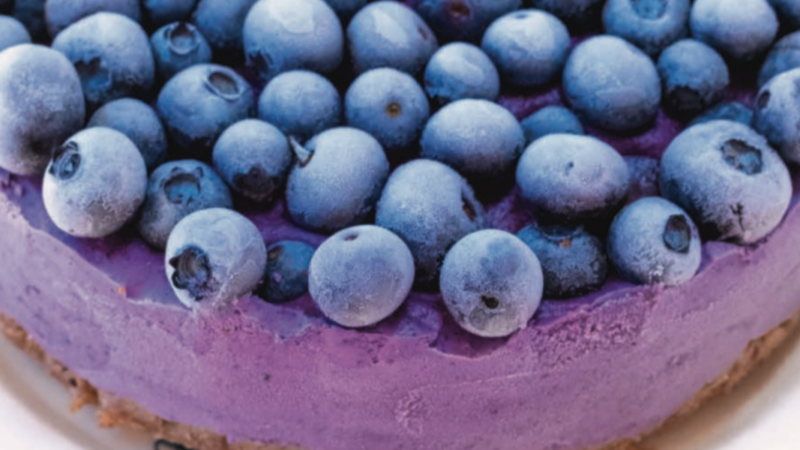
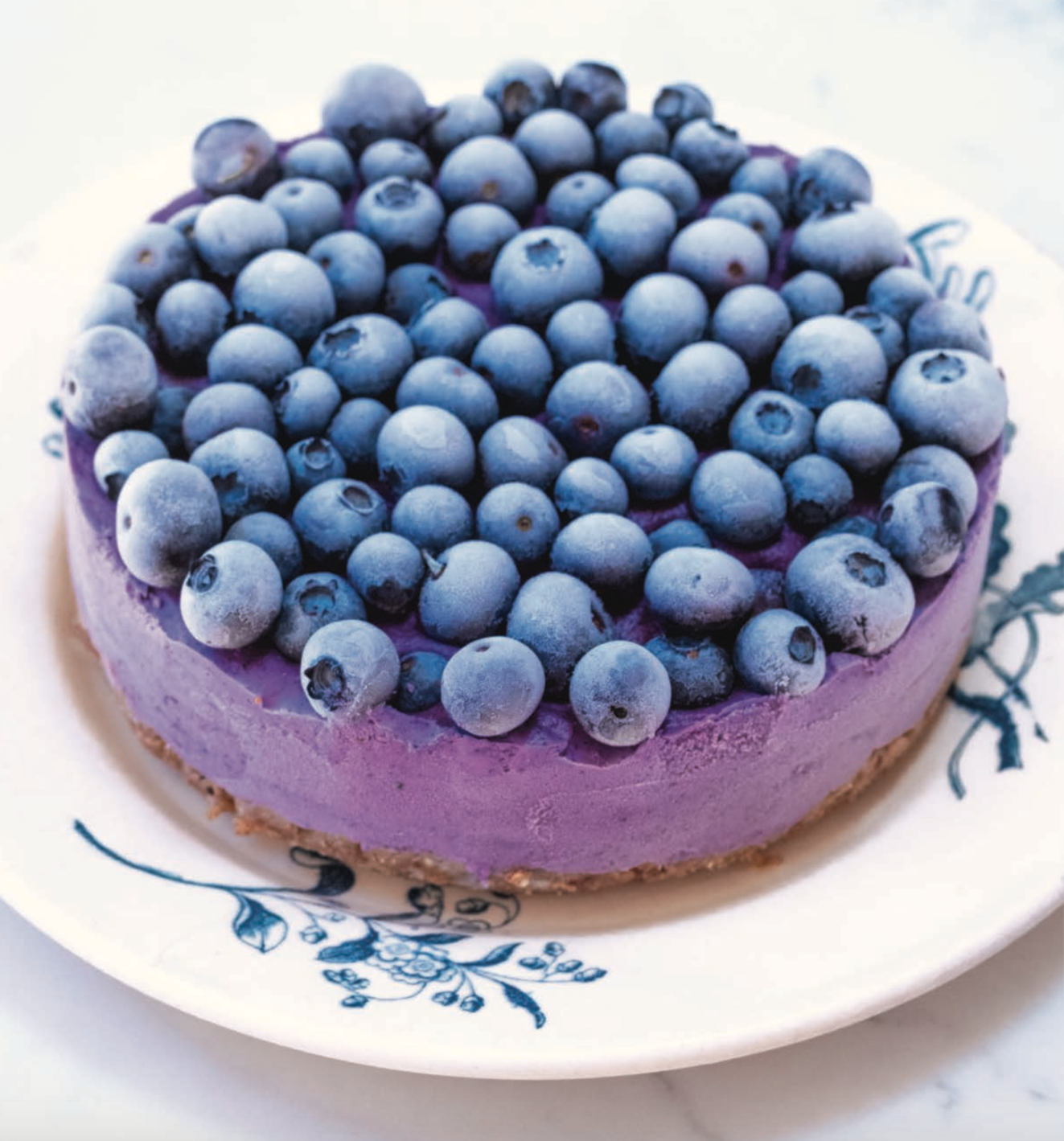
Pour the filling onto the frozen crust and top with 1 cup fresh blueberries. Place in the freezer for approximately 5 hours, or until it’s frozen through.
Using a butter knife, gently swipe around the inside of the pan to loosen the cake. Remove the cake from the springform pan. Slice and serve. Store any leftover cake in an airtight container in the freezer for up to 1 month. Thaw for 15 minutes before serving.
Sadie Radinsky is a 19-year-old blogger and recipe creator. For over six years, she has touched the lives of girls and women worldwide with her award-winning website, wholegirl.com, where she shares paleo treat recipes and advice for living an empowered life. She has published articles and recipes in national magazines and other platforms, including Paleo, Shape, Justine, mindbodygreen, and ThePrimal Kitchen Cookbook. She lives in the mountains of Los Angeles. For more, visit wholegirl.com.
When things are at their worst, says celebrated author and writing mentor Mark Matousek, Stoicism is at its best. Considered the most practical of all philosophies, Stoicism is on the rise in today’s world—for reasons you’ll hear discussed in this podcast.
Give a listen to this educational, pragmatic, and perspective-shifting conversation with Mark and Sounds True’s Tami Simon exploring control versus acceptance; using the mind in a more skillful way; humility, proportion, and appropriate action; taking responsibility for what we’re capable of; amor fati, to love life; working with your emotions; Emerson and “the exterior life”; writing prompts for letting go of the disempowering stories we tell ourselves; choosing how we hold our memories; why Stoicism is not a form of bypassing; adversity as a path to freedom; the practice of turning the obstacle upside down; shifting your angle of vision and telling the whole truth; “cosmic optimism,” Emerson’s reality-based form of hope; asking questions and finding your own way; doubt, confusion, and struggle on the spiritual path; Emerson’s view of enlightenment; and more.
Note: This episode originally aired on Sounds True One, where these special episodes of Insights at the Edge are available to watch live on video and with exclusive access to Q&As with our guests. Learn more at join.soundstrue.com.
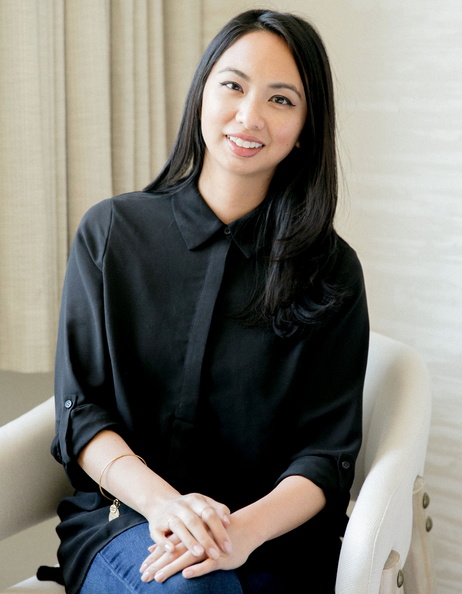
October is a meaningful month for me as it honors two important parts of my identity. It is Filipino American History Month, a time to acknowledge and honor the presence and contributions of Filipino Americans. Although my parents immigrated to the United States from the Philippines in 1980, records show that Filipinos were present here as early as 1587, landing in present-day Morro Bay, California as part of a Spanish galleon. In an interesting moment of alignment, I am writing this to you from Morro Bay, feeling the palpable power of the land and seeing the sacred 600-foot-tall Morro Rock–known as Lisamu’ in the Chumash language and Lesa’mo’ by the Salinan people–standing proudly just outside the window of our Airstream trailer. October is also Pregnancy and Infant Loss Awareness Month, a time to increase awareness about and honor those of us who have endured such loss- what I often refer to as womb loss.
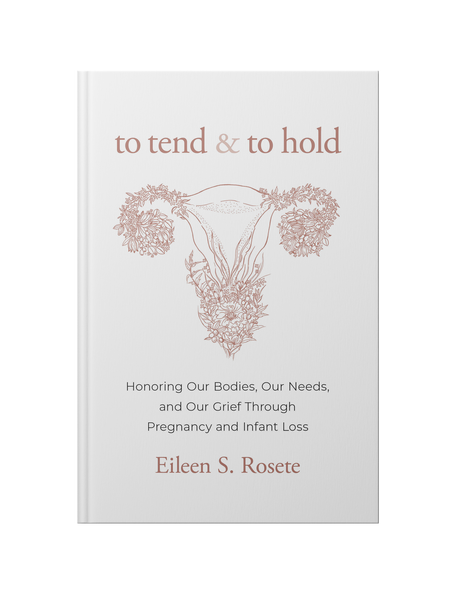
This October is particularly meaningful with my book, To Tend and To Hold: Honoring Our Bodies, Our Needs, and Our Grief Through Pregnancy and Infant Loss, officially launching on October 22. In it I share how my identities as a Filipina American and bereaved mother intertwine, and how valuable it can be for survivors of womb loss to turn to their cultural traditions for support as they grieve and as their postpartum bodies return to a non-pregnant state. How I came across this online essay and found solace in the language of my ancestors who use terms to describe miscarriage as “someone from whom something was taken away” rather than placing blame with the prefix mis- which means wrongly or badly. I did not carry my pregnancies wrongly or badly. Loss was something that my body experienced.
The following is an excerpt from To Tend and To Hold that I hold dear as it shares a traditional Filipino dish I grew up eating and that I share now as a postpartum doula to offer comfort and nourishment to those who are postpartum, both with living children and after loss. I hope it may offer you comfort as well, no matter if your experience of womb loss was recent, in the past weeks, months or even many years ago. My heart is with you and please know that you are not alone as you grieve and as you heal- at your own pace and in your own way.
~
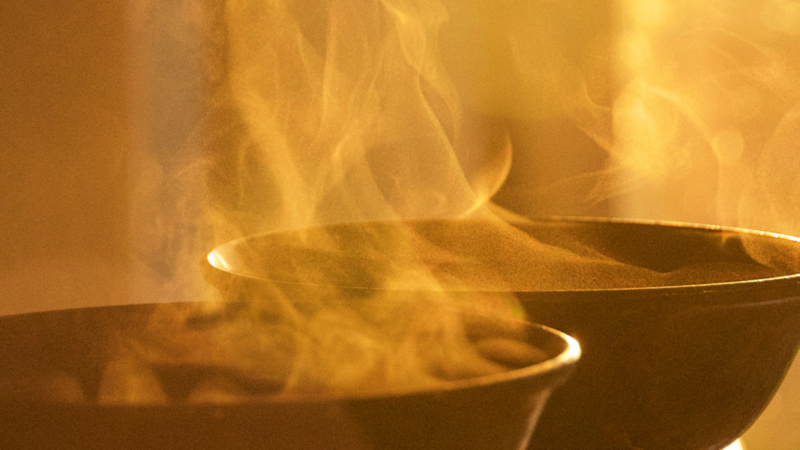
I recently cooked this recipe for champorado, a Filipino rice porridge, for my beloved friend Katrina on a very tender anniversary, the due date of one of her children and the death date of another. Her child, Zeo Thomas, would have been born that day had he not died in the womb at five months gestation. It was within the same year of his death that her second child, Solis Vida, died in the womb in the first trimester. In truth, Katrina had been bleeding for over a week to release her second pregnancy, but as she bled through Zeo’s due date, she felt an intuitive pull to honor this same date as Solis’s death date. I thought of my friend as I made my way slowly through the grocery store. Though it was crowded and busy, I felt cocooned in my thoughts and intentions for her—how I wanted to help her feel seen and held during this difficult time—and I found myself gathering each of the ingredients in a mindful way that felt like the beginning of a bigger ritual. Knowing I was going to cook for her to honor her, her babies, her grief, and also her longings added a layer of reverence to what would otherwise be a standard grocery run. Later as I cooked the porridge in her home, I channeled my love and condolences into each step. And when I finally brought the warm bowl of champorado to her and saw her reaction, it was my turn to feel honored. Honored to be there with her. Honored to tend to her. And with a dish we both knew from our childhoods. She dubbed it “postpartum champorado,” and so it shall be known.
Warm and soft, rice porridge is one of the best postpartum foods as it is easy to eat, warming to the body, and gentle on the digestive system. Its very nature is to offer comfort. In my opinion, champorado, a Filipino chocolate rice porridge I grew up savoring, is one of the most heartwarming dishes, with the cacao tending as much to the emotional heart as to the physical body. It can be offered any time of day for both a filling meal and a gentle reminder that there is still sweetness in life even amidst grief.
In this nourishing version, cacao powder is used in place of cocoa so that we may benefit from all that this superfood has to offer, including iron to help rebuild red blood cells, flavonoids to improve blood flow, and magnesium to ease anxiety and depression. In addition to being nutrient-rich, cacao is also known to lift the mood. If the thought of preparing food feels beyond your current capacity at this moment, consider sharing this recipe with a partner, postpartum doula, or other support person and asking them to cook it for you. Additionally, if you are currently pregnant, please consult your health-care provider before consuming cacao as it contains caffeine.
Champorado: Filipino chocolate rice porridge
1 cup sweet rice (also called glutinous or sticky rice) or sushi rice
5 cups water
1/4 cup cacao powder
1/2 cup brown sugar
1 tablespoon unflavored protein powder (optional)
Condensed coconut milk for topping
Cacao nibs (optional)
Rinse the sweet rice several times until the water runs clear when drained.
Combine rice and water in a pot over medium-high heat. Bring to a boil, then reduce heat to medium and continue to cook until the rice is soft and the porridge thickens (about 20 minutes), stirring often to keep from sticking to the bottom of the pot.
Add cacao powder, brown sugar, and unflavored protein powder. Stir to combine, then remove from heat.
Drizzle condensed coconut milk (or other milk of choice) and top with cacao nibs. Serve hot.
Something shifts when you encounter Robin Wall Kimmerer’s work. The food in your bowl starts to look different. The tree at the corner of your block becomes something more than scenery. The world, quite suddenly, feels alive with relationship.
This is how her writing impacted Tami, and this week Tami and Robin—botanist, MacArthur Fellow, National Humanities Medal recipient, enrolled member of the Citizen Potawatomi Nation, and author of the beloved Braiding Sweetgrass—talk about what it means to move through the world not as a consumer of natural resources, but as a participant in a web of living gifts.
Join Tami and Robin to explore:
Why Robin calls this moment in history “the Age of Remembering”—and what humanity is being called to reclaim
The profound difference between a commodity and a gift, and how that shift in perception changes everything
Brain chauvinism—why we’ve dismissed the intelligence of plants, rocks, and the more-than-human world, and what science is now revealing
The landmark sweetgrass experiment that proved humans can be partners to plants, not just threats
How to practice reciprocity with the earth, from small daily acts to systemic advocacy
Plant Baby Plant—Robin’s new movement offering a counter-narrative to extraction culture
How to hold grief, outrage, and love for the living world simultaneously—without surrendering to despair
In a time when the relationship between humans and the earth feels broken, Robin Wall Kimmerer offers something rare: a vision of healing rooted in science, indigenous wisdom, and the simple, radical act of giving your gifts back to the world.
This conversation offers genuine transmission—not just concepts about awakening, but the palpable presence of realized teachers exploring the growing edge of spiritual understanding together. Originally aired on Sounds True One.
Tami Simon speaks with Stephen Levine, a poet and meditation teacher who has worked counseling the dying and their loved ones for the past 40 years. He’s the author of the bestselling books Who Dies? and A Year to Live. With Sounds True, Stephen has turned his groundbreaking work from A Year to Live into an audio learning program, in addition to In the Heart Lies the Deathless, The Grief Process and, To Love and Be Loved. Stephen discusses the power of softening to our suffering, and living mindfully as a preparation for death. (52 minutes)


 Sadie Radinsky