What happens when a rational, skeptical filmmaker encounters evidence that consciousness might work in ways science hasn’t yet explained?
This week, Tami Simon welcomes Ky Dickens—an award-winning documentary filmmaker whose podcast The Telepathy Tapes became the #1 podcast in the world in 2025. Ky’s work explores telepathic communication within the non-speaking community, raising profound questions about consciousness, human potential, and how we can better support individuals with autism and apraxia.
Join Tami and Ky as they discuss:
How a lightning bolt creative moment led to The Telepathy Tapes and what it means to trust the creative muse
The scientific evidence for telepathic communication in non-speaking individuals with autism
“Mindsight”—the remarkable ability of young children to see through blindfolds, and why this capacity appears strongest before age twelve
The interstitium, a recently discovered system in the body that may explain ancient knowledge about energy meridians
Why consciousness as fundamental, rather than materialism, better explains emerging research in telepathy, energy healing, and remote viewing
The dignity and rights of non-speaking individuals and why Communication Regulation Partners (CRPs) should be standard in schools
How this work has transformed Ky’s understanding of death, the non-physical world, and why we’re here
If you’ve been curious about The Telepathy Tapes or wonder what lies at the frontiers of consciousness research, this conversation offers a grounded, scientifically minded exploration of phenomena that challenge our understanding of human potential and invite us into a more marvelous world.
Listen now to discover what becomes possible when we approach the unknown with curiosity rather than dismissal. And to see where Ky and her team are heading with Season 2 of The Telepathy Tapes…and beyond.
You can listen to both seasons of The Telepathy Tapeshere.
Tami Simon speaks with David Whyte, a passionate speaker, poet, and the author of the Sounds True audio learning program Clear Mind, Wild Heart, and most recently What to Remember When Waking: The Disciplines of Every Day Life. David discusses exile as a core human competency, the conversational nature of reality, and vulnerability as enhanced perception in the invisible support that surrounds us. (58 minutes)
Our five primary senses (sight, hearing, touch, taste, and smell) evolved in relationship with our environment and other life-forms to become highly sensitive instruments that help us survive and thrive as a species. Perhaps you can recall walking behind someone wearing strong cologne or perfume. Now imagine that you can smell the musk of a buck or the odor of a bear that a spring breeze carries toward you. We still have the capacity; we need only to awaken our senses again. It’s not enough simply to go outside. We also need to bring our attention and intention to the senses in order to consciously invoke, awaken, and sharpen their capabilities.
Our hunter-gatherer ancestors lived in simple shelters made of poles, straw mats, animal skins, and other natural objects. These human nests were often arranged in circles, following the way energy moves in nature, and they were permeable, allowing the sounds of the earth to filter in, along with drafts, which carried information. Although we’ve improved the functionality and comfort of our homes, we’ve also sealed ourselves off from the living, breathing world out there. As a result, many people who live mostly indoors suffer from sensory anesthesia, the gradual loss of sensory experience. Think about the number of plants growing in a forest or a field, the myriad decomposing life-forms washing around the ocean, the dry herbs and tree resins in a high desert plain. All these environments have their own concoction of smells, textures, sights, sounds, and flavors, richer and more varied than the average office environment.
In the woods and out on the land, the sense of smell is essential for survival. It can help us detect an incoming storm (think of the smell of the ozone before a thunderstorm) or the musk of a predator, like a skunk we want to avoid. To awaken this sense outdoors, I often invite folks to gather eastern hemlock or balsam needles, press them between their palms to release the aromatic oils, and then cup their hands and take deep inhalations. Another great stimulus for scent are the fallen leaves in autumn; crush them in your hands and take in their sweet, earthy smell.
During an outdoor mindfulness retreat I led with the Audubon Society one winter, we kept coming up on fox tracks in the snow. My co-facilitator, Dale, a naturalist, kept sniffing and asking the group if we could smell the scent of fox on the air. At first the group was oblivious to it. Then Dale knelt down and lifted a small handful of snow with a small, yellow ice crystal in it, a drop of frozen fox urine. He invited us to take a whiff, and sure enough, it had a potent, musky, almost skunk-like smell. From then on, we were on our knees sniffing every little yellow patch of snow we found near fox tracks. After a few days, the group began picking up the smell on the wind.
You can feel a sensual connection with the living earth after only a few minutes of quiet and reflective nature meditation and observation. It may give you peace and joy, but it may also stir up other emotions, including grief—grief for species loss, environmental degradation, and climate change. Awakening our senses and countering sensory anesthesia is a practice of awareness, and when awareness expands, it perceives both pleasure and pain, light and dark, joy and sadness. That is why in the contemplative traditions there is an emphasis on clear seeing and calm abiding. We might be able to see the truth, to observe what is really happening, but can we handle it? Can we hold an experience of deep, clear perception without being totally swept away by it? We need to learn how to be with the expanding boundaries of our awareness. This comes as we develop a strong witness consciousness, that part of us that soars like an eagle and can see the big picture. When we can temper feeling more with wisdom, we build our capacity of true spiritual growth.
All year-round, but especially during the winter, we can often easily find natural areas where the wonderful smell of pine fills the atmosphere—freshening the senses and stimulating the mind. I do a lot of mindful breathing and tend to pause often to take deep breaths within pine forests, which has a calming effect on the mind and body. This practice is enhanced by the concentration of essential oils in the air. In ancient times, pine boughs were believed to ward off evil spirits and disease. Today, research into the power of phytoncides bears out this ancient belief in pine’s medicinal attributes. Essential oil, tea made from the needles, and ointment made from the pine resin have all been shown to have healing properties.
Below, I share my recipe for an eastern white pine tea:
In the depths of winter, the eastern white pine (Pinus strobus), like other evergreens, holds on to its green needles. Rich in vitamin C, the needles can be used to make a comforting tea. The eastern white pine is a prosperous and beautiful member of the forest community in New England. Its needles grow in packets of five, which is an easy way to identify it since white has five letters.
To make a bright, citrus-pine-flavored tea from white pine needles, you will want to gather at least 20 packets of white pine needles.
Rub a couple of the packets between your hands to release the pine resin, as you offer a gesture of thanks to the trees for this provision.
Drop the crushed needles into a pot of freshly boiled water and allow them to steep for 5 to 15 minutes (although I like to cut them up into smaller pieces to help release the oils before steeping them).
Strain the needles from the boiled water and pour the tea into a mug.
Before sipping, hold the cup up near your nose and take a few deep inhalations. Drink as is or sweeten with maple syrup or honey. Enjoy!
Safety Note: Be sure to always properly identify the tree using a field guide or the internet before consuming any part of it. Avoid pines that aren’t really pines such as yew (Podocarpus macrophylla), Norfolk Island pine (Araucaria heterophylla), as well as lodgepole pine (Pinus contorta) and ponderosa pine (Pinus ponderosa), because they are poisonous.
Micah Mortali is director of the Kripalu Schools, one of the largest and most established centers for yoga-based education in the world. An avid outdoorsman, mindful wilderness guide, 500-hour Kripalu yoga teacher, and popular meditation teacher, Mortali has been leading groups in wilderness and retreat settings for 20 years. In 2018, he founded the Kripalu School of Mindful Outdoor Leadership. Mortali has a passion for helping people come home to themselves and the earth, and he is finishing his master’s at Goddard College on nature awareness and mindfulness practices. He lives with his wife and children in the Berkshires. For more, visit micahmortali.com.
People often think that “personal branding” is a dirty word. That it revolves around ego and vanity and self-promotion. After building and running my personal branding agency,SimplyBe. and reflecting on our unique approach to this space, I realized that there was something much deeper to this work.
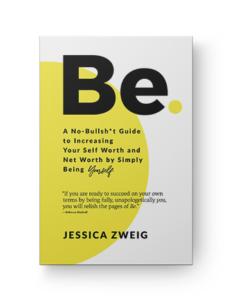
Each of us is here for a specific reason. Each of us has a light that we need to shine. And most people don’t know how to technically, practically tell their own story. Most of all, they don’t feel they have the permission, the confidence, the support, to take the leap. My book, Be: A No-Bullsh*t Guide to Increasing Your Self Worth and Net Worth by Simply Being Yourself, is that permission slip—for you to get out of your own way, to dive deep and take the journey within. Although often perceived as a practice in exterior image, personal brand is really about how you see yourself, how you know yourself, how you come to cherish yourself. That is the journey that awaits you in Be.
There are a lot of people who don’t want to be on social media or don’t want to be “famous” and therefore feel like the work of personal branding isn’t for them. But frankly, it doesn’t matter if you use social media every day or if you never touch it for the rest of your life—you have a personal brand.
Your personal brand is your value. It’s your worth. It’s the impression you leave behind in any room or crowd. It’s how you make people feel. It’s how you interface with people wherever you go—the way you treat your barista, the way you talk to your children’s teachers, the way you communicate with your team at work, how you create relationships in our community. It’s your legacy. All of these daily interactions are opportunities to hone and master your brand on your terms. That is personal branding.
My background is in marketing and branding. I’ve cut my teeth in the world of social media working with Fortune 500 brands over the last 15+ years. That said, in this book you will find frameworks and easy DIY tools to build your brand from the ground up and to take it online and leverage it to build your business, your career, your reputation, your followership. You’ll learn how to craft a message and a strategy, build PR awareness, create original content, identify your competitive landscape, and much more. It is a very tactical book in that sense. But my biggest inspiration and passion is bringing more humanity to business. Be. is a personal empowerment book at its core. Simply put, Be. is a study in the power of authenticity.
Authenticity is a unique superpower that we all have. It’s a practice in you simply being you, inclusive of all of your shadows, sh*t, failures, weaknesses, AND all of your successes, triumphs, talents, and unique gifts. That’s what Be. will really challenge you to own—your fully unapologetic YOU.
My book is far more than what meets the eye. I hope you pick it up and learn that you, indeed, have a brand and that this simply means that you have something worthy and meaningful to share with the world. Personal branding, at its core, is an act of service. It is about what we are here to give versus what we are here to get. And when we architect a personal brand from that place, we come alive.
The world needs your light.
The world needs you to shine.
Every one of us has not just the privilege but the responsibility to step forward and simply be.
Don’t let us down.
With love and light,
Jessica Zweig Bestselling author of Be. Founder & CEO,SimplyBe.
Jessica Zweig is the CEO and founder of the SimplyBe. agency, a personal branding company that helps millions of people worldwide. She’s been named a “personal branding expert” by Forbes, a Top Digital Marketer to Watch by Inc., one of 2020’s Most Notable Entrepreneurs by Crain’s Chicago Business, and the 2018 and 2019 recipient of the international Stevie® Award for Female Entrepreneur of the Year. She’s been featured on FOX, ABC, NBC, Thrive Global, Business Insider, and more as an expert on how an authentic personal brand is the key to a more successful career. For more, visit jessicazweig.com.
Dreams are more than just fleeting images from the unconscious. For centuries, Tibetan traditions have understood that what happens during sleep holds real potential for inner transformation. When we bring awareness into the dream state, we begin to see that the mind doesn’t rest just because the body does. This space normally lost to unconsciousness can become a place of deep clarity, emotional insight, and even awakening. Dream yoga shows us how.
At Sounds True, we’ve spent decades sharing wisdom teachings that help people connect more deeply with themselves and the world. Our digital learning programs feature trusted voices in meditation, mindfulness, spiritual practice, and embodiment. We partner with teachers who live what they teach, offering guidance that is both grounded and transformative.
In this piece, we’ll discuss dream yoga, its roots in Tibetan Buddhism, and how the dream state can become a powerful path for spiritual practice, one night at a time.
Key Takeaways:
Practice Approach: Dream yoga uses nighttime awareness to support personal insight, not entertainment or dream control.
Tradition: Rooted in Tibetan Buddhism, dream yoga is a serious spiritual practice that integrates dreaming and waking life.
Accessible Tools: Anyone can start with simple techniques such as intention-setting, mindfulness, and guided instruction.
What Is Dream Yoga?
Dream Yoga is a Tibetan Buddhist practice that uses the dream state as a platform for spiritual awakening. It’s not about controlling your dreams or chasing fantasy. Instead, it invites you to bring conscious awareness into your dreaming experience, to recognize the dream as a dream while it’s happening.
Rooted in the ancient teachings of the Bön and Nyingma traditions, dream yoga is part of a larger system of “night practices” that also includes sleep yoga. Where many forms of meditation are anchored in stillness during the day, dream yoga extends that mindfulness into the night. In essence, your sleep hours are just as valuable for practice as your waking hours.
At its heart, dream yoga is about recognizing that all experiences, even waking ones, are like dreams: fleeting, insubstantial, and dependent on the mind. By working directly with the dream state, practitioners develop deep insight into the nature of reality and the habits of the self.
How Tibetan Dream Practice Guides Awareness At Night
Tibetan dream practices are not about escaping the world but deepening how we relate to it, even in sleep. These techniques offer a way to cultivate presence in the dream state, creating a bridge between meditation, sleep, and spiritual insight. Here’s how this ancient path guides awareness at night:
Building Awareness During The Day
Lucid dreaming doesn’t start at night; it begins with mindfulness in waking life. Tibetan teachings emphasize that the more aware we are during the day, the more likely we are to recognize when we’re dreaming. Practicing presence moment to moment becomes a form of preparation for nighttime awareness.
Intention-Setting Before Sleep
Before falling asleep, practitioners often set a clear, heartfelt intention to recognize the dream state. This isn’t a rigid command but a gentle commitment. Over time, this mental imprint conditions the mind to notice the subtle shift into dreaming.
Using Visualization And Subtle Body Practices
Some lineages incorporate visualizations of light or deities before sleep, along with subtle breathwork. These methods calm the nervous system and align the subtle body, making it easier to carry awareness into the dream. They also prime the practitioner to stay present as the physical body rests.
Lucidity As A Tool For Insight
In dream yoga, becoming lucid is just the beginning. Once you’re aware within a dream, the practice shifts to observing how thoughts, fears, and attachments arise. The dream becomes a mirror, revealing inner patterns that often remain hidden during the day.
Lucid Dreaming In Buddhism: Beyond Entertainment
Lucid dreaming is often portrayed as a playground for the mind: flying, shape-shifting, rewriting the story. In Tibetan Buddhism, however, lucidity is treated with more depth. It’s a method for cultivating wisdom and compassion, not just personal adventure.
Waking Up Within The Dream
In Buddhist dream yoga, lucidity is defined not simply by knowing you’re dreaming, but by using that awareness to wake up more fully, to recognize the impermanence and dreamlike quality of all experience. This shift reveals that what feels solid is actually fluid, shaped by perception.
Observing The Mind Without Distraction
When lucid, you’re placed in a unique position: the senses are quiet, the body is asleep, and the mind is fully active. It’s a rare window to observe mental habits, fear, craving, and grasping without external distraction. Practicing mindfulness here helps loosen the grip of those habits in waking life.
Practicing Compassion Within The Dream
Some advanced practitioners use lucid dreams as a space to cultivate compassion. By intentionally helping dream characters or practicing loving-kindness, they reinforce these qualities in daily life. The dream becomes a rehearsal for how we want to show up in the world.
Dreams As A Path To Enlightenment
In Tibetan Buddhism, dreams aren’t just mental byproducts of sleep; they’re considered a legitimate path to awakening. When approached with awareness, the dream state becomes a direct mirror for emptiness, interdependence, and the illusory nature of the self.
Seeing The Dreamlike Nature Of Reality
One of the core teachings in Buddhism is that all phenomena are empty of fixed identity. Dreams give us a firsthand experience of this truth. When we realize we’re dreaming, we also realize how easily the mind constructs entire worlds, just like it does during the day.
Dissolving The Sense Of A Solid Self
In lucid dreams, the usual boundaries of identity soften. You might shift forms, speak with aspects of yourself, or interact with people who represent parts of your inner life. These encounters help break down the fixed idea of “me,” pointing instead to a more fluid, interconnected experience of being.
Practicing Non-Attachment In The Dream State
Because dreams are so vivid yet intangible, they offer a natural training ground for non-attachment. You can enjoy the beauty of the dream without clinging to it. You can face fear without being trapped by it. This balance, of presence without grasping, is at the heart of the Buddhist path.
Night Yoga: Transforming Sleep Into Spiritual Practice
Night yoga invites us to turn something we do every day, sleep, into a space for deep inner work. In Tibetan traditions, the boundary between day and night dissolves. Sleep becomes not a pause in practice, but a continuation of it.
What Is Night Yoga?
Night yoga refers to integrating practices like dream yoga and sleep yoga into the hours of rest. Instead of drifting into unconsciousness, the practitioner maintains a thread of awareness. This may happen during dreaming, or in deeper states of sleep where even the dream dissolves.
The Continuity Of Consciousness
In daily life, we tend to think of sleep as the “off” switch for awareness. But night yoga challenges that view. With training, practitioners begin to experience a continuity of consciousness, one that gently carries through all states: waking, dreaming, and deep sleep.
Bringing Gentleness Into The Dark
Night yoga isn’t about force or control. It’s a subtle, heart-centered practice rooted in curiosity and compassion. Even the effort to become more aware at night begins with kindness toward yourself, your patterns, and whatever the night reveals.
Learning Dream Yoga With Sounds True
For those feeling called to explore dream yoga more deeply, Sounds True offers trusted digital programs taught by seasoned practitioners who walk this path with sincerity and depth. These offerings make the wisdom of Tibetan dream practice accessible, even if you’re just beginning.
One of the most comprehensive introductions is Dream Yoga by Andrew Holecek, which lays out the foundational principles and guided techniques for bringing awareness into the dream state. His follow-up course, Dreams of Light, goes deeper into the more advanced stages of the practice, including sleep yoga and the luminosity of awareness itself.
If you’re starting from the basics, Buddhist Meditation for Beginners offers grounding practices that support mindfulness, an essential preparation for any night practice. And for cultivating lucidity itself, The Lucid Dreaming Training Program provides step-by-step instruction in becoming aware within dreams.
These programs aren’t just about learning techniques. They are invitations into deeper presence, clearer seeing, and a more compassionate relationship with all states of being.
Final Thoughts
Dream yoga isn’t reserved for advanced meditators or monastics. It’s a living tradition available to anyone willing to meet their inner world with curiosity and care. By turning inward at night, we begin to see how the mind creates not only our dreams but also our waking reality.
Tibetan dream practice reminds us: awareness doesn’t need to sleep when we do. With patience, intention, and a gentle approach, the dream state can become a space of insight, healing, and spiritual growth. Whether you’re just beginning or already exploring lucid dreaming, each night offers an opportunity to wake up a little more, both in your dreams and in your life.
Frequently Asked Questions About Dream Yoga
What’s the difference between dream yoga and lucid dreaming?
While lucid dreaming focuses on becoming aware within a dream, dream yoga goes further by using that awareness for spiritual development, insight, and inner transformation.
Can anyone practice dream yoga, or is it only for advanced meditators?
Anyone can begin dream yoga. While having some meditation experience helps, the practice starts with simple awareness and intention that anyone can build over time.
Does dream yoga require belief in Buddhism?
Not at all. Dream yoga originates in Tibetan Buddhism, but its core practices, such as mindfulness in dream,s can benefit people of any belief system.
How long does it take to experience lucidity in dream yoga?
It varies. Some may gain lucidity within days, while for others it may take weeks or longer. Regular practice, consistency, and patience are key.
Can dream yoga help with nightmares or recurring dreams?
Yes. By becoming aware during the dream, practitioners can respond more skillfully to difficult dream content and begin to shift recurring patterns.
Is dream yoga practiced during deep sleep or just in dreams?
Dream yoga focuses on the REM dream state, while a related practice, sleep yoga, engages with deep sleep awareness. Both are part of the Tibetan night teachings.
Do I need special rituals or objects to begin dream yoga?
No special tools are required. While some traditions include visualizations or symbols, the practice begins simply with your own awareness and intention.
Can dream yoga improve sleep quality?
It can, especially as it brings more calm and clarity to the mind before sleep. However, it’s not a replacement for addressing underlying sleep issues if they exist.
Is dream yoga the same as astral projection or out-of-body experiences?
They are different. Dream yoga focuses on conscious dreaming and inner awareness, not leaving the body or entering separate realms.
Can children or teens practice dream yoga?
Yes, in age-appropriate ways. Teaching young people how to gently observe and reflect on their dreams can support emotional and spiritual growth.
Michelle Cassandra Johnson is an author, activist, spiritual teacher, racial equity consultant, and intuitive healer. She is the author of six books, including Skill in Action and Finding Refuge. Amy Burtaine is a leadership coach and racial equity trainer. With Robin DiAngelo, she is the coauthor of The Facilitator’s Guide for White Affinity Groups. For more, visit https://www.michellecjohnson.com/wisdom-of-the-hive.
Tami Simon speaks with Andrew Holecek, an author, humanitarian, and spiritual teacher from the Tibetan Buddhist tradition who is adept at blending ancient wisdom with modern knowledge from the West. Andrew is author of the books The Power and the Pain and Preparing to Die, and with Sounds True he has created the audio course Dream Yoga: The Tibetan Path of Awakening Through Lucid Dreaming. In this episode, Tami speaks with Andrew about the stages of dream yoga practice; how it is complemented by a daytime practice called “illusory form practice;” what it teaches us about ourselves, fear, and the nature of form; and how to begin by having a lucid dream tonight. (65 minutes)



 Our five primary senses (sight, hearing, touch, taste, and smell) evolved in relationship with our environment and other life-forms to become highly sensitive instruments that help us survive and thrive as a species. Perhaps you can recall walking behind someone wearing strong cologne or perfume. Now imagine that you can smell the musk of a buck or the odor of a bear that a spring breeze carries toward you. We still have the capacity; we need only to awaken our senses again. It’s not enough simply to go outside. We also need to bring our attention and intention to the senses in order to consciously invoke, awaken, and sharpen their capabilities.

 Micah Mortali