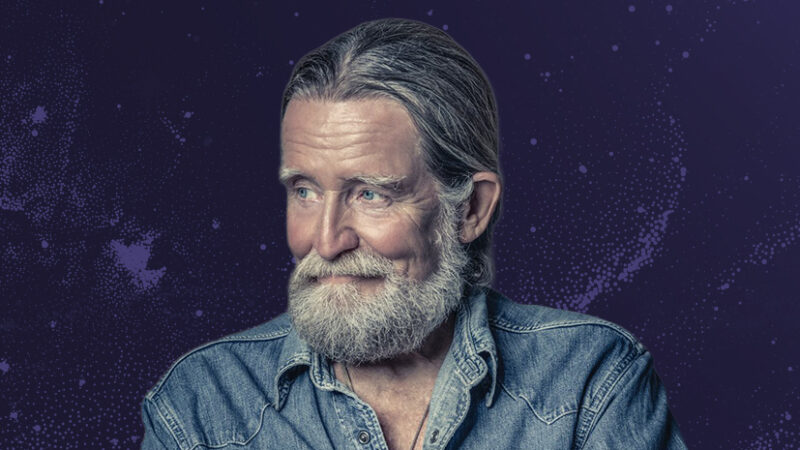
Explore how matrimony acts as a “mothering” force of culture in this conversation with Stephen Jenkinson that shines a light on the wedding ritual, marriage, and their deeper layers.
Has our modern culture lost the original empowering nature of the wedding day and of marriage itself? In this episode of Insights at the Edge, host Tami Simon welcomes Stephen Jenkinson—culture activist, founder of the Orphan Wisdom School, and author of the forthcoming book Matrimony. Here, Jenkinson explores the difference between weddings, marriage, and matrimony, revealing how authentic ritual can heal cultural wounds and foster community. Drawing from his new book and years of experience, he shares why matrimony is not just a private act but a vital, communal force that shapes the heart of culture itself.
This episode is sponsored by BetterHelp. Listeners of Insights At The Edge get 10% off their first month at www.betterhelp.com/soundstrue.
Note: This interview originally aired on Sounds True One, where these special episodes of Insights at the Edge are available to watch live on video and with exclusive access to Q&As with our guests. Learn more at join.soundstrue.com.
Tami Simon and depth psychologist Vanessa Bennett explore the psyche’s need to experience initiation in our key life transitions, using resentment as a focal point for healing, how to change our unhealthy patterns in relationships, and reclaiming personal agency.
What relationship myth causes us the most suffering? According to depth psychologist Vanessa Bennett, it’s this: “That if you’re not fulfilled by parenthood, sex, or your relationships, then there’s something wrong with you.” Why? Because it’s often the fault of our culture, and not you personally, that’s to blame.
This week, Tami Simon welcomes the author of The Motherhood Myth to discuss the hidden pressures and misconceptions surrounding parenthood and intimate partnership—and how looking at your resentments is a surprisingly direct way to discover the roots of the wounds that unconsciously drive unhappiness in your relationships.
Join us to explore:
At your life’s turning points, why your unconscious may invite chaos or trauma
The societal roots of discontent in parenthood and intimate relationships
How Vanessa’s own experiences—from her neighborhood’s destruction by fire to everyday life with her daughter and husband—illustrate how to grow and heal
“If you’re good, I’m good. And if you’re not, I’m not”—codependency explained
The “choose me” wound—how we abandon ourselves in relationships and how to reintegrate
The “Consent Tool,” a practice to help restore safety and intimacy in your relationships, and more
If you’ve ever felt frustrated about the demands of your relationships—obvious or hidden—this episode will spark a wealth of “aha!” moments and insights for change.
This episode is sponsored by BetterHelp. Listeners of Insights At The Edge get 10% off their first month at www.betterhelp.com/soundstrue.
Note: This interview originally aired on Sounds True One, where these special episodes of Insights at the Edge are available to watch live on video and with exclusive access to Q&As with our guests. Learn more at join.soundstrue.com.
Human suffering comes from trying to control the outside world so that our inner state feels good, all of which is based on impressions from our past experiences. Spiritual growth begins when we stop clinging to these impressions and instead learn to handle whatever reality presents. By letting experiences pass through without resistance, inner energy rises naturally, eventually dissolving the personal self and leading to liberation.
We’ve all felt it: the excitement of heading out into nature, followed almost immediately by “wow, that’s a lot of bugs” energy. Turns out, that’s not just you being an urban dweller — it’s a genuine evolutionary paradox, and this week’s guest has spent his whole career living inside it.
Craig Foster is the filmmaker and naturalist behind My Octopus Teacher, and in this episode he tackles a question Tami poses about her own experience: why can she melt into a deep, connected feeling about nature from the safety of meditation, but feel completely terrified and separate the moment she’s actually standing in a wilderness with wolves, cougars, or sharks nearby?
Craig’s answer reframes the whole thing. He explains that we’re each carrying millions of years of “wild” memory, hardwired into who we are, while our conscious, modern selves have only had a few generations to adjust to industrial life. The fix isn’t a heroic leap into the deep wild — it’s small, steady reconnection.
A few takeaways from Craig’s answer:
We’re designed for wildness — our discomfort with it is a mismatch, not a flaw
Reconnection starts small: get to know the trees, insects, and animals right around your house
Comfort with the wild builds faster than you’d expect — sometimes in a matter of months
Even one backyard animal can teach you something profound about yourself and the natural world
If this got you thinking about your own relationship with the wild, you’ll want to hear the whole conversation — Craig and Tami go even deeper into what it means to live an amphibious life, split between our tame and wild selves.
Taken from the full Insights at the Edge conversation with Craig Foster. Find the complete interview in this feed or at soundstrue.com.
This episode is sponsored by Omega Institute, a global gathering hub for lifelong learning and spiritual exploration. Omega offers weekend workshops, special events, rest and rejuvenation retreats, professional training, online learning, and more. Discover what calls to you ateomega.org/true.
In a world that rarely slows down, finding a sense of shelter within yourself can feel like an act of resistance—or perhaps even a quiet revolution. For many men, the invitation to step onto a yoga mat isn’t always obvious or easy. Images of flexibility and tranquility might feel far off, yet beneath the surface, something deeper calls out: the longing to be strong without rigidity, to be centered without closing off, and to feel present right here, in the pulse of daily life.
At Sounds True, we know that well-being isn’t a one-size-fits-all experience. In our decades of sharing spiritual wisdom, we’ve seen how men from all backgrounds—fathers, brothers, sons, partners, friends—grapple with the unique pressures of modern living. Yoga for men isn’t just about touching your toes or mastering a pose; it’s an opportunity to listen within, to honor your own story, and to cultivate the quiet confidence that comes from deep presence. Together, let’s wake up to what’s possible when men embrace yoga, and find a path toward wholeness—one mindful breath at a time.
Key Takeaways:
Yoga for men is not just about physical flexibility but a holistic practice focusing on strength, centeredness, and presence.
Through breathwork, restorative postures, and meditation, yoga addresses modern pressures and supports overall well-being for men.
Embracing a yoga practice invites men to cultivate resilience, inner peace, and a balanced connection between mind and body.
Why Yoga Matters for Men’s Physical and Mental Health
Let’s be honest—life pulls men in a dozen directions at once. Work deadlines loom, relationships require nurturing, and the pressure to stay “strong” never seems to let up. It’s easy to drift toward autopilot, pushing through discomfort and shelving stress for another day. But over time, this grind takes its toll on body and mind alike.
Yoga offers a powerful, time-honored antidote. Physically, it’s more than just stretching; yoga taps into strength, balance, and mobility in ways that many traditional workouts can’t reach. When you practice regularly, you build functional muscle, increase flexibility, and protect joints—not by muscling your way through, but by working with awareness and intention. Tight hips from too much sitting? A back that tenses after long days? Yoga meets you right there, inviting your body back into alignment and ease.
And there’s the mental dimension—just as essential, if not more. A yoga mat isn’t only a place to move; it’s a refuge from the roar of daily demands. As you ground your breath and notice the subtle shifts within, stress clears, and space opens inside. Science—and centuries of lived experience—show that yoga helps reduce anxiety, improve focus, and even lift mood. You begin to feel a kind of quiet inner sturdiness, resilient but not rigid.
In a culture that often trains men to muscle through pain or silence emotion, yoga is a call back to wholeness. Here, you can let go of expectations and meet yourself exactly as you are. It’s not about perfect poses—it’s about creating space to be present, strong, and open to growth, on and off the mat.
Foundational Breathwork to Cultivate Presence and Power
When it comes to yoga for men, breathwork—called pranayama in ancient yogic tradition—is the quiet force underpinning true strength. While it’s easy to overlook in the rush of asanas and postures, the breath is what roots us in each moment and unlocks our authentic power. Even a few minutes of intentional breathing can shift your whole internal landscape, grounding anxious thoughts and softening tensions in the body.
Let’s step into a foundational practice you can carry anywhere: diaphragmatic, or “belly,” breathing.
Sit upright—on your mat, on a park bench, even at the edge of your bed. Rest one palm on your belly, the other over your heart. Close your eyes if that feels safe. Inhale deeply through your nose and feel your belly gently expand. Pause for a beat. Exhale slowly, feeling your navel draw inwards as the breath releases. Try counting: inhale for a steady four, pause, exhale for a gentle six.
Notice what happens. Your heart might slow just a little. The weight on your shoulders may soften. Thoughts drift, but the breath—your anchor—draws you home, over and over. Why does this work? Mindful breathing activates the parasympathetic nervous system, the body’s natural state of rest and repair. It clears mental fog and quiets the inner critic. This simple act of returning to the breath, again and again, builds a foundation of presence—a wellspring from which strength, clarity, and resilience flow.
Restorative Postures to Enhance Recovery and Sleep Quality
A well-tended body knows the difference between tired and truly rested. In our modern, wired world, rest can sometimes feel distant—something reserved for later, for after everything else is done. But in reality, weaving moments of real restoration into your day changes everything, especially for men navigating the demands of work, relationships, and personal growth.
Restorative yoga practices welcome you back to yourself with gentle, steady poses that support muscle recovery and pave the way for deeper, more peaceful sleep. Here are a few approachable postures you can fold into your routine tonight, or any time you sense the weight of your own momentum.
1. Legs Up the Wall (Viparita Karani) Find an open wall and lie on your back, bringing your sit bones close to the wall as you extend your legs upward. Allow your arms to rest softly by your sides. This gentle inversion quiets the nervous system, soothes tired legs, and helps regulate blood flow. Settle into your breath here—slow, unhurried inhalations and exhalations—for five to ten minutes.
2. Supported Child’s Pose (Balasana) Kneel on the floor, bring your big toes together, and sink your hips toward your heels. Rest your chest and forehead on a cushion or folded blanket between your thighs. In this position, the back body gently opens while the mind settles—an invitation to ease tension in the lower back and shoulders.
3. Reclining Bound Angle (Supta Baddha Konasana) Lie back, drawing the soles of your feet together and letting your knees fall open. Place cushions beneath your knees for support, and let your arms rest wherever is most comfortable—palms up to invite a sense of openness. This pose helps open the hips and chest, encouraging the breath to flow freely, which in turn aids relaxation before sleep.
4. Supported Savasana Savasana is the deep rest at the end of every yoga practice. For extra comfort, slip a bolster or rolled blanket under your knees and a folded towel under your head. Allow your whole body to surrender to gravity, feeling supported and grounded. Stay for at least five minutes, or longer if time allows.
Each of these postures asks nothing from you except presence. They invite you to acknowledge your effort—and then let it go. The more you show up for yourself in this way, the easier it becomes to access deep restoration, not just at night, but in all the moving moments of your day.
Flow for Improved Mobility, Balance, and Athletic Performance
It’s easy to think of yoga as simply a method to unwind—a way to de-stress at the end of a tough day or stretch after a long run. But look a little deeper, and yoga for men reveals itself as a multidimensional practice that actively supports mobility, balance, and performance for all kinds of bodies.
Consider this: every time you move through a sun salutation or hold a Warrior pose, you’re not just stretching. You’re rewiring your body’s blueprint for everyday movement. The long, mindful stretches create space in the joints, lubricate connective tissue, and unstick fascia, helping muscles recover faster and reach their full potential. If you’ve ever noticed how professional athletes seem calm—almost unflappable—on the field, there’s a good chance yoga is part of their training. The practice challenges your sense of balance, coordination, and core stability even when you’re standing still. Tiny adjustments and micro-movements wake up all those stabilizing muscles that are easy to overlook in traditional gym routines.
Yoga doesn’t demand that you twist yourself into pretzel-like shapes. Instead, it encourages exactly what every athlete—or weekend warrior—needs: functional movement. Flows that move from Downward Dog into lunges, or transitions between standing balance postures, mimic the shifting demands placed on the body during sports or daily life. The result? Improved posture, quicker reflexes, and a stronger, more resilient body that feels ready for anything.
And then there’s breath—the quiet anchor of every pose. Conscious breathing weaves through each transition, grounding the mind and building endurance from the inside out. Over time, you’ll notice that calm, focused power traveling off the mat—whether you’re reaching for a tennis serve, chasing after your kids, or navigating a stressful moment at work.
Yoga isn’t here to replace your current routine. It’s here to expand what’s possible, opening the door to strength, flexibility, and a truer connection to your own body. Step onto the mat, and you might discover new dimensions of balance, power, and presence—both in motion and in stillness.
Standing Poses that Build Functional Strength and Stability
There’s a distinct and grounded power that arises when you stand tall, with feet rooted to the earth and breath moving easily through your body. In yoga for men, standing poses are more than shapes—they’re invitations to come home to a sturdy sense of self, both physically and emotionally.
Warrior II (Virabhadrasana II) showcases this. Step your feet wide and bend your front knee, spine reaching long, gaze resolute over your front hand. This posture is both a challenge and a reassurance: as your thighs activate and shoulders draw away from your ears, there’s a primal sturdiness that emerges. You might notice old tension melting or your mind becoming anchored, focused only on this precise moment.
Next, consider Chair Pose (Utkatasana), humble in name but mighty in effect. As you bend your knees and sink your hips, arms reaching overhead, you’ll feel your thighs, calves, and even your core fire up in support. Breathing here, you gently test and build the kind of strength that translates directly into the rest of your day—standing, lifting, moving. Each breath is a nudge towards greater physical resilience.
Tree Pose (Vrksasana) changes the tempo. In its apparent stillness, Tree Pose offers an invitation to explore stability in waves, not absolutes. Stand on one leg, anchor your foot against the opposite thigh or calf, hands at your heart or lifted tall. Even if you wobble, that’s part of the wisdom—stability isn’t about never swaying, but about returning to center again and again.
Hip-Opening Practices to Counteract Office or Gym Tightness
Let’s be real—many of us spend more hours than we’d like hunched over desks or pushing our limits at the gym. Both routines, though rewarding in their own way, can breed a kind of tension in the hips that’s hard to shake. For men in particular, the hip area tends to gather up that stiffness, leaving us feeling a bit less mobile or heavy on our feet. The good news? Yoga provides reliable, grounding relief.
Start simple. Pigeon Pose (Eka Pada Rajakapotasana) is a fan favorite for a reason. Lower yourself onto the mat, guide one shin across the front, and stretch your back leg long behind you. As you fold forward, breathe into the sensation. There’s no need to force your body into the deepest stretch—let comfort and breath lead the way. Another essential is Lizard Pose (Utthan Pristhasana). Step one foot forward, lower your hips, and let gravity work its gentle magic. With each exhale, you might notice your inner thighs and hip flexors beginning to soften and make space.
Don’t underestimate the value of slow, mindful movement. Gentle twists, wide-kneed Child’s Pose, or even rocking side to side while holding a squat can create subtle shifts that add up. No matter how tight things feel, stay present, attentive, and patient. The body often lets go—just a little—when it feels respected.
The beauty of these hip-opening practices isn’t just in physical release. As the tension dissolves, you might sense stress and emotional rigidity melting away as well. Each movement invites you back into your body—grounded, steady, and a bit more open than before.
Integrating Meditation into Your Practice for Greater Focus
When it comes to yoga for men, strength and flexibility are often front and center. But just as crucial is the inner landscape: the clarity and calm that arise only when we give our minds the same care as our bodies. That’s where meditation fits in—a practice not meant just for quiet rooms or distant mountaintops, but right alongside your movement on the mat.
Meditation doesn’t demand that you empty your mind or reach some mythic place of “no thoughts.” Instead, it’s a gentle returning to the present—a way of tuning in, noticing your breath, and catching the subtle cues of tension or distraction. You might start or end your yoga session with a few minutes in easy seated stillness, closing your eyes and bringing attention to the gentle rise and fall of your breath. Notice what’s here: tight hips, maybe, or a restless mind. No need to fix—just witness.
You can weave meditation into your yoga flow, too. In standing poses, pause for a moment and direct your attention to the sensations in your feet, the way the air moves over your skin. In downward dog, allow your inhales and exhales to anchor your awareness in your body. Each pose becomes its own small meditation—a chance to practice coming back, again and again.
The real magic? Over time, this mindful attention sifts into the rest of your life. You start to catch the noise in your head before it runs wild in a meeting or when difficult emotions arise. That’s the heart of yoga for men: a strong body, yes—but also a mind that’s steady, aware, and compassionately present for whatever comes your way.
Final Thoughts
Yoga for men isn’t about bending into pretzel shapes or striving to “perfect” a posture—it’s about building a relationship with your body, mind, and heart that’s rooted in presence. Each breath, each movement, offers an invitation to ground yourself, to return to what matters, and to cultivate calm strength in the face of life’s challenges.
At Sounds True, we’ve seen how a steady yoga practice can help men discover reservoirs of resilience and inner peace they never knew they had. The mat becomes a mirror—reflecting not only your physical state, but also your deepest needs and aspirations. It’s where you can let go of old pressures, and simply be—a space where wellbeing can blossom.
Remember, the true power of yoga isn’t measured by flexibility or how long you can hold a pose. It’s found in the way you show up for yourself, day after day, breath after breath. When you commit to this path, you’re not just investing in your own well-being—you’re creating ripples of presence and compassion that extend to everyone you meet. That’s the heart of this practice, and our deepest wish for you: that you feel strong, centered, and deeply present in every moment.
What are some common misconceptions about yoga for men?
Yoga has long been viewed, especially in the West, as a practice primarily for women or the ultra-flexible. In truth, yoga was originally practiced by men for centuries, and it’s accessible to all body types and backgrounds. Another myth is that you need to be naturally flexible or “zen” to start, but here’s the truth: yoga welcomes everyone, no matter your age or gender.
How can men integrate mindfulness into their yoga sessions?
Mindfulness is a thread woven into every yoga practice. For men newer to the mat, try arriving a few minutes early to simply notice your breath without judgment. During each pose, keep part of your attention tuned to physical sensations—the stretch of a hip, the grounding of a foot. Consider ending your session with a brief body scan and a moment of gratitude. Over time, mindful awareness will naturally begin to follow you off the mat and into the rest of your day.
Is there specific equipment men need before doing yoga?
The beauty of yoga lies in its simplicity. Starter gear includes a supportive mat, comfortable clothes (athletic shorts or pants and a T-shirt work great), and perhaps a yoga block or strap if you’d like. Props can help make certain poses more comfortable but are not mandatory. Most importantly, bring an open mind (and a willing heart).
How does yoga for men improve sleep quality and posture?
Yoga’s blend of movement, stretching, and breathwork helps calm the nervous system, which can prepare the body for deeper, more restful sleep. Many poses gently realign the spine, release habitual tension, and awaken postural muscles, supporting a taller, prouder stance throughout your day. In time, you may notice fewer aches and an easier time getting a good night’s rest.
Does Sounds True offer yoga for men courses?
Absolutely. Sounds True partners with leading yoga teachers and wisdom holders to create inclusive, practical courses—including practices tailored specifically for men’s bodies and experiences. Explore our robust library of digital audio, video, and written resources to find a journey that feels right for you.
How can men integrate meditation into their yoga practices?
Yoga and meditation are kindred spirits—each complements the other beautifully. You can begin or end your yoga session with a short seated meditation, focusing on the breath. Guided mindfulness audio from Sounds True, or simply silent presence, can turn your physical routine into a deeply centering ritual. Even a few minutes of stillness at the end of practice can make a meaningful difference.
How long and often should men do yoga?
Consistency beats intensity. Aim for two to three sessions per week, even if each session is just 20–30 minutes. If daily practice appeals to you, short routines are powerful—think five minutes of gentle movement and mindful breathing in the morning. The most important thing is to meet yourself where you are, honoring your body’s signals and your life rhythm.
Michelle Cassandra Johnson is an author, activist, spiritual teacher, racial equity consultant, and intuitive healer. She is the author of six books, including Skill in Action and Finding Refuge. Amy Burtaine is a leadership coach and racial equity trainer. With Robin DiAngelo, she is the coauthor of The Facilitator’s Guide for White Affinity Groups. For more, visit https://www.michellecjohnson.com/wisdom-of-the-hive.
Shamanic healing isn’t reserved for a select few or for the distant past. It’s a living, breathing practice that continues to offer guidance in how we heal, relate, and show up both for ourselves and for the world around us. More people are turning inward, seeking tools that reconnect them to their inner wisdom and to something greater than themselves. Working with spiritual light, as Sandra Ingerman teaches, offers one of the most direct and compassionate ways to begin that process. It’s not about fixing what’s wrong. It’s about remembering what’s whole.
At Sounds True, we’ve spent decades bringing forward wisdom that honors the whole human experience, mind, body, and spirit. Sandra Ingerman’s teachings have been part of that journey for many years. Her grounded, heart-led approach to shamanism offers not only insight but real transformation, and we’re honored to make her work available to those ready to step into their own spiritual path.
In this piece, we’ll be discussing Sandra Ingerman’s approach to shamanic healing, the role of spiritual light, and how these practices can help us reconnect, remember, and radiate healing in a modern world.
Key Takeaways:
Spiritual Light Healing: Sandra teaches that we already carry healing light within us, the practice is about remembering and radiating it.
Modern Shamanism: Her approach blends timeless wisdom with grounded tools suitable for daily life without cultural appropriation.
Collective Transformation: Personal healing becomes a way to support wider energetic shifts in the world through presence and intention.
Who Is Sandra Ingerman?
Sandra Ingerman is a respected voice in modern shamanism, known for her grounded and accessible teachings that bridge ancient spiritual practices with everyday life. With decades of experience as a licensed therapist and shamanic practitioner, Sandra has helped bring the wisdom of indigenous healing into contemporary consciousness, without appropriation but with deep respect for its roots.
Her work centers on spiritual light, soul retrieval, transfiguration, and the power of intention. Through her teachings, she encourages people to reconnect with their innate ability to heal, not only themselves but also the world around them. Sandra’s path is not about seeking something outside of ourselves; it’s about remembering what already lives within.
What Is Shamanic Healing?
Shamanic healing is a spiritual practice rooted in the understanding that everything is interconnected: people, nature, spirit, and energy. Rather than focusing solely on symptoms, shamanic healing examines deeper spiritual imbalances that may contribute to emotional, physical, or energetic disharmony.
Traditionally, shamans act as intermediaries between the physical and spiritual realms. They journey into unseen worlds to receive guidance, retrieve lost parts of the soul, or bring healing energies back for individuals or communities. Sandra Ingerman teaches that anyone can learn to engage with these practices respectfully and ethically, especially when guided by clear intention and heart-centered presence.
At its core, shamanic healing invites us to remember that we are not separate from the Earth or from spirit. Healing comes through reconnection, not control.
The Role Of Spiritual Light In Healing
Sandra Ingerman speaks often about the healing power of spiritual light, not as a concept, but as a living energy that flows through each of us. Her approach reframes how we relate to pain, illness, and even the world itself. Rather than searching for what’s broken, she teaches us to return to what is already whole within us:
Remembering The Light Within
Sandra reminds us that spiritual light isn’t something we have to search for, it’s something we are. This inner radiance can be dimmed by life experiences, but it is never lost. By turning inward with intention and trust, we begin to reconnect with this light and allow it to guide our healing journey.
Radiating Light Instead Of “Fixing” Ourselves
Much of modern healing is focused on identifying and fixing problems. Sandra encourages a different path: to radiate light from within rather than constantly seeking to correct or cleanse something. This doesn’t deny our pain. It transforms how we hold it.
Healing Through Presence, Not Force
Spiritual light heals by holding space, not by pushing or fixing. It moves in harmony with love, stillness, and presence. Sandra often speaks of how this gentle light knows where to go, what to touch, and when to soften all without needing to control the process.
Shamanic Transformation In A Modern World
Modern life often pulls us away from deeper connection: to ourselves, to nature, and to spirit. Sandra Ingerman offers a perspective that shamanic transformation isn’t about escaping this world, but about meeting it more fully with presence and spiritual responsibility.
Bringing Ancient Wisdom Into Everyday Life
Sandra emphasizes that shamanism is not locked in the past. Its principles, connection, compassion, and intention are deeply relevant today. Whether you live in a city or closer to nature, these teachings can be woven into daily life through simple practices that restore balance and presence.
Inner Change As A Catalyst For Collective Healing
Transformation begins within. Sandra teaches that when we shift our consciousness by engaging with spiritual light or retrieving lost soul parts, the impact extends beyond the personal. Even subtle changes in energy and awareness ripple out into the collective field, influencing relationships, communities, and ecosystems.
Staying Rooted In Spirit Amid Global Challenges
In times of uncertainty, shamanic tools offer grounding rather than escape. Sandra encourages practitioners to return to the breath, to the Earth, and to the wisdom of helping spirits. Not to bypass reality, but to meet it with more resilience and heart.
Working With Spiritual Light: Sandra’s Approach
Sandra Ingerman’s approach to working with spiritual light is both simple and profound. It doesn’t rely on complex rituals or elaborate tools. Instead, it invites us into a direct relationship with the light that lives within and the clarity it can bring to the healing path.
Intention Is Everything
Sandra often says that intention shapes the entire experience. Whether you’re on a journey, engaged in a visualization, or simply sitting in silence, what matters most is the clarity and sincerity of your intent. This anchors the work and invites the support of spiritual allies.
Transfiguration As A Pathway
One of Sandra’s core teachings is transfiguration, a practice in which you become a vessel of divine light. Rather than sending healing outward, you embody light itself and allow it to emanate through you. The practice is not about doing, but about being.
This teaching is the foundation of her course Shamanic Transfiguration, which guides students through this process step-by-step, helping them experience transformation through presence rather than effort.
Healing Without Judgment
In working with spiritual light, Sandra emphasizes non-judgment. The light doesn’t label something as wrong or broken. It simply shines. From this perspective, healing becomes less about fixing and more about allowing, which opens space for genuine change.
Shifting Collective Energy Through Inner Work
Sandra Ingerman often reminds us that our personal healing is never just personal. Every shift we make within ourselves, even quietly in private, contributes to the energetic fabric of the world. Through her teachings, she encourages us to recognize the deep ripple effect of inner work.
The Earth Feels What We Carry
One of Sandra’s long-standing teachings is that the Earth responds to our energy, not just our actions. When we carry unresolved anger, despair, or fear, it’s not only our bodies and minds that feel it. The Earth does, too. Inner transformation is a way of offering something cleaner and more coherent back to the collective field.
Radiating Healing Into The World
Instead of sending out solutions or trying to control outcomes, Sandra teaches that we can sit in stillness and radiate light. From this place, we offer an energetic frequency that supports harmony without attachment or force. Her course, The Power of Shamanism touches on this beautifully, guiding participants into a deeper relationship with the unseen support around and within them.
The Role Of Community Consciousness
Sandra also speaks about the importance of collective intention. When groups gather, even virtually, to hold the vision of spiritual light, the effects can be profound. This is not about imposing beliefs, but about co-creating an energetic field that supports healing on a larger scale.
Experiencing The Teachings Firsthand
Sandra Ingerman’s work is meant to be experienced, not just understood. Her teachings are rooted in practice: direct, embodied, and personal. For those feeling called to walk this path, there are accessible ways to begin.
Starting With The Basics Of Journeying
One of the most foundational tools Sandra offers is shamanic journeying, entering non-ordinary states of consciousness to receive guidance and healing. Her program, The Beginner’s Guide to Shamanic Journeying, offers clear instruction on how to begin this sacred work, even if you’re completely new to the practice.
Returning Lost Parts of the Self
Another core area of Sandra’s work is soul retrieval, the gentle process of inviting back parts of ourselves that may have become disconnected through stress, trauma, or loss. The Soul Retrieval Journey offers a guided path through this process, helping us return to wholeness with care and respect.
Letting The Work Change You
These practices aren’t quick fixes. They unfold over time and often in quiet ways. Sandra teaches that consistent, heart-led engagement with the spiritual realms will change how you relate to life, not through force, but through deep, subtle shifts in perception and presence.
Sandra Ingerman’s teachings offer more than techniques; they offer a way of being. Rooted in ancient wisdom and brought to life with modern clarity, her work reminds us that healing doesn’t always look dramatic. Sometimes, it’s as simple and powerful as sitting in stillness, remembering who we are, and letting our inner light shine.
Whether through journeying, transfiguration, or soul retrieval, Sandra invites us into a relationship with the unseen. Not to escape the world, but to show up in it with more heart, more presence, and more integrity.
Final Thoughts
Sandra Ingerman’s teachings offer more than techniques; they offer a way of being. Rooted in ancient wisdom and brought to life with modern clarity, her work reminds us that healing doesn’t always look dramatic. Sometimes, it’s as simple and powerful as sitting in stillness, remembering who we are, and letting our inner light shine.
Whether through journeying, transfiguration, or soul retrieval, Sandra invites us into a relationship with the unseen. Not to escape the world, but to show up in it with more heart, more presence, and more integrity.
Frequently Asked Questions About Sandra Ingerman
What sets Sandra Ingerman’s work apart from other modern shamanic teachers?
Sandra brings a unique blend of psychological training and deep spiritual practice, allowing her to teach shamanism in a way that’s accessible, trauma-aware, and rooted in ethical responsibility.
Is Sandra Ingerman affiliated with a specific indigenous tradition?
No, Sandra was trained by Western teachers of core shamanism and does not claim lineage from any one indigenous culture. She emphasizes honoring cultural roots while offering cross-cultural practices respectfully.
Can someone practice spiritual light healing without formal shamanic training?
Yes. Sandra encourages people to connect with spiritual light through simple practices such as visualization, meditation, and holding intention, even without formal journeying.
How does Sandra Ingerman define spiritual illness?
She views spiritual illness as disconnection from spirit, nature, or one’s own inner light. Reconnection, rather than intervention, becomes the central healing path.
Is Sandra Ingerman’s work religious?
No, her teachings are spiritual but not tied to any religion. Her work invites direct experience with spiritual energies, without dogma or doctrine.
Does Sandra Ingerman offer live teachings or only digital courses?
While she has led many live workshops globally, Sandra now primarily offers her teachings through online programs, especially via Sounds True.
What is the role of nature in Sandra Ingerman’s shamanic practice?
Nature is central. Sandra teaches that forming a deep, reciprocal relationship with the Earth and its elements strengthens our connection to spiritual allies and guides.
Can shamanic healing support emotional wellness?
Yes. Sandra often integrates emotional healing into her work by addressing soul loss, energetic fragmentation, and disconnection from inner truth.
Are Sandra Ingerman’s teachings suitable for skeptics or beginners?
Absolutely. Her approach is clear, grounded, and non-dogmatic, making it a safe entry point for those new to spiritual practices.
Does Sandra Ingerman work with plant medicines or psychedelics?
No, Sandra’s work focuses on non-psychoactive practices like journeying, meditation, and transfiguration. She does not incorporate plant medicine into her teachings.
Michelle Cassandra Johnson is an author, activist, spiritual teacher, racial equity consultant, and intuitive healer. She is the author of six books, including Skill in Action and Finding Refuge. Amy Burtaine is a leadership coach and racial equity trainer. With Robin DiAngelo, she is the coauthor of The Facilitator’s Guide for White Affinity Groups. For more, visit https://www.michellecjohnson.com/wisdom-of-the-hive.