Cyndi Dale: Destiny and the Chakras

    —
September 29, 2009

Cyndi Dale: Destiny and the Chakras

Cyndi Dale September 29, 2009

Tami Simon speaks with Cyndi Dale, an internationally renowned intuitive healer and the author of several books, including The Subtle Body: An Encyclopedia of Your Energetic Anatomy, Illuminating the Afterlife: Your Soul’s Journey Through the Worlds Beyond, as well as the Sounds True audio-learning program Advanced Chakra Wisdom. Cyndi discusses your destiny and the chakras. (52 Minutes)

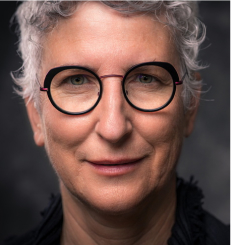
Cyndi Dale is an internationally renowned author, speaker, healer, and business consultant. She’s authored nearly 40 books on energy medicine, intuition, and spirituality, including the award-winning The Subtle Body: An Encyclopedia of Your Energetic Anatomy. She has worked with 80,000 clients and students and is known for her online trainings and yearlong apprenticeship program. She lives and teaches in Minneapolis, Minnesota. For more, visit cyndidale.com.

Cyndi Dale has received the following awards for The Subtle Body:

2010 Gold Nautilus Award - Health/Healing/Energy Medicine
2010 Silver Living Now Award - Health/Wellness
2010 Bronze IPPY - New Age (Mind-Body-Spirit)

Author photo © Allison Jagoda

600 Podcasts and Counting…

Subscribe to Insights at the Edge to hear all of Tami’s interviews (transcripts available too!), featuring Eckhart Tolle, Caroline Myss, Tara Brach, Jack Kornfield, Adyashanti, and many more.

Meet Your Host: Tami Simon

Founded Sounds True in 1985 as a multimedia publishing house with a mission to disseminate spiritual wisdom. She hosts a popular weekly podcast called Insights at the Edge, where she has interviewed many of today's leading teachers. Tami lives with her wife, Julie M. Kramer, and their two spoodles, Rasberry and Bula, in Boulder, Colorado.

Photo © Jason Elias

Also By Author

Cyndi Dale: Becoming Your Own Best Ancestor

On the surface, it appears as though the lives we live proceed forward moment by moment in a strictly linear way. Could it be we’ve got it all wrong? Renowned energy healer and teacher Cyndi Dale offers a wildly different perspective on our human journey—a paradigm-shattering cosmology where our current, past, parallel, and future selves coexist in realms beyond the grasp of the rational mind. In her book Transforming the Legacy, Cyndi helps readers create a partnership with these energetic aspects of ourselves to identify and heal soul-based and lineage-ancestry issues. 

In this podcast, Tami Simon speaks with Cyndi about Transforming the Legacy and a broad swath of fascinating topics including: past lives and reincarnation; quantum physics and how our past, present, and future lives coexist; our two neurological systems: the (linear) digital and the (timeless) analog; the phenomenon of loop quantum gravity and how our parallel lives unfold in connection and concurrently; healing the past for empowerment here and now; the 12-chakra model; the ancestral energies we receive pre-conception; soul-level agreements we choose prior to incarnating; changing the “program” to change the person; finding your “God spot,” or your connection to divine intelligence within; combining intuition with somatic practice on the path of healing and growth; applying subtle energy work to resolve money issues; the “wild tornadoes” metaphor for the chakras; spiritual light; overcoming our psychological discomfort around making difficult changes; addressing illness and disease on both the physical and subtle levels; the practice of becoming your own good ancestor; and more.

Note: This episode originally aired on Sounds True One, where these special episodes of Insights at the Edge are available to watch live on video and with exclusive access to Q&As with our guests. Learn more at join.soundstrue.com.

Meet Your Subtle Body: Discover Cyndi Dale’s 12-Chak...

Meet Your Subtle Body Header Image


“I think [the 12-chakra system] is a good compilation to get us going so that we can be the entirety of the human that we are—the human divine being that we are.”


—Cyndi Dale

As seekers, instead of following set rules, we may set out to discover routes that feel uniquely true and right for us.

Cyndi Dale, a luminary writer on the subtle body and its connection to the physical world, works with a unique 12-chakra system in her healing practice.

Cyndi’s 12-chakra vision helps her pinpoint feelings and where wounds are emanating from the invisible, spiritual self.

Chakras Infographic

from Enlightened Energetics

WHAT IS THE SUBTLE BODY?

Each of us have both a physical body and a subtle body. The physical is what we think of normally: our shape, our volume, and that which we can touch. The subtle body arises from a different place: the intuition. 

The subtle body seems to be some sort of underground pathway for our physical one. It is invisible not because it doesn’t exist, but because it’s sub-observable to the five senses we normally use. I might even argue that she sees the intuition as the 6th sense, and that the creative nature of our spirits gives us the ability to wield this power for healing.

Just like quantum physicists are starting to say, our world (or, at least, some dimension of our world) is not physical at all, but actually consists of “immaterial energy waves.” These waves somehow come together and entangle to create the material world.

As I listened to Cyndi’s interview with Tami, I was struck by the idea that healers like her use the subtle body every day. In the interview, she really helps you comprehend how that’s possible by guiding you through an exercise that’s less about understanding and way more about feeling. (It made me whisper, “whoa!” out loud.)

Here’s an exercise from that part of the interview if you want to try it:

Rub your hands together until you create some friction, and then put your hands palms facing each other about three or four inches apart. You’ll feel that there’s still an energy in between those hands—because there’s chakras in the hands and because there’s fields of energy emanating from the hands.

If you start patting your hands, not touching them, but kind of patting that energy ball. Again, you can bring your consciousness into your hands and pour more energy into that ball that’s being created. All of a sudden, you’re going to feel like your hands are moving farther away from each other. If you turn the spigot down, your hands—in order to feel that friction or the energy between them—are going to move closer together. Then a really fun thing to do is imagine or turn that energy red—it’s not clear anymore; it’s red—and get a sense of how that red energy field can have a certain reaction to red, especially in comparison to blue . . . as we’re now going to turn that energy blue. It’s really different, isn’t it?

About energy workers and healers she says: “They’re consciously kind of deciding what type of energy might be useful, what might be helpful for them, for somebody else, and they’re sending that.” 

THE 12-CHAKRA SYSTEM

According to Cyndi, the western tradition of the 7-chakra system is based on a book by Sir Arthur Avalon. 

Chakras are eddies of light and sound. They interact, dance, rotate and orbit us like our very own planets.

7 Chakras Infographicfrom MindBodyGreen

THE 12 CHAKRAS

1. Root

The root chakra is about spirituality, purpose and connection, as well as our relationship to Mother Nature and the Earth. It is associated with the underlying structures (both intuitive and ordered) of our minds. It is associated with pheremones and our sense of smell

2. Sacral

This is a chakra of motion and flow, representing the water element in the body. It bears a relationship to reproduction and fertility, joy and desire, and the kind of rest that encourages immune system recovery. It is associated with our sense of taste.

3. Solar Plexus

The solar plexus is a fiery center for our unique powers and gifts. When it’s in balance, we can feel like our lives are autonomous and in harmony with our value system. It helps define the energy that guides our motivations, disposition and mood, and it expands our idea of what’s possible when we are inspired by it.

4. Heart 

The heart chakra is related to our personal and romantic relationships. When it is in balance, we might be immersed in feelings of joy and real freedom. It is strengthened through trust, non-manipulative communication, and authentic respect for ourselves and others. It is also strengthened by the exploration and implementation of personal boundaries. With the heart, we send and receive our gifts.

5. Throat 

Here is our center for speaking and listening. The throat enables expression and facilitates spiritual dawnings of both rational and emotional understanding. Balancing the throat chakra can help prevent burnout. If you have writer’s block, it can be helpful to check with this chakra.

6. Third Eye

The third eye is associated with the pineal gland and rules telepathic ability. A vortex of sublimation, it is empowered by critical thinking, especially when we seek to release fear and guilt. Through the third eye, we can become more lucid, deepening our understanding that duality is an illusion. Opening it helps us to understand symbols and receive messages in both dreams and waking life.

7. Crown

The crown chakra is related to your nervous system and brain. Tap into its power by becoming present in the body through meditation, visualization and relaxation. It can look like a circle of light around your head, and is an expansion into space where you connect with the rest of the universe. It is related to transcendence & wisdom.

8. Soul/Shaman

Located a few inches above the head, this chakra encompasses past lives and your memories of other dimensions. From Cyndi’s description, it is a beautiful, mysterious chakra that connects our physical body to our soul’s experience in its totality. It empowers our ability to transcend spacetime and engage with “the sphere of potentialities in the making.” When it’s in harmony, it becomes easier to communicate with beings in other realms, like your spirit guides.

9. Luminary

This chakra is about an arm’s length above the top of your head. Lift your hand all the way up to connect with where it is. Cyndi sees this chakra as gold, related to our connection to the divine. It is the space of the greater spirit, the “seat of the soul,” which can act as a doorway into your divine self and your archetypal patternings.

10. Earth

This chakra blooms from beneath your feet. It is how your body connects to the earth, a cord that goes through the legs and feet into the ground. It is associated with nature and the cosmos in their simple essence, and the memories that arise from it can be related to ancestral lessons and inherited traumas. Substantial healing can arise from relationship with this chakra.

11. Supernatural

This chakra is “actually around the body. It’s like this lovely rose film, like way out in our energy field, but it’s collected around the hands and the feet.” Through this chakra, you can discover your inherent connection with both natural and supernatural forces. In this part of the interview, Cyndi mentions that chakras are located in multiple dimensions, existing in different places at the same time. She observes this chakra, which is responsible for our ability to move energy, as energy balls around the hands and feet.

12. Auric

This chakra surrounds the auric field of the body like a halo. Cyndi says, “I think of [it] as the outer bounds of our own unique essence or our own spirit.” She emphasizes the uniqueness of this chakra—its defining characteristic is you, and your individual purpose as a spiritual being. There is a connection between this chakra and the ability to envision, create and become, alongside the truth of universal unity.

*

Listen to Tami’s full interview with Cyndi Dale here on Insights at the Edge.


ABOUT CYNDI

Cyndi Dale is an internationally renowned author, speaker, intuitive healer, and visionary who has taught thousands of students to access their spiritual gifts through her books and workshops. She has authored several groundbreaking books and audio programs on energy healing and the chakras, including The Subtle Body, The Subtle Body Practice Manual, Advanced Chakra Healing, Energy Clearing, Attracting Prosperity Through the Chakras, and New Chakra Healing. Her work has been translated into nine languages.

*
*
*

ABOUT THE AUTHOR

When she isn’t writing poetry or music, Dani Ferrara blogs for Sounds True and seeks to learn more about healing alchemy. Learn more about her art at daniferrarapoet.com.

Cyndi Dale: Discovering Your Subtle Body

Cyndi Dale is a renowned intuitive healer, bestselling author, and recognized expert on energy healing. With Sounds True, Cyndi has published the seminal The Subtle Body: An Encyclopedia of Your Energetic Anatomy and The Subtle Body Practice Manual: A Comprehensive Guide to Energy Healing. Sounds True will also be hosting Cyndi’s upcoming online course The Subtle Body Online Training Program. In this episode of Insights at the Edge, Tami Simon speaks with Cyndi about the many extraordinary experiences and important lessons that brought Cyndi to energy healing. They discuss the basic structures of the subtle anatomy and how physical ailments often have energetic causes. Cyndi explains her understanding of the chakras and details how people can maintain their personal energetic boundaries. Finally, Cyndi leads listeners in an exercise for recognizing their own subtle energetic field and talks to Tami about the “energy egg” that surrounds each of us. (70 minutes)

You Might Also Enjoy

Laurie Nealon: “Energy Healing with Help From the Ot...

What if you were never working alone—and neither was anyone you were trying to help?

This week, Tami Simon speaks with Laurie Nealon, an intuitive energy healer, medium, and educator whose work is profiled on the Sounds True podcast Phenomena: The Science and Stories of Energy Healing. Seventeen years ago, Laurie began seeing and hearing those who had passed—not in dreams, but in the middle of her waking life. She resisted it. Then she built a practice around it.

Join Tami and Laurie to explore:

  • What Laurie actually perceives when someone who has died “appears”—and how she learned to filter it
  • Integrated Energy Therapy (IET), attunement, and why she calls the practitioner a facilitator rather than a healer
  • The “spiritual support group”: angels, guides, ascended masters, and loved ones she says fill the room during a session
  • A guided practice—rolling the energy—you can do in two minutes before you get out of bed
  • The screen technique: how to stay open to love without carrying everyone else’s journey
  • Why “lightening someone’s load” may actually dishonor their path
  • Entity energy, imprints, and what clearing a block really means
  • Tami’s hardest question: what about the people who did everything right and still died?
  • A closing prayer Laurie offers for every listener

Laurie’s conviction is that none of this is exotic. Everyone, she says, should be trained in energy healing the way everyone is trained in CPR—and everyone has the capacity to open to their own gifts.

Listen now, and find out who else is in the room. →

This conversation offers genuine transmission, not just concepts about awakening, but the palpable presence of realized teachers exploring the growing edge of spiritual understanding together, and originally aired on Sounds True One.

Alberto Villoldo on Shamanic Healing: The Light Body a...

What would change if healing began not with symptoms, but with the energy beneath them? Alberto Villoldo has spent decades exploring that question, and the answers have shaped some of the most compelling teachings in modern shamanism.

At Sounds True, we have been sharing the voices of respected spiritual teachers since 1985, when our founder Tami Simon set out to preserve the living wisdom of those with something real to offer the world. Today, our library holds more than 3,000 titles spanning audio programs, digital courses, and conversations that meet seekers wherever they are on their path. 

This post walks through Villoldo’s core teachings on shamanic healing, the light body, and energy medicine, and how these practices connect to lasting personal growth.

Key Takeaways:

  • Healing Through Ancient Wisdom: As Alberto Villoldo, shamanic healing is a practice rooted in indigenous traditions from the Andes and Amazon that works with energetic patterns to restore balance and a deeper sense of wholeness.
  • Your Light Body’s Hidden Influence: The light body is an energetic field that may shape how we feel and respond daily. Energy medicine works by identifying and clearing the imprints that lock us into familiar, limiting patterns.
  • Energy Medicine, Everyday Practice: From the Four Winds Society to the Munay Ki rites, Villoldo’s teachings lay out concrete pathways for living with greater awareness, all supported through Sounds True’s courses, podcasts, and programs.

Discover the Power of Daily Meditation and Inner Stillness

Alberto Villoldo and the Foundations of Shamanic Healing

Alberto Villoldo is a medical anthropologist and psychologist who spent years living among indigenous healers in the Andes and the Amazon basin. What he witnessed there reshaped his sense of what healing could be. Shamanic healing holds that our energetic patterns shape our experience just as powerfully as physical ones do.

These traditions teach that recurring emotional struggles, persistent patterns, and illness may have roots in the energetic field surrounding the body. A shamanic healer works beneath the visible wound by tending to memories and imprints. Villoldo’s fieldwork led him to synthesize indigenous Andean and Amazonian wisdom with contemporary frameworks for personal growth, making these teachings accessible to all students.

We have been honored to share his voice alongside many others through our Insights at the Edge Podcast, a weekly conversation series where healers, scientists, and spiritual teachers speak honestly about consciousness, transformation, and the practices that have shaped their lives.

Understanding the Light Body Through Energy Medicine

One of the most distinctive ideas in Villoldo’s work is the concept of the light body, an energetic field said to interpenetrate our physical selves. This luminous layer carries the imprints of past experiences, emotional wounds, and inherited patterns that may influence how we feel, respond, and relate to others.

According to Villoldo, energy medicine works with this field. Practitioners learn to identify and clear the imprints fueling recurring challenges, drawing on Andean cosmology, Amazonian healing lineages, and Villoldo’s own background in neuroscience and psychology. What makes this perspective compelling is the shift in agency it invites. Healing becomes something we actively participate in, a relationship we tend rather than an outcome we wait for.

Those drawn to these ideas can continue their journey through our Subtle Energy collection, where teachings on the energetic body and holistic healing are gathered from a wide range of respected voices and traditions.

Uncovering The Origins of These Teachings

The wisdom Villoldo draws from spans thousands of years and several distinct indigenous cultures. Andean shamanism carries a rich cosmology centered on the relationship between human consciousness and the natural world. Practitioners work with the four directions, elemental forces, and archetypal energies as partners in the healing process, a view that places us in genuine relationship with something far larger than our individual concerns.

How Shamanic Healing Supports Lasting Transformation

Shamanic healing asks us to become active participants in our own growth. Villoldo speaks of the importance of shifting the energetic stories we carry, going deeper than surface circumstances. When the root pattern changes, the outer experience tends to follow. Practices that support this path include:

  • Guided Visualization and Ceremony: These create a structured, safe space for moving through emotional or spiritual material. A visualization practice might invite you to meet a part of yourself carrying a wound and offer it compassion and release. Many practitioners find this builds greater emotional clarity, steadier presence, and a more grounded relationship with life.
  • Compassionate Self-Reflection Practice: Shamanic teachings place great weight on honesty and self-awareness. Examining the recurring stories we tell about ourselves, our relationships, and our limitations is central to the path. This kind of clear-eyed witnessing opens the door to real, lasting change.
  • Meditation and Breathwork: These practices cultivate the inner stillness from which insight can arise. Even brief, consistent sessions can make the patterns held within the light body more visible and the process of releasing them more accessible, even for those new to these practices.

The Four Winds Society’s Living Mission

Alberto Villoldo founded the Four Winds Society in the 1980s to preserve and pass on the wisdom he received from Andean and Amazonian elders. The organization offers training in energy medicine and shamanic healing to students from many different backgrounds.

Their guiding values include honoring the sacredness of life and respecting the cultural origins of these traditions. Students are trained in technique as well as the ethical responsibility that comes with this kind of work.Central to the Four Winds curriculum is the Munay Ki rites, nine traditional initiations drawn from Andean shamanic lineages. The word “munay” in Quechua carries the combined meaning of love and will. Each rite is transmitted heart to heart between teacher and student.

These themes resonate with many of the teachings we gather through our Spirituality & Awakening collection, where many paths come together in service of greater consciousness.

Awaken Your Inner Healing Power: Your Wellness Journey Starts Now

Bringing the Light Body and Energy Medicine into Everyday Life

A shamanic perspective holds that healing belongs in everyday life, woven through small choices and simple moments.

A Morning Grounding Practice

Begin the day with a few quiet minutes, ideally seated in a calm, dedicated space or with feet on the earth. Shamanic traditions speak of connecting to the natural world as an anchor for energetic balance. Even five minutes of conscious breath can shift the quality of the day ahead and help you move with greater presence from the very first hour.

Gratitude as Energetic Medicine

Gratitude runs deeper than a fleeting mood. From a shamanic view, it actively shifts the quality of the energetic field we move through the day. Starting or ending the day with genuine appreciation for the body, for those we love, for simple beauty, changes how we relate to life at a fundamental level.

Meeting What Arises 

Shamanic healing encourages meeting challenges with curiosity. Asking “what is this experience here to show me?” transforms daily life into a practice of ongoing growth and self-knowing, a small but powerful reframe that accumulates into real change.

At Sounds True, we are proud to bring voices like Alberto Villoldo’s to this community alongside many other respected teachers, including Jack Kornfield, Pema Chödrön, and others featured through our All Teachers & Authors page.

Discover how your mind really works

Final Thoughts

Alberto Villoldo’s teachings remind us that healing is an ongoing journey. Shamanic healing, the light body, and energy medicine are accessible to anyone willing to engage with them, carrying an invitation extended across thousands of years: a call to remember that we are more than our symptoms, more than our stories, and far more capable of transformation than we may have believed. 

At Sounds True, we are honored to walk alongside teachers who carry this kind of wisdom and to share it with seekers at every stage of their path. 

Frequently Asked Questions About Alberto Villoldo on Shamanic Healing

What is Alberto Villoldo best known for?

Alberto Villoldo is best known for his work as a medical anthropologist, psychologist, and teacher of shamanic healing. His teachings combine indigenous wisdom with contemporary perspectives on personal growth and well-being.

How does shamanic healing differ from conventional healing practices?

Shamanic healing focuses on restoring energetic and spiritual balance alongside physical and emotional well-being. It is intended to complement personal growth rather than replace professional medical care.

Is the light body connected to a specific spiritual tradition?

The concept of the light body appears in several spiritual traditions, although Alberto Villoldo teaches it through the lens of Andean and Amazonian shamanic practices and energy medicine.

Can anyone learn energy medicine?

Many teachers, including Alberto Villoldo, believe that energy medicine practices can be learned through study, guidance, and consistent practice. Some techniques are suitable for beginners, while others require more advanced training.

What are the Munay Ki rites?

The Munay Ki rites are a series of traditional initiations that are intended to support spiritual growth, deepen self-awareness, and strengthen one’s connection with nature and compassionate living.

How can energy medicine become part of a daily routine?

Many people incorporate energy medicine through meditation, mindful breathing, gratitude practices, visualization, or spending intentional time in nature as part of their daily spiritual practice.

Michelle Cassandra Johnson is an author, activist, spiritual teacher, racial equity consultant, and intuitive healer. She is the author of six books, including Skill in Action and Finding Refuge. Amy Burtaine is a leadership coach and racial equity trainer. With Robin DiAngelo, she is the coauthor of The Facilitator's Guide for White Affinity Groups. For more, visit https://www.michellecjohnson.com/wisdom-of-the-hive.

What Is Conscious Business? Purpose-Driven Leadership ...

Work has always been about more than productivity and profit. The way people lead, communicate, and make decisions shapes workplace culture in lasting ways. As more individuals seek meaning and alignment in their professional lives, conscious business continues to gain attention as a more human-centered approach to leadership and growth.

At Sounds True, we have spent decades sharing teachings on mindfulness, emotional awareness, conscious living, and personal transformation. Through books, courses, podcasts, and conversations with respected spiritual teachers, we continue to support people seeking wisdom that can guide both personal and professional life.

Below, we discuss what is conscious business, the conscious business definition, and how purpose driven leadership, conscious capitalism, and spiritual leadership at work are influencing modern organizations.

Key Takeaways

  • Conscious Leadership: Learn how awareness, empathy, and accountability shape healthier workplace cultures and stronger leadership practices.
  • Purpose Driven Business: Understand how businesses align financial success with values, sustainability, and meaningful contribution.
  • Conscious Capitalism: See how ethical leadership and stakeholder-focused decision-making support long-term organizational growth.

Center Yourself With Daily Meditation and Wisdom Teachings

What Is Conscious Business and Why Is It Growing?

A conscious business recognizes that work affects more than financial outcomes. It influences relationships, well-being, creativity, and the ways people experience purpose in everyday life. Many employees no longer want to separate their personal values from their professional lives. Customers are also paying closer attention to how businesses treat people, contribute to communities, and respond to social and environmental concerns.

This shift has encouraged organizations to rethink leadership, workplace culture, and long-term success. A growing number of companies are moving away from purely profit-centered models and asking how business can support both sustainability and human well-being. Conscious business continues to gain attention because it speaks to a deeper desire for alignment, responsibility, and meaningful contribution in modern work environments.

The Conscious Business Definition and Its Core Principles

The conscious business definition centers on awareness, responsibility, and long-term thinking. A conscious business considers how its decisions affect employees, customers, communities, and the environment alongside financial success.

Businesses that follow this approach often value transparency, collaboration, accountability, and human connection while creating healthier workplace cultures.

Leadership Rooted in Awareness

Conscious leadership begins with self-awareness. Leaders who understand their values and communication styles are often better prepared to guide teams through change with trust, openness, and shared responsibility.

This approach can strengthen workplace relationships because employees are more likely to engage and contribute when they feel supported and heard.

Business as a Relationship

A conscious business sees relationships as an important part of success. Employees and customers are treated with care and respect, not simply as resources or transactions.

This mindset can influence communication, hiring, customer service, and decision-making. Businesses that lead with awareness often consider the long-term impact of their actions on people and workplace culture.

How a Purpose Driven Business Creates Meaningful Work

A purpose driven business helps employees connect their work to something meaningful beyond daily tasks or financial goals. Purpose can strengthen motivation, collaboration, and workplace engagement.

Purpose Beyond Financial Success

Financial growth remains important, but purpose driven businesses also focus on values, community impact, and long-term contribution. Success is measured through both performance and positive influence.

Creating Cultures of Belonging

Employees are more likely to stay engaged when they feel respected and supported. Leaders who encourage open communication and shared purpose often create stronger workplace cultures.

Conscious Capitalism and the Evolution of Ethical Leadership

Conscious capitalism encourages businesses to consider the well-being of employees, customers, communities, and investors alongside financial success. This approach supports leadership that values long-term impact, ethical decision-making, and accountability.

Moving Beyond Shareholder-Only Thinking

Traditional business models often focus heavily on short-term profit. Conscious capitalism encourages leaders to think more broadly about sustainability, trust, and the long-term effects of business decisions.

The Human Side of Leadership

Ethical leadership depends on communication, empathy, and emotional awareness. Leaders who practice accountability and compassion often create stronger workplace relationships and healthier organizational cultures.

Insight Is the First Step Toward Transformation: Expand Your Understanding Today

Spiritual Leadership at Work and the Importance of Self-Awareness

Spiritual leadership at work does not depend on a particular belief system or religious practice. Instead, it reflects qualities such as compassion, mindfulness, integrity, and presence within professional environments. Many people spend a large portion of their lives working, so the emotional atmosphere of a workplace can have a lasting effect on well-being and relationships.

Some examples of spiritual leadership at work include:

  • Encouraging respectful and honest communication
  • Supporting employee well-being alongside performance goals
  • Creating space for reflection before major decisions
  • Leading with empathy during conflict or organizational change
  • Valuing collaboration instead of excessive competition
  • Practicing accountability and humility in leadership roles
  • Recognizing the emotional impact workplace culture has on people

These practices can help employees feel more connected to themselves and one another. Spiritual leadership at work is not about perfection or constant positivity. Leaders still face pressure, make mistakes, and navigate difficult situations. The difference is that awareness and responsibility remain part of the process. Over time, these qualities can strengthen trust, deepen engagement, and support healthier workplace culture.

Building a Conscious Business Culture Through Purpose Driven Business Practices

Building a conscious business culture requires consistency between values and action. Employees quickly recognize when leadership language does not align with organizational behavior. For this reason, many businesses focus on daily practices that reinforce trust, accountability, and care.

Purpose driven business practices may include transparent communication, ethical sourcing, flexible work structures, and leadership development centered on emotional intelligence. These actions help employees feel valued beyond productivity alone. Over time, workplace culture becomes shaped by lived experience rather than mission statements.

Organizations committed to conscious leadership also remain open to feedback and reflection. Instead of resisting change, they recognize that growth often requires listening, learning, and adaptation. This willingness to evolve can strengthen relationships across every level of the business.

Common Challenges in Conscious Capitalism and Purpose-Driven Leadership

Conscious leadership can be challenging because businesses still face financial pressure, operational demands, and complex decisions. Some leaders struggle to balance profitability with ethical responsibility, particularly in competitive industries.

There can also be skepticism when companies speak about purpose without making meaningful changes. Employees and customers often recognize when values are used more for branding than genuine action.

Purpose-driven leadership requires honesty, accountability, and self-awareness. While the process is not always easy, many organizations find it helps build stronger cultures and more trusting relationships over time.

How Spiritual Leadership at Work Supports Long-Term Business Growth

Long-term growth depends on more than financial success alone. Businesses often thrive when employees feel respected, connected, and supported through conscious leadership and clear communication. Organizations that value both well-being and performance can build stronger trust, collaboration, and resilience over time.

Conscious business reminds leaders that organizations are shaped by people, relationships, and daily decisions. Rather than rejecting ambition, this approach expands success to include integrity, responsibility, and meaningful contribution.

Start Your Wellness Journey With Sounds True By Your Side

Final Thoughts

Conscious business invites leaders to approach work with greater awareness, responsibility, and care. By aligning purpose with action, organizations can create environments that support both meaningful contribution and sustainable success. As workplace values continue to evolve, conscious leadership offers a more human-centered way to build trust, encourage growth, and strengthen connection within business and beyond.

Frequently Asked Questions About What Is Conscious Business

Is conscious business only relevant for large companies?

No. Businesses of any size can apply conscious business principles. Small businesses often build strong relationships and values-driven cultures because they work closely with employees and local communities.

Can a conscious business still focus on growth?

Yes. Conscious business supports growth while encouraging leaders to think about long-term impact, ethical practices, and sustainable decision-making alongside financial success.

How does conscious business affect employee retention?

Employees are more likely to stay with organizations where they feel respected, supported, and connected to a meaningful mission. Healthy workplace culture can improve engagement and reduce burnout.

Is conscious capitalism connected to social responsibility?

Conscious capitalism includes social responsibility, but it also focuses on leadership awareness, workplace culture, and the well-being of all stakeholders connected to the business.

What industries can benefit from purpose driven business practices?

Purpose driven business practices can benefit nearly every industry, including healthcare, education, technology, retail, wellness, hospitality, and creative services.

Does spiritual leadership at work mean discussing spirituality openly in the office?

Not necessarily. Spiritual leadership at work often focuses more on qualities like empathy, integrity, mindfulness, and compassionate communication rather than specific spiritual beliefs.

How can leaders introduce conscious business practices gradually?

Leaders can begin with transparent communication, employee feedback initiatives, ethical decision-making, and creating healthier workplace boundaries and expectations.

What is the difference between conscious business and traditional leadership?

Traditional leadership models may prioritize hierarchy and short-term results, while conscious business emphasizes collaboration, awareness, relationship-building, and long-term sustainability.

Can conscious leadership improve customer relationships?

Yes. Customers often respond positively to businesses that communicate honestly, operate ethically, and demonstrate genuine care for people and communities.

Why are younger generations drawn to conscious business models?

Many younger professionals value purpose, flexibility, authenticity, and ethical leadership. Conscious business models often reflect these priorities more closely than traditional workplace structures.

Final Thoughts

Conscious business invites leaders to approach work with greater awareness, responsibility, and care. By aligning purpose with action, organizations can create environments that support both meaningful contribution and sustainable success. As workplace values continue to evolve, conscious leadership offers a more human-centered way to build trust, encourage growth, and strengthen connection within business and beyond.

Frequently Asked Questions About What Is Conscious Business

Is conscious business only relevant for large companies?

No. Businesses of any size can apply conscious business principles. Small businesses often build strong relationships and values-driven cultures because they work closely with employees and local communities.

Can a conscious business still focus on growth?

Yes. Conscious business supports growth while encouraging leaders to think about long-term impact, ethical practices, and sustainable decision-making alongside financial success.

How does conscious business affect employee retention?

Employees are more likely to stay with organizations where they feel respected, supported, and connected to a meaningful mission. Healthy workplace culture can improve engagement and reduce burnout.

Is conscious capitalism connected to social responsibility?

Conscious capitalism includes social responsibility, but it also focuses on leadership awareness, workplace culture, and the well-being of all stakeholders connected to the business.

What industries can benefit from purpose driven business practices?

Purpose driven business practices can benefit nearly every industry, including healthcare, education, technology, retail, wellness, hospitality, and creative services.

Does spiritual leadership at work mean discussing spirituality openly in the office?

Not necessarily. Spiritual leadership at work often focuses more on qualities like empathy, integrity, mindfulness, and compassionate communication rather than specific spiritual beliefs.

How can leaders introduce conscious business practices gradually?

Leaders can begin with transparent communication, employee feedback initiatives, ethical decision-making, and creating healthier workplace boundaries and expectations.

What is the difference between conscious business and traditional leadership?

Traditional leadership models may prioritize hierarchy and short-term results, while conscious business emphasizes collaboration, awareness, relationship-building, and long-term sustainability.

Can conscious leadership improve customer relationships?

Yes. Customers often respond positively to businesses that communicate honestly, operate ethically, and demonstrate genuine care for people and communities.

Why are younger generations drawn to conscious business models?

Many younger professionals value purpose, flexibility, authenticity, and ethical leadership. Conscious business models often reflect these priorities more closely than traditional workplace structures.

Michelle Cassandra Johnson is an author, activist, spiritual teacher, racial equity consultant, and intuitive healer. She is the author of six books, including Skill in Action and Finding Refuge. Amy Burtaine is a leadership coach and racial equity trainer. With Robin DiAngelo, she is the coauthor of The Facilitator's Guide for White Affinity Groups. For more, visit https://www.michellecjohnson.com/wisdom-of-the-hive.

Leave a Reply

Your email address will not be published. Required fields are marked *