Gary Gach: Pause. Breathe. Smile. Spiritual Awakening as an Art Form

    —
August 14, 2018

Gary Gach: Pause. Breathe. Smile. Spiritual Awakening as an Art Form

Gary Gach August 14, 2018

Gary Gach is a writer, meditator, and mystic who draws on his diverse life experiences to inform his nonfiction and poetry offerings. He is the author of What Book!? and The Complete Idiot’s Guide to Understanding Buddhism. With Sounds True, he has most recently published Pause, Breathe, Smile: Awakening Mindfulness When Meditation Is Not Enough. In this episode of Insights at the Edge, Tami Simon speaks with Gary about the titular process of pausing, breathing, and smiling—how it can center you immediately, plant seeds of awakening, and help light the way on the path to peace. They talk about the “mouth yoga” of the half-smile and why meditation is only “part of the menu” of daily mindfulness practice. Gary and Tami also discuss what it means to exist in three kinds of awakening reality: the spaces of impermanence, interbeing, and selflessness. Finally, Gary shares his love of reading and writing haiku, offering a spontaneous haiku poem that arises in the course of the interview. (59 minutes)

Gary Gach is a writer, mystic, and lifelong meditator who has engaged in many roles: actor, bookshop clerk, dishwasher, hospital admin, office temp, stevedore, teacher, and typographer. Lay-ordained by Thich Nhat Hanh in 2008, he has authored eight previous books including The Complete Idiot’s Guide to Buddhism (Alpha, 2001). Gary lives in San Francisco. For more, visit garygach.com

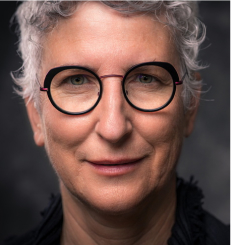
Author photo © Angela Beske

600 Podcasts and Counting…

Subscribe to Insights at the Edge to hear all of Tami’s interviews (transcripts available too!), featuring Eckhart Tolle, Caroline Myss, Tara Brach, Jack Kornfield, Adyashanti, and many more.

Meet Your Host: Tami Simon

Founded Sounds True in 1985 as a multimedia publishing house with a mission to disseminate spiritual wisdom. She hosts a popular weekly podcast called Insights at the Edge, where she has interviewed many of today's leading teachers. Tami lives with her wife, Julie M. Kramer, and their two spoodles, Rasberry and Bula, in Boulder, Colorado.

Photo © Jason Elias

Also By Author

Inspiration: 27 Vital Aspects of Breath

Pause, Breathe, Smile by Gary Gach

Have you ever paused to consider how amazing your breath is? Here’s a list of some inspirational aspects of breath. (The word inspiration itself means to breathe.) Some might already be familiar to you. You may feel drawn to appreciate some more than others. Devoting close attention to any one will lead to all the others. It’s all there – in a breath.


1  Present-ness

My mind wanders. My thoughts drift off. Sometimes, I could drown in regret, lost reviewing the past. Meanwhile, my breath is always precisely in the present moment.

2  Happiness

When we drop our worries and hurries, we can fully connect with our aliveness. Breathing with this joy on our lips, we learn a deeper, more enduring happiness. It’s our birthright. Conscious breathing can be a great relief, having nothing else to do but be – and a reminder there are enough simple reasons for happiness in this present moment.

3  Leadership

I’m a follower of my breath. Following my breath can tell me volumes about how I’m feeling and what I’m thinking; where I am and where I need to go in my life. When I notice my mind has wandered – I simply draw attention back to my breath.

4  Constant Companion

Since my birth, no one and no thing has been as close to me, without fail, rain or shine, as my breath. No sensation has been as familiar to me. When I follow my breath, I feel myself coming home, where I’ve always belonged.

5  Best Friendship

Ultimately, no one may love me as much as I do. To remain faithful to my part of the relationship, I pay utmost attention to my breath. Sometimes, I need to take time for us to get to know each other better.

6  Relational

I say, “my breath,” but I could b breathing in your out-breath. The simple implication of breath’s merging of within and around can dramatically shift my perspective.

7  Inspirational

We have many muses in our creative life. They may take the form of rituals, people, or substances. My primary inspiration is breath.

8  Nature
Through my breath, I observe my connection to Nature and her processes. The in-and-out of breath mirrors the natural cycles – the tides, the sun and moon, life and death.

9  Slowness

Nature reminds me to slow down, since my observation reveals how slowness tends to predominate our surroundings. Paying attention to breathing, it tends to deepen and slow, of its own, naturally. Living in a culture addicted to an ever-accelerating pace, slowness can feel like salvation.

10 Calm

Paying attention to breath allows it become as deep as it wishes to be. When I feel my belly soften and breath grow deep, my vestigial instincts of flight-fright-or-fight have gone away: less stress! I am aware of how calm I feel.

11  Solidity

Without calm, my strength can dissipate, disperse, and scatter. Without calm, I cannot engage in gentle inquiry into the nature of self and reality. My reserve of calm assures my presence has solidity, even in emergency. I can show up, and be present when I show up.

12  Silent

Paying attention, I notice breath is slower than thought. Nor does it obey the restrictive patterns of verbal language. I pay close attention to each quiet breath, from beginning, middle, and end – and with a blank space, in between. This silence is not blind.

13  Anonymity

My breath is totally unconcerned whether or not I am up with latest fashion, or what I look like. I don’t need to cultivate an identity. Breath accepts as I am. In that complete acceptance, I could be nobody – or anybody. This is anonymity is a passport to the undomesticated world of the wild.

14  Impermanence

Breath is a living example of the impermanence of all things – a reminder of the importance of flow. You can never breathe the same breath twice.

15  Focus of Awareness

Meditating, I could focus on sound, which is also ever-present, but I like breath best.

16  Emotional Self-Regulation

Being intimate with how a breath arises, manifests, then falls away is a transferable skill, applicable to emotions and thoughts. These too arise, take form, and pass. Besides my recognizing they’re impermanent, it’s great to also be able to catch negative thought forms and destructive feelings at their inception – before they’ve pulled us along by the nose – learning to step away from their pull on us, understand them, and heal and transform their energies.

17  Direct

Breath isn’t symbolic nor abstract. There’s no need to look behind breath, searching for hidden meaning. Beyond anyone else’s words or labels, connecting with breath is to see for one’s self, through direct experience.

18  Intentionality

Wanting to change my behavior – my thoughts, my words, and my deeds – conscious breathing is wonderful training. To be conscious of just one breath immediately sets intention into motion. Conscious breath provides a space where I can consider how to respond, rather than react.

19  Universal

Like the wind that encircles the planet, breath is everywhere. It knows no religious denominations, national boundaries, ethnic differences, or social classes. Languages vary but they all tend to point to the vital connection to life of breath.

20  Vital

Mindful of breath, I return my attention to the fountain of life. Dead people don’t breathe. Many languages equate our personal breath with a connection to something greater than ourselves.

21  Centering

Shunryu Suzuki Roshi once likened breath to a hinge between mind and body. In present-moment awareness of breath, my body and mind find each other. In the vital spaciousness of breath, body mind spirit can align as one.

22  Interconnection

Scientists tell me my breath nourishes the green world of vegetation, and vegetation nourishes my breath. I know, first-hand, such interdependent interconnection of all things through my breath. I can feel how body conditions mind … mind conditions body … breath conditions both.

23  Letting Go

Breathing out teaches me a central lesson: letting go. I can’t breathe in without breathing out.

24  Ineffable

Breath is invisible. It has no color, no shape. It’s invisible. Breath – like mind, like life – is ineffable.

25  Selflessness

Breathing out, I let my exhalation simply fall away from my body, as if as far as to the horizon. Then I wait. I am as still as a hunter waiting for a deer. I don’t summon it, nor try to will it into existence. My next breath comes, nevertheless. As if of itself. Without fixed identity, lacking any separateness, empty of ownership. In this, it is perfectly open to anything and everything, as limitless as a big clear sky. Selfless.

26  Prayer

Mindful breathing can be a form of prayer.

27  Engaged

Breath can’t be confined to a monastery. It’s actively engaged in the world.


Gary GachGary Gach hosts Zen Mindfulness Fellowship weekly in San Francisco, since 2009. He’s author of The Complete Idiot’s Guide to Buddhism and editor of What Book!? ~ Buddha Poems from Beat to Hiphop. His most recent book is PAUSE   BREATHE   SMILE ~ Awakening Mindfulness When Meditation Is Not Enough. This brings mindfulness full-circle, back to its roots as a spiritual as well as secular path for complete awakening. It’s available in both paperback and as an audio book. His work has also appeared in over 150 periodicals and a couple dozen anthologies, including The Christian Science Monitor, Harvard Divinity Bulletin, Huffington Post, In These Times, Language for a New Century, The Nation, The New Yorker, Technicians of the Sacred, and Yoga Journal.  More info : GaryGach.com.


Pause, Breathe, Smile by Gary Gach

Buy your copy of PAUSE, BREATHE, SMILE at your favorite bookseller!

Sounds True | Amazon | Barnes & Noble | Indiebound


Copyright © 2019 by Gary Gach.


MINDFULNESS 24/7: 5 Simple Everyday Practices

24/7 Mindfulness, Gary GachMindfulness can be defined as the clear and calm energy of an intelligent alertness, spacious and awakening. The good news is it’s present all the time. It’s inherent in our human inheritance. We need only to remember this. Here are five simple everyday reminders for mindful living to try for yourself.

[You don’t need to take them on all at once. As you learn to incorporate each into your daily life, gradually, any one can be a model for all the others.]

1) BREATHE, YOU ARE ALIVE!—Conscious Breathing

Vietnamese Zen Master Thich Nhat Hanh, the grandfather of modern mindfulness, gives us this brief reminder to remember: “Conscious breathing is my anchor.” This thought stops me in my tracks. With breath now as basis of my awareness, I have returned to the present moment. Even when my mind might wander elsewhere, I can feel my breath in my body is in the present moment, my underwater anchor supporting my awakening mindfulness.

Allowing body, mind, and breath (spirit) to find each other helps me live fully. Paying attention to What Is, as it manifests right in front of my nose, lets me see things as they are, rather than through colored lenses of fantasy and personal cravings, invisible filters of cultural conditioning, and frames of ideology.

Conscious breathing doesn’t require taking a full breath, or any particular kind of breath at all. Rather, just being mindful of breath can amplify concentration which can, in turn, awaken full awareness. This can even lead to the cool, lucid plateau of meta-awareness: awareness of awareness.

See for yourself. Enjoy just three conscious breaths—right now!—and feel yourself solidly grounded in moment-to-moment awareness.

2) PAUSE—Intentional Conduct

To enjoy just one conscious breath means to pause. Pausing opens up a vital space. Between stimulus and unconscious reaction, I have space to discern how I might best wisely respond to what’s at hand. What can I do, right now, that could be harmful, and what might be beneficial? This too is spiritual practice, making evident my values via concrete action.

Throughout the day, I remember to pause, return to my breath, and check intention. A wonderful reminder is to smile. Aware of your breathing, notice what happens if you also give yourself the gift of a smile. Just a faint smile can help me realize I have enough reasons to be happy in the present moment. Earth beneath me, blue sky above, air in my nostrils—life itself! My smile also arouses my sense of taking responsibility, truly being author of my life, to live the life I was meant to live.

Plus, a smile can be contagious. Here is a fulcrum, so to speak, that can facilitate deep transformation. That is, to my intentionality I add relationality. It’s my intention for myself—and for others. I know my well-being is intertwined with the well-being of everyone else. We’re all in this together.

The Dalai Lama sometimes refers to his “selfish altruism.” That’s an honest way to view relationality. Who wants to live in a world where everyone’s depressed, burnt out, and close the edge!? I recognize I am not free unless everyone else is too.

To check how I’m doing, I use my life as the clear mirror of my practice. For instance, I look in the rear-view mirror of my actions. (I consider actions, by the way, as including thoughts and words, as well as deeds.)

As the East Bay Meditation Center reminds us all, there can be a difference between intention and impact. If my actions have good intentions but are triggering destructive emotions in others, it’s a good cause for engaging in self-examination as to what I still need to work through.

3) DEEP LISTENING—Awakening the Mind of Love

Now you know the three primary reminders I engage with in my everyday life: breathing, smiling, pausing. From that base, I am glad to offer three more.

Living in an Information Age, I feel like I’m being asked to get a glass of water off an open fire hydrant. It’s this way with stimuli in general—too much. Instead, I listen to what’s really important. I hear what’s not being said, as well as what is. This way, I can connect with info more deeply.

How does this work? I listen without my interrupting what’s going on. I’m simply present, without agenda or labels.

I train this skillful listening by being aware of each breath—arising, manifesting, and falling away. My body has been breathing all my life. Now I’m learning to be intimate with it. This awareness then becomes the model for my listening to my emotions and thoughts, as they too arise, take form, and fade away into other phenomena. I pay attention to whatever’s coming up within me, openly, with a nonjudgmental, gentle curiosity.

Just this morning, I had to stop my meditation midway. Difficult emotions and thoughts were arising, and I wanted to quit. Then I remembered not to look away. After all, the only way out is in. After setting my intention to give myself enough self-care to make it through, I returned to my meditation, and listened until I soon heard the key to where I need to go next with some of the current sensitive, vulnerable, juicy, meaty stuff in my life story.  [To Be Continued.]

With the clarity of mindfulness, our heart opens to the realization we all want the same thing: an end of suffering and a life of happiness. When we liberate ourselves from our prison, the prison of the illusion of our separateness (“the skin-encapsulated ego,” as Alan Watts says), the eye in our heart can open: the eye of true love. Then we can see and hear ourselves and life around us as it is—a miracle.

4) SLOWLY, SLOWLY, STEP BY STEP—Walking Meditation

Sitting still may be the most commonly known posture of meditation in the world. You can see it in ancient South Asian statues and Mayan, alike. Yet the body has four basic postures: laying, sitting, standing, and walking. Being aware of our body, whatever position it’s in, is an everyday meditation anyone can practice.

Walking meditation is simply meditation walking. Try it—walking from a car to a door, or walking down a street. Notice your body and its posture. Is it relaxed, yet alert? Can you notice your breathing?

As you walk, notice how many steps for an in-breath; how many for an out-breath.  Maintaining awareness of present-moment breathing, I’m no longer marching, marching off into a fictive future, to attain some abstract purpose. Instead, I’m permeable to what is. As it is. Within me, and all around. With each step, I’m arriving in the present moment—the only moment ever available for me to live.

Rather than trying to get anywhere—I’m almost aimlessly experiencing the miracle of walking. Zen ancestor Rinzai tells us the miracle isn’t to walk on water, nor to walk on coals. The real miracle is to walk on this green earth.

As with sitting, formal walking meditation can take a good 20 minutes before you can feel it digging a well of peace for you to draw from throughout your day. Such formal meditation might be just walking slowly for twenty minutes, as slow as synchronizing your left step to you inhalation, and your right step to your exhalation. Remembering to smile. Being aware of what it’s like to be stepping into the unknown, with eyes born for wonder.

5) SLOW FOOD IS SOUL FOOD—Mindful Meals

I practice sitting still in the morning and evening, and walking meditation before lunch or dinner. Plus, there’s a meditation you can practice three times a day: mindful meals. When I teach this, I begin with Raisin Meditation: experiencing the whole universe in a single raisin. And mindfulness meditation is as light and common as a raisin.

Anyhoo—you might try out these five basic steps the next time you’re alone at the table for a meal.

First, pause. Look. Smell. Take it in.

As you feel your gratitude arise at the generosity this meal represents, take a moment to express it. Even if it’s just “Thanks!” or “Grace!,” “L’chaim!” or “Bismillah!”—everyone knows how to do this. (And the food knows too, and will respond by tasting better when you give thanks for it.)

Second, as you bring it to your lips, pause to regard each bite.

Third, as you chew, please consider how this is a messenger of the whole cosmos. In any slice of food is present the gift of earth, rain, air, sun, and many hands. Awaken to the marvels of the interconnectedness of all things—interbeing—enabling this meal.

Fourth, remember to put down the fork. (Don’t reach for the next mouthful while still chewing the present one.)

Fifth, from time to time, pause between bites. Be mindful of how your body knows how to perfectly extract the nutrients from food . . . exchanging enzymes and aminos . . . adding to and supporting your life and your practice of the way of awareness. (Will somebody please say, “Amen!”?)

So, whether you’re a newbie, or wish to take a deeper dive, I hope any or all of these simple practices will water your roots and extend your wingspan.

Enjoy the journey!


Gary GachGary Gach has hosted Zen Mindfulness Fellowship weekly in San Francisco since 2009. He’s author ofThe Complete Idiot’s Guide to Buddhism and editor ofWhat Book!? — Buddha Poems from Beat to Hiphop. His most recent book is PAUSE, BREATHE, SMILE: Awakening Mindfulness When Meditation Is Not Enough. This brings mindfulness full-circle, back to its roots as a spiritual as well as secular path for complete awakening. It’s available both in paperback and as an audio book. His work has also appeared in over 150 periodicals, including the Christian Science Monitor, Harvard Divinity Bulletin, the Huffington Post, In These Times, The Nation, The New Yorker, and Yoga Journal, as well as a couple dozen anthologies, including Language for a New Century, and Technicians of the Sacred. More info: GaryGach.com. Copyright © 2019 by Gary Gach. The author wishes to acknowledge Nick Aster for publishing a schematic draft of this listicle in GatherLAB.

Buy your copy of PAUSE, BREATHE, SMILE at your favorite bookseller!

Sounds True | Amazon | Barnes & Noble | Indiebound

Pause, Breathe, Smile by Gary Gach
Pin It! 24/7 Mindfulness, Gary Gach
 

Gary Gach: Pause. Breathe. Smile. Spiritual Awakening ...

Gary Gach is a writer, meditator, and mystic who draws on his diverse life experiences to inform his nonfiction and poetry offerings. He is the author of What Book!? and The Complete Idiot’s Guide to Understanding Buddhism. With Sounds True, he has most recently published Pause, Breathe, Smile: Awakening Mindfulness When Meditation Is Not Enough. In this episode of Insights at the Edge, Tami Simon speaks with Gary about the titular process of pausing, breathing, and smiling—how it can center you immediately, plant seeds of awakening, and help light the way on the path to peace. They talk about the “mouth yoga” of the half-smile and why meditation is only “part of the menu” of daily mindfulness practice. Gary and Tami also discuss what it means to exist in three kinds of awakening reality: the spaces of impermanence, interbeing, and selflessness. Finally, Gary shares his love of reading and writing haiku, offering a spontaneous haiku poem that arises in the course of the interview. (59 minutes)

You Might Also Enjoy

Gabor Maté on Trauma: Understanding the Roots of Heal...

Trauma is a word we hear often, yet many of us still wonder what it truly means. Is it only about extreme events, or can it take root in quieter moments of disconnection? Why do patterns like anxiety, addiction, or emotional shutdown persist even when we genuinely want change? Gabor Maté invites us to look beneath behaviors and symptoms to the deeper emotional wounds that shape how we relate to ourselves and others. His perspective reframes trauma not as a flaw in our character, but as an adaptation to experiences that once felt overwhelming.

At Sounds True, we have been recording and sharing the living wisdom of transformative teachers since 1985. With a library of thousands of titles and conversations with leading voices in psychology, spirituality, and human development, we are devoted to preserving teachings in their authentic, unscripted voice. Our mission is to support awakening and healing by offering resources that speak to the heart as well as the mind.

Here, we will discuss Gabor Maté’s insights on trauma, the connection between addiction and trauma, and how understanding the roots of healing can guide meaningful trauma healing grounded in compassion and awareness.

Key Takeaways:

  • Trauma Defined: Gabor Maté describes trauma as the internal impact of overwhelming experiences, not simply the event itself.
  • Addiction and Trauma Link: Addictive behaviors often serve as coping mechanisms for unresolved emotional pain rooted in early attachment wounds.
  • Roots of Healing: Compassionate awareness and relational safety form the foundation of sustainable trauma healing.

Build relationships that nourish and sustain

Gabor Maté on Trauma: A New Understanding of Emotional Wounds

In this conversation, Gabor Maté reframes trauma as an inner wound rather than a single external event. Trauma is not only what happened to us. It is what occurred inside us when we felt overwhelmed, unseen, or unsafe.

From this perspective, many of our adult patterns began as intelligent adaptations. A child who suppresses emotion to preserve attachment is not dysfunctional. That child is surviving. Over time, these survival strategies can become anxiety, self-criticism, emotional numbness, or people-pleasing.

Understanding Gabor Mate’s trauma means recognizing that these patterns are rooted in protection. When we ask, “What happened to you?” instead of “What is wrong with you?” shame loosens its grip. Compassion becomes possible.

At Sounds True, we have long been devoted to preserving the living wisdom of teachers like Dr. Maté. His work points us toward the roots of healing by inviting awareness, honesty, and self-compassion. Trauma healing begins with understanding how we adapted and gently reconnecting with the parts of ourselves that had to go into hiding.

Addiction and Trauma: Why Coping Mechanisms Begin in Childhood

Gabor Maté explains that addiction and trauma often begin long before adulthood. Coping mechanisms form in childhood as intelligent responses to emotional stress or disconnection.

Addiction as an Attempt to Regulate Pain

Addiction is not primarily about substances or behaviors. It is about relief. When children lack consistent emotional attunement, they may suppress overwhelming feelings. Later in life, compulsive behaviors can become ways to regulate what was never safely processed.

Seeing addiction through this lens shifts the focus from blame to understanding and supports meaningful trauma healing.

Attachment Wounds and the Roots of Healing

Children prioritize attachment over authenticity. If expressing anger, fear, or sadness threatens connection, those emotions are pushed aside. Over time, this creates internal disconnection that can fuel addiction and trauma patterns.

Recognizing these early attachment wounds reveals the roots of healing. With awareness and compassion, survival strategies can gradually give way to healthier forms of connection.

Awaken Your Inner Healing Power

The Roots of Healing: How Trauma Shapes the Developing Self

Gabor Maté explains that trauma shapes not only behavior, but identity. A child adapts to their environment in order to preserve attachment. Over time, these adaptations influence how the developing self relates to emotion, stress, and connection.

Adaptation and the Loss of Authenticity

When certain emotions threaten belonging, a child learns to suppress them. Anger, sensitivity, or fear may be hidden to maintain closeness with caregivers. These strategies protect attachment, yet they can create a lasting split between authenticity and connection.

Trauma healing begins by recognizing these patterns without judgment. As awareness grows, the parts of the self that were once silenced can gradually return.

Reclaiming the Self and the Roots of Healing

Healing involves reconnecting with the authentic self beneath survival strategies. With compassionate attention, individuals begin to see how early experiences shaped their beliefs and coping mechanisms. Trauma and the Embodied Brain offers a deeper look at how trauma lives in the nervous system and body, providing a somatic foundation for understanding why healing requires more than insight alone. As these insights unfold, the roots of healing become grounded in self-understanding, presence, and renewed connection.

Compassionate Inquiry: A Pathway to Trauma Healing

Gabor Maté presents Compassionate Inquiry as a gentle method for uncovering the beliefs and emotional patterns shaped by trauma. Rather than focusing only on symptoms, it brings awareness to the deeper wounds beneath them.

What Is Compassionate Inquiry?

This approach uses careful, attuned questioning to help individuals recognize how past experiences shape present reactions. By slowing down and listening inwardly, hidden narratives come into awareness, creating space for trauma healing.

Professionals seeking formal training can learn this modality through the Compassionate Inquiry Professional Training.

Compassion and the Roots of Healing

Compassion is central to this work. When shame softens, the nervous system feels safer, and authentic expression becomes possible. In this way, compassionate inquiry supports the roots of healing by restoring connection to the self. The Trauma Skills Program builds on this foundation, offering structured tools for developing the practical skills that support lasting nervous system regulation and emotional resilience.

Trauma Healing Through Presence, Awareness, and Self-Compassion

In this portion of the conversation, Gabor Maté emphasizes that trauma healing is not a technique to master but a way of relating to ourselves differently. Healing unfolds through steady awareness, nervous system regulation, and compassionate self-observation.

Core Elements of Trauma Healing

  • Presence with bodily experience: Trauma is stored in the body. Healing begins when we learn to notice physical sensations without immediately reacting or suppressing them.
  • Awareness of triggers: Emotional reactions often point to unresolved wounds. By observing triggers with curiosity, we trace them back to their origins in earlier experiences.
  • Self-compassion instead of self-judgment: Harsh inner criticism reinforces trauma patterns. Gentle acknowledgment helps restore internal safety.
  • Understanding addiction and trauma patterns: Recognizing how coping behaviors once protected us allows those patterns to soften rather than intensify.
  • Safe relational support: Healing deepens in the presence of attuned connection, where authenticity no longer threatens attachment.

Dr. Maté reminds us that trauma healing is gradual. It is not about erasing the past but about building capacity to stay present with ourselves. Through awareness and compassion, the nervous system learns that it no longer has to remain in survival mode.

Addiction and Trauma in Adults: Recognizing the Hidden Pain

In adulthood, addiction and trauma often show up as chronic stress, compulsive behaviors, or emotional numbness. What appears to be self-sabotage is frequently an attempt to regulate unresolved pain rooted in early attachment wounds. Gabor Maté invites us to look beneath the behavior and ask what the nervous system is trying to soothe. When addiction is seen as an adaptation rather than a failure, space for trauma healing opens.

For deeper insight and practical guidance, the Trauma Skills Summit brings together leading experts on trauma healing. Those seeking a structured approach to understanding how trauma lives in the body can turn to the Healing Trauma Online Course. Through awareness and informed support, the hidden pain beneath addiction and trauma can be met with compassion and clarity.

The Roots of Healing in Relationships and Community

Gabor Maté reminds us that trauma often forms in relationships and healing unfolds there as well. Early attachment patterns shape how we connect as adults, influencing trust, boundaries, and emotional expression.

When we experience safe, attuned relationships, the nervous system begins to settle. Authenticity no longer feels threatening to belonging. In a supportive community, addiction and trauma can be understood with compassion rather than shame.

The roots of healing deepen when we are seen, heard, and accepted as we are.

Compassionate Inquiry and the Future of Trauma Healing

In closing, Gabor Maté points toward a future of trauma healing grounded in compassion rather than pathology. If trauma is an adaptive response to disconnection, healing must center on reconnection to self and others.

Compassionate Inquiry reflects this shift. Instead of labeling symptoms, it listens beneath them. It recognizes that addiction and trauma arise from unmet needs and suppressed emotions. With awareness, long-held beliefs begin to soften.

The roots of healing are found in presence, relational safety, and authenticity. As we continue sharing these conversations at Sounds True, our intention remains clear: to support trauma healing that honors the whole person and restores connection at every level.

Discover the power of daily meditation

Final Thoughts

Gabor Maté reminds us that trauma is not a personal flaw but an adaptive response to pain and disconnection. When we understand the link between addiction and trauma, self-judgment begins to soften, and compassion takes its place.

The roots of healing are found in awareness, relational safety, and the courage to gently face what once felt overwhelming. Through compassionate inquiry and embodied presence, trauma healing becomes less about fixing ourselves and more about returning to who we have always been beneath survival patterns.

At Sounds True, we remain devoted to sharing conversations that support this return to wholeness.

Frequently Asked Questions About Gabor Maté Trauma and the Roots of Healing

What does Gabor Maté mean by trauma?

Gabor Maté defines trauma as the internal wound that forms when a person feels overwhelmed and unsupported. It is less about the event itself and more about the lasting impact on the nervous system and sense of self.

How does Gabor Maté connect trauma to physical health?

He suggests that chronic stress rooted in early trauma can affect the body over time. Emotional suppression and prolonged survival states may contribute to illness by keeping the nervous system in constant activation.

Is trauma always caused by extreme events?

No. Gabor Maté emphasizes that trauma can result from subtle, repeated experiences such as emotional neglect, lack of attunement, or pressure to suppress authentic feelings.

What role does authenticity play in trauma?

According to Maté, many people sacrifice authenticity to preserve attachment in childhood. This split between the true self and the adapted self becomes a core element of trauma.

How does Gabor Maté approach trauma differently from traditional models?

Rather than focusing only on symptoms or diagnoses, he looks at the emotional and relational roots beneath behaviors. His approach centers on compassion and curiosity rather than correction.

Can trauma exist even in loving families?

Yes. Trauma can occur even when caregivers have good intentions. Stress, distraction, or unresolved wounds in parents can limit emotional attunement, affecting a child’s development.

How does trauma affect decision-making in adulthood?

Unresolved trauma can influence choices through unconscious beliefs about worth, safety, and belonging. These beliefs may shape relationships, work patterns, and self-perception.

What is the relationship between stress and trauma?

Trauma often creates a heightened stress response. The body may remain on alert long after the original threat has passed, leading to chronic tension or emotional reactivity.

Is trauma healing a linear process?

No. Healing tends to unfold gradually and sometimes unevenly. Progress often involves increased awareness and capacity rather than a simple elimination of symptoms.

Why is compassion central to Gabor Maté’s view of trauma?

Compassion helps regulate shame and defensiveness. When individuals feel safe and understood, they are more willing to face painful memories and long-held beliefs.

Michelle Cassandra Johnson is an author, activist, spiritual teacher, racial equity consultant, and intuitive healer. She is the author of six books, including Skill in Action and Finding Refuge. Amy Burtaine is a leadership coach and racial equity trainer. With Robin DiAngelo, she is the coauthor of The Facilitator's Guide for White Affinity Groups. For more, visit https://www.michellecjohnson.com/wisdom-of-the-hive.

Radical Forgiveness: A Revolutionary Approach to Letti...

Forgiveness can sound simple in theory and nearly impossible in practice. Many of us know what it feels like to carry resentment long after a moment has passed. A conversation replays in the mind. A betrayal lingers in the body. Even when we want to move forward, something inside resists. Radical forgiveness offers another way to meet these experiences. It invites us to look beyond the surface of what happened and consider how our interpretation of the event shapes our inner life.

For more than three decades, we have been devoted to sharing the living wisdom of spiritual teachers in their own unscripted voices. From respected pioneers in mindfulness and compassion to contemporary leaders in personal transformation, our work has centered on teachings that support genuine awakening. Through thousands of audio programs, books, and in-depth conversations, we have witnessed how forgiveness becomes a doorway to freedom rather than a moral obligation.

Here, we will discuss radical forgiveness as a revolutionary approach to letting go, including how to forgive, how to release resentment, and how a steady forgiveness practice can support healing through forgiveness in everyday life.

Key Takeaways:

  • Perception Shift: Radical forgiveness reframes painful experiences as opportunities for spiritual growth rather than proof of victimhood.
  • Emotional Freedom: A steady forgiveness practice helps release resentment and restore inner balance without denying emotional truth.
  • Self-Inclusion: Healing through forgiveness deepens when we extend compassion to ourselves alongside others.

Awaken Something Greater

What Is Radical Forgiveness?

Radical forgiveness is a spiritual approach to letting go that shifts our perception of harm, blame, and victimhood. Rather than focusing solely on releasing anger toward someone who hurt us, radical forgiveness invites us to question the deeper meaning of the experience itself.

This perspective suggests that life is not happening against us, but for our awakening. That does not excuse harmful behavior. Instead, it calls us to release the story that we are powerless or defined by what happened.

In the teachings of Radical Forgiveness, we are encouraged to see painful events through a wider spiritual lens. When we loosen our grip on blame and resentment, we create space for peace. The shift is subtle but profound. We move from asking why something happened to asking what it is here to teach.

Radical forgiveness is not about bypassing emotion. It is about allowing anger, grief, and disappointment to move through us without building a permanent home inside us. It is a practice of reclaiming our inner freedom by choosing a new interpretation of our experience.

How to Forgive: Understanding Radical Forgiveness as a Spiritual Path

Learning how to forgive is rarely about forcing ourselves to move on. In radical forgiveness, it becomes a spiritual shift in perception. Instead of staying fixed on blame, we begin to ask what the experience is revealing within us.

Moving Beyond Blame

Radical forgiveness invites us to release the identity of the victim. While blame can feel justified, it often keeps us tied to the past. Forgiveness begins with curiosity. What belief was triggered? What fear surfaced?

This approach does not excuse harm. It restores our agency. Our healing no longer depends on someone else changing.

Choosing a New Interpretation

At the heart of a forgiveness practice is the willingness to see differently. We can interpret painful events through separation, or we can consider that they may hold meaning for our growth. Choosing a new interpretation takes repetition. It is a daily return to openness. Radical Compassion Challenge supports this process by helping cultivate the open-hearted awareness that makes a new interpretation possible. As we learn how to forgive in this way, resentment softens and our energy returns to the present.

Letting Go of Resentment Through a Conscious Forgiveness Practice

Letting go of resentment does not mean denying anger. It means choosing not to build our identity around past pain. A steady forgiveness practice helps us make that shift.

Recognizing the Cost of Resentment

Resentment can feel justified, yet it keeps us tethered to the story of what happened. Radical forgiveness invites us to ask: What is holding onto this anger costing us? Peace, connection, presence?

Awareness is often the first step toward release.

Practicing Release with Intention

Forgiveness becomes real through repetition. Journaling, guided reflection, and structured inquiry support us in reframing our experience and loosening blame. For deeper personal work, The Power of Self-Compassion provides practical tools for working with guilt, shame, and unresolved hurt — meeting ourselves with the same care we are learning to extend to others. Over time, letting go of resentment becomes less about a dramatic breakthrough and more about returning, again and again, to willingness.

Awaken Your Inner Healing Power

Healing Through Forgiveness: The Transformative Power of Radical Forgiveness

Healing through forgiveness is about changing how the past lives within us. Radical forgiveness offers a spiritual framework for that shift, helping us release emotional charge without denying our experience.

From Reaction to Reflection

Pain can leave lasting emotional patterns. Radical forgiveness encourages us to feel what arises while also asking a deeper question: What might this experience be teaching me? This shift moves us from automatic reaction to conscious reflection.

Through this lens, healing through forgiveness becomes an inner process rather than a negotiation with others.

Reclaiming Inner Freedom

As blame softens, we regain emotional space. The memory may remain, but its intensity begins to fade. Radical forgiveness restores our capacity to choose how we respond instead of reliving old pain. Whatever Arises, Love That deepens this work, offering a practice of meeting every experience — including pain and resentment — with unconditional openness rather than resistance. This is the transformative power of the practice. We are no longer defined by what happened, but strengthened by how we grow beyond it.

A Daily Forgiveness Practice for Radical Letting Go

Radical forgiveness becomes real through daily application. A consistent forgiveness practice supports radical letting go by helping us shift from reaction to reflection in the middle of ordinary life.

A Simple Structure for Daily Practice

You might begin with a few intentional steps:

  • Pause and name the feeling. Acknowledge anger, hurt, or disappointment without judgment.
  • Identify the story you are telling about what happened. Notice where blame or victimhood may be shaping your interpretation.
  • Ask what this experience is inviting you to see or learn. Stay open rather than forcing an answer.
  • Consciously choose willingness. You may not feel full forgiveness yet, but you can choose openness to it.
  • Close with reflection or meditation to anchor the shift in your body and breath.

For guided support, Forgiveness Meditation offers a structured way to sit with difficult emotions and gently release resentment.

A daily forgiveness practice does not require perfection. Some days the shift will feel natural. Other days, it may feel resistant. What matters is the steady return. Radical letting go unfolds through repetition, patience, and a growing trust that inner freedom is possible.

Radical Self-Forgiveness as the Foundation of Healing Through Forgiveness

Radical self-forgiveness is essential to healing through forgiveness. While we may focus on releasing resentment toward others, unresolved guilt and shame often remain beneath the surface. When we judge ourselves harshly, we reinforce the belief that we are defined by our mistakes. Healing Trauma Online Course offers gentle, structured support for this layer of the work — helping practitioners move through unresolved pain with care and build a more compassionate relationship with their own history.

Radical self-forgiveness invites a different response. It asks us to take responsibility with compassion rather than self-condemnation. We acknowledge what happened, learn from it, and allow ourselves to grow beyond it. When we include ourselves in the process of forgiveness, healing deepens. We stop replaying old regret and begin living with greater wholeness and self-trust.

Getting Unstuck: How to Forgive When You Feel Stuck in Resentment

There are times when forgiveness feels distant, even when we want it. Feeling stuck in resentment often means a deeper layer of hurt has not yet been acknowledged. Before we can release anger, we may need to fully admit how much something affected us.

How to forgive in these moments begins with gently questioning the story we are repeating. Is there another way to interpret what happened? What belief is keeping the resentment alive?

Getting unstuck is usually a gradual shift. With patience and a steady forgiveness practice, the emotional charge begins to soften, and space opens for a new response.

Forgiveness Meditation as a Practice for Letting Go of Resentment

Forgiveness meditation offers a steady way to practice letting go of resentment. Instead of replaying the story of what happened, we turn our attention to the emotions held in the body and meet them with awareness.

By sitting quietly, acknowledging the hurt, and extending compassion to ourselves and others, we begin to loosen the grip of anger. We are not forcing forgiveness. We are creating space for it.

Over time, this practice softens emotional reactivity and supports a deeper sense of inner peace.

Discover the power of daily meditation

Final Thoughts

Radical forgiveness invites us to live with a wider lens. It asks us to release resentment, question the stories that keep us stuck, and include ourselves in the circle of compassion. Through a steady forgiveness practice, healing through forgiveness becomes less about changing the past and more about reclaiming our inner freedom.

Letting go is rarely a single moment. It is a willingness we return to again and again. In that return, we begin to experience the quiet strength of a heart no longer defined by what has happened, but guided by what is possible now.

Frequently Asked Questions About Radical Forgiveness

What makes radical forgiveness different from traditional forgiveness?

Radical forgiveness shifts the focus from resolving interpersonal conflict to transforming personal perception. Instead of centering on apology or reconciliation, it emphasizes inner awareness and spiritual growth as the primary outcome.

Is radical forgiveness connected to a specific spiritual belief system?

Radical forgiveness can be practiced within many spiritual traditions, but it is not limited to one path. It rests on the idea that life events can hold meaning beyond surface appearances, allowing individuals to interpret experiences through a lens of consciousness rather than punishment.

Does radical forgiveness mean reconciling with someone who caused harm?

Not necessarily. Radical forgiveness is an internal process. Reconciliation may or may not be appropriate. The practice centers on releasing inner hostility, not forcing renewed relationships or trust.

Can radical forgiveness help with long-standing family conflict?

Yes. Because it addresses the internal narrative rather than external behavior, radical forgiveness can shift deeply rooted patterns. Even if family dynamics remain unchanged, one’s emotional experience of them can transform.

How long does it take to practice radical forgiveness effectively?

There is no fixed timeline. Some situations may soften quickly, while others require ongoing reflection. Radical forgiveness is less about speed and more about sustained willingness.

Is radical forgiveness psychologically safe for trauma survivors?

For individuals with significant trauma, it is important to proceed gently and, when needed, with professional support. Radical forgiveness is not about bypassing pain but integrating it consciously. Timing and readiness matter.

Can radical forgiveness improve physical health?

Chronic resentment has been linked to stress-related physical symptoms. While radical forgiveness is not a medical treatment, releasing emotional tension may support overall well-being by reducing stress responses.

What role does accountability play in radical forgiveness?

Accountability remains important. Radical forgiveness does not remove responsibility for harmful actions. Instead, it separates accountability from ongoing emotional entanglement.

How does radical forgiveness relate to personal boundaries?

Forgiveness and boundaries can coexist. Releasing resentment does not mean allowing repeated harm. Healthy boundaries often become clearer when resentment is no longer clouding perception.

Can radical forgiveness be practiced without meditation?

Yes. While meditation can support the process, radical forgiveness can also be practiced through journaling, dialogue, reflection, or guided inquiry. The essential element is a willingness to reinterpret the experience.

Michelle Cassandra Johnson is an author, activist, spiritual teacher, racial equity consultant, and intuitive healer. She is the author of six books, including Skill in Action and Finding Refuge. Amy Burtaine is a leadership coach and racial equity trainer. With Robin DiAngelo, she is the coauthor of The Facilitator's Guide for White Affinity Groups. For more, visit https://www.michellecjohnson.com/wisdom-of-the-hive.

Donna Eden’s Energy Medicine: Simple Techniques ...

Have you ever noticed how your energy can change in a matter of minutes? A tense moment can leave you feeling scattered, while a simple shift in breath or movement can restore steadiness. Donna Eden’s energy medicine is grounded in the understanding that the body is an energetic system. By learning a few practical energy healing techniques and establishing a daily energy routine, it becomes possible to uplift your energy and support balance in everyday life.

At Sounds True, we have been dedicated since 1985 to sharing living spiritual wisdom in the authentic voices of transformative teachers. Our library of thousands of titles and conversations with leading visionaries reflects our commitment to teachings that are experiential, grounded, and accessible. Working with pioneers like Donna Eden allows us to bring forward energy medicine practices that invite direct participation in your own healing process.

Here, we’ll discuss the foundations of Donna Eden energy medicine, outline simple techniques you can apply right away, and look at how a consistent daily energy routine can uplift your energy and support lasting well-being.

Key Takeaways:

  • Self-Healing Focus: Donna Eden energy medicine teaches practical techniques you can use daily to support your body’s natural balance.
  • Daily Practice Matters: A consistent daily energy routine strengthens resilience and helps uplift your energy over time.
  • Whole-Body Awareness: Energy healing techniques work with meridians, chakras, and subtle systems to support physical and emotional well-being.

Awaken Your Inner Healing Power

What Is Donna Eden Energy Medicine?

Donna Eden’s energy medicine teaches that the body is not only physical but energetic. Beneath organs and tissues flows a network of meridians, chakras, and subtle systems that shape how we feel and function. When energy is balanced, we feel steady and clear. When it is disrupted, we feel depleted or overwhelmed.

In this podcast conversation, Donna shares practical energy healing techniques such as tracing meridians and holding specific points on the body to restore flow. Practiced consistently, these methods form a daily energy routine that helps uplift your energy and strengthen resilience.

For guided instruction, Energy Healing provides foundational tools for working directly with your energy system. In The Science of Medical Intuition, the connection between subtle energy awareness and physical well-being is explored in greater depth, offering a compelling look at how the body communicates through its energetic systems.

Her message is simple: small, consistent actions can shift your state and reconnect you with your body’s natural healing capacity.

The Foundations of Energy Medicine Practices

Energy medicine practices are based on the understanding that the body’s energies respond to touch, movement, and focused attention. In our conversation with Donna Eden, she explains that stress can disrupt these systems, but simple interventions can help restore balance.

Understanding the Body’s Energy Systems

Donna highlights key systems such as meridians and chakras. Meridians distribute energy throughout the body, while chakras influence physical and emotional stability. When these systems are supported, the body functions with greater ease. For deeper work with these subtle layers, The Subtle Body Online Training Program provides guided instruction for understanding and balancing the energetic architecture that underlies physical and emotional health.

Practical Tools for Daily Support

Donna Eden’s energy medicine is designed for everyday use. Techniques like tracing meridians or holding calming points can quickly shift your state. Practiced consistently as a daily energy routine, these methods help uplift your energy and strengthen resilience over time.

How Energy Healing Techniques Restore Balance in the Body

Energy healing techniques work by helping the body correct energetic disruptions caused by stress, fatigue, or emotional strain. When specific points or pathways are stimulated, the nervous system begins to settle and reorganize.

Calming Stress Through the Energy System

Simple practices such as holding neurovascular points or tracing meridians can calm the stress response within minutes. As energy flow improves, breathing steadies, and mental clarity increases. Over time, these techniques support a more regulated and resilient system.

Rebalancing Energy to Uplift Your Energy

Movements like cross crawl exercises help coordinate energy patterns and support brain integration. When energy pathways are aligned, you feel more grounded and alert. Practiced consistently, these tools help uplift your energy and restore balance naturally.

Why a Daily Energy Routine Can Transform Your Well-Being

Donna Eden teaches that consistency matters more than intensity. A daily energy routine creates stability in the body’s energetic systems, helping prevent imbalance before it escalates.

Building Resilience Through Repetition

When practiced each day, even for a few minutes, energy medicine practices strengthen the body’s capacity to respond to stress. Simple movements, meridian tracing, and grounding exercises reinforce healthy energy flow.

Over time, this repetition builds resilience. Instead of reacting automatically to stress, the body learns to reset more efficiently. Many people notice improved focus, steadier moods, and increased vitality.

Creating Space to Uplift Your Energy

A daily energy routine also becomes a moment of intentional pause. Rather than pushing through fatigue or tension, you actively uplift your energy with tools that reconnect you to your body. For those who want to experience a range of teachers and approaches in this field, The Energy Healing Summit offers expanded insight into how energy work supports transformation and well-being. Practiced regularly, these techniques become less of a task and more of a way of living in partnership with your own vitality.

Discover the power of daily meditation

Simple Energy Healing Techniques to Uplift Your Energy

In our podcast conversation, Donna Eden shares that you do not need complex rituals to shift how you feel. Small, intentional movements can quickly restore flow and clarity. These energy healing techniques are designed to be simple enough for daily use.

  • Trace your meridians with your hands to stimulate energy pathways and encourage circulation throughout the body.
  • Hold neurovascular points on the forehead to calm stress and support emotional balance.
  • Practice cross crawl movements to integrate brain function and coordinate energy patterns.
  • Thump key meridian end points gently to awaken sluggish energy and increase alertness.
  • Smooth the aura with sweeping hand motions to settle scattered or tense energy.

Practiced consistently, these tools become part of a steady rhythm of care. Over time, they support a stronger daily energy routine and help uplift your energy in ways that feel tangible and grounded.

How to Build Energy Medicine Practices Into Everyday Life

Integrating Donna Eden energy medicine into daily life does not require large blocks of time. In our conversation, Donna emphasizes weaving energy medicine practices into ordinary moments. A few minutes in the morning can set the tone for the day. Tracing meridians before getting out of bed, practicing cross crawl movements while taking a break, or holding calming points during a stressful conversation can shift your internal state quickly.

Consistency is what transforms these tools into a lived daily energy routine. Rather than waiting for exhaustion or imbalance, you begin to check in with your body regularly. This awareness helps you uplift your energy before stress accumulates. Over time, the practices become intuitive. You notice when your energy dips and naturally reach for a technique that restores steadiness.

Energy medicine becomes less about adding something new to your schedule and more about changing how you move through the day. Small, repeated actions build trust in your body’s ability to rebalance and support your overall well being.

The Connection Between Chakras and Uplift Your Energy Work

Chakras play an important role in emotional and spiritual balance. These energy centers influence physical health, relationships, creativity, and purpose. When they are aligned, energy moves more smoothly throughout the body.

Donna explains that stress and unresolved emotions can disrupt chakra function. Simple energy healing techniques such as focused breathing, holding specific points, or directing awareness to a center can help restore balance. Even small shifts often lead to greater clarity and steadiness.

Working with the chakras strengthens your ability to uplift your energy intentionally. As chakra awareness becomes part of your daily energy routine, you build resilience while supporting both physical and emotional well-being.

Integrating Donna Eden Energy Medicine Into Your Spiritual Path

Donna Eden’s energy medicine is not only a set of techniques. It is a way of relating to your body as an intelligent partner in your spiritual life. In our conversation, Donna speaks about energy awareness as a bridge between physical vitality and deeper presence.

As you work consistently with energy medicine practices, you begin to notice subtle shifts in perception. You may feel more grounded during meditation, more centered in relationships, and more attuned to your intuition. A steady daily energy routine supports spiritual growth by stabilizing the body’s systems so awareness can expand without overwhelm.

This integration also reflects our larger mission at Sounds True. We are devoted to sharing living wisdom that invites direct experience. Energy healing techniques offer a practical entry point. They help uplift your energy so that inner work becomes embodied rather than abstract.

Over time, these practices become part of how you listen inwardly. You sense when something is off balance and respond with care. In that responsiveness, energy medicine becomes a spiritual discipline rooted in daily life.

Build relationships that nourish and sustain

Final Thoughts

Donna Eden’s energy medicine offers a practical way to care for your body’s natural intelligence. Through simple energy medicine practices and consistent attention, you can restore balance and uplift your energy in everyday moments.

A steady daily energy routine builds resilience over time, supporting both physical vitality and spiritual growth. These energy healing techniques remind us that healing is participatory, embodied, and available to us each day.

Frequently Asked Questions About Donna Eden Energy Medicine

What makes Donna Eden energy medicine different from other energy healing approaches?

Donna Eden’s energy medicine focuses on practical, body-based techniques that individuals can use on themselves. Rather than relying solely on a practitioner, it emphasizes daily self-care methods that support long-term balance and awareness.

Do I need prior experience in energy work to practice Donna Eden energy medicine?

No prior experience is required. The techniques are designed to be accessible to beginners while still offering depth for those familiar with energy healing techniques or other holistic modalities.

How long does it take to see results from energy medicine practices?

Many people report subtle shifts, such as feeling calmer or more alert, within minutes of practicing. Long-term benefits tend to develop through consistency and a steady daily energy routine.

Is Donna Eden’s energy medicine connected to a specific religion?

The work draws from multiple healing traditions but is not tied to any one religion. It can complement a wide range of spiritual paths or be practiced independently as a wellness modality.

Can energy medicine practices support emotional well-being?

Yes. Many techniques are designed to help regulate stress responses and encourage emotional steadiness by working directly with the body’s energetic patterns.

Is there scientific research supporting energy healing techniques?

While research in subtle energy fields is still evolving, related studies in stress reduction, nervous system regulation, and mind-body practices offer a supportive context for how these methods may benefit overall health.

How is a daily energy routine different from meditation?

Meditation often emphasizes stillness and awareness. A daily energy routine involves physical movements and touch-based techniques that actively stimulate and balance the body’s energy systems.

Can children or older adults practice Donna Eden energy medicine?

Yes. The techniques are generally gentle and adaptable, making them suitable for a wide range of ages when practiced mindfully.

Does practicing energy medicine replace medical treatment?

Energy medicine practices are intended to complement, not replace, appropriate medical care. They support the body’s natural balance alongside conventional treatment when needed.

What is the long-term benefit of learning to uplift your energy?

Over time, learning to uplift your energy fosters greater self-awareness, resilience, and responsiveness. It strengthens your ability to recognize imbalance early and respond with practical tools.

Michelle Cassandra Johnson is an author, activist, spiritual teacher, racial equity consultant, and intuitive healer. She is the author of six books, including Skill in Action and Finding Refuge. Amy Burtaine is a leadership coach and racial equity trainer. With Robin DiAngelo, she is the coauthor of The Facilitator's Guide for White Affinity Groups. For more, visit https://www.michellecjohnson.com/wisdom-of-the-hive.

>
Share via
Copy link
Powered by Social Snap