The spiritual journey is not about chasing external goals but about realizing that these pursuits only mask a deeper truth—we are not okay inside and driven by deep-seated fears and needs. Spirituality begins when we recognize that this comes from storing unresolved experiences inside that block our natural energy flow. Liberation is not about controlling life to achieve more but about learning to let go of these blockages during everyday life. Over time, this leads to a state of unconditional well-being culminating in unity with divine consciousness.
What if the anxiety, grief, or fear you’ve struggled with for years is a burden you inherited—not one you earned?
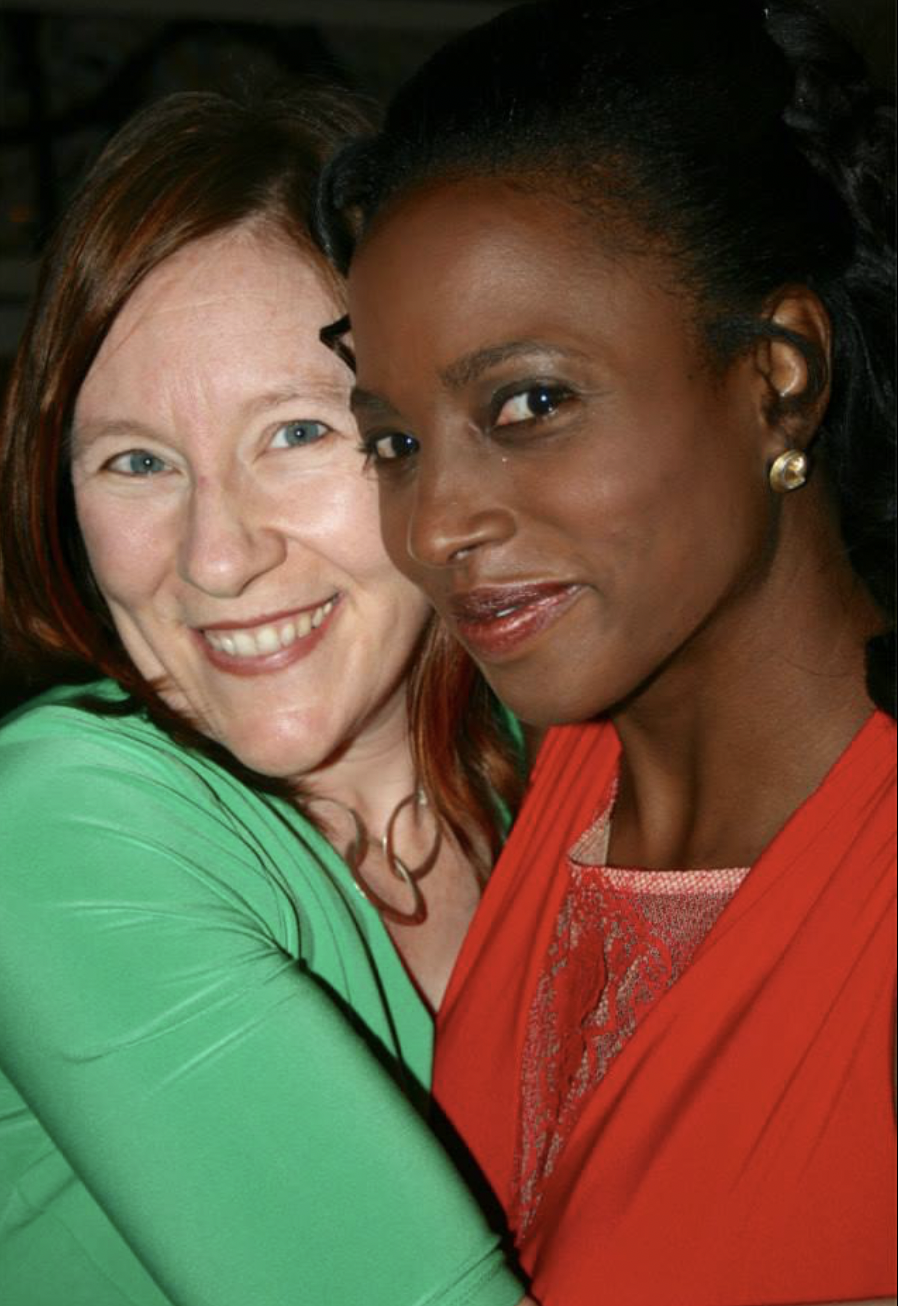
This week, Tami Simon speaks with Richard Schwartz—founder of Internal Family Systems and author of the bestselling No Bad Parts—and Tamala Floyd, psychotherapist, IFS lead trainer, and author of Listening: When Parts Speak: A Practical Guide to Healing with IFS Therapy and Ancestor Wisdom. Together, they explore how IFS and ancestral healing converge to help us release intergenerational trauma at its root.
Join Tami, Dick, and Tamala to explore:
What “legacy burdens” are in IFS—and how to recognize when what you’re carrying came from someone else
How personal, ethnic, and cultural legacy burdens operate differently—and why racism, historical trauma, and collective suffering require their own healing
The concept of the “well ancestor”: why every lineage has one, and how to invite them into your healing
Heirlooms vs. burdens: how our ancestral lines carry gifts as well as wounds—and how to receive them
Why legacy burdens are often easier to release than personal ones—and what fear most commonly gets in the way
Tamala’s guided ancestral meditation, offered live: a practice for releasing what no longer serves you
What we offer future generations simply by doing our own inner work
The episode includes a full guided meditation led by Tamala Floyd—drawn directly from her ancestors—that listeners can return to again and again.
Listen now and begin your own healing across generations. →
This conversation offers genuine transmission—not just concepts about awakening, but the palpable presence of realized teachers exploring the growing edge of spiritual understanding together. Originally aired on Sounds True One.
Pain is a normal part of human life. And pain hurts. Although pain feels like a threat, pain is not attacking us. Pain is designed to help us survive. Pain and pleasure are signals. Pain is a signal that something is out of balance in your emotional, mental, spiritual, or physical life and that something needs attention. It is meant to be unpleasant, for a good reason: to bring our attention to a potentially dangerous situation until the issue is treated. The sharp, unpleasant signal is designed that way to make sure we drop everything else and attend to the situation immediately. When pain continues unabated after our best healthy efforts to tend to it in a physical way, we look for ways of stopping it, reducing it, or escaping it in any way we can.
For example, if you’re walking barefoot, thoroughly engaged in a conversation with a friend, and you step on a piece of wood and get a splinter, the strong unpleasant pain signal is meant to get you to immediately stop all other interests and attend to the wound. If you had a sharp piece of wood in your foot and it didn’t cause pain, you might not bother to take it out, resulting in infection or worse. Once you take care of the immediate problem, or source, the nature of pain is to eventually go away. Pain by itself is not an entity or an enemy that has any motivation of hurting you. It is an important survival mechanism of our body—a communication tool.
By way of our senses, we have contact with experience in and outside of our body that tends to feel either pleasant, unpleasant, or neutral. We tend to like pleasant sensations, which leads to craving what we like and trying to get more pleasure, and we tend to dislike unpleasant sensations, which leads to rejecting what we don’t like. When that strong craving or rejection happens, there is a contraction of our greater sense of self into a specific identity of “craver” or “rejecter”: we configure our consciousness into a “me” that is a “thinker” or “manager” that has a strategy to get its goals and desires met, and believes that that strategy is real and right. Craving and rejection are a normal part of our physical survival, like craving food when we’re hungry, but they also become our primary source of suffering when they become our identity.
Rather than reacting to the pain, we must treat the underlying condition that is causing pain in order for it to subside. It is important to first check out the cause of the pain in every way possible so as not to ignore, overlook, or deny a potentially dangerous condition. In some types of chronic pain that we know the cause of, like arthritis or sciatica, the nerve signal system is alerting us of an issue, but there’s no splinter to be removed from our back or foot. If we’ve attended to all the medical and alternative diagnoses and treatments, and the pain still persists, we still have the opportunity to learn some approaches using our own consciousness to relate to pain differently. Effortless mindfulness is a wonderful approach that does not in any way attempt to replace or deny diagnosing the cause of pain and working to cure it through any and all means. I am simply sharing this practice as a suggestion of what can be done in conjunction with any medical treatment.
With effortless mindfulness, we can learn to become present with the unpleasant—an important skill that we often avoid learning until we experience inescapable pain. We may already have experienced, through effortless mindfulness, how chattering thoughts recede into background awareness or can be met by open-hearted awareness. The great news is that we can do this with pain signals as well! They can become like thoughts and go into the background of awake awareness. When the pain signals recede to the background or significantly lessen, we no longer have to suffer silently or try to escape the pain through behaviors of shutting down, numbing, addiction, or acting out. By changing how we relate to pain, we can find a doorway to a freedom that allows us to respond to pain from courage and intimacy. We can learn to be present with the unpleasant, remain sensitive without being defensive, and be responsive but not reactive. When the intelligence of awake awareness knows directly that there is no immediate danger, the pain signal can go into the background.
In this video below, join me as I guide you through this practice of using effortless mindfulness to help you be present and work with your pain for lasting relief.
Loch Kelly, MDiv, LCSW, is a leader in the field of meditation and psychotherapy. He is author of the award-winning Shift into Freedom and founder of the Open-Hearted Awareness Institute. Loch is an emerging voice in modernizing meditation, social engagement, and collaborating with neuroscientists. For more, visit lochkelly.org.
Love is one of the deepest forces we know. When someone we love dies, it can feel as though that bond has been broken beyond repair. Yet many spiritual traditions suggest something different. They point to the possibility that love after death is not a fantasy or a coping mechanism, but a mystery woven into the fabric of existence itself. The question is not only what happens to us when we die, but what happens to the love we have shared.
For more than four decades, we have been devoted to sharing the living wisdom of the world’s great spiritual teachers. From contemplative Christianity to Buddhist psychology and beyond, our work preserves authentic, heart-led teachings in the voices of those who embody them. Through our books, audio programs, and podcasts, we offer a trusted space for seekers to engage life’s most profound questions with depth and clarity.
Here, we will reflect on love after death through Cynthia Bourgeault’s mystical understanding of eternal connection, and consider how spiritual practice reshapes our experience of grief, relationships, and enduring love.
Key Takeaways:
Divine Source: Love after death is rooted in divine life, not limited to physical existence.
Inner Communion: Spiritual connection with the deceased may be experienced through prayer and contemplative awareness.
Transformative Grief: Mystical love reshapes grief, allowing sorrow to deepen trust in eternal love.
Love After Death: A Spiritual Vision of Eternal Love
What does love after death truly mean? For Cynthia Bourgeault, it is not sentimentality or denial of loss. It is a spiritual insight rooted in the Christian mystical tradition.
Mystics teach that love does not originate in personality or physical presence. Love arises from the divine ground itself. If love is rooted in God, then it is not subject to decay. Death may change the form of a relationship, but it does not erase the essence of what was shared.
This vision reframes grief. We still mourn the absence of voice, touch, and daily companionship. Yet beneath that sorrow, there can be a quiet recognition that the bond continues in another way. Eternal love is not about clinging to memory. It is about trusting that what was real in love participates in something timeless.
In Love Is Stronger Than Death, we share teachings that echo this truth: love belongs to a deeper order of reality than mortality. When two people meet in authentic love, they participate in a current of divine life that does not end at the grave.
Cynthia invites us to see death not as a severing, but as a threshold. The outer form changes. The inner communion remains. In this sense, mystical love reveals that what is grounded in God cannot be undone by death.
How Love Transcends Death in the Christian Mystical Tradition
Cynthia Bourgeault approaches love after death through the lens of Christian mysticism. In this tradition, love is not limited to emotion or memory. It is participation in divine life. If love arises from God, then love transcends death because its source is eternal.
Love as Participation in Divine Being
Mystics teach that our deepest identity is rooted in God. When we love from that depth, the bond is more than attachment. It becomes communion grounded in being itself.
In Is There Life After Death, we reflect on what continues beyond the body. Cynthia shifts the focus toward the quality of love we share. If it is rooted in divine presence, it already belongs to eternity.
The Contemplative Path and Spiritual Connection with the Deceased
Contemplative practice helps us experience this truth directly. In silence, we rest in the presence that holds both the living and the departed. Through Centering Prayer Course, many begin to sense a peaceful spiritual connection with the deceased. This is not about clinging or attempting to retrieve the past. It is about recognizing shared participation in eternal love. Grief remains, but it is held within a wider field of trust.
Mystical Love and the Ongoing Spiritual Connection with the Deceased
Cynthia Bourgeault teaches that mystical love is not confined to time. When someone dies, the outer relationship changes, but the deeper communion remains. Love rooted in God continues because its source is eternal.
Moving from Memory to Living Presence
Grief often begins in memory, yet mystical love invites us beyond recollection into living presence. A spiritual connection with the deceased is not about imagination or clinging. It arises from shared participation in divine life. Whatever Arises, Love That reflects this same invitation — to meet every experience, including loss and grief, with unconditional openness rather than resistance. That inner transformation does not disappear at death. What love has formed within us continues.
Love Transcends Death Through Inner Transformation
Love changes our being. When we have loved deeply, we are altered at the core. That change remains part of us.
In this sense, love transcends death because its imprint endures. The beloved’s physical absence is real, yet the communion grounded in eternal love continues to unfold within the heart.
Eternal Love as a Living Reality, Not a Memory
In Cynthia Bourgeault’s teaching, eternal love is not confined to the past. It is not something we visit only through recollection. It is a present reality grounded in divine life.
When we reduce love after death to memory alone, we unintentionally limit it. Memory can comfort us, but mystical love points to something deeper. Love that is rooted in God continues to live and move, even when the beloved is no longer physically here.
Beyond Sentimentality Toward Spiritual Maturity
There is a difference between holding onto sentiment and growing into spiritual maturity. Sentimentality can keep us tethered to what was. Spiritual maturity invites us to trust what still is. The Great Transformation speaks directly to this deepening, offering a framework for the kind of inner shift that allows grief to open the heart rather than close it. As we mature spiritually, we begin to sense that eternal love is not fragile. It does not depend on circumstances. It abides because it participates in divine being.
Living in Relationship Across the Threshold
To live in a relationship across the threshold of death requires inner stillness and trust. It does not mean attempting to recreate the old dynamic. Instead, it means allowing the relationship to assume a new form. Presence Online Course supports this quality of awareness, cultivating the steady inner attentiveness through which love after death becomes a quiet companionship carried in prayer, silence, and daily awareness of God’s presence. The connection is no longer defined by physical exchange, yet it remains real.
The Spiritual Connection Deceased Loved Ones Continue to Offer
Cynthia Bourgeault reminds us that a spiritual connection with the deceased is not a one-sided longing. Love continues to shape and guide us. While the physical presence is gone, the inner bond often deepens in subtle and meaningful ways.
This ongoing connection may express itself through:
A deepened capacity for compassion, as the love you shared softens your heart toward others
Inner guidance that arises in prayer or quiet reflection, reflecting the wisdom of the relationship
A renewed commitment to live with integrity, inspired by the life and values of the one who has passed
A sense of companionship in solitude, especially during moments of contemplationA widening trust in eternal love, as grief gradually opens into surrender
These expressions are not fantasies. They are signs that love after death continues to bear fruit. The relationship evolves, yet its spiritual essence remains active. In this way, love transcends death by continuing to shape who we are and how we walk our path.
Love Transcends Death: Insights from Contemplative Prayer
Cynthia Bourgeault teaches that contemplative prayer reveals how love transcends death. In silence, we shift from surface thoughts into deeper awareness. From that depth, separation feels less absolute.
Prayer does not attempt to prove what happens after death. Instead, it grounds us in the divine presence that holds both the living and the departed. As we rest there, grief is steadied by trust.
Through this contemplative awareness, love after death becomes less an idea and more a lived knowing that what is rooted in God endures.
Mystical Love and the Transformation of Grief
Cynthia Bourgeault does not dismiss grief. In the mystical path, grief is honored as the natural response to deep love. The pain of loss reflects the depth of the bond.
Over time, mystical love reshapes how grief is carried. Sorrow may soften into gratitude and quiet companionship. The relationship is no longer expressed through physical presence, yet it continues inwardly.
In this way, love after death does not erase grief. It transforms it, allowing eternal love to widen the heart even in loss.
Love After Death and the Mystery of Eternal Connection
Love after death invites us into mystery rather than certainty. Cynthia Bourgeault reminds us that eternal love is not something we control or define. It is something we participate in.
The form of the relationship changes at death, yet the deeper bond remains within divine life. What was shared in truth is not erased but gathered into a larger communion.
In this mystery of eternal connection, we are asked to trust that love transcends death because it is rooted in something greater than time.
Final Thoughts
Love after death invites us into mystery. Through Cynthia Bourgeault’s teaching, we see that eternal love is rooted in divine life, not limited by physical form.
Grief remains real, yet mystical love widens our trust. What is grounded in God endures, and the spiritual connection with the deceased continues within that greater communion.
Frequently Asked Questions About Love Beyond Death and Love After Death
What does love after death mean in spiritual terms?
Love after death refers to the understanding that love is not limited to physical existence. Spiritually, it suggests that love continues as a form of connection rooted in divine reality rather than the body alone.
Is love after death a belief or a mystical experience?
For many contemplatives, it is both. Some approach it as a belief grounded in faith, while others describe it as a lived mystical experience of ongoing communion through prayer and inner awareness.
How is eternal love different from romantic attachment?
Eternal love points to a deeper spiritual bond that is not dependent on physical closeness or emotional intensity. It reflects a connection grounded in shared being rather than circumstance.
Can grief coexist with trust in love after death?
Yes. Trusting that love continues does not remove sorrow. Grief and faith can exist together, allowing mourning to unfold within a wider spiritual framework.
What role does prayer play in sensing a continued connection?
Prayer creates inner stillness and receptivity. In that space, some people report a quiet awareness of connection that feels peaceful rather than driven by longing.
Is the idea that love transcends death unique to Christianity?
No. While Cynthia Bourgeault speaks from the Christian mystical tradition, many spiritual paths affirm that love transcends death in different theological languages.
Does believing in love after death prevent healthy grieving?
Not necessarily. When grounded in spiritual maturity, this belief can support healing by offering hope without denying emotional reality.
What is meant by a spiritual connection with the deceased?
It refers to an inward sense of continued relationship that may arise through memory, prayer, intuition, or moral inspiration, without requiring physical interaction.
How does mystical love shape our understanding of mortality?
Mystical love reframes mortality as a transition rather than an absolute ending. It encourages seeing life as participation in something larger than the individual self.
Why does the topic of love after death resonate so deeply?
Because love is central to human identity. Questions about its endurance touch our deepest fears and hopes about meaning, continuity, and belonging.
Michelle Cassandra Johnson is an author, activist, spiritual teacher, racial equity consultant, and intuitive healer. She is the author of six books, including Skill in Action and Finding Refuge. Amy Burtaine is a leadership coach and racial equity trainer. With Robin DiAngelo, she is the coauthor of The Facilitator’s Guide for White Affinity Groups. For more, visit https://www.michellecjohnson.com/wisdom-of-the-hive.
Dr. Daniel Amen is a practicing psychiatrist, the director of the wildly successful network of Amen Clinics, and the bestselling author of titles such as Change Your Brain, Change Your Life. He has partnered with Sounds True to release several audio courses including Relaxation, Focus, and Memory Training and Unchain Your Brain: An Audio Program for Breaking the Addictions that Steal Your Life. In this episode of Insights at the Edge, Tami Simon engages Dr. Amen in a conversation about his pioneering brain imaging techniques and the vast implications these methods could have on psychotherapy—as well as society in general. They talk about cultivating better brain health and the effects even minor brain injuries—such as those suffered regularly in contact sports—can have on everyday quality of life. Finally, Dr. Amen and Tami speak on the intersection of neurology and spirituality, and how we can all help our brains age gracefully by making more considerate personal choices.
(62 minutes)
David Darling, a Grammy®-winning cellist and maverick musician who redefines the way the cello is played and the way music is taught, speaks with Tami Simon about his unique perspective on music. With Sounds True, David has released a new record called In Love and Longing with vocalist Sylvia Nakkach, as well as Just Being Here, a collaboration with Coleman Barks featuring David’s music and the poetry of Rumi. In this episode, David and Tami discuss the cello as an instrument of melancholy, what it takes to be a good collaborator, and the art of good listening. (72 minutes)
See David Darling live in August 2014. Visit WakeUpFestival.com for more information.



 What Is Pain?