Are You Suffering from Empathic Distress? How to Recla...
Are you exhausted, anxious, or overwhelmed? Maybe your life is challenging. Or perhaps the state of the world and others’ suffering feels unbearable. If your life is going well, but you still feel miserable, maybe you have some guilt or shame. You are not alone. You may be suffering from empathic distress.
Most of us have been taught that empathy is wholly positive and should be fostered in children and revered in adults. This idea is partly correct. The absence of empathy is clearly problematic. When the ability to sense or care about others’ feelings or pain is missing, we edge into sociopathy. However, empathy is experiencing another person’s pain as our own. In small doses and for short periods, it allows us a deeper understanding of our fellow beings. But it can also make it harder to help, because the pain is spread around, not diminished. If your friend breaks their leg and you experience genuine empathy, it might feel like your leg is broken too. This makes it harder for you to function and definitely harder for you to help them.
Empathy can make us sick, overwhelmed, and burned out.
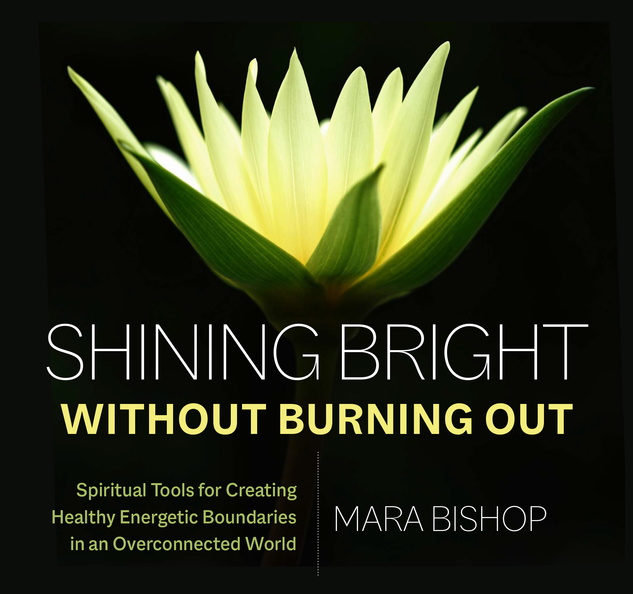
Many people feel helpless in the face of the magnitude of suffering in the world today. It can result in what appears to be apathy at first but is actually empathic distress, which means “hurting for others while feeling unable to help.” An op-ed in the New York Times titled “That Numbness You’re Feeling? There’s a Word for It” described this phenomenon and cited some of the research I used to create the Sounds True audio course Shining Bright Without Burning Out: Spiritual Tools for Creating Healthy Energetic Boundaries in an Overconnected World.
The Research
Neuroscientists Olga Klimecki and Tania Singer identified empathy as a contributing factor to burnout, primarily but not exclusively, among healthcare workers and therapists. The older term compassion fatigue is a “misnomer.” Compassion and empathy have distinctly different impacts on our bodies and psyches. Compassion is witnessing and being willing to help when possible and appropriate. Empathy is taking on others’ pain as our own. Empathy often creates “more distress.” It is a huge distinction.
Empathy is overrated and fatiguing. Compassion is what we need. Unfortunately, we often confuse the two. This dynamic is one reason why developing healthy energetic boundaries is essential.
Decreasing Empathic Distress
Being unable to adjust between compassion and empathy is a big reason many people feel drained and overwhelmed. Research about the critical difference between compassion and empathy aligns with many spiritual concepts of energetic boundaries. It also challenges some. One of the ways we inadvertently make things difficult for ourselves is when we believe that to be good, kind, “spiritual” people, we must always be wide open. We must be at one with the universe, be open to everyone, and say yes to everything. There is a paradox here. We are all one on some level, but we need to embrace the ability to differentiate ourselves from others at times to steward our own health.
We have reached a tipping point with empathic distress; it is a crisis within the crises.
Klimecki and Singer focus on how training in compassion meditation can help reduce empathic distress, shifting from an experience of absorbing others’ energy to a state of kindness toward others with clear self-differentiation. The distinction between empathy and compassion is one of the first things we cover in Shining Bright Without Burning Out: Spiritual Tools for Creating Healthy Energetic Boundaries in an Overconnected World. The course also includes a full set of tools for addressing empathic distress from the perspective of energetic boundaries.
Here are a few additional steps you can take today to begin reducing empathic distress:
- Be clear about your direct responsibilities and what is not yours.
- Pause before entering new situations: conversations, appointments with clients, meetings, etc. Take a moment to reset yourself with a breath and an intention for how you want to engage.
- Pay attention to how you feel after interactions with people, places, and media. Note over time when your mood or body feels drained so that you can prepare more thoroughly in the future, consider how to minimize those interactions if they are optional, and take time to reset after engaging.

Mara Bishop
Mara Bishop is a shamanic practitioner, intuitive consultant, teacher, author, and artist. In private practice, she uses her Personal Evolution Counseling™ method to provide an integrated approach to spiritual healing, personal growth, and emotional well-being. Her books Shamanism for Every Day: 365 Journeys and Inner Divinity: Crafting Your Life with Sacred Intelligence are resource guides for spiritual practice. She resides in Durham, North Carolina. For more, visit wholespirit.com.
Learn More
Sounds True