[ENCORE EPISODE] Jon Kabat-Zinn: Befriending Pain

    —
November 6, 2025

[ENCORE EPISODE] Jon Kabat-Zinn: Befriending Pain

Jon Kabat-Zinn November 6, 2025

**SPECIAL ENCORE PRESENTATION**

Current statistics tell us that 20% of the US population has some form of chronic pain, defined as severe discomfort that has continued for six months or more. That’s more than 50 million people. Jon Kabat-Zinn has received international acclaim for his leading work in bringing the life-changing practices of meditation and mindfulness into the mainstream of medicine and society. In this inspiring podcast, Tami Simon speaks with Jon about his empowering new book, Mindfulness Meditation for Pain Relief, and how we can greatly improve our lives (and our entire world) by reframing the way we relate to our thoughts, our minds, and the sensations of our bodies.

Listen in as they discuss the epidemic of chronic pain and the power of mindfulness to ease suffering of all kinds, the myth of the “good meditator,” the body as the starting point for practice, exploring your “emotionally freighted thoughts,” our longing to be who we really are, working with the mind and learning to inhabit a space of embodied awareness, the refuge that is meditation practice, letting go of our stories, befriending the sensory field of what we call pain, the miracle of life on Earth, the Buddha’s teaching on mindfulness as the direct path to liberation, surfing the waves of your own experience, unity within diversity and the arising of compassion, focusing on what’s right instead of what’s wrong, how we are all on a growth curve on life’s journey, and more.

Note: This episode originally aired on Sounds True One, where these special episodes of Insights at the Edge are available to watch live on video and with exclusive access to Q&As with our guests. Learn more at join.soundstrue.com.

This episode is sponsored by BetterHelp. Listeners of Insights At The Edge get 10% off their first month at

www.betterhelp.com/soundstrue

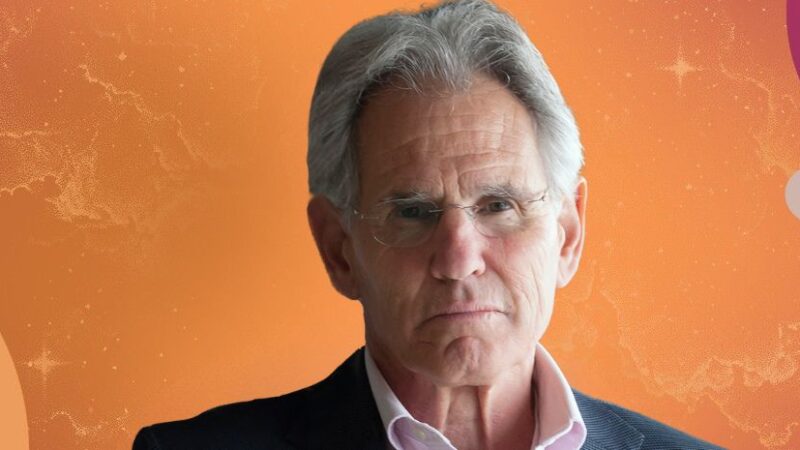
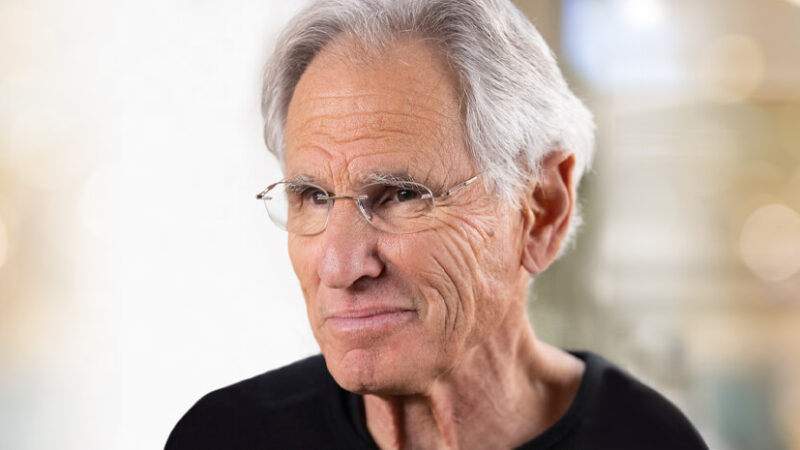
Jon Kabat-Zinn, PhD, is professor of medicine emeritus at the University of Massachusetts Medical School and the founder and director of its renowned Mindfulness-Based Stress Reduction Clinic. His clinic was featured in 1993 in the public television series Healing and the Mind with Bill Moyers. Jon Kabat-Zinn is the author of 15 books, in print in over 45 languages. These include Full Catastrophe LivingWherever You Go, There You Are; Coming to Our Senses; and Mindfulness for Beginners.

Author photo © Jaume Cosialls

600 Podcasts and Counting…

Subscribe to Insights at the Edge to hear all of Tami’s interviews (transcripts available too!), featuring Eckhart Tolle, Caroline Myss, Tara Brach, Jack Kornfield, Adyashanti, and many more.

Meet Your Host: Tami Simon

Founded Sounds True in 1985 as a multimedia publishing house with a mission to disseminate spiritual wisdom. She hosts a popular weekly podcast called Insights at the Edge, where she has interviewed many of today's leading teachers. Tami lives with her wife, Julie M. Kramer, and their two spoodles, Rasberry and Bula, in Boulder, Colorado.

Photo © Jason Elias

Also By Author

[ENCORE EPISODE] Jon Kabat-Zinn: Befriending Pain

**SPECIAL ENCORE PRESENTATION**

Current statistics tell us that 20% of the US population has some form of chronic pain, defined as severe discomfort that has continued for six months or more. That’s more than 50 million people. Jon Kabat-Zinn has received international acclaim for his leading work in bringing the life-changing practices of meditation and mindfulness into the mainstream of medicine and society. In this inspiring podcast, Tami Simon speaks with Jon about his empowering new book, Mindfulness Meditation for Pain Relief, and how we can greatly improve our lives (and our entire world) by reframing the way we relate to our thoughts, our minds, and the sensations of our bodies.

Listen in as they discuss the epidemic of chronic pain and the power of mindfulness to ease suffering of all kinds, the myth of the “good meditator,” the body as the starting point for practice, exploring your “emotionally freighted thoughts,” our longing to be who we really are, working with the mind and learning to inhabit a space of embodied awareness, the refuge that is meditation practice, letting go of our stories, befriending the sensory field of what we call pain, the miracle of life on Earth, the Buddha’s teaching on mindfulness as the direct path to liberation, surfing the waves of your own experience, unity within diversity and the arising of compassion, focusing on what’s right instead of what’s wrong, how we are all on a growth curve on life’s journey, and more.

Note: This episode originally aired on Sounds True One, where these special episodes of Insights at the Edge are available to watch live on video and with exclusive access to Q&As with our guests. Learn more at join.soundstrue.com.

This episode is sponsored by BetterHelp. Listeners of Insights At The Edge get 10% off their first month at

www.betterhelp.com/soundstrue

Jon Kabat-Zinn: Befriending Pain

Current statistics tell us that 20% of the US population has some form of chronic pain, defined as severe discomfort that has continued for six months or more. That’s more than 50 million people. Jon Kabat-Zinn has received international acclaim for his leading work in bringing the life-changing practices of meditation and mindfulness into the mainstream of medicine and society. In this inspiring podcast, Tami Simon speaks with Jon about his empowering new book, Mindfulness Meditation for Pain Relief, and how we can greatly improve our lives (and our entire world) by reframing the way we relate to our thoughts, our minds, and the sensations of our bodies. 

Listen in as they discuss the epidemic of chronic pain and the power of mindfulness to ease suffering of all kinds, the myth of the “good meditator,” the body as the starting point for practice, exploring your “emotionally freighted thoughts,” our longing to be who we really are, working with the mind and learning to inhabit a space of embodied awareness, the refuge that is meditation practice, letting go of our stories, befriending the sensory field of what we call pain, the miracle of life on Earth, the Buddha’s teaching on mindfulness as the direct path to liberation, surfing the waves of your own experience, unity within diversity and the arising of compassion, focusing on what’s right instead of what’s wrong, how we are all on a growth curve on life’s journey, and more.

Note: This episode originally aired on Sounds True One, where these special episodes of Insights at the Edge are available to watch live on video and with exclusive access to Q&As with our guests. Learn more at join.soundstrue.com.

On The Mindfulness Revolution and Our Fear of Authenti...

The Mindfulness Revolution Header Image

Deepen your personal healing practice with guided meditations, audio presentations, and learning intensives by Jon Kabat-Zinn on Sounds True »

Have you ever wondered who coined the term ‘mindfulness’? That was Dr. Jon Kabat-Zinn. He describes it as “paying attention on purpose with a non-judgmental attitude.”

“I take an enormous amount of pleasure in actually not trying to get anywhere” —Jon Kabat-Zinn

Partly because of his work and research, this concept of ‘mindfulness’ has become mainstream. We see it at colleges, small businesses and large corporations, and—perhaps most notably—in medicine (Kabat-Zinn also founded the Stress Reduction Clinic at the University of Massachusetts Medical School).

In Tami’s interview with Kabat-Zinn on Insights at the Edge, the two begin asking: Why is mindfulness gaining popularity in the first place? In the process, they explore what’s simple, profound, and relatable about it.

AGE OF MINDFULNESS

mindfulness revolution woman

“Once you realize that we are completely embedded in an interconnected world … the only real response is a sense of profound appreciation or affection for the fact that we are not separate” 

Mindfulness has always been a part of humanity. It has been called different names and interpreted by different lenses, but the concept of some greater unity of which we are all a part—that doesn’t seem to be going anywhere.

So, even if it’s a trend, couldn’t there be more to it? In a way, mindfulness seems to take on the breath of intuition, not necessarily logic or reason. It is truly the air of possibility.

YOU ARE NOT YOUR THOUGHTS

mindfulness revolution thoughts

You cannot get rid of your thoughts. But when you create distance between yourself and your thoughts, you can let them wash through you. You do not have to fight to maintain them or believe them. And, you do not have to fight to let them go.

“Suppose the sky is awareness. If a bird flew through, then the sky would know it. … [The sky] has its own sort of ground condition of just being the sky, just being awareness”

He describes this awareness not as a state of being, but as a shift in seeing. There was always space there. We just needed to rotate a lens.

Have you ever retreated your vision while meditating, so that you were gazing out from between your two closed eyes? Like that. That field of awareness stretches infinitely—as conscious beings, it weaves us together.

This feeling is both humbling and terrifying in its awesomeness. When the sky is so big, we don’t know what we are. But we can accept this uncertainty. Our minds, our egos, our bodies—can expand with it.

WE ARE ALL GENIUSES

mindfulness revolution connected

Homo sapien sapien literally translates from Latin to “the species that knows and knows that it knows.”

In the episode, Jon and Tami talk beautifully about mindfulness’s fundamental humanness. There is an utter connection between our feet grounded on this Earth, and the spaces we don’t understand.

“There is something about mindfulness that is absolutely core to our humanity … the final common pathway of what makes us human”

Sometimes, meditation helps us feel the truth of this. Once we know this awareness is there, we can integrate it into the ways we think and make decisions.

FEAR OF AUTHENTICITY

mindfulness revolution authenticityWe reach for purpose; we wish to understand our place in the universe. (It isn’t weird for us to do this. If I were an alien, and I heard humans were doing this, I would be like, well, yeah.)

Yet, we are afraid to be ourselves. We don’t want ourselves to disappear. So we keep inside our deepest sorrows, anxieties, and emotions.

The parts of us we try and protect so carefully end up banging on the walls inside of us, stuck.

“It’s not like we can never suppress that shadow side … but if we can come to understand it in a deeper way, then I think there is a potential … [to] elevate what is most beautiful and good about all human beings”

What if we gave all of it—ourselves, and our connection to the world—the space to breathe?

(And the possibilities begin to shimmer.)


ABOUT JON KABAT-ZINN

Jon Kabat-Zinn Author Photo

Jon Kabat-Zinn, PhD, is professor of medicine emeritus at the University of Massachusetts Medical School, where he founded the Center for Mindfulness in Medicine, Health Care, and Society in 1995, and its world-renowned Mindfulness-Based Stress Reduction (MBSR) Clinic in 1979. His trailblazing research has helped bring mindfulness meditation into mainstream medicine. He is the author of 10 books, including the bestsellers Full Catastrophe Living; Wherever You Go, There You Are; and Mindfulness for Beginners.

Take a look at Jon Kabat-Zinn’s book and accompanying CD of guided practices, Mindfulness for Beginners, published by Sounds True!

★★★★★ Easy to read and informative as well as inspiring. —gus c
★★★★★ In my opinion, a must-read for all humans. —Yves N

ABOUT THE AUTHORDani Ferrara Blogger Author Photo

When she isn’t writing, playing music or teaching, Dani Ferrara blogs at Sounds True and researches the alchemy of healing. Explore her art at daniferrarapoet.com.


You Might Also Enjoy

Frank Ostaseki: “I’m Allergic to the Notion of a G...

What truly matters when we face the end of life? After decades of sitting at the bedside of hundreds of dying people, Frank Ostaseski has distilled the deepest human concerns into two essential questions: Am I loved? Have I loved well?

This week on Insights at the Edge, Tami welcomes Frank Ostaseski—co-founder of America’s first Buddhist hospice, the Zen Hospice Project, founder of the Metta Institute, and author of The Five Invitations: Discovering What Death Can Teach Us About Living Fully. Frank brings extraordinary wisdom from his pioneering work in compassionate end-of-life care, along with profound personal insights from his own encounters with heart surgery, strokes, and the transformative vulnerability of being “on the other side of the sheets.”

Join Tami and Frank to explore:

  • The two essential questions that arise when facing death—and what they reveal about living fully now
  • Why emotional flexibility is the true condition for healing and transformation
  • How to meet our own fear and pain without abandoning ourselves or others
  • The practice of “allowing” as a path to both wisdom and compassion
  • What happens in the dying process: surrender, reconstitution, and coming home
  • Why Frank is allergic to the notion of a “good death”
  • The indestructible love that emerges when we keep our hearts open through pain
  • How to practice dying by paying attention to everyday endings

This conversation is for anyone grappling with loss, change, or the fundamental questions of existence—offering not prescriptive answers, but the profound medicine of honest presence and the recognition that our vulnerability itself is one of our most beautiful human qualities.

For more with Frank Ostaseski:

Year to Live Course (Spirit Rock Meditation Center)

Spirit of Service (Upaya Zen Center)

Awareness in Action: The Role of Love (Upaya Zen Center, Frank Ostaseski & Sharon Salzberg)

This conversation offers genuine transmission—not just concepts about awakening, but the palpable presence of realized teachers exploring the growing edge of spiritual understanding together. Originally aired on Sounds True One.

Bridging Movement And Stillness: Exploring The Union O...

There is a moment, just after a posture ends and just before stillness settles in, where something shifts. The body softens, the breath deepens, and awareness begins to rise, not from effort, but from quiet. This is the space where yoga and meditation meet. For many of us, yoga begins with movement, and meditation begins with silence. But over time, these practices become less separate and more like two currents of the same river. Together, they help us remember what stillness feels like, not as emptiness, but as something alive and full of presence. This union is not about achieving perfect form or mastering silence. It’s about returning to yourself, again and again, through breath, movement, and listening.

For more than 40 years, Sounds True has offered a living library of spiritual wisdom, featuring the voices of teachers like Eckhart Tolle, Pema Chödrön, and Tara Brach. We were founded with a single intention: to preserve the authentic energy of spiritual transmission in real time, through courses, audio programs, podcasts, and events that honor each teacher’s unscripted voice. Our yoga and meditation offerings are crafted to support not just practice, but transformation. We don’t just deliver teachings, we invite you into an experience of awakening.

In this piece, we’ll be discussing how yoga and meditation come together as a path to inner stillness, and the deeper benefits of yoga when practiced as both movement and mindfulness.

Key Takeaways:

  • Embodied Presence: Yoga is more than movement; it’s a daily return to inner awareness and emotional grounding.
  • Union In Practice: The combination of yoga and meditation forms a spiritual path that strengthens resilience and compassion.
  • Support Through Tools: Programs like Sounds True’s Yoga for Your Mood Deck and Yoga Nidra podcast offer guided ways to deepen stillness.

The Sacred Bridge Between Movement And Stillness

In many traditions, the body is seen as a gateway, not an obstacle. Yoga invites us to meet our physical selves with presence, while meditation welcomes us inward, toward silence, awareness, and deeper being. At the heart of these practices lies the yoga and meditation union, a sacred convergence where motion softens into stillness, and stillness begins to move from within.

When we step onto the mat, we often begin with movement, stretching, strengthening, and breathing. But in time, we may notice that the external gestures echo something more subtle. The rise and fall of breath. The space between thoughts. The quiet that blooms at the end of a pose. Here, yoga is no longer just a physical practice; it becomes a preparation for entering stillness fully.

This union is not about doing more; it’s about becoming more aware. By anchoring attention in the body, we start to feel the mind settle. Through mindful movement, we open the door to a quieter interior landscape. Yoga becomes not just a practice of form, but a devotional act of listening. And meditation, once reserved for the cushion, begins to live in the body itself.

Explore Teachings From World-Renowned Psychologists And Researchers On Trauma, Mindfulness, Resilience, And Cognitive Growth.

The Profound Benefits Of Yoga As A Daily Practice

The most transformative rewards of yoga often emerge not in the big breakthroughs, but in the quiet, daily returns. When practiced consistently, yoga becomes more than a physical discipline; it becomes a gentle companion in emotional resilience, spiritual grounding, and embodied awareness:

Building Trust Through Repetition

One of the lesser-discussed benefits of yoga is the emotional steadiness that comes from simply showing up. Daily practice builds a relationship with the self, one grounded in trust, consistency, and care. Over time, this rhythm strengthens our ability to remain present even when life becomes unpredictable.

Emotional Clarity And Energetic Balance

Yoga gently creates space for emotion to move through the body. It offers practices that can stabilize energy, soften emotional turbulence, and restore clarity. Tools like the Yoga for your mood deck provide inspiration and support for selecting postures and breathwork based on how you’re feeling, making the practice deeply personal and responsive.

The Power Of A Yoga Mindfulness Practice

At its heart, yoga is a mindfulness practice, a way to train both body and attention to exist in the same moment. Through this integrated awareness, we learn to witness our experience with kindness and curiosity. It becomes easier to feel the breath without chasing it, to notice thoughts without becoming entangled in them, and to trust the body’s wisdom as a source of inner guidance.

How Meditation Deepens The Yoga Mindfulness Practice

Yoga and meditation are often seen as separate tracks on the same path, but when they meet, something profound shifts. Together, they become a mirror for awareness itself. This section explores how meditation enriches what we experience on the mat, transforming yoga from movement alone into a fuller field of conscious presence:

Refining Attention Through Breath And Stillness

Meditation invites us to notice what we might otherwise rush past, the pause at the top of the inhale, the subtle tension in a shoulder, the moment before the mind wanders. When we bring this quiet observation into yoga, the practice slows down and deepens. This is the essence of the yoga mindfulness practice: using the body as a ground for present-moment awareness.

The Meditation And Yoga Connection As Inner Listening

At a certain point, movement becomes internal. The meditation and yoga connection reveals itself most clearly in these moments, when breath leads movement, and movement dissolves into silence. By practicing this connection regularly, we begin to listen more deeply to the body’s cues and the heart’s quieter truths.

Rest As Integration

Sometimes, the deepest breakthroughs in practice happen during rest. Practices like Yoga Nidra, available through Sounds True’s Yoga Nidra —The Sleep Yoga podcast, offer a doorway into the subtler layers of awareness. As the body softens, the mind learns to settle without effort. Meditation, here, becomes less about doing and more about receiving.

Awaken Your Inner Healing Power With Sound True.

Discovering Inner Stillness Through Yoga And Breath

The breath is both a guide and a gateway. As we follow it inward, we begin to discover a spaciousness that doesn’t depend on external conditions. This is where inner stillness through yoga reveals itself, not as a goal to chase, but as something we return to, breath by breath:

Breath As Anchor For Inner Awareness

In yoga, the breath is more than a physiological process. It becomes a teacher, helping us soften the edges of our thinking and rest in the present moment. Inner stillness through yoga begins here, in the pause between inhales and exhales, in the soft surrender that comes when we allow the breath to lead the way.

Stillness Is Not Absence, But Presence

Often, we confuse stillness with emptiness. But what yoga reveals is that true stillness is rich with awareness. It is not the absence of thought, but the presence of quiet attention. By practicing regularly, we start to sense the aliveness beneath the surface of stillness itself.

A Collective Invitation To Pause

While this journey inward is deeply personal, it is also shared. Events like the International Day of Yoga remind us that stillness, too, can be a communal act. Practicing together, even across distances, strengthens our sense of belonging, not only to each other but to the silence we all carry within.

Embracing The Meditation And Yoga Connection In Daily Life

For many, yoga and meditation remain practices reserved for specific times, on the mat, or on the cushion. But their deepest transformation unfolds when we carry them with us into the ordinary. The meditation and yoga connection becomes not just a routine, but a rhythm that lives in how we walk, listen, and respond:

Making Practice A Living Presence

It’s one thing to practice mindfulness in stillness; it’s another to remain present in motion. By embracing the meditation and yoga connection throughout the day, we turn waiting in line into a breath practice, or a difficult conversation into an opportunity to stay rooted in awareness. Over time, these moments create a quiet thread of groundedness that runs through our daily life.

Mindfulness In Everyday Movements

The yoga mindfulness practice doesn’t require a studio. Washing dishes, walking the dog, or opening a window to feel the breeze, all of these can become invitations into embodied awareness. Through consistent attention, even the most routine acts can reconnect us with the inner calm we cultivate on the mat.

A Path That Meets You Where You Are

This isn’t about perfection. It’s about remembering. Returning. Whether you’re moving through grief, joy, or uncertainty, both yoga and meditation offer you something steady to lean on, a breath, a pause, a small space of stillness that reminds you you’re not alone.

Honoring The Yoga And Meditation Union As A Spiritual Path

Over time, the practice shifts. What may have begun as a way to relieve stress or stretch the body slowly becomes something deeper, something sacred. The yoga and meditation union reveals itself not just as a blend of techniques, but as a path of devotion, inquiry, and awakening:

A Practice Of Listening To The Heart

The more we listen within, the more we discover how movement and stillness serve the same purpose: to bring us home to ourselves. The yoga and meditation union makes this return possible. It invites us to slow down, to hear the quiet voice beneath thought, and to respond with compassion.

Inner Stillness Through Yoga As Devotion

In this context, inner stillness through yoga is not a performance or achievement. It becomes a devotional act, an offering of attention, breath, and presence. By meeting ourselves in this space day after day, we begin to recognize the sacred not as something outside of us, but as something we touch through awareness.

Deepening The Journey With Sounds True

For those ready to explore this path more fully, Sounds True offers a rich selection of teachings through their Yoga and Movement programs. These offerings support the spiritual dimension of practice, guiding seekers toward a more integrated and heart-centered experience of body and being.

Learn To Treat Yourself With The Care You Offer Others

Final Thoughts

Stillness is not a destination; it’s a remembering. A return. The practices of yoga and meditation continue to call us back to that quiet center within, no matter how far we may feel from it.

Whether through movement, breath, or silence, we learn that the real gifts of practice live in the subtleties: the way we respond to discomfort, the gentleness we offer ourselves, the breath we return to when words fall short. These are the moments that change us, not suddenly, but steadily.

And in these moments, we discover inner stillness through yoga as something that doesn’t need to be chased or earned. It is already here, waiting in the pause, the exhale, the soft opening of presence.

Read also:

Frequently Asked Questions About Bridging Movement And Stillness

What are the mental benefits of yoga for older adults?

Yoga supports memory, focus, and emotional regulation in older adults. It also reduces stress-related cognitive fog by calming the nervous system.

Can I experience the benefits of yoga without being flexible?

Yes. Flexibility is not a prerequisite. The benefits of yoga arise from breath awareness, consistency, and alignment with your current body and abilities.

How long does it take to feel the benefits of yoga?

Some effects, like reduced tension or improved mood, can be felt after one session. Deeper benefits, such as resilience and self-awareness, build over weeks or months.

Is it better to do yoga before or after meditation?

It depends on your intention. Yoga before meditation can prepare the body to sit comfortably; meditation before yoga can help anchor presence in movement.

What role does breath play in experiencing the benefits of yoga?

Breath links body and mind. Conscious breathing enhances circulation, soothes anxiety, and grounds attention, deepening the impact of each posture.

How does yoga affect emotional healing?

Yoga creates space for emotional release through mindful movement and breathwork. It supports trauma healing by restoring a sense of agency and inner safety.

Can yoga replace other forms of exercise?

For many, yes. Yoga can improve strength, flexibility, and cardiovascular health. However, it can also complement other activities like walking or swimming.

What type of yoga is best for cultivating stillness?

Gentle styles such as Hatha, Yin, or Restorative Yoga are ideal for cultivating inner stillness. These styles emphasize slow movement and extended holds.

Are there specific yoga poses that support better meditation?

Yes. Poses that open the hips, lengthen the spine, and stabilize the pelvis, like Sukhasana, Padmasana, or supported forward folds, can enhance seated meditation.

Can the benefits of yoga be maintained without daily practice?

Absolutely. While consistency helps, even a few mindful sessions per week can maintain key benefits. The body and mind remember intentional presence.

Michelle Cassandra Johnson is an author, activist, spiritual teacher, racial equity consultant, and intuitive healer. She is the author of six books, including Skill in Action and Finding Refuge. Amy Burtaine is a leadership coach and racial equity trainer. With Robin DiAngelo, she is the coauthor of The Facilitator's Guide for White Affinity Groups. For more, visit https://www.michellecjohnson.com/wisdom-of-the-hive.

Steven Washington: “My Recovery Is Non-Negotiabl...

How do we remain committed to staying sober when grief strikes, when stress becomes overwhelming, or when shame threatens to pull us back into old patterns?

This week on Insights at the Edge, Tami Simon welcomes Steven Washington, a former professional Broadway dancer who has transformed his 23-year recovery journey into a powerful practice of embodied healing. Steven is the author of Recovering You: Soul Care and Mindful Movement for Overcoming Addiction and creator of the SWE Studio, an online community offering movement and meditation support for people in recovery.

In this deeply personal interview, Tami and Steven explore:

  • Why recovery must be “non-negotiable”—with no conditions attached, regardless of life’s challenges 
  • How shame operates as the linchpin of addiction and the healing power of sharing it with trusted others
  • The connection between sensitivity and addiction, and how to transform sensitivity from vulnerability into strength
  • Practical tools for creating a trigger plan that works for both small daily stressors and major life crises
  • How Qigong and embodied practices help regulate the nervous system and process emotions held in the body
  • The journey from inherited shame to self-compassion and authentic self-worth
  • Why asking for help—practiced with small things—prepares us for life’s biggest challenges
  • Developing a personal relationship with a higher power that feels authentic rather than inherited

If you’re navigating recovery, supporting someone who is, or seeking to understand the connection between embodiment and transformation, Steven offers both practical wisdom and profound compassion for the journey.

Note: This interview originally aired on Sounds True One, where these special episodes of Insights at the Edge are available to watch live on video and with exclusive access to Q&As with our guests. Learn more at https://www.join.soundstrue.com

>
Share via
Copy link
Powered by Social Snap