Riding the Waves

    —
August 31, 2010

Tami Simon speaks with Shiva Rea, an internationally renowned vinyasa-flow yoga teacher, and one of the most innovative and pioneering yoga teachers today. With Sounds True, Shiva has created more than a dozen teaching programs, including the award-winning DVD Yoga Shakti, and several audio teaching programs, including Yoga Trance Dance and Yoga Chant, as well as several music compilations that are designed for yoga practice. Shiva discusses fluidity, our bodies, and how to be fluid in our life, even during difficult times. (58 minutes)

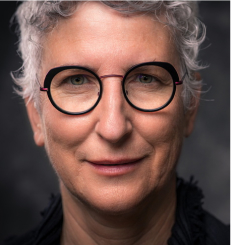
Photo of ()\

Shiva Rea teaches vinyasa flow yoga worldwide. She has studied many forms of yoga and dance in India, Africa, Nepal, Jamaica, and Bali. She is a well-known contributor to Yoga Journal and holds an MA in Dance from UCLA's World Arts and Cultures Program, where she also teaches.

Author photo © Debra McClinton

600 Podcasts and Counting…

Subscribe to Insights at the Edge to hear all of Tami’s interviews (transcripts available too!), featuring Eckhart Tolle, Caroline Myss, Tara Brach, Jack Kornfield, Adyashanti, and many more.

Meet Your Host: Tami Simon

Founded Sounds True in 1985 as a multimedia publishing house with a mission to disseminate spiritual wisdom. She hosts a popular weekly podcast called Insights at the Edge, where she has interviewed many of today's leading teachers. Tami lives with her wife, Julie M. Kramer, and their two spoodles, Rasberry and Bula, in Boulder, Colorado.

Photo © Jason Elias

Also By Author

Winter Solstice: Rebirth of Light

At winter solstice, the darkest point of the year, light begins its journey of reemergence. This great cosmological rhythm sets our internal clocks, our biorhythms, to the subtle glow of slowly increasing light.  In our spiritual and creative process, we begin our own gradual awakening and reemergence from the dark, fertile soil of winter.

This biological and spiritual attunement to light is what has made the many cosmological temples with their ritual periods of connection to the sun, so powerful through the ages.

Can you imagine the impact of the winter solstice less than a hundred years ago when we lived life primarily in natural light? At the nadir of the year, we were sustained by the living fire of candlelight and by bonfires when, in some places in the world such as Scandinavia, a day might consist of as much as twenty-three hours of darkness. And we were sustained by celebration—the twelve-day festival of yule and other rituals of its kind—in which we came together and made merry and honored the promise of the lengthening days ahead.

We have marked the all-important sadhya of winter solstice, the rebirth of the sun, with the literal birth of a son. Myths about the return of the sun king at this time of year have been recorded as far back as ancient Sumeria and Egypt. The birth of Christ and of the Lord of the Dance of the seasons re-erect an extraordinary diversity of winter solstice holidays that celebrate the rebirth of the light through the mirror of human birth. In fact, there are more cross-cultural celebrations at this point in the wheel of the year than at any other time—from Scotland to China, from Tibet to Antarctica—as we turn to one another for comfort, solace, and the shared joy that comes from bonding together to celebrate the return of the light.


Looking for more great reads?


Excerpted from Tending the Heart Fire by Shiva Rea.

Shiva Rea, MA, is a pioneer in the evolution of vinyasa flow yoga. She founded Samudra Global School for Living Yoga based upon her worldwide travels and her studies in UCLA’s World Arts and Cultures program, as well as the roots of yoga in Tantra, Ayurveda, and dance. From transformative home practice videos to large-scale festivals, Shiva offers yoga as a universal pathway for self-realization and awakening positive change for all. For more visit shivarea.com.


Why attend the Wake Up Festival? – Shiva Rea res...

We’re beginning our preparations for the Wake Up Festival, our five-day gathering of transformation, to be held this August in the glorious Rocky Mountains, and are looking forward to reconnecting and celebrating with our friends around the world.

For those of you still on the fence – or if this is the first you’re hearing about it – take a listen to Shiva Rea, as to why she thinks you might want to attend…

Learn more about the Wake Up Festival here.

Tending the Heart Fire

Tami Simon speaks with Shiva Rea, a world-renowned teacher of vinyasa flow yoga and the founder of Samudra Global School for Living Yoga. Shiva has created many video, audio, and music programs with Sounds True, and most recently released her much-anticipated first book, Tending the Heart Fire: Living in Flow with the Pulse of Life. In this episode, Tami speaks with Shiva about what it means to be a “fire-keeper;” the power of attuning ourselves to the natural cycles of the sun, moon, and seasons; how we can reconnect to the pulse of life even in our modern world; and an on-the-spot practice we can do to tend to the fire of our own heart. (66 minutes)

You Might Also Enjoy

Stephen Cope on How Yoga Changes Your Brain and Emotio...

Have you ever noticed how quickly your mind reacts to stress, emotion, or even a passing thought? Many of these responses feel automatic, as if they happen before we have a chance to choose. Yoga offers another way of meeting these moments. Through breath, movement, and attention, we begin to slow down and notice what is happening within us. With practice, this awareness creates space, allowing for more clarity, steadiness, and a deeper connection to our emotional life.

At Sounds True, we have spent decades sharing the living wisdom of transformational teachers in their own authentic voice. Our work is rooted in making these teachings accessible and meaningful for everyday life. Through conversations with teachers like Stephen Cope, we bring forward insights that bridge ancient practice with modern understanding of the mind.

Here, we look at how yoga brain science shapes emotional health through Stephen Cope’s teachings on awareness, neuroplasticity, and mental well-being.

Key Takeaways:

  • Neuroplasticity in Action: Yoga brain science shows that repeated awareness and breathwork can reshape neural pathways over time.
  • Emotional Awareness: Yoga’s psychological benefits include recognizing and responding to emotions with greater clarity and steadiness.
  • Mind-Body Connection: Practices rooted in yoga and mental health strengthen the relationship between physical sensations and emotional experience.

Awaken Your Inner Healing Power with Guided Practices by Sounds True

Stephen Cope on Yoga Brain Science and Emotional Transformation

In conversation with Stephen Cope, yoga brain science is not a general idea, but something lived and felt in the body and mind. Cope draws from decades of practice to highlight a simple truth: the brain is shaped by where we place our attention. Through yoga, we begin to notice our patterns, how reactions form, and how awareness can gently shift them.

Many of us move through life on autopilot, reacting quickly to stress and emotion. Yoga invites a slower pace. It encourages us to pause, feel, and stay present. Over time, this creates space between impulse and action, allowing for new ways of responding.

This transformation is not about becoming someone else. It is about becoming more aware of our own experience. Yoga brain science helps us understand this process, but the real change happens through practice, moment by moment.

Yoga Neuroplasticity: How Practice Rewires the Brain

Yoga offers a direct experience of neuroplasticity, showing us that change is not only possible but natural. Through steady practice, the brain begins to reorganize in response to new patterns of attention and presence.

Repetition and Awareness in Yoga Neuroplasticity

In yoga, repetition is not about perfection. It is about returning. Each time we bring awareness back to the breath or body, we are strengthening pathways in the brain that support presence. These moments may seem small, yet they accumulate in meaningful ways. Over time, the familiar pull of distraction or reactivity begins to shift.

This is how yoga neuroplasticity unfolds. The brain learns from experience. When we repeatedly choose awareness, the brain adapts to that choice. Patterns of calm, clarity, and steadiness become more accessible. What once required effort begins to feel more natural.

From Conditioned Patterns to Conscious Choice

Many of our emotional habits are deeply conditioned. They arise quickly and often without conscious awareness. Yoga creates an opportunity to see these patterns more clearly. As awareness deepens, we begin to recognize the early signs of reaction. A tightening in the body, a shift in breath, a familiar thought pattern.

In that recognition, there is a pause. That pause is significant. It allows for choice. Instead of being carried forward by habit, we can respond with intention. Cope points to this as a turning point in practice. It reflects a movement toward greater freedom, supported by the brain’s inherent capacity to change.

Yoga Psychological Benefits for Emotional Awareness and Resilience

The psychological benefits of yoga are grounded in the development of awareness and the cultivation of a steady relationship with inner experience. Through practice, we begin to understand our emotions in a more direct and embodied way.

Developing Emotional Awareness Through Practice

Yoga invites us to listen closely to what is happening within. Emotions are not abstract ideas. They are felt experiences that move through the body. By paying attention to sensations, breath, and subtle shifts, we begin to recognize emotional states as they arise.

This awareness changes our relationship with emotion. Instead of being swept away, we learn to stay present. We can name what is happening without becoming overwhelmed by it. This creates a sense of clarity that supports emotional balance.

Building Resilience Through Presence

Resilience is often thought of as strength in the face of difficulty. In yoga, resilience is cultivated through presence. When discomfort arises in practice, we are invited to stay with it, to observe it without immediately trying to change it.

This builds capacity. Over time, we develop the ability to remain steady even when emotions are intense. This steadiness carries into daily life. Challenges are still present, yet our way of meeting them shifts. There is more space, more patience, and a deeper sense of grounding.

Stephen Cope on Yoga and Mental Health in Daily Life

For Stephen Cope, yoga and mental health are inseparable. Practice is not limited to a specific time or place. It is woven into the fabric of daily living.

Attention as a Tool for Mental Health

Attention shapes experience. When attention is scattered or pulled into repetitive thought patterns, the mind can feel unsettled. Yoga trains attention in a gentle and consistent way. By returning to the breath or body, we begin to anchor awareness in the present moment.

This shift has a meaningful impact on mental health. Patterns of rumination begin to soften. The mind becomes less caught in loops of worry or self-judgment. There is a growing sense of stability that comes from being present with what is here.

Integrating Practice Into Daily Living

Integration is at the heart of yoga. The insights gained in practice are meant to be lived. This can be as simple as pausing before responding in a conversation or noticing the breath during a moment of stress.

These small moments matter. They reinforce the same patterns of awareness cultivated during practice. Over time, yoga becomes less about doing and more about being. Mental health is supported not through isolated efforts, but through a continuous relationship with awareness.

Discover the Hidden Power of Daily Meditation

How Yoga Brain Science Supports Mental Health and Well-Being

Yoga brain science offers a grounded understanding of how practice supports well-being on multiple levels. It reflects the connection between body, mind, and attention, showing how each influences the other.

  • Yoga supports the regulation of the nervous system by encouraging slower, more conscious breathing
  • It brings awareness to habitual thought patterns, allowing for a different relationship with them
  • It creates space for emotional processing by inviting presence rather than avoidance
  • It strengthens the capacity for focused attention, which supports clarity and stability
  • It deepens the connection between body and mind, helping us recognize early signals of stress

These elements work together to support mental health in a way that feels both practical and accessible. As practice continues, many people notice a shift toward greater balance. There is a growing sense of ease in how emotions are experienced and expressed.

This is not about removing difficulty from life. It is about developing the capacity to meet life as it unfolds. Yoga brain science helps us understand how this capacity is built through consistent, mindful engagement with our inner world.

Exploring Yoga Neuroplasticity and Long-Term Habit Change

Habit change is often seen as effort-driven, but yoga offers another approach. Through yoga neuroplasticity, habits are shaped and reshaped by attention and repetition.

Each moment of awareness, whether noticing the breath or a reactive thought, supports new patterns. These small shifts build over time, creating lasting change.

As practice continues, old habits loosen, and the mind becomes more flexible, allowing for greater freedom in how we respond.

The Psychological Benefits of Yoga for Stress and Emotional Balance

Stress is part of life, but yoga can change how we relate to it. By grounding attention in the body and breath, we create an anchor that helps us stay steady during intense or uncertain moments.

Instead of reacting automatically, we learn to remain present. This builds a sense of balance where emotions can move without overwhelming us. Over time, this steadiness becomes more natural, rooted in a deeper connection to awareness.

Integrating Yoga and Mental Health Practices Through Stephen Cope’s Teachings

Through the teachings of Stephen Cope, yoga and mental health become a lived practice grounded in both tradition and modern insight. He encourages approaching experience with curiosity rather than judgment, creating space for meaningful change.

Through attention, breath, and presence, yoga offers tools to meet ourselves more fully and support greater clarity, connection, and emotional well-being.

Learn How your Mind Really Works with Sounds True

Final Thoughts

Yoga brain science reminds us that meaningful change begins with awareness. Through the teachings of Stephen Cope, we see how steady practice can reshape the way we meet our thoughts, emotions, and daily experiences. At Sounds True, we hold this work as a living process, one that invites patience, presence, and a deeper relationship with ourselves over time.

Frequently Asked Questions About Yoga, Brain Science, and Emotional Health

What is yoga brain science in simple terms?

Yoga brain science refers to how yoga practices like breathing, movement, and meditation influence brain function. It explains how consistent practice can shape attention, emotional patterns, and overall mental well-being.

How long does it take for yoga to affect the brain?

Changes can begin with a single session, especially in stress reduction. However, lasting shifts in brain patterns and emotional responses typically develop through consistent practice over weeks or months.

Can yoga replace therapy for mental health concerns?

Yoga can support mental health, but it is not a replacement for therapy. It works well alongside professional care by helping individuals build awareness, regulate emotions, and stay grounded.

Is yoga effective for anxiety and overthinking?

Yes, many people find yoga helpful for anxiety. Practices that focus on breath and body awareness can calm the nervous system and reduce cycles of overthinking.

Do you need physical flexibility to gain mental benefits from yoga?

No. The mental and emotional benefits of yoga come from awareness and attention, not physical ability. Anyone can experience these benefits regardless of flexibility.

What type of yoga is best for brain and emotional health?

Slower, mindful practices such as Hatha, restorative, or gentle flow yoga tend to support emotional regulation and awareness. The key factor is consistency and presence, not intensity.

How does breathing in yoga affect the brain?

Breathing practices influence the nervous system by signaling safety to the body. Slow, steady breathing can reduce stress responses and support clearer thinking.

Can yoga help with emotional burnout?

Yoga can help individuals reconnect with their body and internal state, which is often disconnected during burnout. This reconnection supports recovery and emotional balance over time.

Is meditation necessary to experience yoga’s brain benefits?

Meditation can deepen the effects, but it is not required. Many of the benefits come from mindful movement and breath awareness practiced during yoga itself.

How often should someone practice yoga for mental health support?

Even a few minutes daily can be helpful. Regular, consistent practice tends to be more beneficial than occasional longer sessions.

Michelle Cassandra Johnson is an author, activist, spiritual teacher, racial equity consultant, and intuitive healer. She is the author of six books, including Skill in Action and Finding Refuge. Amy Burtaine is a leadership coach and racial equity trainer. With Robin DiAngelo, she is the coauthor of The Facilitator's Guide for White Affinity Groups. For more, visit https://www.michellecjohnson.com/wisdom-of-the-hive.

Mirabai Starr on Ordinary Mysticism: Finding the Sacre...

What if the sacred is not something distant, but something quietly present in everyday life? Ordinary mysticism invites us to notice moments of connection, stillness, and even challenge as meaningful. Through Mirabai Starr’s perspective, mysticism spirituality becomes simple and human, grounded in awareness and the experience of being fully present.

We have spent decades sharing the voices of trusted spiritual teachers and preserving their teachings in their most authentic form. Our work centers on offering living wisdom that supports real transformation and makes spiritual insight accessible to all.

Here, we look at ordinary mysticism, the everyday sacred, and how mysticism, spirituality, and the dark night soul meaning unfold in daily life.

Key Takeaways:

  • Everyday Sacred: Ordinary moments hold spiritual depth when met with presence and awareness.
  • Mysticism Spirituality: Spiritual experience is lived through connection, not limited to tradition.
  • Inner Transformation: Even the dark night soul’s meaning supports growth and deeper understanding.

Awaken Your Inner Healing Power with Guided Practices by Sounds True

Ordinary Mysticism with Mirabai Starr and Mysticism Spirituality

We share living wisdom through the authentic voices of spiritual teachers. In this conversation with Mirabai Starr, ordinary mysticism is revealed as a lived experience, grounded in presence and found within everyday life.

Ordinary mysticism does not require stepping away from daily responsibilities. It recognizes the sacred within each moment, expressed through connection, reflection, and the natural rhythms of being.

This approach reflects a heart-led, accessible path where spirituality is not distant, but something we experience through awareness, honesty, and presence.

Mirabai Starr on Ordinary Mysticism and the Everyday Sacred

Ordinary mysticism begins by noticing the sacred within everyday life. Mirabai Starr invites a simple shift toward presence and awareness.

Recognizing the Everyday Sacred in Simple Moments

The sacred appears in quiet, ordinary moments when we slow down and pay attention. These experiences reveal depth within daily life.

Letting Go of the Need for Extraordinary Spiritual Experiences

Spiritual life does not depend on dramatic experiences. Ordinary mysticism values presence in what is already here.

Exploring Mysticism Spirituality Through the Everyday Sacred

Mysticism spirituality is often associated with distant traditions or specialized practices. Yet within this conversation, it is presented as something deeply accessible, grounded in the shared human experience of connection and awareness.

Mysticism Spirituality Across Traditions and Teachings

Mirabai Starr draws from a wide range of spiritual lineages, yet her approach remains inclusive and open. Mysticism spirituality is not confined to a single belief system. It is a universal thread that runs through many traditions, pointing toward direct experience of the sacred.

This perspective allows us to engage with teachings in a way that feels personal rather than prescriptive. The focus shifts from adherence to doctrine toward an embodied understanding. What matters is not the form the teaching takes, but the depth of connection it invites.

In this way, mysticism spirituality becomes a bridge. It connects different paths through a shared recognition of presence, love, and awareness. It invites us to honor the diversity of spiritual expression while recognizing the common ground beneath it.

Making the Everyday Sacred a Spiritual Practice

The everyday sacred becomes a form of practice when we bring intention and awareness to our actions. Simple activities begin to take on new depth when approached with presence. Preparing a meal, listening fully to another person, or stepping outside for a moment of stillness can all become expressions of ordinary mysticism.

This kind of practice does not require additional time or elaborate structure. It is integrated into the flow of daily life. What changes is not the activity itself, but the quality of attention we bring to it.

Over time, this approach begins to reshape our relationship with experience. We become more attuned to subtle shifts, more responsive to what is unfolding, and more connected to the sense of sacredness that permeates even the simplest moments.

The Dark Night Soul Meaning in Ordinary Mysticism and Spiritual Growth

Spiritual life is not limited to moments of clarity or peace. It also includes periods of uncertainty, loss, and disorientation. Within ordinary mysticism, these experiences are not seen as interruptions but as essential parts of the journey.

Understanding the Dark Night Soul Meaning

The dark night soul meaning refers to a phase in which familiar structures begin to fall away. What once provided a sense of stability may no longer feel reliable. This can create a sense of emptiness or confusion, as if the ground beneath us is shifting.

In mysticism and spirituality, this experience is understood as a process of transformation. It invites us to release attachments and assumptions that no longer serve us. While it can feel challenging, it also opens space for a deeper and more authentic connection to emerge.

Mirabai Starr speaks to this phase with compassion and honesty. She acknowledges the difficulty while also recognizing the potential it holds. The dark night is not something to be avoided. It is something to be met with presence.

Transformation Through Grief and Uncertainty

Grief often plays a central role in the dark night experience. It can arise from loss, change, or the recognition that something important has shifted. Within ordinary mysticism, grief is not something to be pushed aside. It is something to be felt fully.

By allowing grief to move through us, we begin to access a deeper layer of awareness. There is a kind of clarity that emerges when we stop resisting what is present. The everyday sacred becomes visible even within difficulty.

This transformation is not immediate. It unfolds gradually, shaped by patience and willingness. As we remain present to uncertainty, we begin to discover a quiet resilience that supports us through the process.

Discover the Hidden Power of Daily Meditation

Mirabai Starr on the Everyday Sacred and Mysticism Spirituality

Ordinary mysticism is lived through small, consistent acts of awareness and care. Mirabai Starr offers simple yet meaningful ways to remain connected to the everyday sacred within mysticism and spirituality.

  • Presence serves as the foundation. Returning attention to the breath and the body allows us to anchor ourselves in what is real and immediate.
  • Deep listening opens space for genuine connection. When we listen without interruption or judgment, we create room for something sacred to emerge.
  • Devotion appears in daily actions. Acts of kindness, care, and attentiveness become expressions of spiritual practice.
  • Emotional honesty supports growth. Allowing feelings to arise without suppression creates space for deeper understanding.
  • Returning to awareness again and again strengthens the practice. Each moment offers a new opportunity to reconnect with the everyday sacred.

These practices reflect a grounded and compassionate approach to mysticism and spirituality. They remind us that the path is not about achieving perfection but about staying present to life as it unfolds. In this way, the sacred becomes something we live with rather than something we seek outside ourselves.

Ordinary Mysticism, the Everyday Sacred, and Inner Transformation

Inner transformation within ordinary mysticism unfolds through attention and openness. It is not defined by dramatic change but by a gradual deepening of awareness. As we begin to recognize the everyday sacred, we also begin to notice patterns within ourselves.

Mirabai Starr’s teachings encourage a gentle approach to this process. Rather than trying to fix or change what we see, we are invited to meet it with curiosity. This creates space for insight to arise naturally. Over time, this way of relating begins to shift how we experience ourselves and others.

Mysticism spirituality, in this sense, is not about becoming something new. It is about uncovering what has always been present. The layers that once obscured our awareness begin to soften, revealing a deeper sense of connection and presence.

Understanding the Dark Night Soul Meaning in Mysticism and Spirituality

The dark night soul’s meaning is not limited to a single experience. It can appear in different forms throughout life, each time inviting a deeper level of surrender. Within mysticism and spirituality, this process is understood as part of ongoing growth.

During these periods, the everyday sacred may feel less visible. There can be a sense of distance or disconnection. Yet even in these moments, something remains. A quiet presence continues beneath the surface.

Learning to trust this presence becomes an important part of the path. It requires patience and a willingness to remain open, even when clarity is not immediately available. Over time, this trust begins to deepen, supporting a more grounded and resilient sense of being.

Living Ordinary Mysticism Through the Everyday Sacred with Mirabai Starr

Living ordinary mysticism is a practice of returning to the present moment through awareness and intention. The everyday sacred offers ongoing opportunities to reconnect, wherever we are.

Mirabai Starr’s teachings show that mysticism and spirituality unfold within daily life, expressed through how we listen, respond, and care.

Ordinary mysticism invites a way of living rooted in presence, compassion, and connection, where the sacred is found within each moment.

Learn How your Mind Really Works with Sounds True

Final Thoughts

Ordinary mysticism invites us to recognize the sacred within everyday life. Through presence and openness, even moments of challenge and the dark night soul, meaning becomes part of a deeper unfolding.

Over time, the sacred is no longer something distant. It becomes the way we live and experience each moment.

Frequently Asked Questions About Ordinary Mysticism

What is ordinary mysticism in simple terms?

Ordinary mysticism refers to experiencing the sacred within everyday life rather than seeking it in rare or extraordinary moments. It emphasizes awareness, presence, and connection in daily experiences.

How is ordinary mysticism different from traditional mysticism?

Traditional mysticism is often associated with formal practices or religious frameworks. Ordinary mysticism focuses on direct, lived experience and does not require adherence to a specific tradition.

Who is Mirabai Starr, and why is she relevant to this topic?

Mirabai Starr is a contemporary spiritual teacher and author known for making mystical teachings accessible. Her work emphasizes compassion, interspiritual understanding, and embodied spirituality.

Can anyone practice ordinary mysticism?

Yes, ordinary mysticism is accessible to anyone. It does not depend on background, belief system, or level of experience, only a willingness to be present and attentive.

How does mysticism spirituality relate to daily routines?

Mysticism spirituality can be integrated into daily routines by bringing awareness to ordinary actions such as listening, working, or resting, turning them into moments of connection.

What role does silence play in ordinary mysticism?

Silence creates space for awareness and reflection. It allows individuals to notice subtle experiences and deepen their connection to the present moment.

Is ordinary mysticism connected to any religion?

It can be found within many religious traditions, but it is not limited to any single one. It is a universal approach to experiencing the sacred.

How does the dark night soul’s meaning relate to personal growth?

The dark night soul meaning reflects periods of inner difficulty that can lead to deeper understanding, emotional resilience, and spiritual maturity.

What are some signs of experiencing the everyday sacred?

Signs may include a sense of calm, deeper appreciation for simple moments, increased empathy, and a feeling of connection with others and the environment.

Can ordinary mysticism support mental and emotional well-being?

Yes, by encouraging presence and acceptance, ordinary mysticism can help reduce stress, improve emotional awareness, and support a more grounded sense of well-being.

Michelle Cassandra Johnson is an author, activist, spiritual teacher, racial equity consultant, and intuitive healer. She is the author of six books, including Skill in Action and Finding Refuge. Amy Burtaine is a leadership coach and racial equity trainer. With Robin DiAngelo, she is the coauthor of The Facilitator's Guide for White Affinity Groups. For more, visit https://www.michellecjohnson.com/wisdom-of-the-hive.

The Science of the Heart’s Electromagnetic Field...

The heart is often thought of as a center of emotion, yet it also plays a role in how we perceive and connect with the world. The heart electromagnetic field reflects shifts in feeling and awareness, offering a glimpse into how our inner state shapes our experience. As science continues to study this field, it brings clarity to something many have long sensed: the heart is an active participant in how we live and relate.

For decades, we have shared teachings that bring together spiritual wisdom and modern insight, amplifying voices that guide people toward deeper presence and understanding. Our work is rooted in preserving authentic, living teachings while making them accessible to anyone drawn to inner growth.

Here, we look at the heart electromagnetic field, along with heart coherence, the heart brain connection, and the parallels found in yoga heart science.

Key Takeaways:

  • Heart Intelligence: The heart’s electromagnetic field influences perception, emotion, and how we relate to others
  • Science Meets Wisdom: Modern heart field science aligns with ancient yoga heart science teachings about the heart
  • Coherence in Practice: Heart coherence supports emotional balance, clarity, and nervous system regulation

Learn How your Mind Really Works with Sounds True

The Heart Electromagnetic Field and Heart Field Science Explained

What if the heart is not only responding to life, but quietly shaping how we experience it?

Both science and contemplative traditions point to a deeper role for the heart. The heart electromagnetic field extends beyond the body, shifting with our emotions, attention, and relationships. It reflects what we feel in real time, offering a subtle layer of communication that often goes unnoticed. Heart field science gives language to what many have long sensed: the heart is not silent. It is continuously expressing and responding.

When the heart is steady and coherent, there is often a sense of ease, clarity, and connection with others. When it is unsettled, that change can be felt just as strongly, influencing how we think, react, and relate. This growing understanding invites a more balanced view, where the heart is recognized as an active participant in shaping perception, emotion, and awareness in each moment.

Foundations of Heart Field Science and Human Energy Awareness

Heart field science views the body as both physical and energetic, with the heart playing a central role in this interaction. Its electromagnetic field reflects emotional and physiological states, offering insight into how we experience and connect with the world.

Measuring the Heart Electromagnetic Field

The heart produces a measurable electromagnetic field that extends beyond the body. Its patterns shift with emotional states, becoming more ordered during calm and more irregular during stress.

Awareness Beyond the Physical Body

This field may help explain subtle forms of awareness, such as sensing others or the atmosphere of a space. It suggests that perception extends beyond the physical senses into a shared energetic experience.

The Heart Brain Connection and Its Scientific Basis

The heart and brain are in constant communication, shaping how we think, feel, and respond. This connection highlights the heart as an active contributor to awareness, not just a passive organ.

Neural Pathways Between Heart and Brain

The heart has its own network of neurons that sends signals to the brain. These signals influence emotional processing, attention, and how the body regulates itself.

The Heart’s Influence on Cognition and Emotion

When the heart’s rhythms are steady, thinking often feels clearer and more balanced. When they are irregular, emotions and thoughts can feel more reactive, reflecting the close link between heart and mind.

How the Heart Brain Connection Influences Perception and Intuition

Beyond measurable signals, the heart brain connection touches something more subtle. It shapes how we perceive and how we come to know what we know.

Intuition as a Whole-Body Process

Intuition is often described as a quiet knowing that arises before thought. Within the context of the heart brain connection, this can be understood as a whole-body process.

Signals from the heart contribute to this sense of knowing. When the heart is in a coherent state, this process tends to feel more accessible. There may be a sense of alignment, as if the body and mind are moving together rather than in conflict.

This kind of intuition does not feel dramatic. It is often simple, steady, and clear.

Perception Shaped by Internal State

The way we see the world is deeply influenced by our internal state. When the heart is calm and coherent, perception often feels more open. There is space to respond rather than react.

When the heart is unsettled, perception can narrow. Situations may feel more intense or overwhelming. This shift is not only psychological. It reflects changes in the rhythms of the body.

By bringing awareness to the heart, it becomes possible to gently influence how experience unfolds. Not by forcing change, but by allowing a different state to emerge.

Awaken Your Inner Healing Power with Guided Practices by Sounds True

Heart Coherence and Its Role in Emotional and Physiological Balance

Heart coherence describes a state where the rhythms of the heart become smooth and synchronized with the body’s systems. This state is both measurable and deeply felt.

  • Heart coherence often supports a sense of emotional steadiness, making it easier to respond rather than react
  • It is commonly associated with reduced stress and a greater capacity to navigate challenge
  • Many people experience improved clarity and focus when the heart is in a coherent rhythm
  • The body’s systems tend to work together more harmoniously, supporting overall well-being
  • Feelings such as appreciation, compassion, and care naturally support coherent patterns in the heart

As this state becomes more familiar, it can begin to feel less like something to achieve and more like something to return to. The body already knows how to move toward balance. Attention and intention simply help guide the process.

The Science of Heart Coherence and Nervous System Regulation

Heart coherence is closely connected to the nervous system. When the heart’s rhythms become steady, the body often shifts toward a more balanced state. Breathing deepens. Muscles soften. There is a sense of settling that can be felt throughout the system.

This shift reflects a movement toward regulation rather than activation. It supports restoration and allows the body to recover from stress more effectively. Over time, this can influence both emotional resilience and physical health.

Practices that bring gentle attention to the heart can support this process. Slow breathing, moments of gratitude, and simply pausing to feel can begin to shift the rhythms of the heart. These are small movements, yet they often create meaningful change.

Yoga Heart Science and Ancient Understanding of the Heart Electromagnetic Field

Long before modern instruments could measure the heart’s electromagnetic field, yogic traditions described the heart as a center of energy and awareness. Yoga heart science speaks of the heart as a place where the physical and subtle aspects of being meet.

Practices such as breathwork and meditation were developed to bring harmony to the body’s rhythms. These practices often lead to states that closely resemble what is now described as coherence.

The language may differ, yet the experience is familiar. A steady breath. A calm presence. A sense of connection that arises without effort. These are not new discoveries, but ancient insights expressed in a new form.

How Yoga Heart Science Mirrors Modern Heart Field Discoveries

As science continues to study the heart, many of its findings echo what has long been understood in contemplative traditions. The emphasis on breath, attention, and emotional awareness appears in both perspectives.

Yoga heart science offers practices that naturally support the patterns now being observed in heart field science. This creates a meeting point between disciplines that were once seen as separate.

Rather than choosing one perspective over another, there is an opportunity to hold both. Science offers measurement and validation. Tradition offers lived experience and time-tested practice.

Integrating Yoga Heart Science, Heart Coherence, and the Heart Brain Connection

Integration happens in small, quiet moments. It may begin with a single breath, a shift in attention, or a pause in the middle of a busy day.

The heart brain connection, heart coherence, and yoga heart science all point toward the same possibility. The body is not divided. It is communicating continuously, offering feedback that can guide awareness.

By bringing attention to the heart, it becomes possible to sense these patterns more clearly. Over time, this awareness can shape how we think, feel, and relate to others.

This is not about perfection or constant calm. It is about a relationship. A relationship with the body, with the heart, and with the subtle field that connects inner experience with the world around us.

Discover the Hidden Power of Daily Meditation

Final Thoughts

The heart electromagnetic field reflects how we feel, relate, and perceive each moment. As heart coherence and the heart brain connection come into balance, experience often becomes clearer and more grounded. Ancient yoga heart science and modern research point to the same insight: the heart quietly shapes the way we meet life.

Frequently Asked Questions About the Heart Electromagnetic Field

What makes the heart’s electromagnetic field different from other fields in the body?

The heart produces the largest electromagnetic field in the body, and its signals are more rhythmic and structured compared to other systems. This makes it especially influential in coordinating overall physiological activity.

Can the heart’s electromagnetic field affect other people?

Some researchers suggest that the heart’s field may play a role in subtle interpersonal dynamics, such as feeling at ease or tense around others. While still being studied, many people report sensing emotional states without verbal cues.

Is heart coherence something that can be measured at home?

Yes, certain wearable devices and biofeedback tools can track heart rhythm patterns and give insight into coherence levels, allowing individuals to observe changes in real time.

How quickly can someone shift into heart coherence?

Shifts can happen within minutes. Gentle breathing and focusing on positive emotional states often begin to influence heart rhythms fairly quickly.

Does age or health condition affect the heart’s electromagnetic field?

The field is present in everyone, though its patterns may vary depending on physical health, stress levels, and emotional well-being.

Is the heart brain connection recognized in mainstream science?

Yes, the connection is supported by research in neurocardiology, which studies how the heart and brain communicate through neural, hormonal, and electrical pathways.

How is yoga heart science different from general meditation practices?

Yoga heart science often places specific emphasis on the heart center, combining breath, awareness, and energy practices that directly engage the heart’s rhythms.

Can improving heart coherence impact sleep quality?

Many people find that when the nervous system is more balanced through coherence, sleep becomes deeper and more restorative.

Are there risks to practicing heart-focused techniques?

Most heart-centered practices are gentle and safe. However, individuals with medical conditions should approach any new practice with awareness and consult a professional if needed.

Why is the heart’s electromagnetic field gaining attention now?

Advances in technology have made it possible to measure subtle physiological signals more precisely, allowing science to investigate areas that were once considered purely experiential.

Michelle Cassandra Johnson is an author, activist, spiritual teacher, racial equity consultant, and intuitive healer. She is the author of six books, including Skill in Action and Finding Refuge. Amy Burtaine is a leadership coach and racial equity trainer. With Robin DiAngelo, she is the coauthor of The Facilitator's Guide for White Affinity Groups. For more, visit https://www.michellecjohnson.com/wisdom-of-the-hive.

Leave a Reply

Your email address will not be published. Required fields are marked *