Customer Favorites

Stan Tatkin: I Vow to Take You On as My Burden

Stan Tatkin is a clinical psychologist, couples and family therapist, and the author of Wired for Love. With Sounds True, he has published a new book titled We Do: Saying Yes to a Relationship of Depth, True Connection, and Enduring Love. In this episode of Insights at the Edge, Tami Simon speaks with Stan about his unique methodology, the Psychobiological Approach to Couples Therapy (PACT). Stan explains his definition of a couple as a “biological survival unit” and some of the common occurrences that threaten the long-term cohesion of that unit. Tami and Stan discuss the ways attachment styles affect our ability to be in relationship and how we have to accept partners along with their burdens. Finally, Stan details what it means to have “secure functioning” in a relationship and the key lessons for creating a healthy, loving long-term partnership. (69 minutes)

Tami’s Takeaway: “Everyone is a pain in the ass,” teaches Stan, “and so are you.” Listening to Stan, I developed an even deeper appreciation of my beloved wife of 17 years, how she puts up with me . . . and how I put up with her. It also illuminated how the combination can lead to what Stan calls “a secure functioning relationship” where we see each other realistically, not idealistically, and are committed to collaborating as a successful “survival unit” consisting of two perfectly imperfect human beings.

Tara Brach: True Refuge

Tara Brach is an author, clinical psychologist, and the founder and senior teacher of the Insight Meditation Community of Washington. A longtime Sounds True collaborator, Tara is one of the creators and main teachers for the in-depth Mindfulness Meditation Teacher Certification Program. In this episode of Insights at the Edge, Tami Simon speaks with Tara about “the Trance of Unworthiness”—a state in which we believe that we are too inadequate, incomplete, and broken to love ourselves. Tara explains why we are so tough on ourselves and the steps needed to cultivate self-compassion. Tami and Tara also discuss how we can find refuges within no matter our current difficulties. Finally, they talk about the need for mental health professionals to understand contemplative practices such as mindfulness. (56 minutes)

E208: Living Beyond the Personal

Every genuine spiritual tradition teaches that the highest path is letting go of the personal ego and living according to a greater guidance than our personal desires. The suffering we experience comes from identifying with our preferences, fears, and self-concepts, instead of recognizing ourselves as the awareness that is experiencing our experiences. As we surrender self-interest, act without attachment to outcomes, and become instruments of something greater than ourselves, we discover true freedom, joy, peace, and the ability to serve life with clarity and love.

© Sounds True Inc. Episodes: © 2026 Michael A. Singer. All Rights Reserved.

What Is Awake Awareness?

What is Awake Awareness Blog Header Image You might be asking: If awake awareness as the source of effortless mindfulness is already here, why haven’t I discovered it yet? This is a good question. One reason we don’t discover it is that we don’t have awake awareness on most of our Western psychological maps. Many people who have longed and strived to be free of suffering have missed awake awareness, not because they lacked desire or commitment but because they didn’t know what to look for or where to look.

The Shangpa Kagyu tradition of Tibetan Buddhism gives four insightful reasons we don’t naturally discover awake awareness, which I find quite helpful:

1. Awake awareness is so close that you can’t see it.

2. Awake awareness is so subtle that you can’t understand it.

3. Awake awareness is so simple that you can’t believe it.

4. Awake awareness is so good that you can’t accept it.

GLIMPSE: Awake Awareness Knows Without Using Thought or Attention

In this glimpse, instead of focusing on what we are aware of, we will have awareness be aware of itself. This may be something that has never crossed your mind. In learning about using awareness, instead of attention, we will look back to the source of mind, awake awareness, and then focus from here. Instead of following the flashlight of attention out to the movie screen of experience, we see if we can feel awareness directly. We have learned to experience life as a subject looking at objects, even internal objects like thoughts and emotions. One helpful practice of deliberate mindfulness is called “mental noting.” In the mental noting practice, our mindful witness becomes more precise by labeling thoughts, feelings, and sensations as they arise. In this mindful glimpse, we will let go of labeling and instead learn to trust the intelligence of awake
awareness. Now we will have awareness feel what awareness is like when it is both the subject and the object. It will be helpful to have this invisible, contentless awareness know itself as we separate the awareness-based knowing from thought-based knowing.

1. To begin, simply close your eyes while allowing your awareness to remain open. Feel your breath moving within your body. Feel your whole body from within while noticing your breathing happening by itself for three breaths. Be easy and comfortable. Relax while remaining alert.

2. Take a moment to see what is here now. Notice how your body is feeling. Is it uncomfortable, comfortable, agitated, relaxed, tired, or neutral? Just be aware of your body without trying to change it. Just be aware of it as it is.

3. Now simply notice what is aware of these feelings and sensations. Feel the awareness in which these sensations are happening. Rather than being aware of sensations, feel the awareness that is aware. Notice that the awareness is not tired, is not in pain, is not agitated or anxious. Feel how this awareness is with your body.

4. Now notice the activity of your mind and thoughts. Just be aware of whether your thoughts are agitated, calm, tired, emotional, anxious, or neutral. Without changing anything at all, allow your mind and thoughts to be as they are.

5. Now notice the space in which thoughts are moving. Be interested in the awareness instead of the thoughts. Shift to notice not just the content but the context. Feel the awareness that is aware. Notice how awareness allows your mind to be as it is without changing anything.

6. Begin to notice that awake awareness is alert, clear, and nonjudgmental. Feel the awareness that is not tired, anxious, or in pain. Notice that awake awareness is all around and inherent within your body and within your mind. Instead of being identified with the states of your body or mind or trying to accept or change them, simply become interested in what is aware.

7. What is awareness like that is already accepting of things as they are—right here and now? Notice the awareness of the next sound you hear. Does awareness have a location or size? What is it like to be aware of experiences from this pain-free, spacious awareness?

8. Now simply rest as the awareness that is aware of your thoughts and sensations. Hang out as awareness without going up to thought to know or down to sleep to rest. Be the awareness that welcomes your sensations and thoughts. Ask yourself: Am I aware of this spacious awareness? Or, What’s it like when I’m aware from this spacious awareness, which is welcoming thoughts, feelings, and sensations? Notice that the awareness is aware from all around and from within—spacious and pervasive.

9. Just let go of focusing on any one thing. Be aware of everything without labeling. Feel that your awareness is no longer knowing from thought. Feel what it is like to be aware from awareness, which includes your thoughts and sensations from head to toe.

10. Simply let be and remain uncontracted and undistracted, welcoming without effort.

This is an excerpt from The Way of Effortless Mindfulness: A Revolutionary Guide for Living an Awakened Life by Loch Kelly.

Kelly Loch Headshot Way of Effortless Loch KellyLoch Kelly, MDiv, LCSW, is a leader in the field of meditation and psychotherapy. He is author of the award-winning Shift into Freedom and founder of the Open-Hearted Awareness Institute. Loch is an emerging voice in modernizing meditation, social engagement, and collaborating with neuroscientists. For more, visit lochkelly.org.

Buy your copy of The Way of Effortless Mindfulness at your favorite bookseller!

Sounds True | Amazon | Barnes & Noble | Indiebound


PIN What Is Awake


Bronnie Ware: Living Without Regrets

Bronnie Ware is an author and speaker whose bestselling book, The Top Five Regrets of the Dying, is based on her time as a palliative care worker. In this episode of Insights at the Edge, Bronnie outlines these five major life regrets with Tami Simon and discusses the experiences in end-of-life care that inspired them. Bronnie explains how most regrets arise from a lack of courage and why people are willing to share so openly during their last days. Tami and Bronnie speak on the healing power of sharing our most vulnerable selves, even if it’s in a letter that we never send. Finally, they talk about maintaining trust in the flow of life and why happiness is ultimately a choice.(61 minutes)

How to Bloom in the Dark: Self-Compassion, Compost, an...

Compassion is the magic ingredient that turns our personal “compost” into personal evolution.

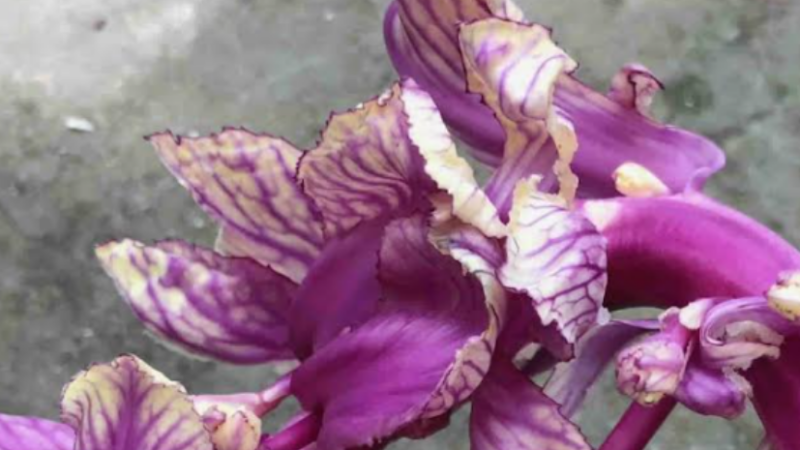
 Some time ago, I found a strange bloom in the kitchen. It was elegantly twisted, like a dragon at a Chinese New Year celebration. It was frilled, purple, and pungent. This exquisite thing grew out of a chunk of purple cabbage that I’d put under the sink to go out for compost. Instead of fading quietly however, it burst into new life in the dark grotto of my cabinetry. It blossomed into something unexpected, unusual, and fiercely beautiful.

Reflecting on the discovery of this “flower” in the shadows, I’m reminded of, and heartened by, the fertility of dark times. Many people are feeling a collective spiritual darkness now, exhausted and frustrated, maybe also angry and scared. Having compassion for ourselves and others is especially important in times of literal and metaphorical darkness. How can we do this if we already feel overloaded?

Nature is our ultimate model and guide—in the light, in the dark, and in the most surprising and gorgeous ways. Cue the weird, glorious cabbage flower which came to life in the dark. What was being shown there?

There is the clear compost metaphor. Compost is the stuff we reject, the moldy, wilted, too hard, too soft, nasty bits that don’t make it to the table. It’s also the leftovers from delicious things we appreciate and enjoy, silky mango skins, green tea leaves, dark coffee grounds.

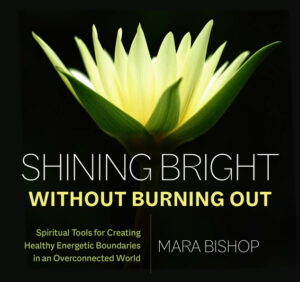
It all transforms into a rich sloop that eventually nourishes future plants. Our personal work includes processing our own “dark” sides, the parts we’d like to hide or discard. Self-compassion (and compassion for others) holds both the rejected and respected parts of who we are. Like composting, it isn’t always pretty, but it’s potent. Research shows self-compassion helps us stay present and kindhearted without sinking into absorptive empathy, which can lead to overload and burnout. This meditation is part of the toolkit in the audio course Shining Bright Without Burning Out.

The cycles of the natural world, into which we are interwoven, take time. It’s hard to be patient, to let everything, both scorned and enjoyed, stew in our symbolic personal compost piles. The speed with which that brew changes from nasty to nourishing varies widely with the internal and external conditions. Sometimes all those different elements take a long time to dissolve and break down. Sometimes it turns around faster than we think possible, like time-lapse photography of a log rotting on the forest floor with new green shoots springing to life overnight. Compassion is the magic ingredient that turns our personal “compost” into personal evolution.

The dark supports transformation. Times of literal darkness are needed for regeneration. Roots, seeds, and bulbs prepare. People and animals sleep. Times of symbolic darkness are also helpful. In darkness, transformative processes happen without spectators, often below the level of our conscious awareness. These are periods of catharsis, healing after trauma, cocooning in preparation for the next version of ourselves and our world.

We sometimes feel hopeless and helpless in the dark. Our society avoids sinking into it. Instead, we gravitate towards purveyors of easy “love and light!” spirituality, shying away from the deep, gooey work that happens to the larval versions of ourselves (and those around us) when we’re in the darkness of the cocoon. Self-compassion is most needed when we’re a mess.

The dark is a vital part of the wheel of our days, our years, our lifetimes. We need it to survive and be healthy in the long term. So, let’s embrace it, explore it, and be gentle with ourselves as we confront our fear of it. From this darkness we are nourished to bloom into the light.

@ 2021 Mara Bishop MA

Order Shining Bright Without Burning Out now! 

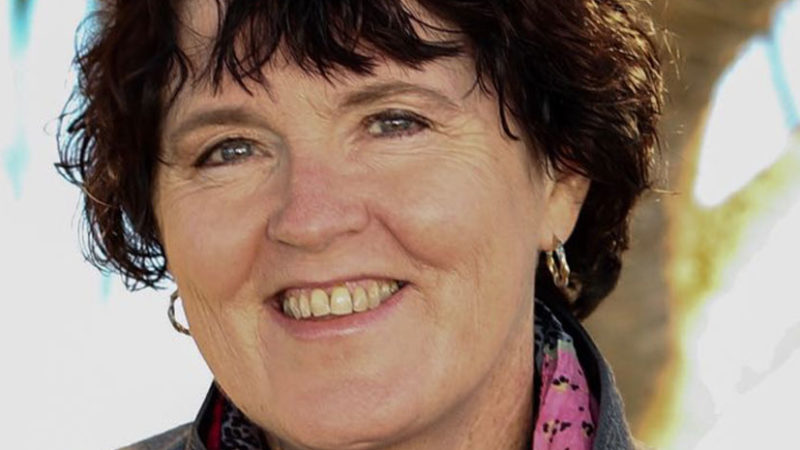
Mara Bishop has
over 25 years of experience helping people find spiritual health and
well-being. Her Personal Evolution Counseling™ method blends shamanism,
psychology, intuition, energy healing, and nature-based practices. She
lives in Durham, NC with a beloved family of people, animals, and
plants.

More information about Mara is at www.WholeSpirit.com