Mark Nepo: Becoming the Poem

    —
February 19, 2013

Mark Nepo: Becoming the Poem

Mark Nepo February 19, 2013

Tami Simon speaks with Mark Nepo, a New York Times #1 bestselling author and a cancer survivor who has taught in the fields of poetry and spirituality for over 35 years. Mark has created several audio programs with Sounds True, plus a new interactive video learning course called A Pilgrimage of the Heart: Discovering Your Authentic Voice and Inner Courage, which launches March 19th. Mark will present at Sounds True’s Wake Up Festival this August, including a pre-festival workshop on writing and spiritual growth. In this interview, Mark speaks about how to relate helpfully to our pain, sincerity as a specific type of intelligence, the role of pilgrimage, and the spiritual path of the artist. (64 minutes)

Mark Nepo is a poet and philosopher who has taught in the fields of poetry and spirituality for over 40 years. A New York Times #1 bestselling author, he has published 21 books and recorded 14 audio projects. Mark has been interviewed several times by Oprah Winfrey as part of her Super Soul Sunday TV show, and was interviewed by Robin Roberts on Good Morning America. As a cancer survivor, Mark devotes his writing and teaching to the journey of inner transformation and the life of relationship. His work has been translated into more than 20 languages. For more, see marknepo.com.

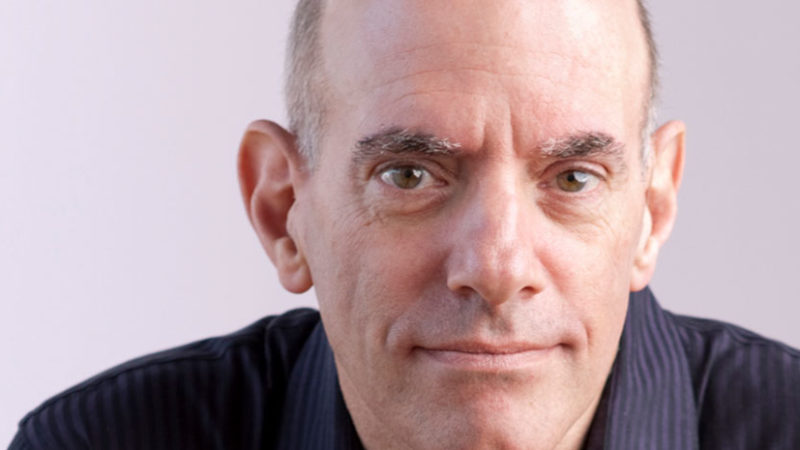
Author photo © Brian Bankston

Listen to Tami Simon's in-depth audio podcast interviews with Mark Nepo:
Holding Nothing Back »
Becoming the Poem »
Writing Is Listening with Your Heart and Taking Notes »

600 Podcasts and Counting…

Subscribe to Insights at the Edge to hear all of Tami’s interviews (transcripts available too!), featuring Eckhart Tolle, Caroline Myss, Tara Brach, Jack Kornfield, Adyashanti, and many more.

Meet Your Host: Tami Simon

Founded Sounds True in 1985 as a multimedia publishing house with a mission to disseminate spiritual wisdom. She hosts a popular weekly podcast called Insights at the Edge, where she has interviewed many of today's leading teachers. Tami lives with her wife, Julie M. Kramer, and their two spoodles, Rasberry and Bula, in Boulder, Colorado.

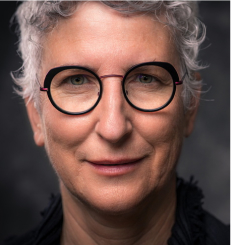
Photo © Jason Elias

Also By Author

Mark Nepo: Age Like a Meteor

What if aging isn’t about decline, but about becoming brighter—like a meteor that grows more luminous even as it falls through the atmosphere?

Tami Simon speaks with beloved poet-philosopher Mark Nepo about his deeply moving new book, The Fifth Season: Creativity in the Second Half of Life. Drawing from Chinese wisdom traditions and his own journey through chronic pain and back surgery, Mark illuminates aging as the “heavenly pivot” (love that phrase) which is the transformative shift from living outwardly to inhabiting life from the inside out.

Join Mark and Tami for this episode to explore:

  • The meteor metaphor: how we grow brighter as our outer casing flakes away • “Entering time” versus moving through it—and why slowing down opens the eternal moment • The paradox of limitation: how loss simultaneously deepens and expands us • Breaking through to joy as the depth of being that holds all the waves • Why the heart, not the mind, must lead in the second half of life • Living with chronic pain and learning to let beauty in while suffering • The difference between being victims of life versus initiates into life • How grief changes everything and why we don’t get over it, we get under it • Being swift of heart—living without hesitation from the inside out

Mark’s wisdom arises from decades of spiritual practice, surviving cancer, and facing the inevitable losses that come with a long life—essential listening for anyone navigating aging, chronic pain, loss, or simply seeking to live more fully present to the life they have.

Listen now to discover how the second half of life can be your most luminous yet.

This conversation offers genuine transmission—not just concepts about awakening, but the palpable presence of realized teachers exploring the growing edge of spiritual understanding together. Originally aired on Sounds True One.

Mark Nepo: The Half-Life of Angels

How do we know our own authenticity? How can we return to our hearts when we find we’ve left them? As we evolve and change along our journey, how do we relate to the “former selves” in our past? In this podcast, Tami Simon and poet-philosopher Mark Nepo address these questions and more, as they discuss his creative process; his new book, The Half-Life of Angels; and how we can each touch the ever-present and wholly miraculous “spark of becoming” waiting to guide our lives. 

Tune in as Tami and Mark talk about the introspective nature of the creative process; the metaphor of the soul as an inlet; congruency; how the heart shatters but inevitably heals; becoming a student to the mystery of life; the meaning of the word “admit,” and the practice of return; seeing through the lens of the miraculous; the intersection of meditation and creativity; the art of re-visioning; how a commitment to truthfulness grows in concentric circles; living from the deep versus diving and coming back up; the shift from being driven to being drawn; impermanence and perseverance; how the life of expression is one of discovery, relationship, and inquiry; why “there’s always a teacher next to you”; “becoming the poem”; and more.

Note: This episode originally aired on Sounds True One, where these special episodes of Insights at the Edge are available to watch live on video and with exclusive access to Q&As with our guests. Learn more at join.soundstrue.com.

Mark Nepo: Authentic Expression is Heart-Based

“All my work is about devotion to the messy, magnificent human journey”

—Mark Nepo

Every day, we learn. We take in more of the new. And yet, we can only respond to situations based on what we know already. We rely on the old.

Mark Nepo seems to be asking about the space between. What does it mean to grow and change with grace? What does it mean to have faith in that process? And what does this have to do with writing and expression?

We are constantly tasked to face the unknown using tools that may have only worked for us in the past (and that is freaking scary).

I believe that asking questions is elemental to human nature. But, it is impossible to truly know any of the answers.

For Mark, there is no one right way forward. There is no way out of fear. There is only a sensibility that can be adopted: that is, the willingness to listen. 

In other words, there are no objectives. There are no end products. The “answer” is in letting go of resistance to what we know, have, and are.

That way, the invisible can make itself known.

WITNESSING

“How do we talk about the things that matter that you really can’t see?”

—Mark Nepo

The ephemeral connection between ourselves and the world of essence exists within our hearts. With this practice—this practice of inner trust, perhaps even surrender—we can begin to gesture at expressing the unsayable.

What’s clear about Mark Nepo is that he is first and foremost a writer. However, his ideas can be applied to any form of expression.

To bear witness in writing, Mark advises giving full attention to whatever is in front of you, then describing it in as much detail as possible. It’s important not to make it seem magnificent or assign it “a bunch of meaning.”

Don’t evaluate it.

We are the observers and not yet the translators.

There is another part to it. Look inward. Feel what is moving through you at that moment. “Paint” that feeling with words. Don’t judge. Don’t bother with meaning. This disposition is inherently freeing. 

In this state (and I fall in and out of it even as I write this), reality moves up to our eyes like a mirror. We can look at it and hear it, be part of it.

THE INVISIBLE WORLD

“You can’t see light except for what it illuminates. All the forces that hold us and support us are invisible”

—Mark Nepo

We name things all the time. We have to. It keeps chaos at bay.

But, naming things tends to keep us separate from them. That is this and I am this and you are there and I am here.

In his Insights at the Edge episode with Tami, Mark mentions that we are accustomed to listening in this way.

We immediately assign names, places, spaces, reasons, meaning and significance to everything we see and feel. We judge and assume (partly because it is efficient; partly because we are so used to doing it).

This is in stark contrast to the “essence of wholehearted presence, however and whenever that appears.”

IMMERSION

“The truth is, I barely understand half of what comes through me. The other half leads me”

—Mark Nepo

Immersion is a different kind of listening.

Rather than naming, one engages in a mutual conversation with the world. Discovery and creation unite as the byproduct of participation in oneness.

For Mark, immersion is a way to stop resisting our naturalness and be… whatever it is we were meant to be, as humans.

When he talks about “the things that matter,” what he seems to mean is the invisible world, “that which holds us together.” In immersion, we have the chance to interact with the invisible source of our unity.

Like the fiery and untouchable sun from which our individual experiences emanate.

WHOLEHEARTEDNESS

“It’s a gift that we can’t reach what we’re trying to say or what we see, because of all that it gives us”

—Mark Nepo

In his interview, Mark says to Tami about art-making, “What matters more is our wholeheartedness than whether we do it well.”

Tami’s response struck me. “I notice, as you offer that answer, there’s a part of me that really softens.”

Creation can be a meeting place. Rather than prescribing, you meet something somewhere, and then you embrace whatever happens. You accept what is present—and in return, you are accepted just as you are.

Wholeheartedness: letting go of expectation for the sake of the unsayable.

SELF-EXPRESSION

“Just because I write it doesn’t mean that I have the meaning of it all”

—Mark Nepo

As a writing teacher, I often tell my students that if they’re stuck, they may not be empty of ideas. In fact, they may be too full.

Creating space for the heart allows the bubbles to rise up. Like attracts like. We see what we see.

“If you’re not quite there, go back to the heart of whatever the expression is about, and get closer, and get stiller, and put your defenses down, and get closer. … Go back and have a more open heart, and see what comes then.”

Sometimes, it’s unpleasant.

Sometimes, it’s utterly nonsensical.

Poetry, as one possible example of this art, has long emptied itself of pragmatic purpose and precise meaning for the sake of beauty and potentiality.

You may end up with something that you don’t understand for years. You may just take that thing out later and realize what you meant. Authentic expression is not a product. It’s a message from you to you, from the universe to the universe.

And it is always miraculous.

You Might Also Enjoy

Love Beyond Death: Cynthia Bourgeault on Eternal Conne...

Love is one of the deepest forces we know. When someone we love dies, it can feel as though that bond has been broken beyond repair. Yet many spiritual traditions suggest something different. They point to the possibility that love after death is not a fantasy or a coping mechanism, but a mystery woven into the fabric of existence itself. The question is not only what happens to us when we die, but what happens to the love we have shared.

For more than four decades, we have been devoted to sharing the living wisdom of the world’s great spiritual teachers. From contemplative Christianity to Buddhist psychology and beyond, our work preserves authentic, heart-led teachings in the voices of those who embody them. Through our books, audio programs, and podcasts, we offer a trusted space for seekers to engage life’s most profound questions with depth and clarity.

Here, we will reflect on love after death through Cynthia Bourgeault’s mystical understanding of eternal connection, and consider how spiritual practice reshapes our experience of grief, relationships, and enduring love.

Key Takeaways:

  • Divine Source: Love after death is rooted in divine life, not limited to physical existence.
  • Inner Communion: Spiritual connection with the deceased may be experienced through prayer and contemplative awareness.
  • Transformative Grief: Mystical love reshapes grief, allowing sorrow to deepen trust in eternal love.

Build relationships that nourish and sustain

Love After Death: A Spiritual Vision of Eternal Love

What does love after death truly mean? For Cynthia Bourgeault, it is not sentimentality or denial of loss. It is a spiritual insight rooted in the Christian mystical tradition.

Mystics teach that love does not originate in personality or physical presence. Love arises from the divine ground itself. If love is rooted in God, then it is not subject to decay. Death may change the form of a relationship, but it does not erase the essence of what was shared.

This vision reframes grief. We still mourn the absence of voice, touch, and daily companionship. Yet beneath that sorrow, there can be a quiet recognition that the bond continues in another way. Eternal love is not about clinging to memory. It is about trusting that what was real in love participates in something timeless.

In Love Is Stronger Than Death, we share teachings that echo this truth: love belongs to a deeper order of reality than mortality. When two people meet in authentic love, they participate in a current of divine life that does not end at the grave.

Cynthia invites us to see death not as a severing, but as a threshold. The outer form changes. The inner communion remains. In this sense, mystical love reveals that what is grounded in God cannot be undone by death.

How Love Transcends Death in the Christian Mystical Tradition

Cynthia Bourgeault approaches love after death through the lens of Christian mysticism. In this tradition, love is not limited to emotion or memory. It is participation in divine life. If love arises from God, then love transcends death because its source is eternal.

Love as Participation in Divine Being

Mystics teach that our deepest identity is rooted in God. When we love from that depth, the bond is more than attachment. It becomes communion grounded in being itself.

In Is There Life After Death, we reflect on what continues beyond the body. Cynthia shifts the focus toward the quality of love we share. If it is rooted in divine presence, it already belongs to eternity.

The Contemplative Path and Spiritual Connection with the Deceased

Contemplative practice helps us experience this truth directly. In silence, we rest in the presence that holds both the living and the departed. Through Centering Prayer Course, many begin to sense a peaceful spiritual connection with the deceased. This is not about clinging or attempting to retrieve the past. It is about recognizing shared participation in eternal love. Grief remains, but it is held within a wider field of trust.

Mystical Love and the Ongoing Spiritual Connection with the Deceased

Cynthia Bourgeault teaches that mystical love is not confined to time. When someone dies, the outer relationship changes, but the deeper communion remains. Love rooted in God continues because its source is eternal.

Moving from Memory to Living Presence

Grief often begins in memory, yet mystical love invites us beyond recollection into living presence. A spiritual connection with the deceased is not about imagination or clinging. It arises from shared participation in divine life. Whatever Arises, Love That reflects this same invitation — to meet every experience, including loss and grief, with unconditional openness rather than resistance. That inner transformation does not disappear at death. What love has formed within us continues.

Love Transcends Death Through Inner Transformation

Love changes our being. When we have loved deeply, we are altered at the core. That change remains part of us.

In this sense, love transcends death because its imprint endures. The beloved’s physical absence is real, yet the communion grounded in eternal love continues to unfold within the heart.

Awaken Your Inner Healing Power

Eternal Love as a Living Reality, Not a Memory

In Cynthia Bourgeault’s teaching, eternal love is not confined to the past. It is not something we visit only through recollection. It is a present reality grounded in divine life.

When we reduce love after death to memory alone, we unintentionally limit it. Memory can comfort us, but mystical love points to something deeper. Love that is rooted in God continues to live and move, even when the beloved is no longer physically here.

Beyond Sentimentality Toward Spiritual Maturity

There is a difference between holding onto sentiment and growing into spiritual maturity. Sentimentality can keep us tethered to what was. Spiritual maturity invites us to trust what still is. The Great Transformation speaks directly to this deepening, offering a framework for the kind of inner shift that allows grief to open the heart rather than close it. As we mature spiritually, we begin to sense that eternal love is not fragile. It does not depend on circumstances. It abides because it participates in divine being.

Living in Relationship Across the Threshold

To live in a relationship across the threshold of death requires inner stillness and trust. It does not mean attempting to recreate the old dynamic. Instead, it means allowing the relationship to assume a new form. Presence Online Course supports this quality of awareness, cultivating the steady inner attentiveness through which love after death becomes a quiet companionship carried in prayer, silence, and daily awareness of God’s presence. The connection is no longer defined by physical exchange, yet it remains real.

The Spiritual Connection Deceased Loved Ones Continue to Offer

Cynthia Bourgeault reminds us that a spiritual connection with the deceased is not a one-sided longing. Love continues to shape and guide us. While the physical presence is gone, the inner bond often deepens in subtle and meaningful ways.

This ongoing connection may express itself through:

  • A deepened capacity for compassion, as the love you shared softens your heart toward others
  • Inner guidance that arises in prayer or quiet reflection, reflecting the wisdom of the relationship
  • A renewed commitment to live with integrity, inspired by the life and values of the one who has passed
  • A sense of companionship in solitude, especially during moments of contemplationA widening trust in eternal love, as grief gradually opens into surrender

These expressions are not fantasies. They are signs that love after death continues to bear fruit. The relationship evolves, yet its spiritual essence remains active. In this way, love transcends death by continuing to shape who we are and how we walk our path.

Love Transcends Death: Insights from Contemplative Prayer

Cynthia Bourgeault teaches that contemplative prayer reveals how love transcends death. In silence, we shift from surface thoughts into deeper awareness. From that depth, separation feels less absolute.

Prayer does not attempt to prove what happens after death. Instead, it grounds us in the divine presence that holds both the living and the departed. As we rest there, grief is steadied by trust.

Through this contemplative awareness, love after death becomes less an idea and more a lived knowing that what is rooted in God endures.

Mystical Love and the Transformation of Grief

Cynthia Bourgeault does not dismiss grief. In the mystical path, grief is honored as the natural response to deep love. The pain of loss reflects the depth of the bond.

Over time, mystical love reshapes how grief is carried. Sorrow may soften into gratitude and quiet companionship. The relationship is no longer expressed through physical presence, yet it continues inwardly.

In this way, love after death does not erase grief. It transforms it, allowing eternal love to widen the heart even in loss.

Love After Death and the Mystery of Eternal Connection

Love after death invites us into mystery rather than certainty. Cynthia Bourgeault reminds us that eternal love is not something we control or define. It is something we participate in.

The form of the relationship changes at death, yet the deeper bond remains within divine life. What was shared in truth is not erased but gathered into a larger communion.

In this mystery of eternal connection, we are asked to trust that love transcends death because it is rooted in something greater than time.

Discover the power of daily meditation

Final Thoughts

Love after death invites us into mystery. Through Cynthia Bourgeault’s teaching, we see that eternal love is rooted in divine life, not limited by physical form.

Grief remains real, yet mystical love widens our trust. What is grounded in God endures, and the spiritual connection with the deceased continues within that greater communion.

Frequently Asked Questions About Love Beyond Death and Love After Death

What does love after death mean in spiritual terms?

Love after death refers to the understanding that love is not limited to physical existence. Spiritually, it suggests that love continues as a form of connection rooted in divine reality rather than the body alone.

Is love after death a belief or a mystical experience?

For many contemplatives, it is both. Some approach it as a belief grounded in faith, while others describe it as a lived mystical experience of ongoing communion through prayer and inner awareness.

How is eternal love different from romantic attachment?

Eternal love points to a deeper spiritual bond that is not dependent on physical closeness or emotional intensity. It reflects a connection grounded in shared being rather than circumstance.

Can grief coexist with trust in love after death?

Yes. Trusting that love continues does not remove sorrow. Grief and faith can exist together, allowing mourning to unfold within a wider spiritual framework.

What role does prayer play in sensing a continued connection?

Prayer creates inner stillness and receptivity. In that space, some people report a quiet awareness of connection that feels peaceful rather than driven by longing.

Is the idea that love transcends death unique to Christianity?

No. While Cynthia Bourgeault speaks from the Christian mystical tradition, many spiritual paths affirm that love transcends death in different theological languages.

Does believing in love after death prevent healthy grieving?

Not necessarily. When grounded in spiritual maturity, this belief can support healing by offering hope without denying emotional reality.

What is meant by a spiritual connection with the deceased?

It refers to an inward sense of continued relationship that may arise through memory, prayer, intuition, or moral inspiration, without requiring physical interaction.

How does mystical love shape our understanding of mortality?

Mystical love reframes mortality as a transition rather than an absolute ending. It encourages seeing life as participation in something larger than the individual self.

Why does the topic of love after death resonate so deeply?

Because love is central to human identity. Questions about its endurance touch our deepest fears and hopes about meaning, continuity, and belonging.

Michelle Cassandra Johnson is an author, activist, spiritual teacher, racial equity consultant, and intuitive healer. She is the author of six books, including Skill in Action and Finding Refuge. Amy Burtaine is a leadership coach and racial equity trainer. With Robin DiAngelo, she is the coauthor of The Facilitator's Guide for White Affinity Groups. For more, visit https://www.michellecjohnson.com/wisdom-of-the-hive.

Radical Forgiveness: A Revolutionary Approach to Letti...

Forgiveness can sound simple in theory and nearly impossible in practice. Many of us know what it feels like to carry resentment long after a moment has passed. A conversation replays in the mind. A betrayal lingers in the body. Even when we want to move forward, something inside resists. Radical forgiveness offers another way to meet these experiences. It invites us to look beyond the surface of what happened and consider how our interpretation of the event shapes our inner life.

For more than three decades, we have been devoted to sharing the living wisdom of spiritual teachers in their own unscripted voices. From respected pioneers in mindfulness and compassion to contemporary leaders in personal transformation, our work has centered on teachings that support genuine awakening. Through thousands of audio programs, books, and in-depth conversations, we have witnessed how forgiveness becomes a doorway to freedom rather than a moral obligation.

Here, we will discuss radical forgiveness as a revolutionary approach to letting go, including how to forgive, how to release resentment, and how a steady forgiveness practice can support healing through forgiveness in everyday life.

Key Takeaways:

  • Perception Shift: Radical forgiveness reframes painful experiences as opportunities for spiritual growth rather than proof of victimhood.
  • Emotional Freedom: A steady forgiveness practice helps release resentment and restore inner balance without denying emotional truth.
  • Self-Inclusion: Healing through forgiveness deepens when we extend compassion to ourselves alongside others.

Awaken Something Greater

What Is Radical Forgiveness?

Radical forgiveness is a spiritual approach to letting go that shifts our perception of harm, blame, and victimhood. Rather than focusing solely on releasing anger toward someone who hurt us, radical forgiveness invites us to question the deeper meaning of the experience itself.

This perspective suggests that life is not happening against us, but for our awakening. That does not excuse harmful behavior. Instead, it calls us to release the story that we are powerless or defined by what happened.

In the teachings of Radical Forgiveness, we are encouraged to see painful events through a wider spiritual lens. When we loosen our grip on blame and resentment, we create space for peace. The shift is subtle but profound. We move from asking why something happened to asking what it is here to teach.

Radical forgiveness is not about bypassing emotion. It is about allowing anger, grief, and disappointment to move through us without building a permanent home inside us. It is a practice of reclaiming our inner freedom by choosing a new interpretation of our experience.

How to Forgive: Understanding Radical Forgiveness as a Spiritual Path

Learning how to forgive is rarely about forcing ourselves to move on. In radical forgiveness, it becomes a spiritual shift in perception. Instead of staying fixed on blame, we begin to ask what the experience is revealing within us.

Moving Beyond Blame

Radical forgiveness invites us to release the identity of the victim. While blame can feel justified, it often keeps us tied to the past. Forgiveness begins with curiosity. What belief was triggered? What fear surfaced?

This approach does not excuse harm. It restores our agency. Our healing no longer depends on someone else changing.

Choosing a New Interpretation

At the heart of a forgiveness practice is the willingness to see differently. We can interpret painful events through separation, or we can consider that they may hold meaning for our growth. Choosing a new interpretation takes repetition. It is a daily return to openness. Radical Compassion Challenge supports this process by helping cultivate the open-hearted awareness that makes a new interpretation possible. As we learn how to forgive in this way, resentment softens and our energy returns to the present.

Letting Go of Resentment Through a Conscious Forgiveness Practice

Letting go of resentment does not mean denying anger. It means choosing not to build our identity around past pain. A steady forgiveness practice helps us make that shift.

Recognizing the Cost of Resentment

Resentment can feel justified, yet it keeps us tethered to the story of what happened. Radical forgiveness invites us to ask: What is holding onto this anger costing us? Peace, connection, presence?

Awareness is often the first step toward release.

Practicing Release with Intention

Forgiveness becomes real through repetition. Journaling, guided reflection, and structured inquiry support us in reframing our experience and loosening blame. For deeper personal work, The Power of Self-Compassion provides practical tools for working with guilt, shame, and unresolved hurt — meeting ourselves with the same care we are learning to extend to others. Over time, letting go of resentment becomes less about a dramatic breakthrough and more about returning, again and again, to willingness.

Awaken Your Inner Healing Power

Healing Through Forgiveness: The Transformative Power of Radical Forgiveness

Healing through forgiveness is about changing how the past lives within us. Radical forgiveness offers a spiritual framework for that shift, helping us release emotional charge without denying our experience.

From Reaction to Reflection

Pain can leave lasting emotional patterns. Radical forgiveness encourages us to feel what arises while also asking a deeper question: What might this experience be teaching me? This shift moves us from automatic reaction to conscious reflection.

Through this lens, healing through forgiveness becomes an inner process rather than a negotiation with others.

Reclaiming Inner Freedom

As blame softens, we regain emotional space. The memory may remain, but its intensity begins to fade. Radical forgiveness restores our capacity to choose how we respond instead of reliving old pain. Whatever Arises, Love That deepens this work, offering a practice of meeting every experience — including pain and resentment — with unconditional openness rather than resistance. This is the transformative power of the practice. We are no longer defined by what happened, but strengthened by how we grow beyond it.

A Daily Forgiveness Practice for Radical Letting Go

Radical forgiveness becomes real through daily application. A consistent forgiveness practice supports radical letting go by helping us shift from reaction to reflection in the middle of ordinary life.

A Simple Structure for Daily Practice

You might begin with a few intentional steps:

  • Pause and name the feeling. Acknowledge anger, hurt, or disappointment without judgment.
  • Identify the story you are telling about what happened. Notice where blame or victimhood may be shaping your interpretation.
  • Ask what this experience is inviting you to see or learn. Stay open rather than forcing an answer.
  • Consciously choose willingness. You may not feel full forgiveness yet, but you can choose openness to it.
  • Close with reflection or meditation to anchor the shift in your body and breath.

For guided support, Forgiveness Meditation offers a structured way to sit with difficult emotions and gently release resentment.

A daily forgiveness practice does not require perfection. Some days the shift will feel natural. Other days, it may feel resistant. What matters is the steady return. Radical letting go unfolds through repetition, patience, and a growing trust that inner freedom is possible.

Radical Self-Forgiveness as the Foundation of Healing Through Forgiveness

Radical self-forgiveness is essential to healing through forgiveness. While we may focus on releasing resentment toward others, unresolved guilt and shame often remain beneath the surface. When we judge ourselves harshly, we reinforce the belief that we are defined by our mistakes. Healing Trauma Online Course offers gentle, structured support for this layer of the work — helping practitioners move through unresolved pain with care and build a more compassionate relationship with their own history.

Radical self-forgiveness invites a different response. It asks us to take responsibility with compassion rather than self-condemnation. We acknowledge what happened, learn from it, and allow ourselves to grow beyond it. When we include ourselves in the process of forgiveness, healing deepens. We stop replaying old regret and begin living with greater wholeness and self-trust.

Getting Unstuck: How to Forgive When You Feel Stuck in Resentment

There are times when forgiveness feels distant, even when we want it. Feeling stuck in resentment often means a deeper layer of hurt has not yet been acknowledged. Before we can release anger, we may need to fully admit how much something affected us.

How to forgive in these moments begins with gently questioning the story we are repeating. Is there another way to interpret what happened? What belief is keeping the resentment alive?

Getting unstuck is usually a gradual shift. With patience and a steady forgiveness practice, the emotional charge begins to soften, and space opens for a new response.

Forgiveness Meditation as a Practice for Letting Go of Resentment

Forgiveness meditation offers a steady way to practice letting go of resentment. Instead of replaying the story of what happened, we turn our attention to the emotions held in the body and meet them with awareness.

By sitting quietly, acknowledging the hurt, and extending compassion to ourselves and others, we begin to loosen the grip of anger. We are not forcing forgiveness. We are creating space for it.

Over time, this practice softens emotional reactivity and supports a deeper sense of inner peace.

Discover the power of daily meditation

Final Thoughts

Radical forgiveness invites us to live with a wider lens. It asks us to release resentment, question the stories that keep us stuck, and include ourselves in the circle of compassion. Through a steady forgiveness practice, healing through forgiveness becomes less about changing the past and more about reclaiming our inner freedom.

Letting go is rarely a single moment. It is a willingness we return to again and again. In that return, we begin to experience the quiet strength of a heart no longer defined by what has happened, but guided by what is possible now.

Frequently Asked Questions About Radical Forgiveness

What makes radical forgiveness different from traditional forgiveness?

Radical forgiveness shifts the focus from resolving interpersonal conflict to transforming personal perception. Instead of centering on apology or reconciliation, it emphasizes inner awareness and spiritual growth as the primary outcome.

Is radical forgiveness connected to a specific spiritual belief system?

Radical forgiveness can be practiced within many spiritual traditions, but it is not limited to one path. It rests on the idea that life events can hold meaning beyond surface appearances, allowing individuals to interpret experiences through a lens of consciousness rather than punishment.

Does radical forgiveness mean reconciling with someone who caused harm?

Not necessarily. Radical forgiveness is an internal process. Reconciliation may or may not be appropriate. The practice centers on releasing inner hostility, not forcing renewed relationships or trust.

Can radical forgiveness help with long-standing family conflict?

Yes. Because it addresses the internal narrative rather than external behavior, radical forgiveness can shift deeply rooted patterns. Even if family dynamics remain unchanged, one’s emotional experience of them can transform.

How long does it take to practice radical forgiveness effectively?

There is no fixed timeline. Some situations may soften quickly, while others require ongoing reflection. Radical forgiveness is less about speed and more about sustained willingness.

Is radical forgiveness psychologically safe for trauma survivors?

For individuals with significant trauma, it is important to proceed gently and, when needed, with professional support. Radical forgiveness is not about bypassing pain but integrating it consciously. Timing and readiness matter.

Can radical forgiveness improve physical health?

Chronic resentment has been linked to stress-related physical symptoms. While radical forgiveness is not a medical treatment, releasing emotional tension may support overall well-being by reducing stress responses.

What role does accountability play in radical forgiveness?

Accountability remains important. Radical forgiveness does not remove responsibility for harmful actions. Instead, it separates accountability from ongoing emotional entanglement.

How does radical forgiveness relate to personal boundaries?

Forgiveness and boundaries can coexist. Releasing resentment does not mean allowing repeated harm. Healthy boundaries often become clearer when resentment is no longer clouding perception.

Can radical forgiveness be practiced without meditation?

Yes. While meditation can support the process, radical forgiveness can also be practiced through journaling, dialogue, reflection, or guided inquiry. The essential element is a willingness to reinterpret the experience.

Michelle Cassandra Johnson is an author, activist, spiritual teacher, racial equity consultant, and intuitive healer. She is the author of six books, including Skill in Action and Finding Refuge. Amy Burtaine is a leadership coach and racial equity trainer. With Robin DiAngelo, she is the coauthor of The Facilitator's Guide for White Affinity Groups. For more, visit https://www.michellecjohnson.com/wisdom-of-the-hive.

Active Dreaming: How to Consciously Navigate the Multi...

Dreams have long stirred human curiosity. Some feel fleeting and fragmented. Others arrive with striking clarity, emotion, or insight that lingers long after waking. Across cultures and generations, people have sensed that the dream state is more than random mental activity. It can feel like a living landscape, one that invites participation. Active dreaming speaks to this invitation. It is the practice of entering our dreams with awareness and intention, learning how to navigate the inner worlds that unfold each night.

Since 1985, we have been dedicated to sharing living spiritual wisdom in the authentic voices of the teachers themselves. From audio programs and books to immersive trainings and podcasts, our work preserves the energetic transmission of transformative teachings. Through conversations with visionary leaders in meditation, psychology, and contemplative traditions, we have witnessed a deep recognition that dreaming is not peripheral to awakening. It is woven into the path itself.

Here, we will discuss active dreaming, how it relates to lucid dreaming and shamanic dreaming, and how conscious dream navigation expands our understanding of the multiverse within awareness.

Key Takeaways:

  • Awareness in Sleep: Active dreaming builds conscious presence within the dream state, strengthening clarity and intentional participation.
  • Multidimensional Consciousness: The lucid dreaming multiverse reflects layered dimensions of awareness accessible through practice.
  • Integration into Life: Dream navigation supports emotional insight, creativity, and continuity between waking and dreaming states.

Discover the power of daily meditation

What Is Active Dreaming and How Does It Relate to Conscious Dreaming?

Have you ever sensed that a dream was more than random imagery? That it carried presence, intelligence, or even invitation?

Active dreaming is the practice of engaging the dream world consciously and creatively. Rather than analyzing dreams only after we wake, we enter into a relationship with them. We respond, ask questions, and participate.

This approach overlaps with conscious dreaming, which refers to bringing awareness into the dream state. While lucid dreaming emphasizes recognizing that you are dreaming, active dreaming goes further. It invites dialogue with dream figures, landscapes, and symbols. The dream becomes a living field of experience rather than a puzzle to decode.

In many spiritual traditions, dreams are understood as experiences in subtle realms of reality. Active dreaming helps us move from passive observer to active participant. It is the foundation for dream navigation and for understanding what some describe as a multiverse of awareness within our own consciousness.

The Lucid Dreaming Multiverse: Expanding Our Understanding of Reality

What if the dream state opens into multiple layers of reality? The lucid dreaming multiverse points to the idea that consciousness is not limited to one world but can move through many dimensions of experience.

Lucidity as a Gateway

Lucid dreaming begins with recognition. You realize you are dreaming while the dream continues. That awareness creates stability and choice. The environment becomes responsive rather than fixed. Through practices taught in The Lucid Dreaming Training Program, we can strengthen recall, increase clarity, and remain present in the dream state. Lucidity becomes the doorway through which deeper exploration is possible.

Layers of Reality Within the Dream State

In a single night, we may move through shifting identities, symbolic landscapes, and encounters that feel deeply real. Active dreaming treats these not as random images but as meaningful dimensions of consciousness.

By bringing conscious dreaming into these experiences, we begin to sense the vastness within awareness itself. The multiverse is not somewhere else. It unfolds within the field of our own mind.

Dream Navigation: Moving Intentionally Through Inner and Outer Worlds

If dreams open into multiple dimensions of awareness, dream navigation is how we move through them with intention. It is the practice of orienting ourselves within the dream and choosing how to engage.

Orienting Within the Dream

Once awareness arises, we pause and observe. Where am I? What is unfolding? This simple reflection creates stability. The dream becomes a space we can explore rather than endure. Self-Hypnosis Online Course supports this kind of intentional inner orientation, training the mind to enter receptive states with clarity and calm — a foundation that translates naturally into conscious dream navigation.

Integrating Inner and Outer Worlds

Active dreaming does not end when we wake. Through approaches like Dreamtending, we continue the dialogue with dream images, allowing insight to deepen over time.

Dream navigation becomes a way of living, recognizing that inner and outer worlds are in constant conversation.

How your mind really works

Shamanic Dreaming as a Pathway to Active Dreaming

Long before modern language around lucid dreaming emerged, shamanic dreaming offered a map of the inner worlds. In many indigenous traditions, dreams are understood as journeys into subtle realms where healing, guidance, and insight are available.

The Shamanic View of the Dream World

Shamanic dreaming treats the dream state as a real experience. The dreamer may travel, meet teachers, or retrieve wisdom for the community. These journeys are intentional and relational, not accidental.

This perspective aligns naturally with active dreaming. Both approaches recognize that consciousness can move beyond ordinary perception and engage directly with symbolic and spiritual dimensions.

From Journeying to Conscious Participation

In active dreaming, we cultivate the same respect and intentionality found in shamanic traditions. We enter the dream with curiosity. We listen. We respond. Revolutionary Discoveries from Non-Ordinary Realities illuminates how these dream-state encounters connect to broader dimensions of consciousness, affirming that the dream state is a living field for transformation rather than a private fantasy.

Conscious Dreaming Practices for Multiverse Awareness

If the dream state opens into layered dimensions of awareness, how do we cultivate the stability to move through them? Conscious dreaming develops through steady, grounded practice. These approaches strengthen clarity, recall, and intentional presence within the lucid dreaming multiverse.

Core Practices That Support Conscious Dreaming

  • Strengthen dream recall by journaling immediately upon waking. This signals to the mind that dreams matter and builds continuity of awareness.
  • Set clear intentions before sleep. A simple inward statement, such as “I will remain aware in my dreams,” helps orient consciousness.
  • Practice reality reflection during the day. Pausing to question, “Am I dreaming?” builds the habit of awareness that can carry into sleep.
  • Meditate regularly. A steady meditation practice supports clarity and reduces mental fragmentation in both waking and dreaming states.
  • Reenter meaningful dreams through imagination while awake. This deepens dream navigation and keeps the dialogue alive.

Through consistent practice, conscious dreaming becomes less about control and more about relationship. Awareness stabilizes. The multiverse within consciousness begins to feel accessible, not abstract. Active dreaming then unfolds naturally as a lived experience rather than a concept.

The Role of Imagination in Dream Navigation and Active Dreaming

Imagination is often dismissed as fantasy, yet in active dreaming it becomes a bridge between worlds. It allows us to reenter dreams, deepen their meaning, and remain in relationship with their images.

In dream navigation, imagination acts as a compass, strengthening the connection between waking and dreaming awareness. Within the lucid dreaming multiverse, it becomes a mode of perception, helping us move between layers of experience with flexibility and presence. Active dreaming is not an escape from reality but an expansion of how we participate in it.

Integrating Lucid Dreaming Multiverse Experiences into Daily Life

Experiences in the lucid dreaming multiverse gain depth when they inform how we live. Active dreaming is not confined to the night. Its insights are meant to be embodied.

Integration begins with simple reflection. After a conscious dreaming experience, we ask what qualities were present and how they can be practiced during the day. Courage, compassion, or clarity in a dream can become intentional actions in waking life. The Remote Viewing Online Training Course offers a complementary discipline here, sharpening perceptual awareness and discernment in ways that support the grounded integration of expanded inner experiences.

Rather than interpreting dreams literally, we listen for what resonates. Over time, awareness feels more continuous. The boundary between dreaming and waking softens, and active dreaming becomes a grounded spiritual practice woven into everyday reality.

The Spiritual Roots of Shamanic Dreaming and Conscious Dreaming

Active dreaming is rooted in ancient traditions that honored the dream state as sacred. Across cultures, shamanic dreaming was practiced to access guidance, healing, and insight beyond ordinary awareness.

In these traditions, the dreamer was a traveler, cultivating conscious dreaming through intention and discipline. Dreams were approached as real encounters with personal and collective wisdom.

Active dreaming carries this lineage forward, affirming that consciousness is multidimensional and that dream navigation can be a path of awakening. Over time, lucid dreaming, shamanic dreaming, and conscious dreaming converge into a deeper, continuous relationship with awareness across waking and dreaming life.

Awaken Your Inner Healing Power

Final Thoughts

Active dreaming invites us into a living relationship with the dream world. Through lucid dreaming, shamanic dreaming, and steady conscious practice, we begin to sense the multidimensional nature of awareness itself.

The multiverse is not somewhere far away. It unfolds within consciousness, night after night. As we learn the art of dream navigation, we participate more fully in both our inner and outer worlds, grounded, curious, and awake.

Frequently Asked Questions About Active Dreaming: How to Consciously Navigate the Multiverse

What makes active dreaming different from regular dreaming?

Active dreaming involves intentional engagement with the dream state. Instead of passively experiencing dreams, the dreamer cultivates awareness and participation, both during sleep and upon waking reflection.

Is active dreaming the same as lucid dreaming?

Lucid dreaming is one component of active dreaming. Lucidity refers to knowing you are dreaming while the dream continues. Active dreaming includes lucidity but also emphasizes dialogue, integration, and an ongoing relationship with dream imagery.

Can anyone learn active dreaming?

Yes. Active dreaming is a trainable skill. With consistent practices such as intention setting, meditation, and dream recall, most people can strengthen their capacity for conscious awareness in dreams.

Does active dreaming require a spiritual belief system?

No specific belief system is required. While active dreaming has roots in spiritual traditions, it can be approached psychologically, creatively, or contemplatively. The practice adapts to the framework of the individual.

How does active dreaming relate to the idea of a multiverse?

In this context, the multiverse refers to the layered nature of consciousness. Active dreaming allows individuals to experience multiple dimensions of awareness within the dream state, expanding their sense of reality.

Is active dreaming safe?

For most people, yes. It is a practice of awareness rather than control. Those with certain mental health conditions should approach intensive dream practices with professional guidance, but for many, it supports insight and emotional integration.

How long does it take to become proficient in conscious dreaming?

Progress varies. Some people experience lucidity quickly, while others build skill gradually. Consistency matters more than speed. Even small increases in dream awareness can be meaningful.

Can active dreaming support creativity?

Yes. Many artists, writers, and innovators draw inspiration from dreams. Active dreaming strengthens access to symbolic imagery and intuitive insight, which can enrich creative work.

What role does intention play in active dreaming?

Intention acts as a guidepost. By clarifying a question or focus before sleep, the dreamer orients awareness. Intention does not force outcomes but shapes receptivity within the dream field.

How does active dreaming influence waking consciousness?

Over time, practitioners often report greater self-awareness, emotional clarity, and sensitivity to subtle experience. The continuity of awareness between sleeping and waking states can lead to a more reflective and intentional life.

Michelle Cassandra Johnson is an author, activist, spiritual teacher, racial equity consultant, and intuitive healer. She is the author of six books, including Skill in Action and Finding Refuge. Amy Burtaine is a leadership coach and racial equity trainer. With Robin DiAngelo, she is the coauthor of The Facilitator's Guide for White Affinity Groups. For more, visit https://www.michellecjohnson.com/wisdom-of-the-hive.

>
Share via
Copy link
Powered by Social Snap